

Start your day with health news; you can also check out these articles: Why eating chicken pho helps you recover from illness faster?; Sleep breathing patterns can be a warning sign of lung problems; What to do when you can't remember if you've taken your medication?...
A unique way of eating vegetables can help you lower high blood pressure.
High blood pressure is known as the "silent killer," with 20% of sufferers unaware they have the condition.
Fortunately, you can easily check your blood pressure by measuring it at home, and there are many ways to lower it naturally . High blood pressure, if left untreated, can lead to a life-threatening risk of heart attack and stroke. Therefore, it's best to monitor your blood pressure daily.
Here are four tips from Shyla Cadogan, a nutritionist working in the US, to help lower blood pressure, including a very useful tip you should apply when eating vegetables.

Avoid overcooking vegetables to retain as much magnesium as possible, which is beneficial for blood pressure.
Increase your magnesium intake. Magnesium is a crucial mineral to supplement if you're trying to lower your blood pressure, as it helps regulate both salt and potassium levels—two components that greatly influence blood pressure.
Furthermore, studies show that magnesium lowers blood pressure because it can promote vasodilation. When blood vessels dilate, blood pressure is lowered. Foods rich in magnesium include dark leafy greens, avocados, bananas, dark chocolate, nuts, beans, whole grains, brown rice, and fish.
Helpful tip when eating vegetables: Don't overcook them to retain as much magnesium as possible. All dark leafy vegetables contain chlorophyll, of which magnesium is a central component. Overcooking vegetables to the point where they lose their vibrant green color means the magnesium has been removed. You can find more information on this topic in the health section of this article dated October 25th .
Why does eating chicken pho help you recover from illness faster?
Dr. Colby Teeman, a nutritionist and associate professor in the Department of Health and Sports Sciences at the University of Dayton (USA), explains: The warmth of the broth and the rich, savory flavors of the chicken, vegetables, and noodles are very beneficial.
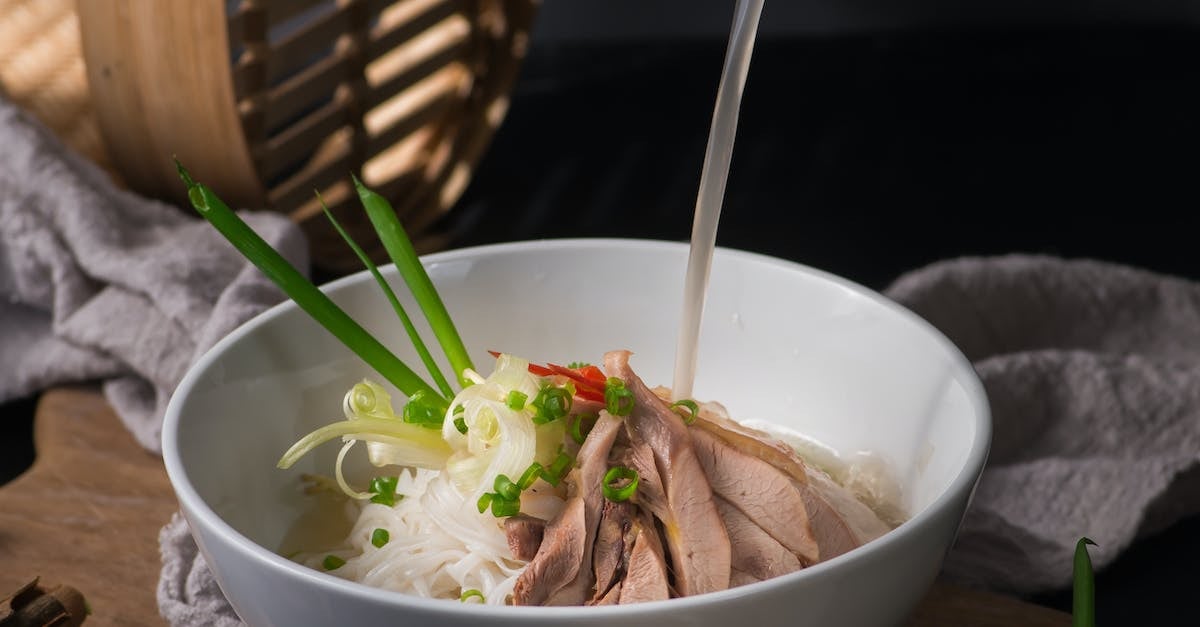
Chicken pho is one of the most popular dishes in Vietnam.
Studies show that flavor is very important to the healing properties of chicken pho. Doctors have noticed that patients with upper respiratory illnesses often suddenly eat less or not at all. This is because acute illnesses cause inflammatory responses that can reduce appetite.
This will lead to difficulty in getting enough essential nutrients, which will negatively affect immunity and recovery.
But evidence suggests that the "meat flavor" in chicken broth may help stimulate appetite. Research shows participants felt hungrier after their first taste of chicken broth. Further details of this article will be available on the health page on October 25th.
Sleep breathing patterns can be a warning sign of lung problems.
When you fall asleep, your breathing slows down. The number of breaths per minute is called your respiratory rate. A respiratory rate that is faster or slower than normal can be a warning sign of an abnormality in the lungs.
The body's metabolism slows down during sleep. Therefore, both heart rate and breathing rate are slower than when awake. Furthermore, blood pressure decreases, and the muscles relax and begin the recovery process.

Abnormal breathing patterns during sleep are a warning sign of lung problems.
With breathing, the breathing rate should slow down and stabilize throughout the night. Breathing that is faster or slower than normal is not good. For example, the average breathing rate is 15 breaths per minute; if it increases to 19 breaths per minute, it could indicate an underlying health problem.
The American Sleep Foundation states that adults can breathe 12-20 breaths per minute. Breathing up to 28 breaths per minute is still considered safe. Some devices, such as smartwatches, can track breathing rate during sleep.
Abnormally fast or slow breathing can be a sign that your body is fighting a cold, infection, or a side effect of medication. In worse cases, unstable breathing can be a sign of a more serious health problem. Start your day with health news to read more in this article!
Source link


![[Photo] Prime Minister Pham Minh Chinh presides over a meeting on private sector economic development.](/_next/image?url=https%3A%2F%2Fvphoto.vietnam.vn%2Fthumb%2F1200x675%2Fvietnam%2Fresource%2FIMAGE%2F2025%2F12%2F20%2F1766237501876_thiet-ke-chua-co-ten-40-png.webp&w=3840&q=75)






























































































Comment (0)