


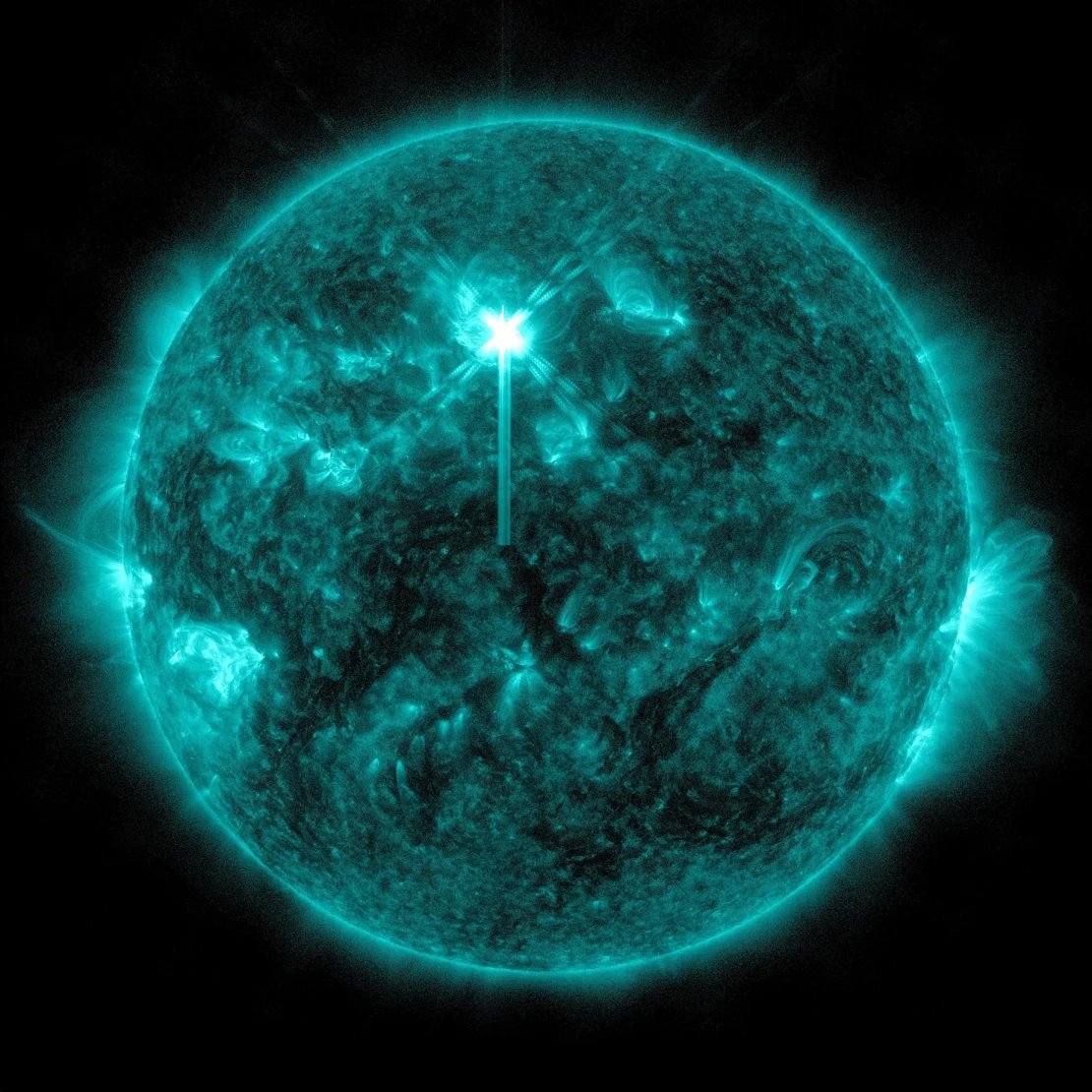
The National Oceanic and Atmospheric Administration (NOAA) issued a warning about the onset of a rare and severe geomagnetic storm after detecting three coronal mass ejections earlier this week, several hours sooner than predicted. The effects are expected to last through the weekend and may extend into next week.
NOAA has warned that power plants and spacecraft in orbit, as well as the Federal Emergency Management Agency, must take precautionary measures.
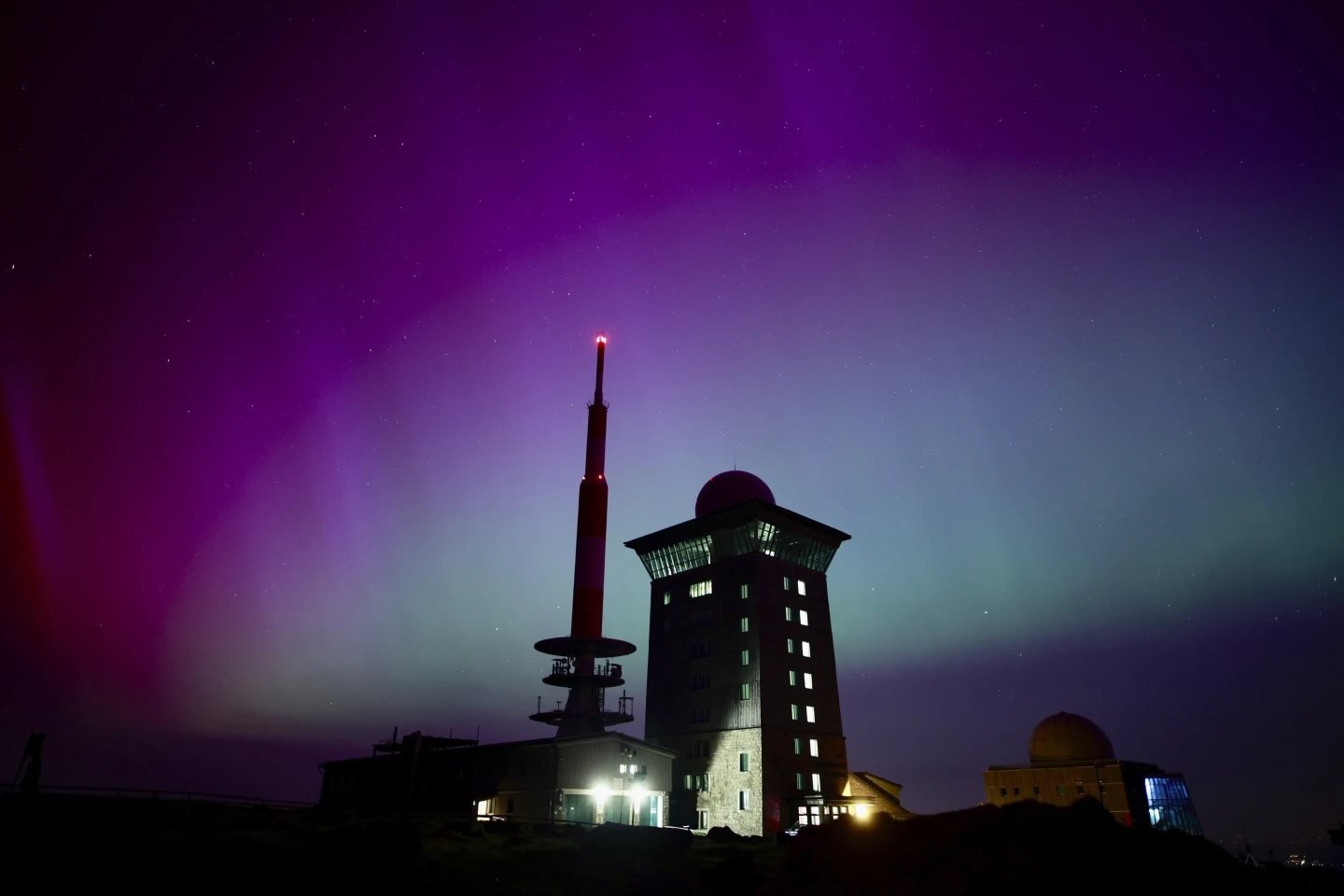
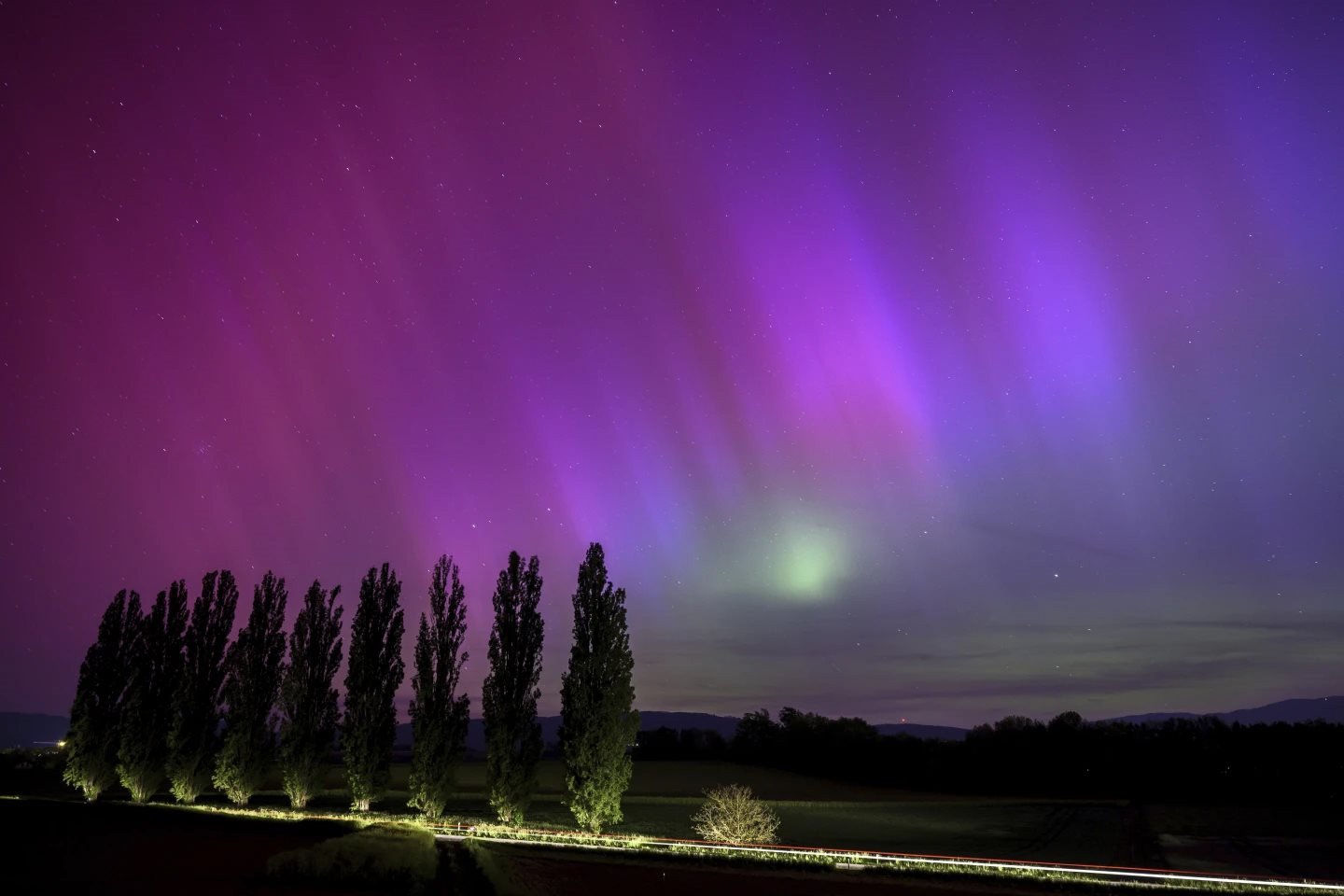
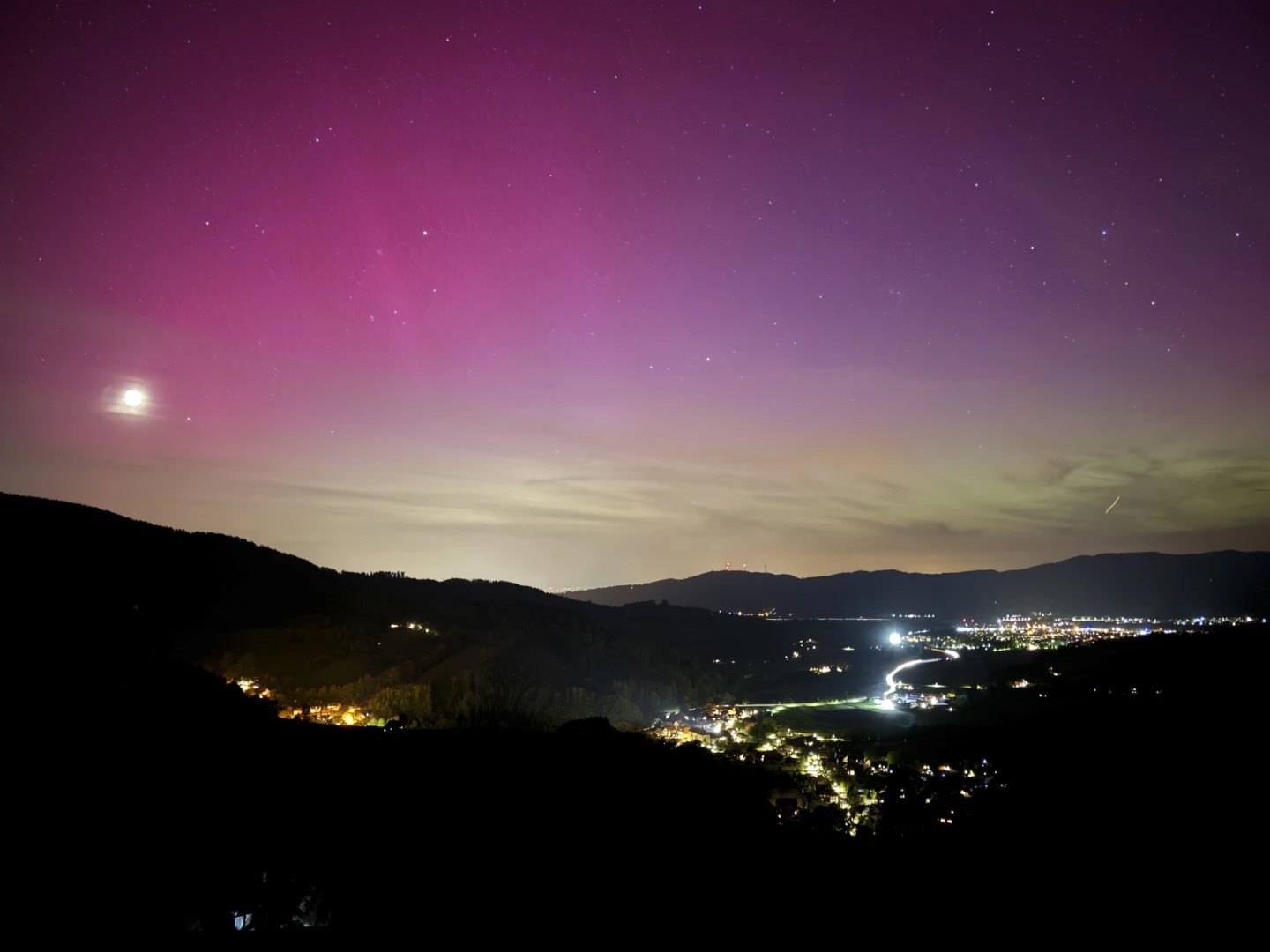
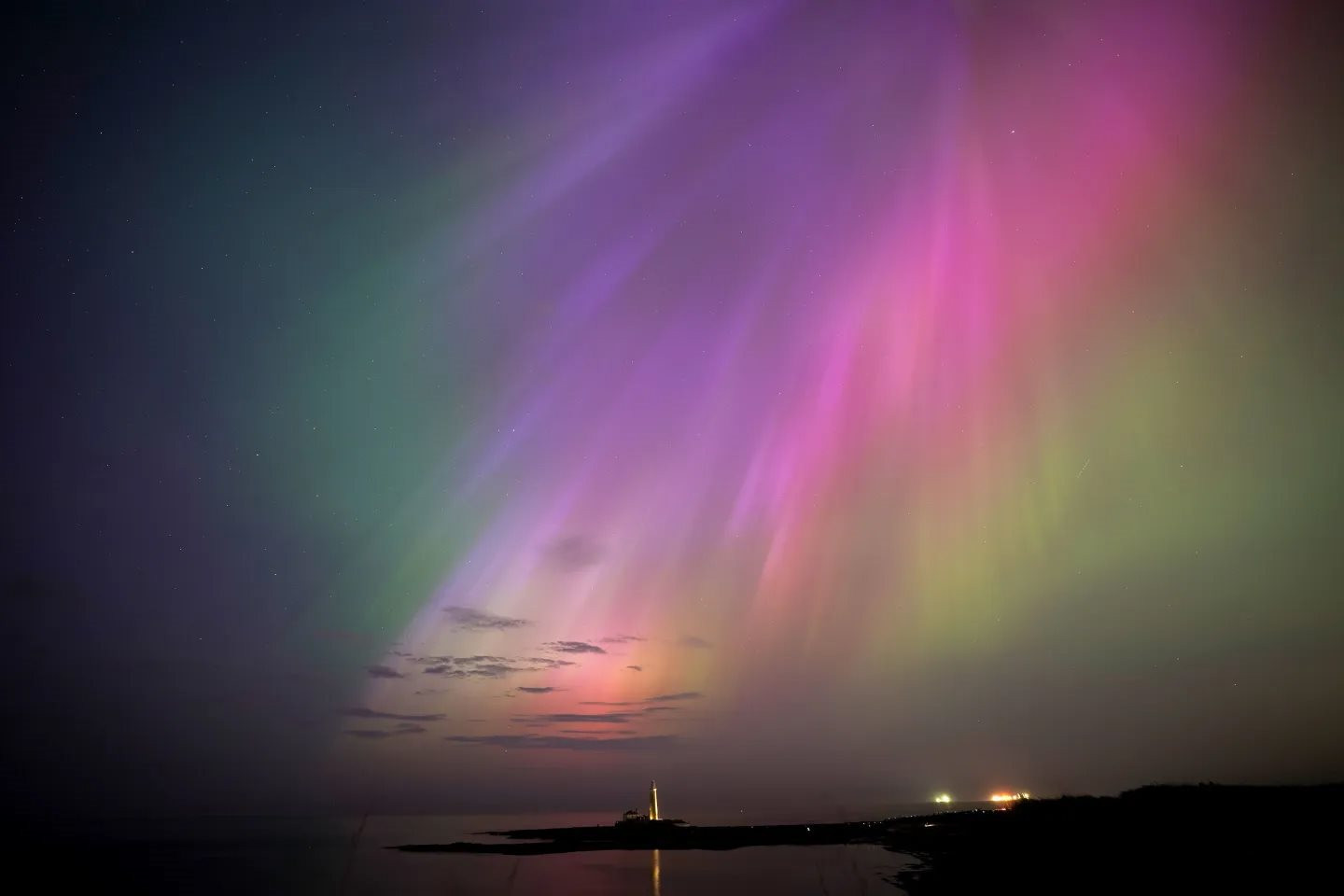
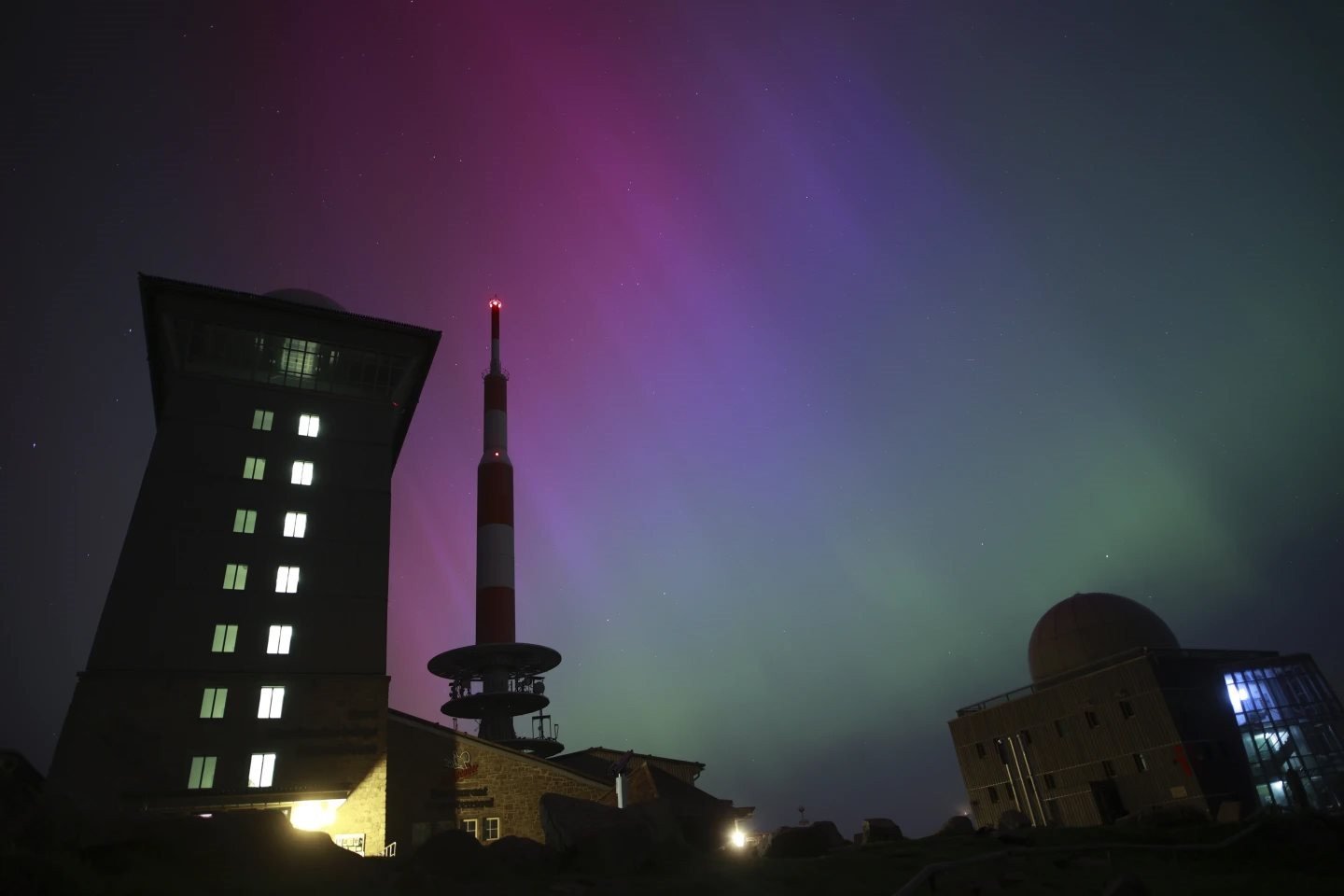
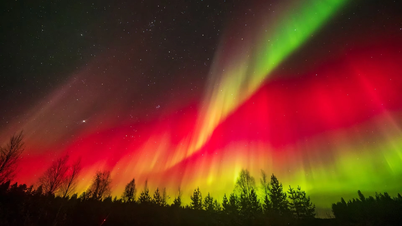
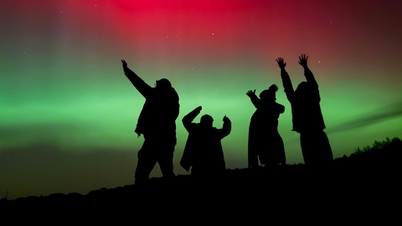
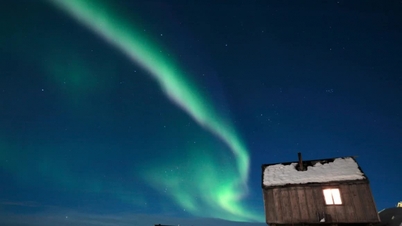
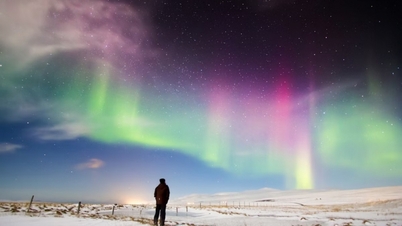
According to NOAA, the storm could produce the Northern Lights in the US, specifically in Alabama and Northern California. Experts emphasize that this is difficult to predict and that it will not be the dramatic, colorful spectacles typically associated with the aurora borealis, such as the streaks of green.
The most intense solar storm on record, which occurred in 1859, produced auroras in Central America and were even visible in Hawaii. NOAA space weather forecaster Shawn Dahl stated, "We didn't anticipate it, but it could be coming."
According to Dahl, this storm poses a risk to the high-voltage transmission lines of the power grid, not the typical electrical wiring found in people's homes. Satellites could also be affected, potentially disrupting navigation and communication services on Earth.
For example, a powerful geomagnetic storm in 2003 caused power outages in Sweden and damaged transformers in South Africa.
According to NOAA, even after the storm ends, signals between GPS satellites and ground receivers may be disrupted or lost. But there are so many navigation satellites that the outage will not last long.
The sun has been producing intense bursts of light since May 8th, resulting in at least seven plasma eruptions. Each eruption – known as a coronal eruption – can contain billions of tons of plasma and magnetic fields from the sun's outer atmosphere, also known as the aurora.
According to NOAA, the flashes of light appear to be related to a sunspot 16 times the diameter of Earth. It's all part of increasing solar activity as the Sun reaches its peak in its 11-year cycle.
NASA said the storm posed no serious threat to the seven astronauts on the International Space Station. The biggest concern was the increased radiation levels, and the crew could move to a better-sheltered area of the station if necessary.
Increased radiation could also threaten some of NASA's scientific satellites. Antti Pulkkinen, director of NASA's astrophysics division, said that highly sensitive equipment would be shut down if necessary to prevent damage.
Several spacecraft focused on the Sun are monitoring all developments.
Source: https://daidoanket.vn/bao-mat-troi-manh-sap-tan-cong-trai-dat-10279535.html








































































































Comment (0)