


The Standing Committee of the National Assembly has agreed to submit the investment plan for the North-South high-speed railway project to the National Assembly for consideration at its 8th session.
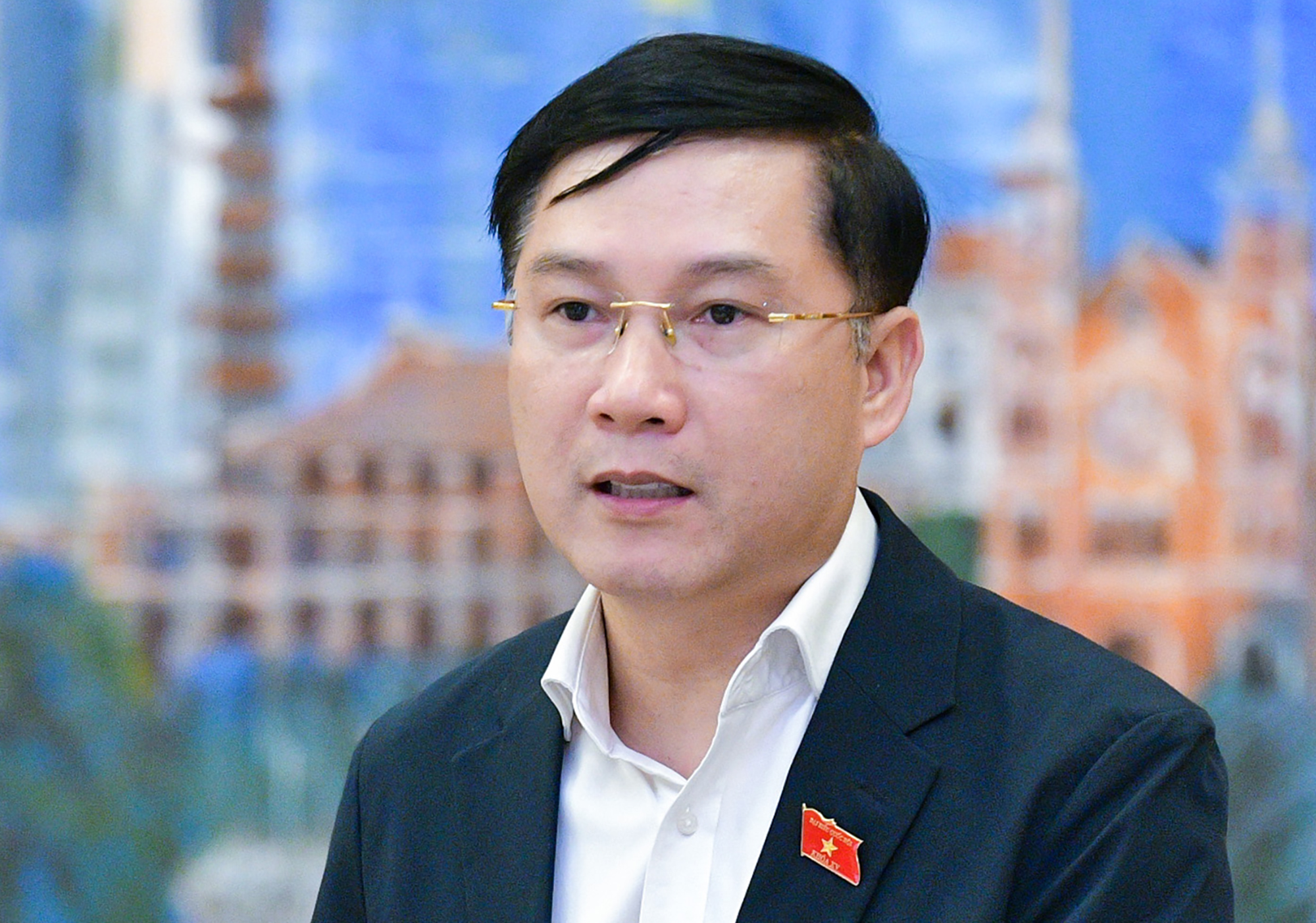
Speaking to Giao Thong Newspaper, Representative Hoang Van Cuong of the Finance and Budget Committee stated that autonomy in investment, construction, and technology transfer will determine the success of the project.
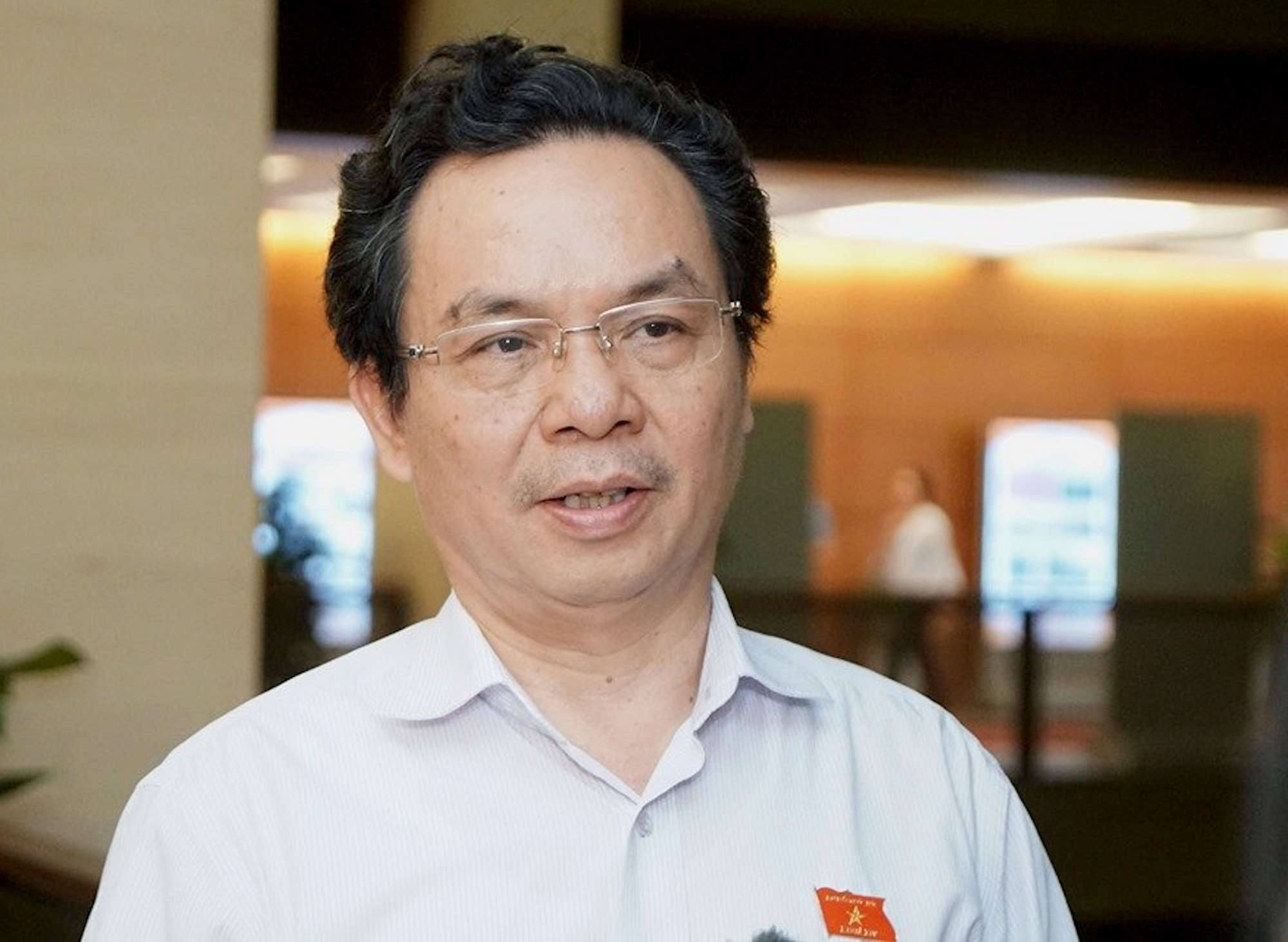
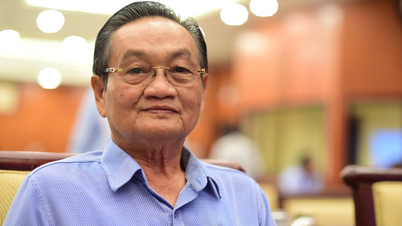
National Assembly representative Hoang Van Cuong.
Mastery is the prerequisite.
Despite a total investment exceeding $67 billion, many experts and National Assembly deputies have affirmed that resources are no longer a major obstacle. Besides the budget allocation, how should the mobilization of other resources be considered?
Global experience shows that initial railway investment projects rarely yield high profits, and many lines even fail to recoup their investment. Therefore, basic investment must necessarily be public investment.
On the other hand, the benefit of investing in high-speed rail is that it creates new development opportunities, thereby stimulating the development of many other sectors, rather than simply generating revenue from ticket sales.
However, in my opinion, it is still possible to make a profit from the investment in exploitation and operation.
For example, the process of investing in train carriages and operating trains does not necessarily require the State to be involved; private investors can participate.
Experience in many countries shows that the investment in railway carriages is not handled by just one company; sometimes, on a single route, there are 2-3 companies investing in and operating trains, competing with each other.
Or take railway investment, for example. If we have a good mechanism and can mobilize domestic manufacturers, they will be willing to provide capital for investment. Once the businesses complete the production, the State will then complete the remaining work.
Does that mean that during the construction and operation process, it's necessary to encourage businesses to invest in service and commercial areas at the stations, and to invest in additional vehicles when needed?
That's right. For every dollar invested, we must calculate how to use it most effectively.
With the same investment, if we import from abroad, all the benefits will go to foreign investors. However, if there is a mechanism for domestic businesses to produce, then domestic investors will benefit. That is a feasible way to mobilize resources, if there is a specific and attractive mechanism in place.
According to him, how will the experience gained from implementing large-scale infrastructure projects in the past be helpful in investing in the high-speed railway project on the North-South axis?
Looking at urban railways like Cat Linh - Ha Dong, Nhon - Hanoi Station, or Ben Thanh - Suoi Tien, it's clear that when we lack autonomy in the investment and construction process, and almost completely outsource everything to foreign contractors, we naturally cannot control the progress or the total investment capital.
Meanwhile, if we look at the 500KW circuit 3 power line project, we were able to implement it at lightning speed; nobody thought it could be that fast. So why was it so fast? It's because domestic investors carried out the project themselves, and we had the right to make the decisions.
With the North-South high-speed railway project, whether we can strive to complete it as planned depends entirely on whether we have control over the project.
Without control, it's very difficult. Because during the implementation process, we encounter all sorts of obstacles. Just one minor setback, and the investor will stop, abandoning the project, and everything will be different.
Therefore, I believe that the success or failure of high-speed rail depends on whether we can master the technology and control the investment and construction process.
Video presentations provided information to delegates.
On November 7th, presenting a proposal on adjusting the agenda of the 8th session of the 15th National Assembly, Vice Chairman of the National Assembly Nguyen Khac Dinh stated that the Standing Committee of the National Assembly proposed that the National Assembly allow adjustments to the session's agenda for several items.
Along with other topics, the supplementary session program included a video clip about the high-speed railway project on the North-South axis to provide additional information for National Assembly deputies to discuss this issue.
The National Assembly is expected to hear the government's presentation on the plan for the high-speed railway project on the North-South axis on November 13th.
Previously, on November 6th, the Standing Committee of the National Assembly agreed to submit the investment policy for the North-South high-speed railway project to the National Assembly for consideration and decision at the 8th session.
In his concluding remarks, Deputy Speaker of the National Assembly Nguyen Khac Dinh requested the Government to continue reviewing and preliminarily calculating the total investment cost of the project and the preliminary design plan, ensuring efficiency and cost-effectiveness, and to supplement the presentation with comparative options, as a basis for selecting the project's route according to the Government's proposal.
Regarding the funding for the project, the total investment is exceptionally large. Therefore, to ensure feasibility and national financial security, a more thorough assessment is needed.
The Standing Committee of the National Assembly agreed that exceptional policies are needed for the project. However, to ensure feasibility and increase persuasiveness, the Government is requested to review the 19 policies and provide more detailed explanations.
A strong enterprise is needed to act as the central coordinating body.
Prioritizing domestic businesses is natural, but we lack experience in implementing high-speed rail. If Vietnamese businesses were to participate, which aspects would they be involved in, sir?
Look, we don't currently have the technology to manufacture cars, but why have Vinfast's electric cars become a product that sells not only domestically but is also exported abroad, competing with major brands?
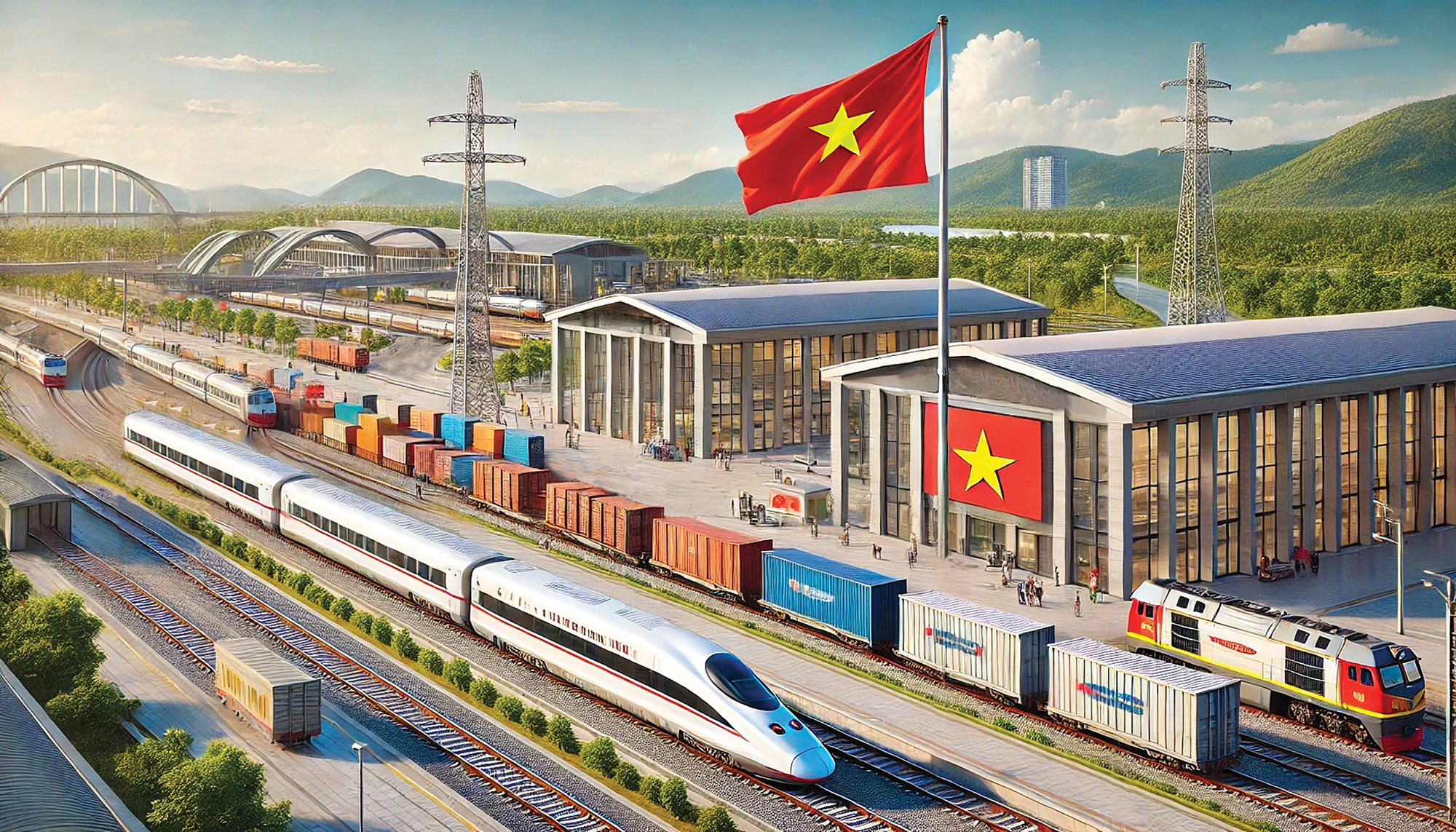
According to the proposal for approving the investment plan for the North-South high-speed railway project, the high-speed railway will pass through 20 provinces and cities with a length of approximately 1,541km and a design speed of 350km/h (illustrative image).
Therefore, it is clear that we need to boldly invest in receiving technology transfer.
The requirement here is that foreign investors must transfer technology, not just sell products.
Next, we will entrust that technology transfer to a strong domestic corporation, which will act as our representative to receive the transfer, invest, and produce the products.
But if that's the case, it's clear that domestic investors can't do it alone; they need to call on smaller businesses to participate as well?
That's right. Each enterprise participates in a different stage. This way, we have a core enterprise that forms the backbone of the railway industry's development and draws other enterprises into the chain.
For example, in railway carriage manufacturing, a company that produces seats could also participate. If it's a foreign company, they'd readily import parts from their country, and we wouldn't have a chance.
Vietnam has plenty of strong corporations with sufficient potential. The question is whether we dare to place orders, whether we dare to entrust the work to them? I believe that once there is a market, there is no reason why domestic corporations should not dare to step forward.
Sustainable, modern transportation methods
The review agency has agreed with the design speed of 350 km/h. What are your views on the objectives for passenger transport and cargo transport when necessary?
We need to carefully consider this; we shouldn't build this high-speed rail line to compete with air travel, but rather as a way to supplement and create a comprehensive and integrated transportation system. In other words, we should develop a sustainable and modern mode of transportation.
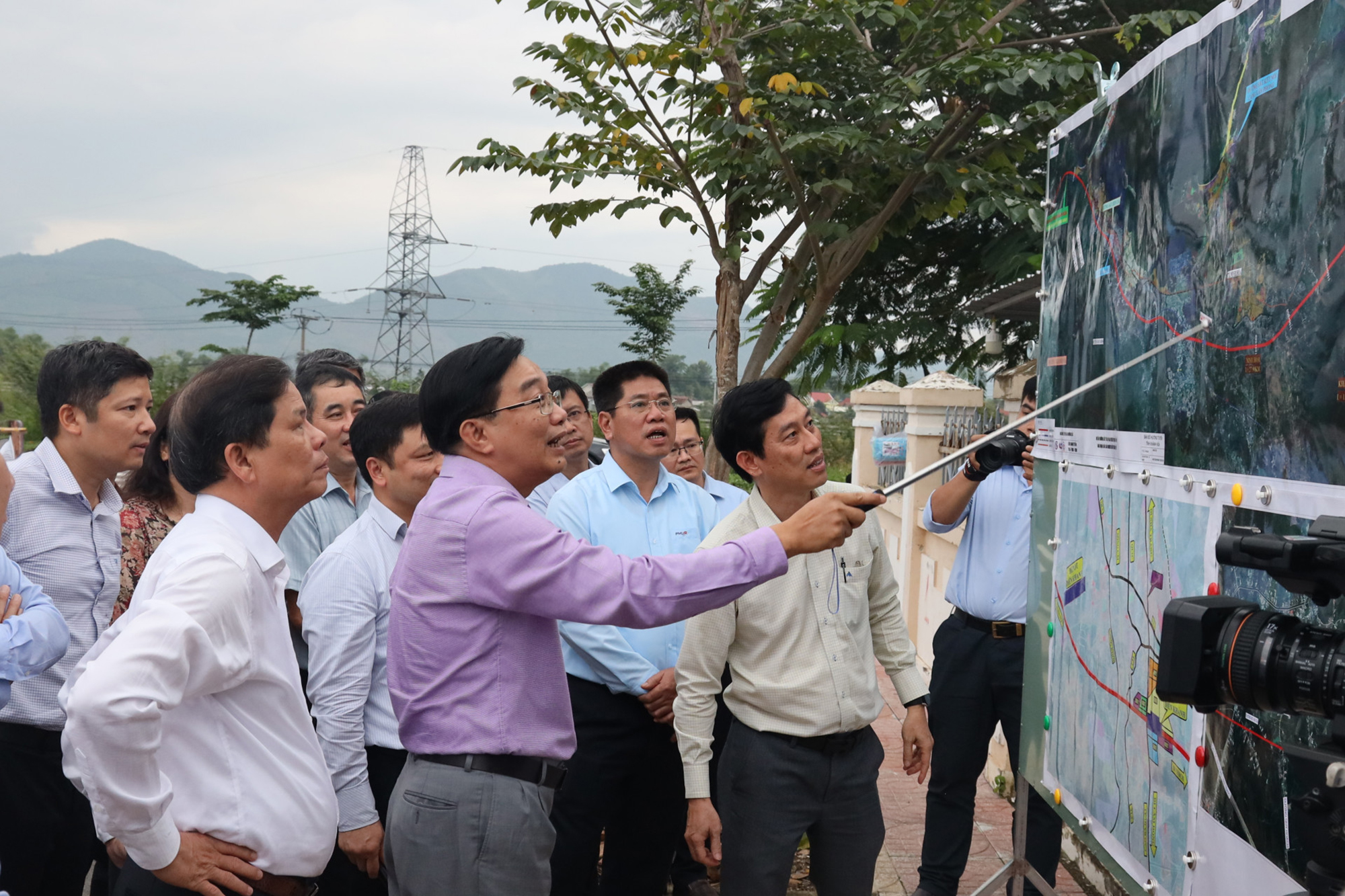
A delegation from the National Assembly's Economic Committee, along with relevant units, conducted a site survey of the high-speed railway project in Khanh Hoa province on November 2nd.
For example, if you need to travel quickly from Hanoi to Ho Chi Minh City, you can choose air travel. But if you want to travel from Nam Dinh to Ha Tinh, and you also want to travel quickly, you can take the high-speed rail. In this way, the rail system complements the air transport system.
As for freight transport, the challenge lies in resolving the logistics bottleneck. Currently, logistics costs in Vietnam account for a very high proportion, reaching 16.8-17% of GDP.
Meanwhile, along the North-South economic corridor, every area has development potential. But why do investors only focus on large cities and ignore areas with abundant labor? Because the cost of transporting goods, raw materials, and products in those areas is high.
More broadly, attracting investors to remote, potentially rich but inaccessible areas will draw investment away from these regions, reducing population concentration in large cities.
Local authorities need to take initiative.
The project spans 20 provinces and cities, opening up enormous development opportunities. In your opinion, what preparations do localities need to make to seize this opportunity?
Local authorities must first participate in land clearance and need to prepare the land, development space, and connectivity space effectively.
At the same time, it is necessary to review the planning, prepare plans, and calculate incentive mechanisms and policies to attract investors and maximize the potential advantages of the region.
As a delegate from Hanoi, whose main hub is Ngoc Hoi station, what preparations do you think Hanoi needs to make, besides site preparation?
To take advantage of the opportunities presented by the high-speed rail, Hanoi also needs to make many changes. According to the plan, Ngoc Hoi station will be a train assembly station, primarily responsible for assembling trains for dispatch and clearing incoming trains. In addition, the station will also handle other tasks such as loading and unloading goods.
However, around the world, high-speed rail can connect to run right through the city center. Urban rail systems and high-speed rail are essentially the same, differing only in their signaling and power systems.
If Hanoi prepares well and connects the high-speed rail line with the national railway system and the urban railway system, then passengers traveling from Ho Chi Minh City to Hanoi could not only get off at Ngoc Hoi station but also as far as Hang Co station.
If we can't establish connections, we'll waste opportunities. Because if tourists only take 5 hours to travel from Ho Chi Minh City to Hanoi, but then have to spend several hours traveling from Ngoc Hoi station to the city center by other means, it will be less attractive.
Secondly, we have high expectations for the railway industry. Therefore, Ngoc Hoi station has been designated as a train depot, a place for repair and technical replacement. Thus, we can transform the area south of Hanoi into a railway industrial center.
Thank you, sir!
National Assembly Deputy Quan Minh Cuong (Deputy Secretary of the Dong Nai Provincial Party Committee):
Land clearance with the highest level of determination.
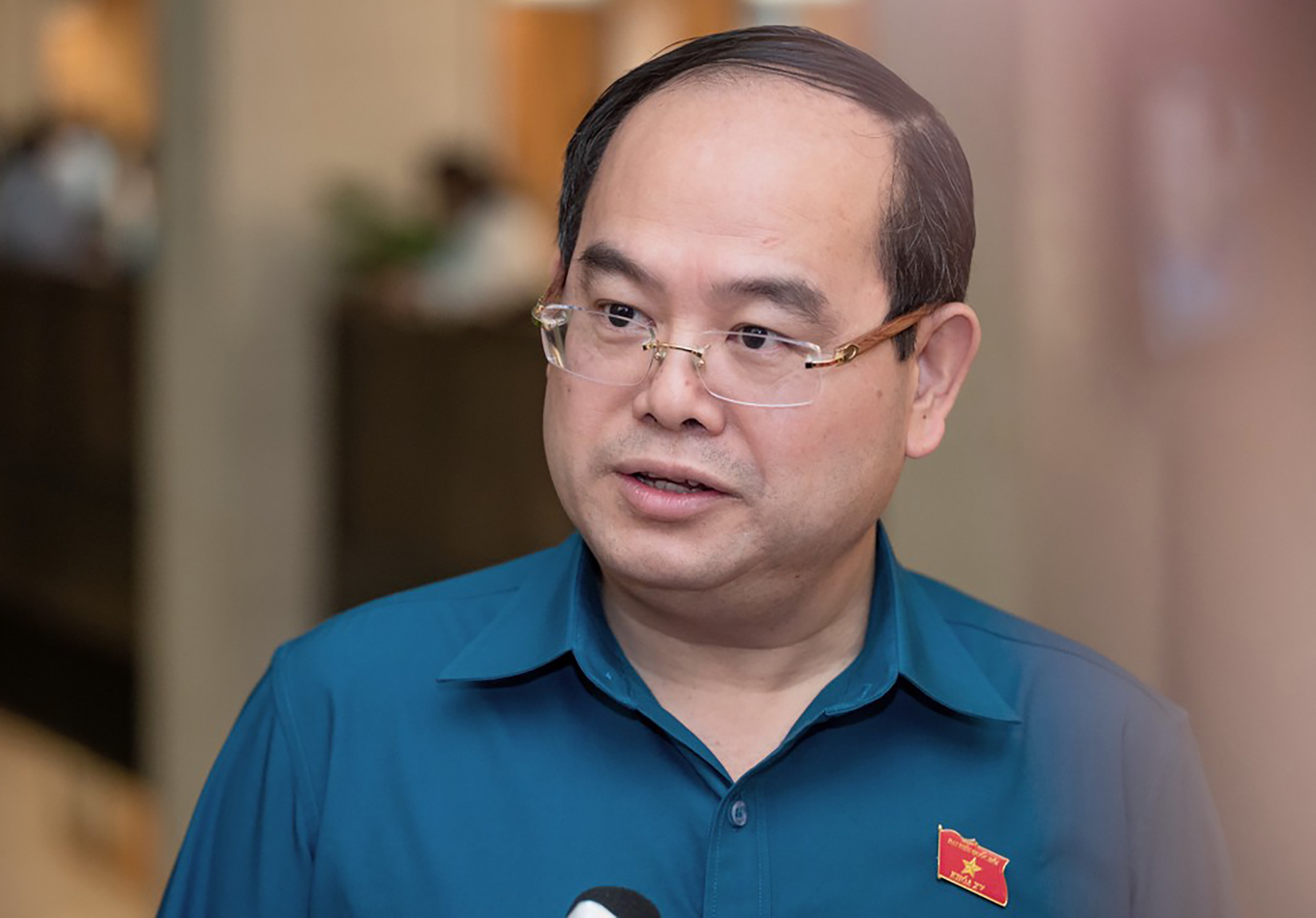
We need to look at the urban railway projects in Ho Chi Minh City and Hanoi as lessons to learn from in implementing the North-South high-speed railway project. The progress of this project absolutely cannot be allowed to be delayed like that.
To achieve this, from a local perspective, land clearance work needs to be carried out urgently with the highest determination. If Dong Nai province, which cleared over 5,000 hectares of land for the Long Thanh airport project, could do so quickly, then this project, spanning over 10,000 hectares across multiple provinces, should not be too difficult.
Regarding the preparation of conditions and plans for development, Dong Nai must adjust its transportation network planning to ensure that railway stations connect with other modes of transportation such as air, road, and water, specifically Long Thanh Airport and expressways.
This will enhance connectivity with Ho Chi Minh City and the provinces of the Southeast, Southwest, and Central Highlands regions, thereby attracting more domestic and foreign investors.
National Assembly Deputy Le Hoang Anh (Standing Member of the Finance and Budget Committee):
Special projects require special mechanisms.
The North-South high-speed railway is a colossal project; in the history of our public investment, there has never been a project as large as this one.
However, this is a technologically complex project, requiring highly qualified personnel for construction and operation. Therefore, the investment preparation process needs to be thorough.
Many factors that determine the total investment cost may fluctuate. Therefore, securing funding for the project is a matter that requires careful consideration.
Currently, the government is submitting 19 specific policies for the project. This is necessary; a special mechanism is required for implementation. Once the special mechanism is in place, it is crucial to ensure completion within the specified timeframe and avoid increasing the total investment cost.
Source: https://www.baogiaothong.vn/can-tu-chu-dau-tu-duong-sat-toc-do-cao-192241107230242691.htm
![[Image] Fifth meeting of the Steering Committee for National Projects in the Railway Sector](/_next/image?url=https%3A%2F%2Fvphoto.vietnam.vn%2Fthumb%2F1200x675%2Fvietnam%2Fresource%2FIMAGE%2F2026%2F01%2F06%2F1767712857541_ndo_br_dsc-0581-jpg.webp&w=3840&q=75)
![[Photo] Standing Committee member of the Party Central Committee Tran Cam Tu inspects preparations for the 14th Party Congress.](/_next/image?url=https%3A%2F%2Fvphoto.vietnam.vn%2Fthumb%2F1200x675%2Fvietnam%2Fresource%2FIMAGE%2F2026%2F01%2F06%2F1767695749033_image1122-1262-jpg.webp&w=3840&q=75)


![[Photo] Prime Minister Pham Minh Chinh receives Canadian Minister of International Development Randeep Sarai](/_next/image?url=https%3A%2F%2Fvphoto.vietnam.vn%2Fthumb%2F1200x675%2Fvietnam%2Fresource%2FIMAGE%2F2026%2F01%2F06%2F1767708661052_image123-3433-jpg.webp&w=3840&q=75)
![[Photo] Prime Minister Pham Minh Chinh attends the Conference on the Implementation of Tasks for the Finance Sector in 2026](/_next/image?url=https%3A%2F%2Fvphoto.vietnam.vn%2Fthumb%2F1200x675%2Fvietnam%2Fresource%2FIMAGE%2F2026%2F01%2F06%2F1767699638245_ndo_br_dsc-0196-jpg.webp&w=3840&q=75)































































Comment (0)