

According to observations by Thanh Niên reporters, the Kiến Trung power plant project has completed its reinforced concrete structure, roofed with glazed yellow tiles, and is now entering the decoration and finishing phase.
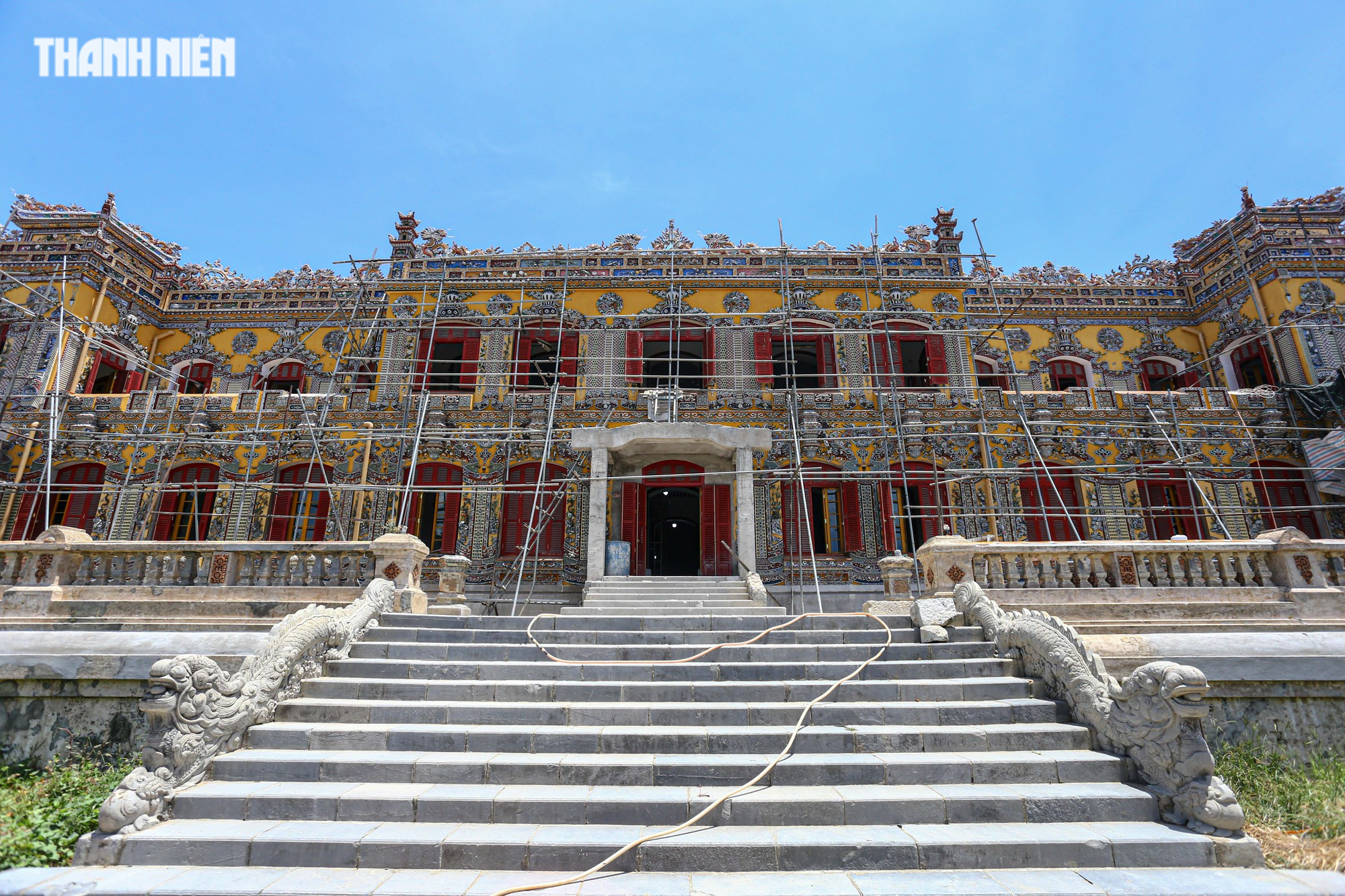
The exterior of the palace is distinguished by its unique patterns inlaid with ceramic tiles in various vibrant colors and themes. This is also a highlight of the structure.
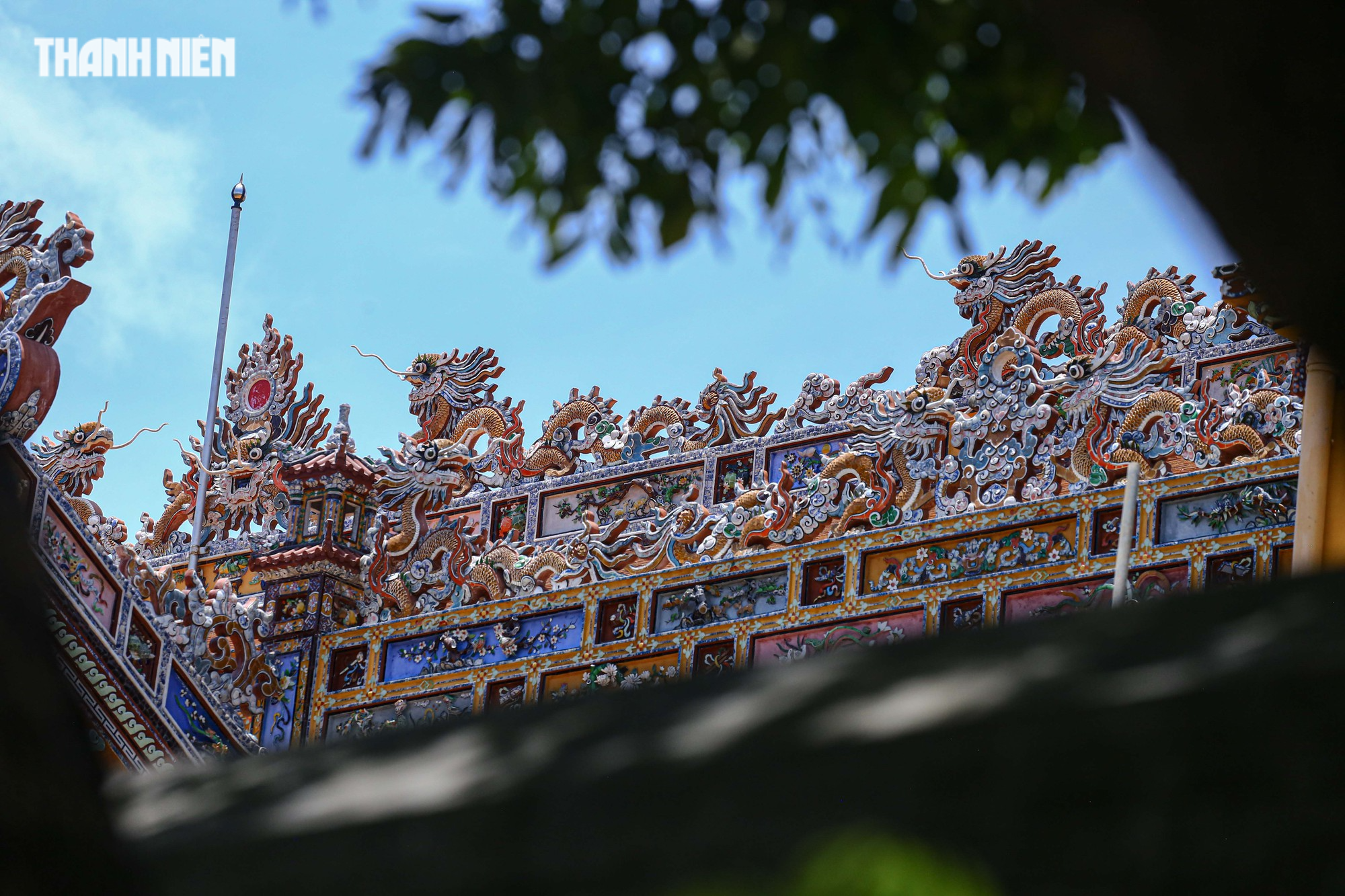
The roof has been adorned with decorative details and patterns that reflect the distinctive style of imperial court art, creating a unique aesthetic trend.
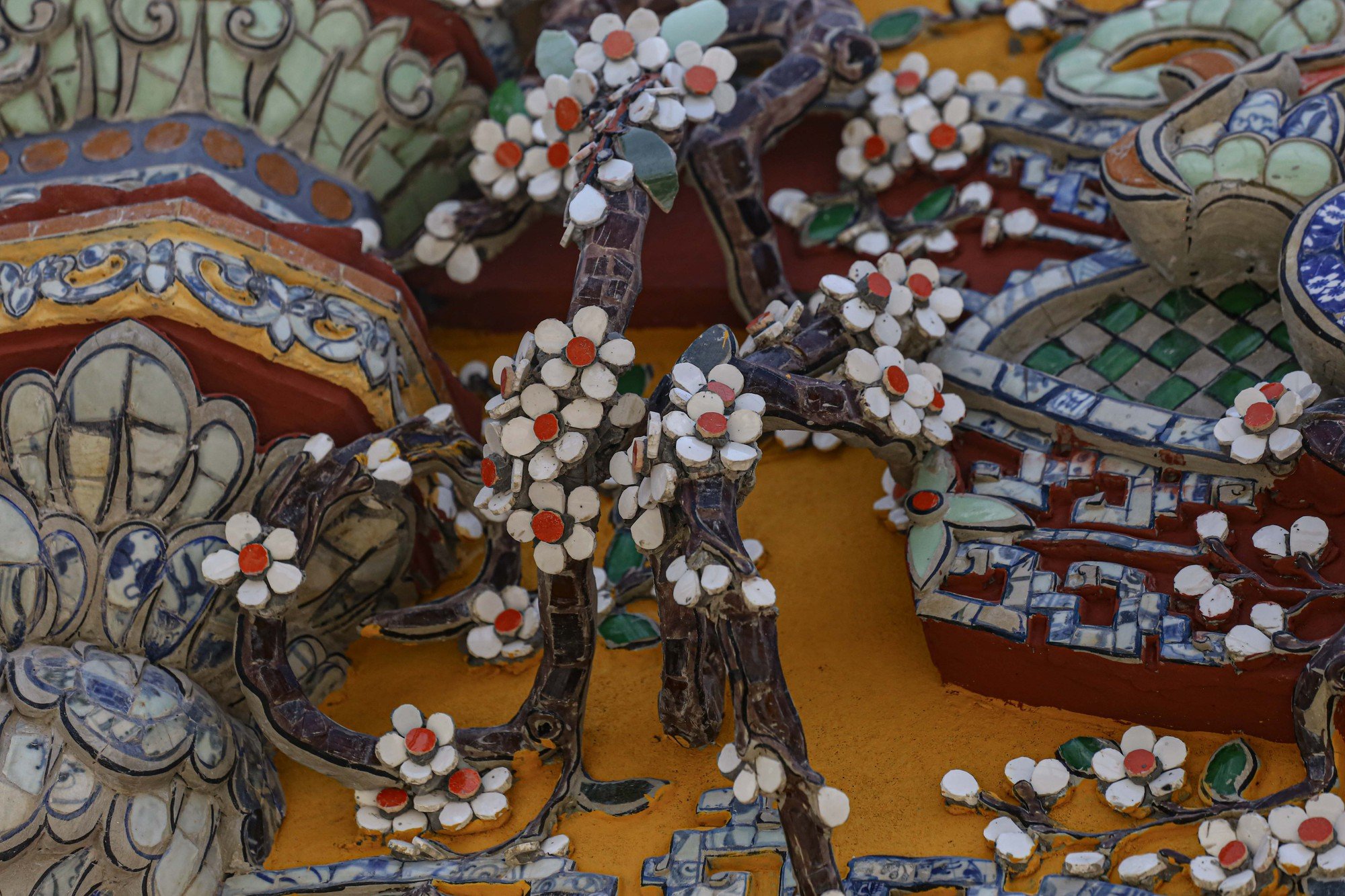
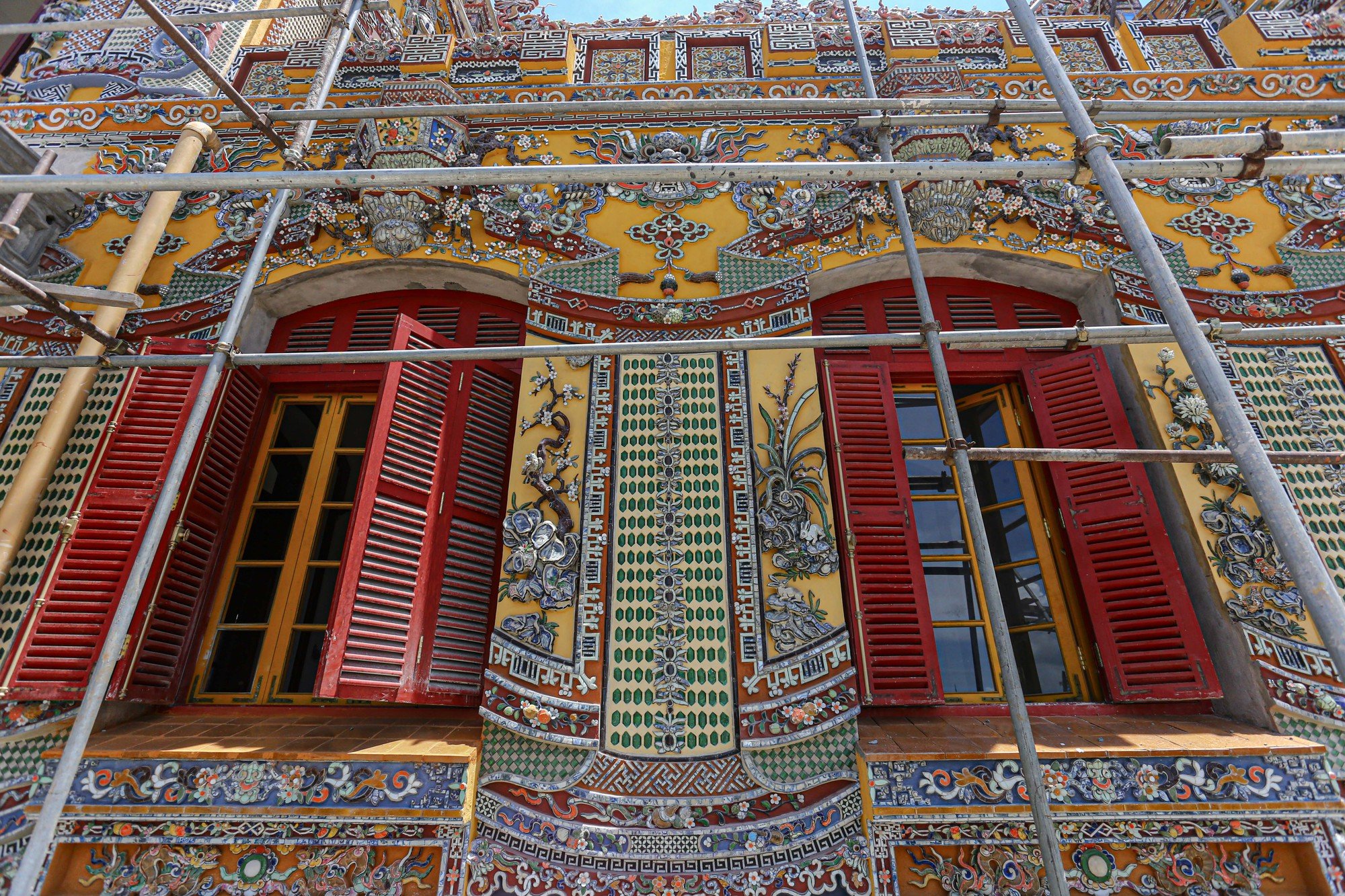
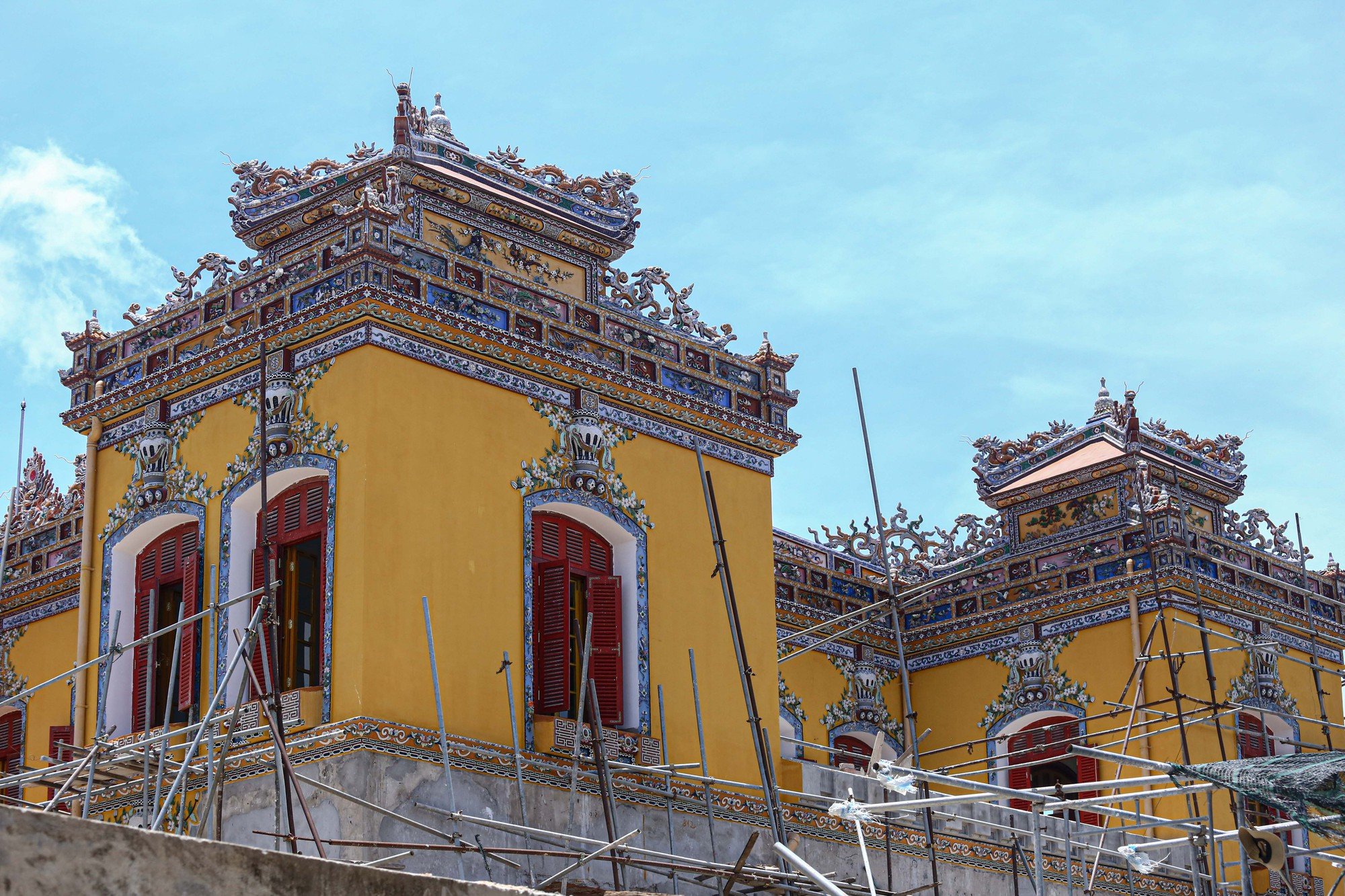
The mosaic work at this temple is approximately 80% complete.
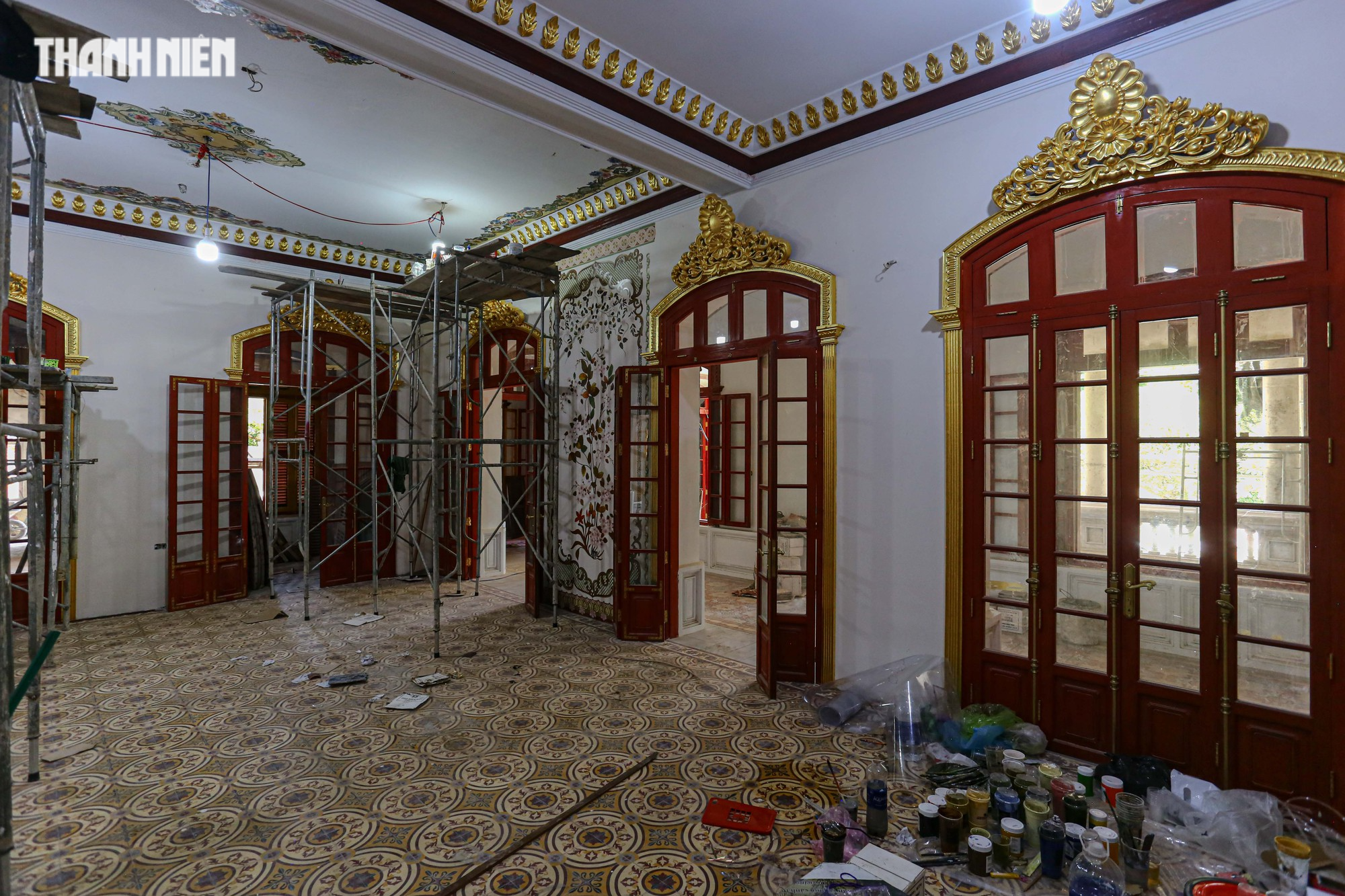
Inside the palace, the architectural elements of the rooms have been painted white; the decorative motifs on the walls and ceilings of each room in Kien Trung Palace are being meticulously recreated by artists based on ancient documents.
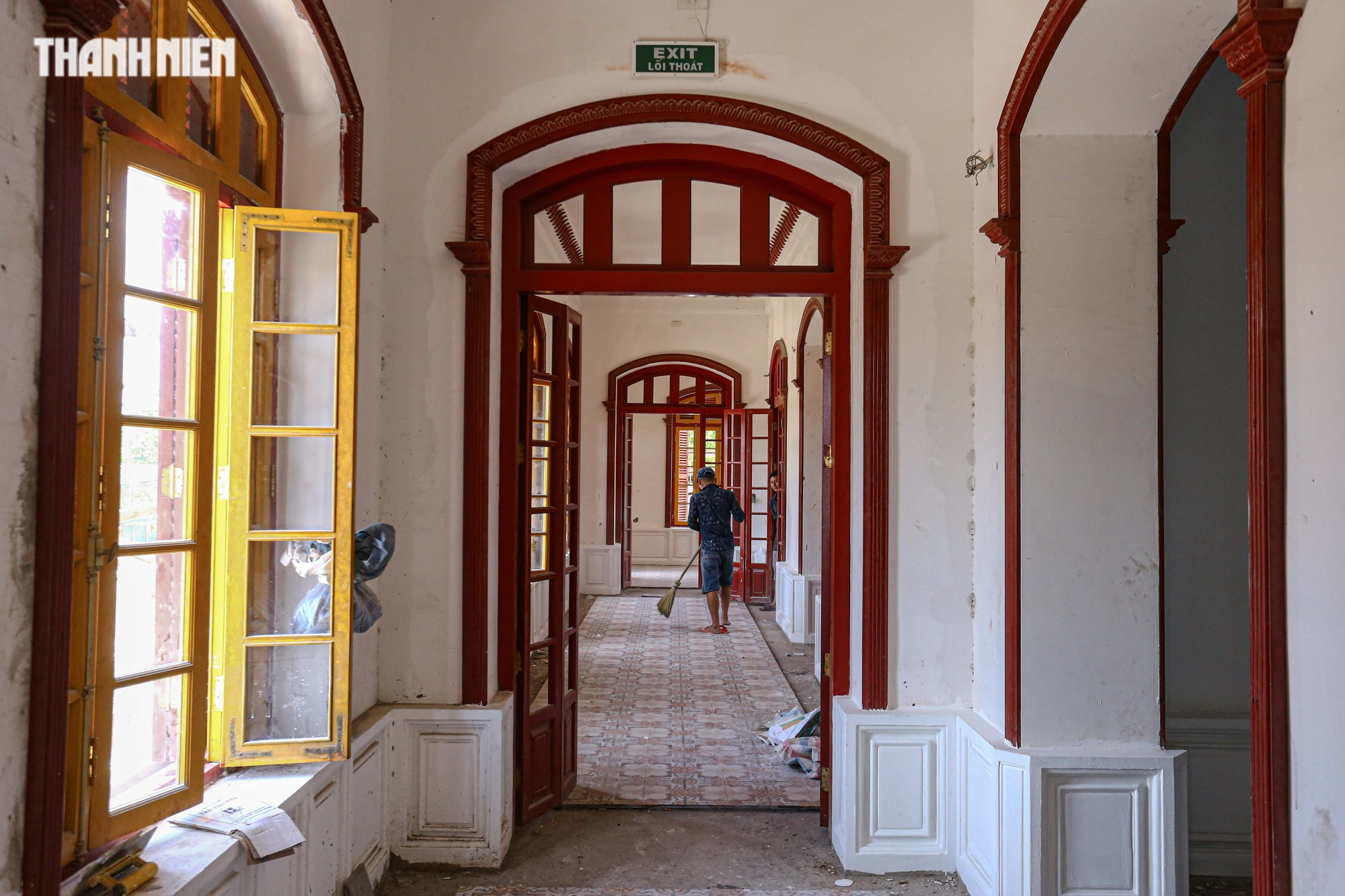
Workers are cleaning the hallway on the first floor of the temple in preparation for painting the walls.
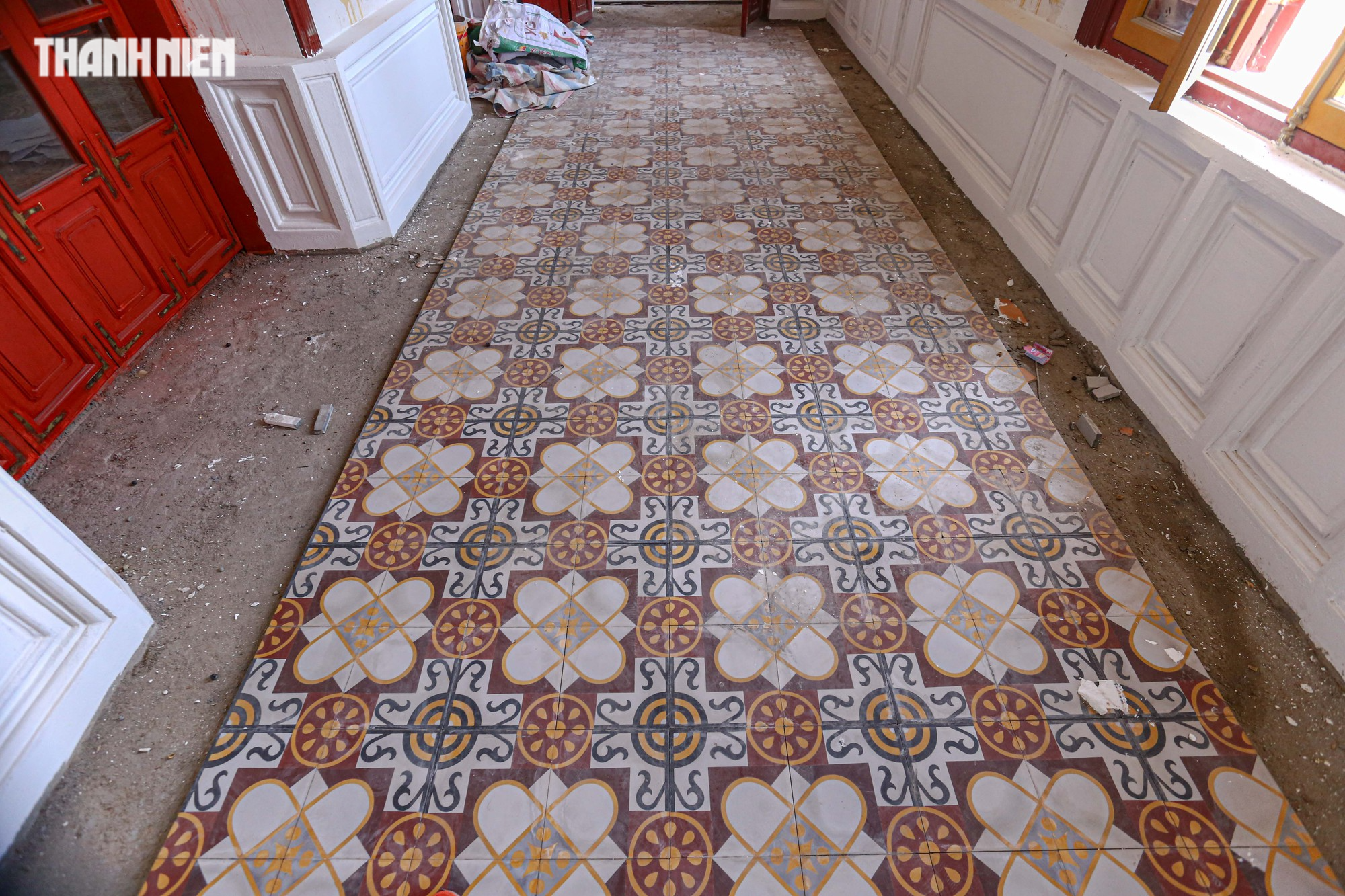
The brickwork is over 80% complete, creating the characteristics of an Indochinese-style building with a blend of Asian and European influences.
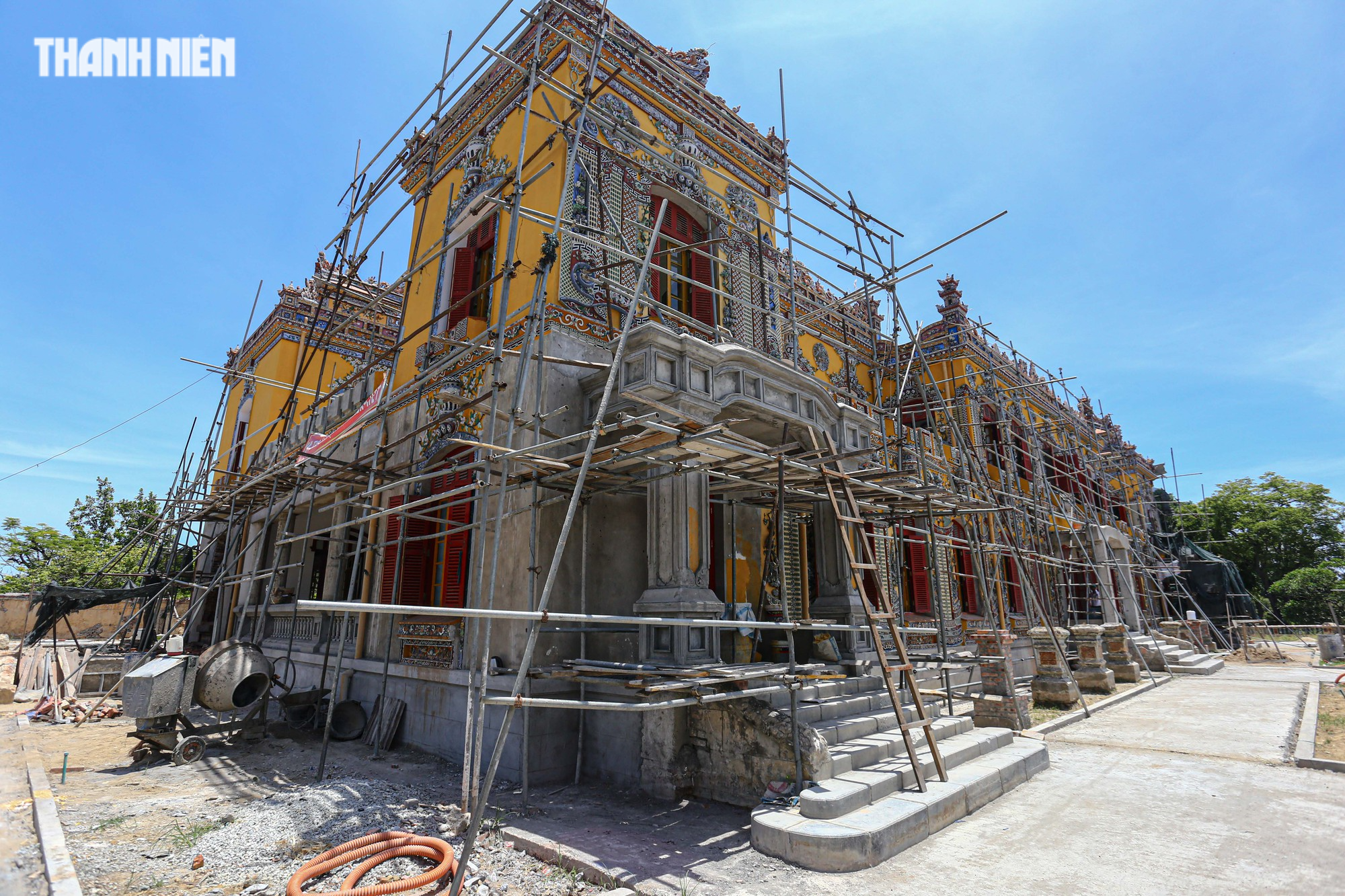
According to the Hue Ancient Citadel Conservation Center, Kien Trung Palace is expected to be completed by the end of 2023.
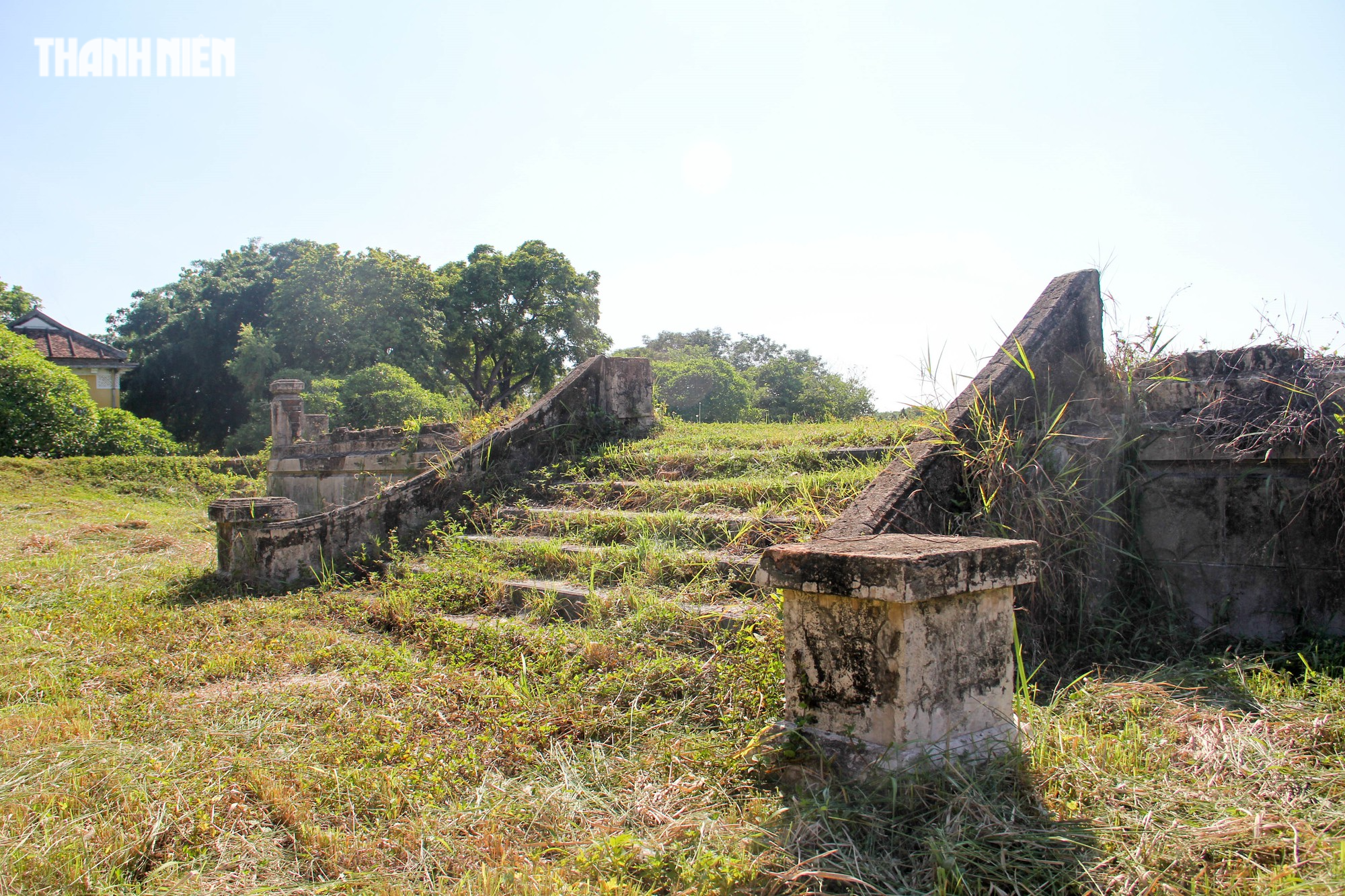
The photo was taken in 2018, when Kien Trung Palace was just a dilapidated foundation.
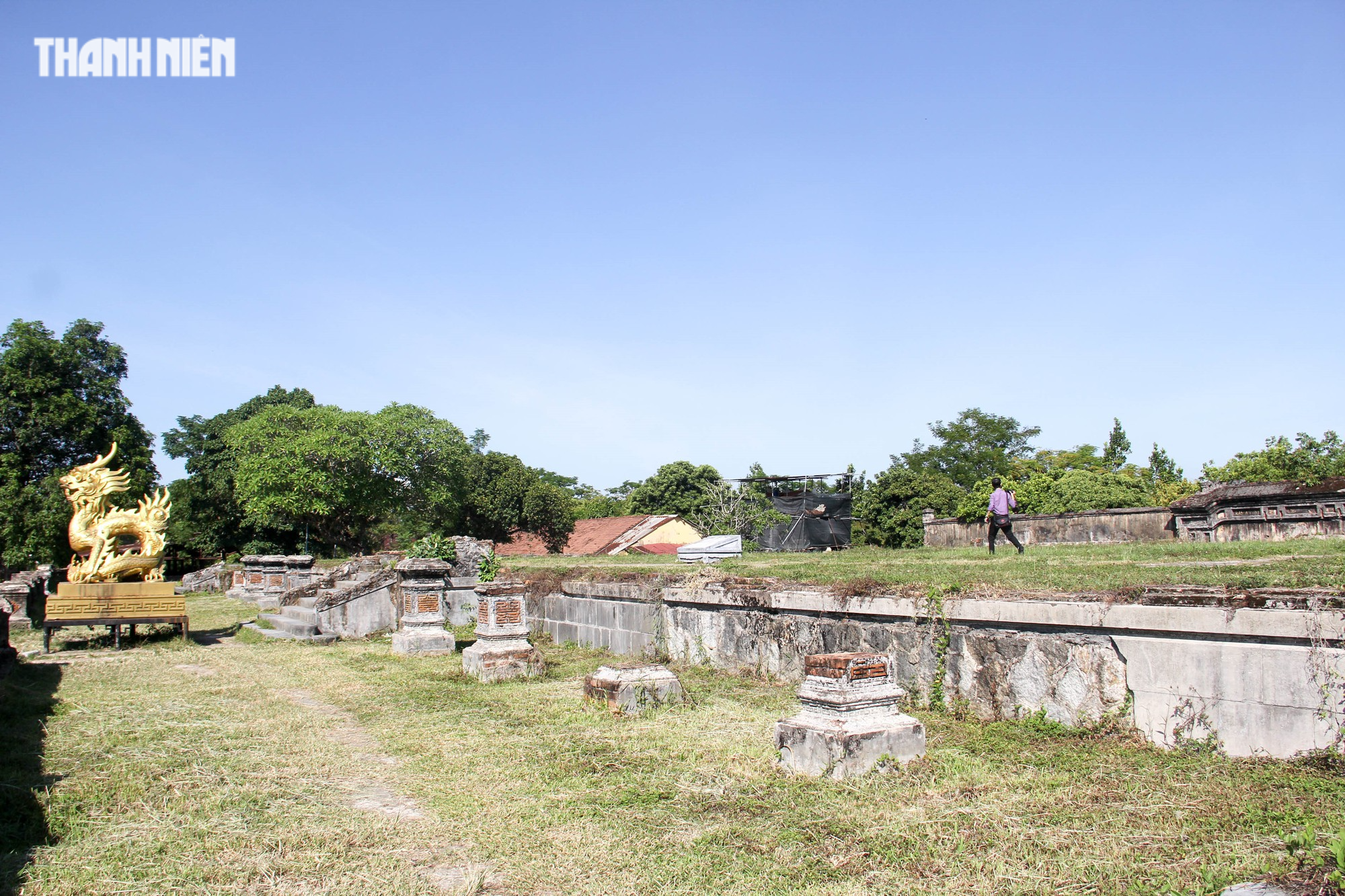
In 1947, due to the impact of war, Kien Trung Palace became a ruin.
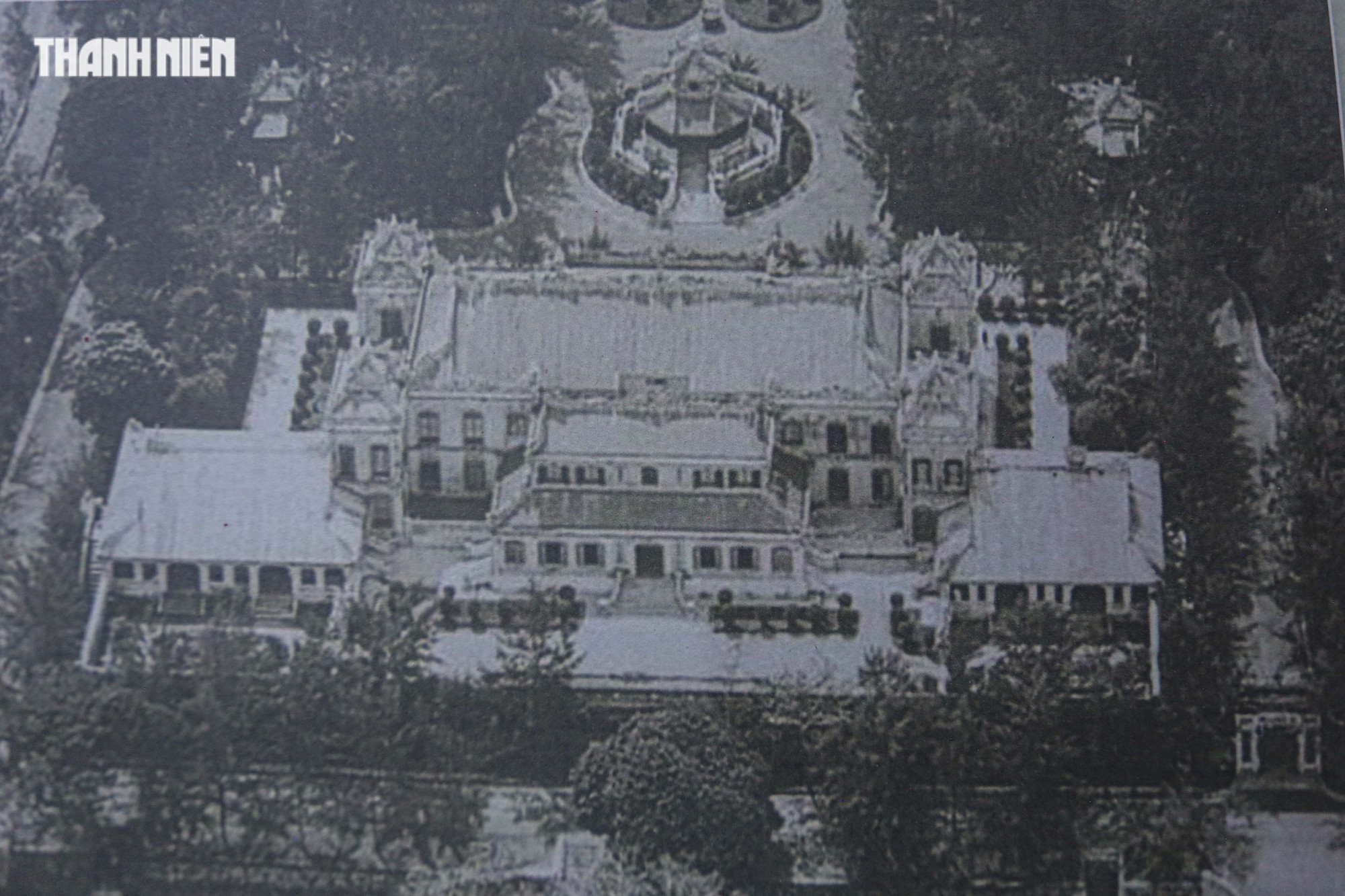
Kien Trung Palace, along with Thai Hoa Palace, Can Chanh Palace, Can Thanh Palace, Khon Thai Palace, etc., are important historical sites located on the sacred axis of the Forbidden City during the Nguyen Dynasty. Construction of this complex began in 1921 and was completed in 1923, during the reign of Emperor Khai Dinh.
ARCHIVE PHOTOGRAPH
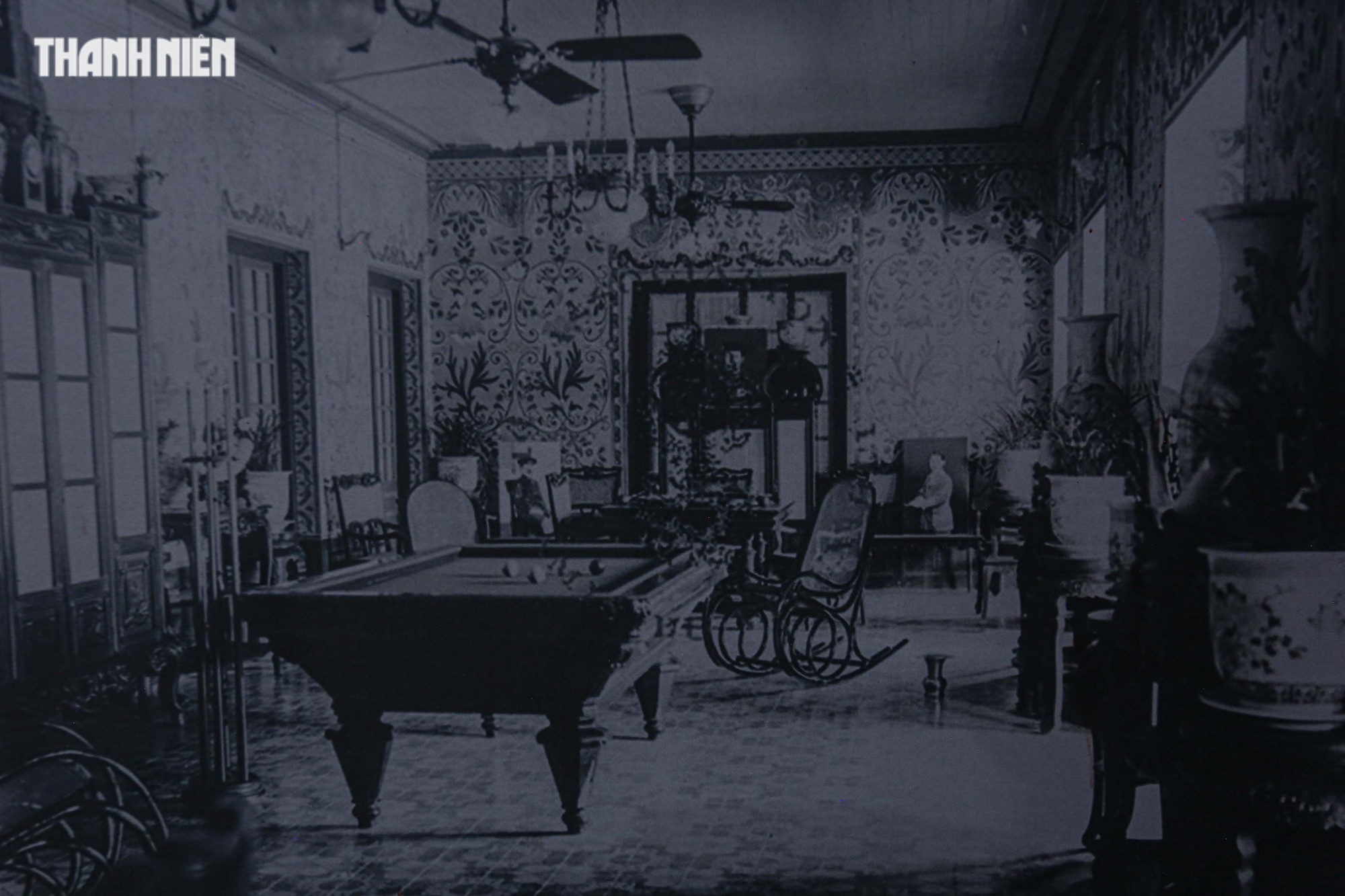
During the reign of Emperor Bảo Đại, in 1932, the emperor ordered the renovation of the palace's interior, adding many Western amenities. Kiến Trung Palace is a significant landmark, marking a unique and distinctive period that complements the imperial architecture of Huế.
ARCHIVE PHOTOGRAPH
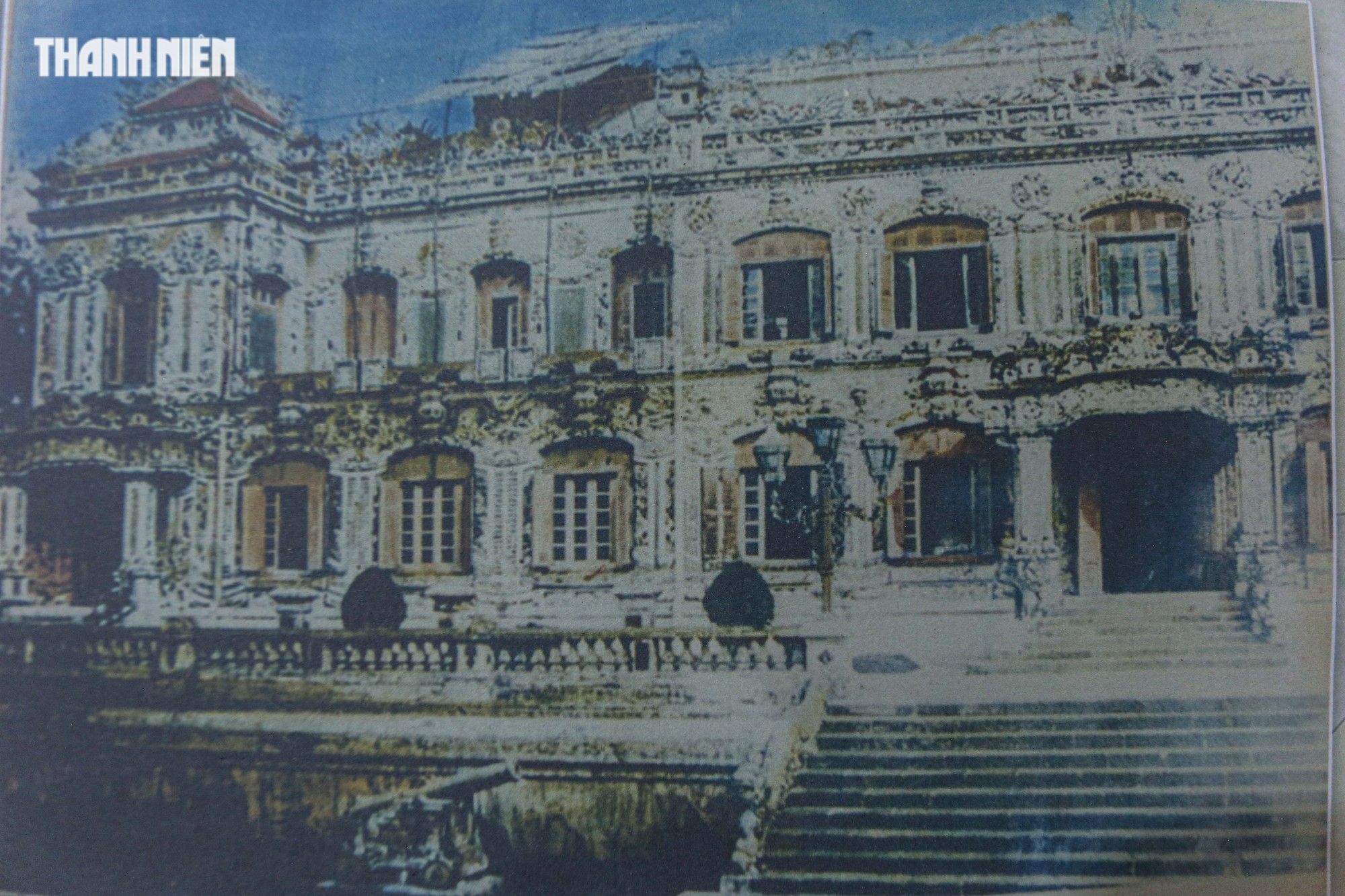
According to historical documents, after the success of the August Revolution, on August 29, 1945, Kien Trung Palace became a witness to the event where King Bao Dai had his first meeting with the Provisional Government Delegation to officially discuss his abdication, handing over the reins of power to the Provisional Revolutionary Government of the Democratic Republic of Vietnam.
ARCHIVE PHOTOGRAPH
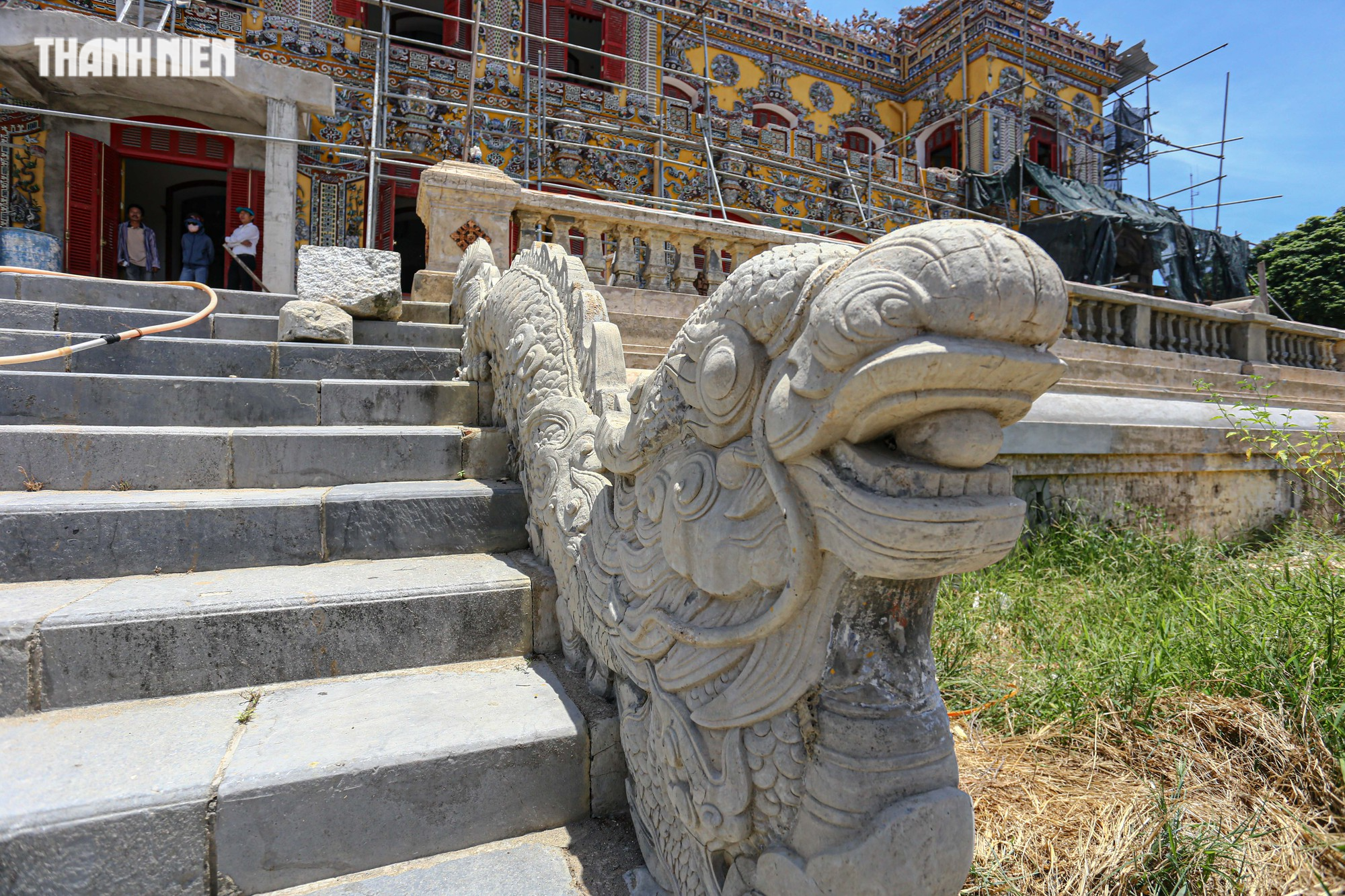
After years of research, in February 2019, the Hue Ancient Citadel Relics Conservation Center and specialized agencies commenced the project to restore, renovate, and rehabilitate the Kien Trung Palace. The total investment for the project is nearly 124 billion VND.
Source link


![[Photo] General Secretary To Lam attends the inauguration ceremony of Si Pa Phin multi-level boarding school.](/_next/image?url=https%3A%2F%2Fvphoto.vietnam.vn%2Fthumb%2F1200x675%2Fvietnam%2Fresource%2FIMAGE%2F2026%2F01%2F31%2F1769840655651_ndo_br_z7486540481209-f37c7e00a962aec2a061c64b7db569ef-jpg.webp&w=3840&q=75)


![OCOP during Tet season: [Part 3] Ultra-thin rice paper takes off.](/_next/image?url=https%3A%2F%2Fvphoto.vietnam.vn%2Fthumb%2F402x226%2Fvietnam%2Fresource%2FIMAGE%2F2026%2F01%2F28%2F1769562783429_004-194121_651-081010.jpeg&w=3840&q=75)


![OCOP during Tet season: [Part 2] Hoa Thanh incense village glows red.](/_next/image?url=https%3A%2F%2Fvphoto.vietnam.vn%2Fthumb%2F402x226%2Fvietnam%2Fresource%2FIMAGE%2F2026%2F01%2F27%2F1769480573807_505139049_683408031333867_2820052735775418136_n-180643_808-092229.jpeg&w=3840&q=75)


Comment (0)