


I work in an office, and lately my memory has been declining.
Doctor, I would like to ask if it's okay for me to eat animal brains (like pig brains) regularly to improve my memory? What should I be aware of? (Thuy Dung, Ho Chi Minh City)
Reply:
The brain is a vital organ in the body; although it only accounts for 2% of body weight, it requires 20% of the body's total energy and oxygen needs. For this organ to function healthily, efficiently, and optimally, it needs a sufficient supply of nutrients.
Folklore often suggests "eating what's good for you," and the most common belief is that eating animal brains, such as pig brains, is beneficial for brain health and memory enhancement. According to the Vietnamese Food Composition Table published in 2007, 100g of pig brain contains 9g of protein, 9.5g of fat (lipid), 7mg of calcium, 0.3g of phosphorus, 1.6mg of iron, and approximately 2,200-2,500mg of cholesterol. Pig brain is one of the animal organs with the highest cholesterol content and an unbalanced nutritional composition compared to other foods, with low protein and iron content. Meanwhile, according to the recommended daily intake of nutrients for Vietnamese people, each person should consume less than 300mg of cholesterol per day.
Eating too much pig brain provides the body with cholesterol in excess of its needs. This may not necessarily be good for memory; on the contrary, it can be harmful to health, especially cardiovascular health. In the long term, eating too much pig brain can lead to the risk of overweight and obesity, atherosclerosis, lipid metabolism disorders, increased uric acid levels, iron deficiency anemia, etc.

Pig brains should only be eaten 1-2 times a week. Photo: Ngo Tuyet Phuong
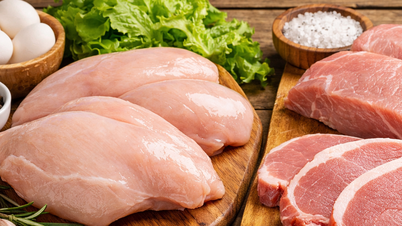
Adults can eat pig brains, but in small, moderate amounts, perhaps only once or twice a week. In addition, you need to provide a diverse and balanced intake of nutrients from other foods such as meats, fish, seafood, eggs, and dairy products for good health.
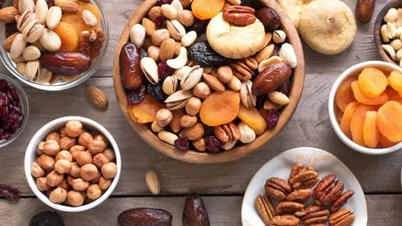
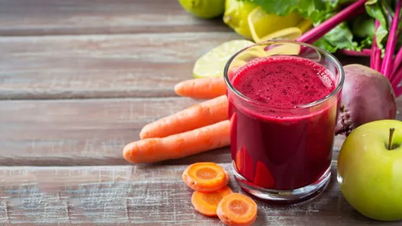
To improve memory, you can supplement your diet with nuts, foods rich in healthy fats like omega-3s, essential vitamins and minerals, and antioxidants from green vegetables and ripe fruits. These foods optimize nutrient supply to the brain, enhancing and maintaining memory and brain function. They also provide overall health benefits for the whole body.
If you suspect unusual signs of memory decline, you should consult a neurologist for appropriate advice and treatment.
Doctor Tran Thi Tra Phuong
Nutrihome Nutrition Clinic System
Source link



![[Image] Current situation of houses precariously balanced due to road leveling in Dong Nai.](https://vphoto.vietnam.vn/thumb/1200x675/vietnam/resource/IMAGE/2026/03/02/1772455749144_ndo_br_z7579763955585-6e80a60471e75768fa835d035eba45ea-6979-jpg.webp)

![[Photo] Procession of a giant "pig" weighing over 200kg at the La Phu Village Festival](https://vphoto.vietnam.vn/thumb/1200x675/vietnam/resource/IMAGE/2026/03/02/1772444501339_anh-man-hinh-2026-03-02-luc-16-40-20.png)


























































![[Photo] National Assembly Chairman Tran Thanh Man receives the First Vice President of the Greek Parliament](https://vphoto.vietnam.vn/thumb/402x226/vietnam/resource/IMAGE/2026/03/02/1772444080600_anh-man-hinh-2026-03-02-luc-16-34-09.png)




































Comment (0)