

The term "smelly" might not be synonymous with fine cuisine , but some dishes that stimulate the nose are considered delicacies by many.
Japanese fermentation expert Takeo Koizumi measures the intensity of food odors using a device called an "alabaster," and introduced the concept of "alabaster units," or AU, in his book *Fermentation is Power*.
AU is not an international unit of odor, so it should only be used for reference.
Below are the 10 most foul-smelling foods in the world, as measured in AU by expert Takeo Koizumi.
Surströmming - 8070 AU
Surströmming is a canned, salted, and fermented herring product originating from Sweden.
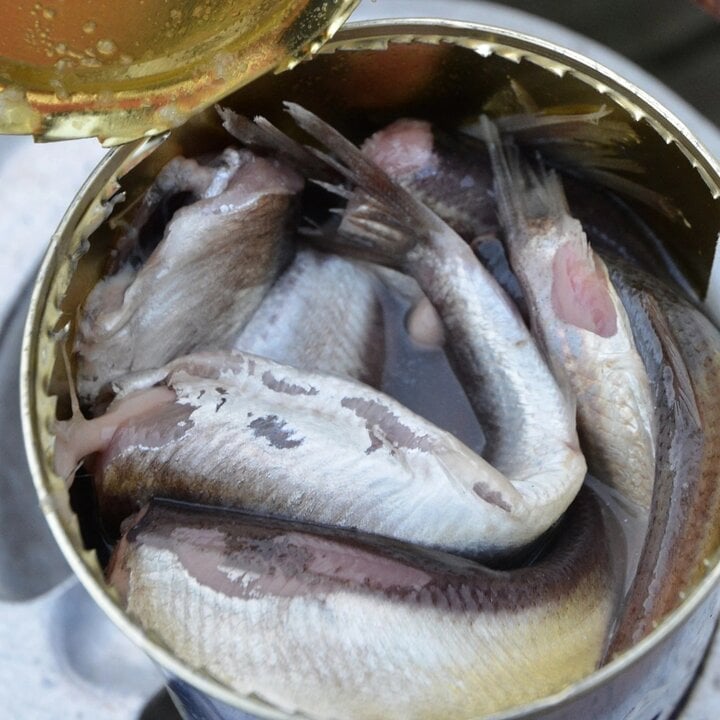
This canned herring from Sweden smells incredibly bad, but it's a favorite among many diners. (Photo: Shutterstock)
Its pungent spiciness comes from the protein of the herring being fermented in a low-salt environment, creating compounds with a very unpleasant odor.
Despite its unpleasant smell, food enthusiasts are still drawn to this dish by its rich flavor.
Hongeo-hoe - 6230 AU
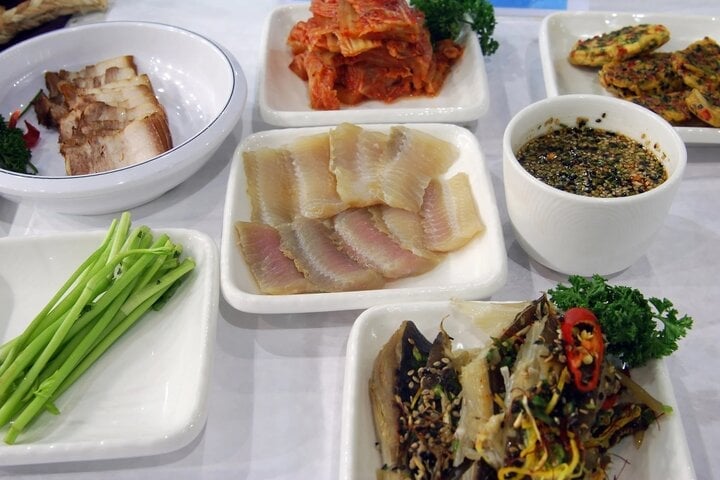
Fermented stingray, also known as hongeo-hoe in Korea, smells like ammonia. (Photo: Shutterstock)
Hongeo-hoe is a fermented stingray dish from South Korea that smells like ammonia. The foul odor emanates from the urea in the stingray's body, and is described as reminiscent of an open-air toilet.
Epicurean cheese - 1870 AU
This type of New Zealand hard cheese typically undergoes a three-year aging process in wooden barrels.
During this stage, lactic acid bacteria (lactobacilli) are activated and ferment, causing the cheese to liquefy and release carbon dioxide and hydrogen sulfide. These gases create the strong odor.
Kiviak – 1370 AU
Kiviak is a traditional winter dish of the Inuit people in Greenland, made from small auk birds (a type of seabird) fermented in seal skin.
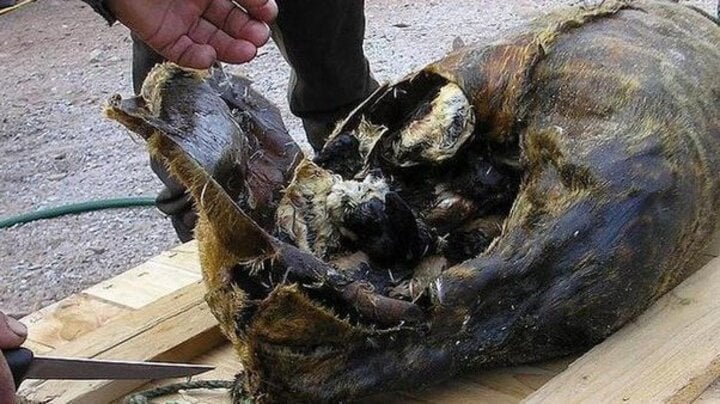
Kiviak is a dish that challenges both the visual and olfactory senses of diners. (Photo: SCMP)
The processing involves stuffing up to 500 whole auk birds into seal skins, removing the air, sealing them with fat, and fermenting them for three months.
Fermented birds are eaten during the Arctic winter and are often featured at celebratory occasions such as birthdays and weddings.
Kusaya - 1267 AU
Kusaya is a type of salted, dried, and fermented fish originating from Japan.
To prepare Kusaya, a type of fish called mackerel is soaked in brine and then sun-dried.
The secret to Kusaya's distinctive pungent smell lies in its brine, made from fermented fish organs and blood mixed with seawater.
Funazushi – 486 AU
Funazushi is a Japanese dish made by mixing salted fish and rice together, fermenting them with lactic acid, then discarding the fermented rice and keeping only the fish.
This dish is rich in probiotics, minerals, and vitamin B1, and was formerly used as a source of energy.
Funazushi are thinly sliced and enjoyed as a snack with sake.
Natto - 452 AU
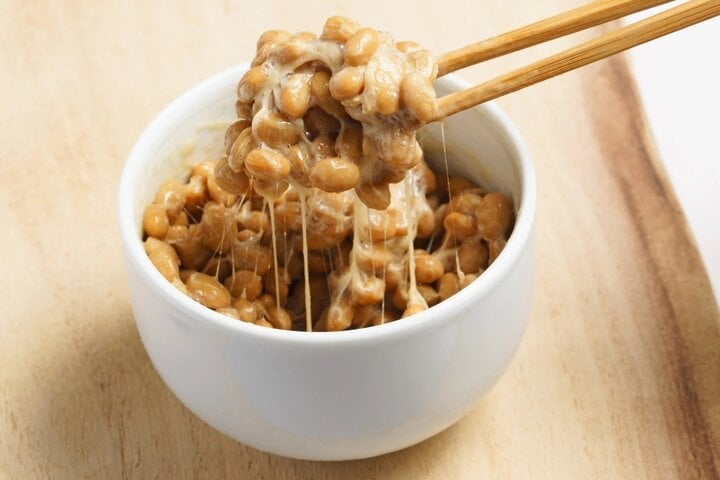
Natto is a popular food in Japan. (Photo: Shutterstock)
Natto, another traditional Japanese fermented food, is a nutritious dish made from soybeans fermented with natto bacteria.
Natto has a strong smell and a sticky texture.
This dish is usually eaten cold with rice, mixed with soy sauce or karashi mustard. Records suggest that the Japanese have been eating natto for over 1,000 years.
Kusaya - 447 AU
Kusaya is a type of salted, dried, and fermented fish that becomes more pungent after grilling and is often served with sake or shochu.
Dried pickled radish - 430 AU
This Japanese dish, with its crispy texture, is usually sliced thinly and given a yellow color by the addition of turmeric.
White radishes used for pickling contain more sulfites, which release a strong odor during the fermentation process.
Stinky tofu - 420 AU
Stinky tofu is a Chinese dish with a distinctive, pungent smell, made from fermented tofu.
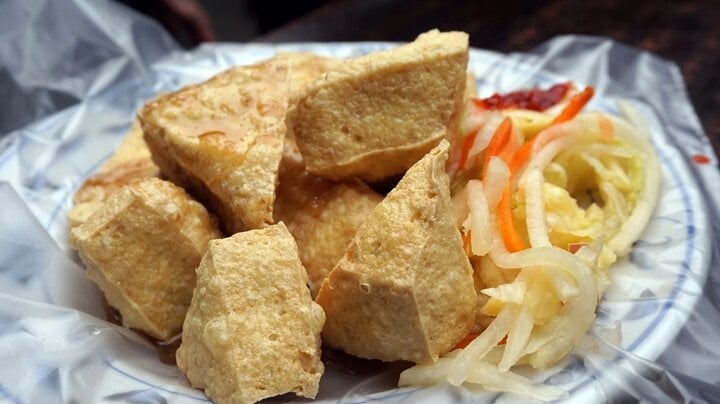
Stinky tofu smells bad, but if you hold your nose, it tastes delicious. (Photo: Shutterstock)
In China, stinky tofu is commonly sold at night markets or street food stalls as a snack. It is also served as a side dish in lunch restaurants.
Traditionally, stinky tofu was fermented in brine with vegetables and meat for months. However, in modern times, tofu is usually only fermented for one or two days.
Source
![[Photo] General Secretary To Lam working with Ambassadors and Heads of Vietnamese representative offices abroad attending the 14th National Congress of the Party](/_next/image?url=https%3A%2F%2Fvphoto.vietnam.vn%2Fthumb%2F1200x675%2Fvietnam%2Fresource%2FIMAGE%2F2026%2F01%2F25%2F1769334314499_image.jpeg&w=3840&q=75)





Comment (0)