

Hot and unpredictable weather, often interrupted by rain, increases humidity in the air. This creates favorable conditions for pathogens such as bacteria and viruses to thrive, attack, and cause illness in humans, especially children with weak immune systems.
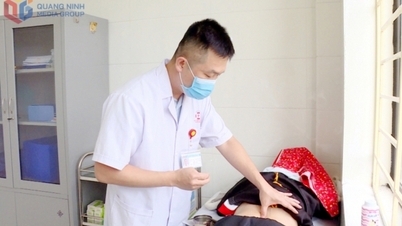
At the Internal Medicine - Pediatrics - Infectious Diseases Department (Dam Ha District Health Center), in May and the first few days of June (up to June 15, 2023), many children were treated for influenza, diarrhea, and pneumonia (the most common cases were children hospitalized due to viral fever, with 35 cases).

Dr. Chìu Quay Ngằn, Head of the Internal Medicine - Pediatrics - Infectious Diseases Department (Dam Ha District Health Center), said: "During peak heat waves, our department receives many children with viral fever, pneumonia, and diarrhea. On June 10th, the department received the first case of hand, foot, and mouth disease requiring hospitalization since the beginning of the year. Fortunately, the child's family was knowledgeable about hand, foot, and mouth disease and brought the child to the center for emergency treatment in time."
Hand, foot, and mouth disease (HFMD) has seen a significant increase in cases nationwide over the past two months. According to the Ministry of Health , through the infectious disease surveillance system, from the beginning of the year to June 6, 2023, the country recorded 8,995 cases of HFMD; including 3 deaths. In Quang Ninh province, according to surveillance data from the Provincial Center for Disease Control, from the beginning of the year to June 10, 2023, the province recorded 76 cases of HFMD. HFMD commonly affects children under 5 years old, most frequently those under 3 years old, is highly contagious, and is particularly linked to poor personal and environmental hygiene.
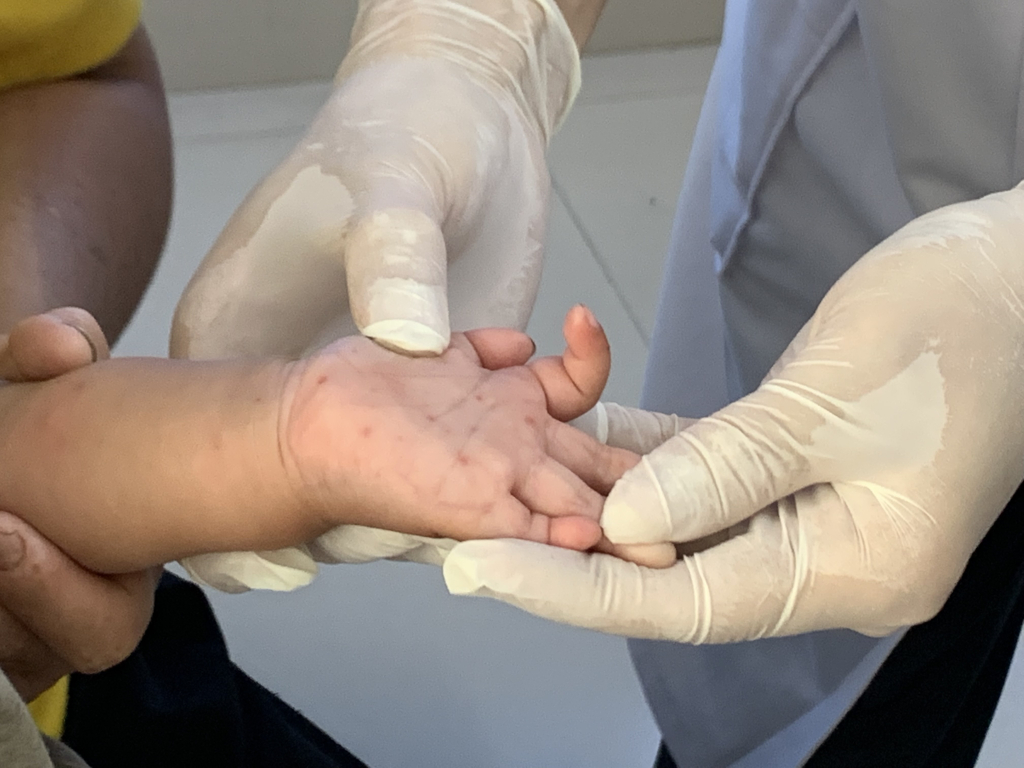
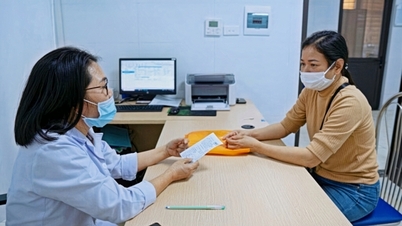
Ms. Ly Sam Mui, mother of 12-month-old La Phuc Nghia, the first child diagnosed with hand, foot, and mouth disease to be hospitalized at the Dam Ha District Health Center, shared: "At home, I saw my child constantly feverish all day, fussy and crying, and then noticed red blisters on the palms and soles of his feet, so I took him to the Health Center for treatment. I haven't seen any children around my neighborhood with this disease. The doctors here have instructed me on how to keep my child clean, ensure he eats properly to recover quickly, and prevent other illnesses in this hot weather."
At Bai Chay Hospital, the number of children admitted has also increased during the hot weather. On average, the Pediatrics Department receives 15-20 new patients daily. Common illnesses during this period include respiratory diseases such as pneumonia, bronchitis, otitis media, rhinitis, pharyngitis, and sinusitis; and gastrointestinal diseases such as acute diarrhea caused by viruses or bacteria, or food poisoning. Notably, there have been cases of severe dehydration due to diarrhea leading to shock, and severe pneumonia requiring prolonged treatment.
Dr. Nguyen Thi Son, Deputy Head of the Pediatrics Department (Bai Chay Hospital), said: Some unusual signs in children during hot weather that parents need to be aware of and take them for timely examination and treatment include: high fever; frequent coughing, difficulty breathing, rapid breathing or unusual breathing sounds; frequent vomiting, inability to eat or drink; headache, convulsions, altered consciousness, confusion; loose stools, bloody stools. Families should pay attention to keeping children outdoors during peak hot weather hours (approximately 9 am - 4 pm). At the same time, children should drink enough water, eat plenty of foods containing vitamins, ensure food is fresh and not spoiled; avoid contact with people who are sick with fever; adjust air conditioning to 27-28 ° C, not too different from the outside temperature, and especially avoid going in and out of air-conditioned rooms constantly because sudden temperature changes can affect children's health.
To best protect children during the hot season, families should proactively ensure their children receive all available vaccinations to prevent dangerous infectious diseases; guide them in practicing age-appropriate sports ; and supplement their daily meals with nutrients to boost their immunity.
Source

![[Photo] Memorable moments at the 10th Vietnam-China Border Defense Friendship Exchange](https://vphoto.vietnam.vn/thumb/1200x675/vietnam/resource/IMAGE/2026/03/20/1773986226876_giao-luu-bien-gioi-vntq-lan-10-ben-tq-9737-4225-jpg.webp)




































































Comment (0)