

(NADS) - Local authorities face many concerns and challenges in planning and implementing solutions to preserve and maintain the current status quo of the Cai Rang floating market, an intangible cultural heritage, in the coming period.
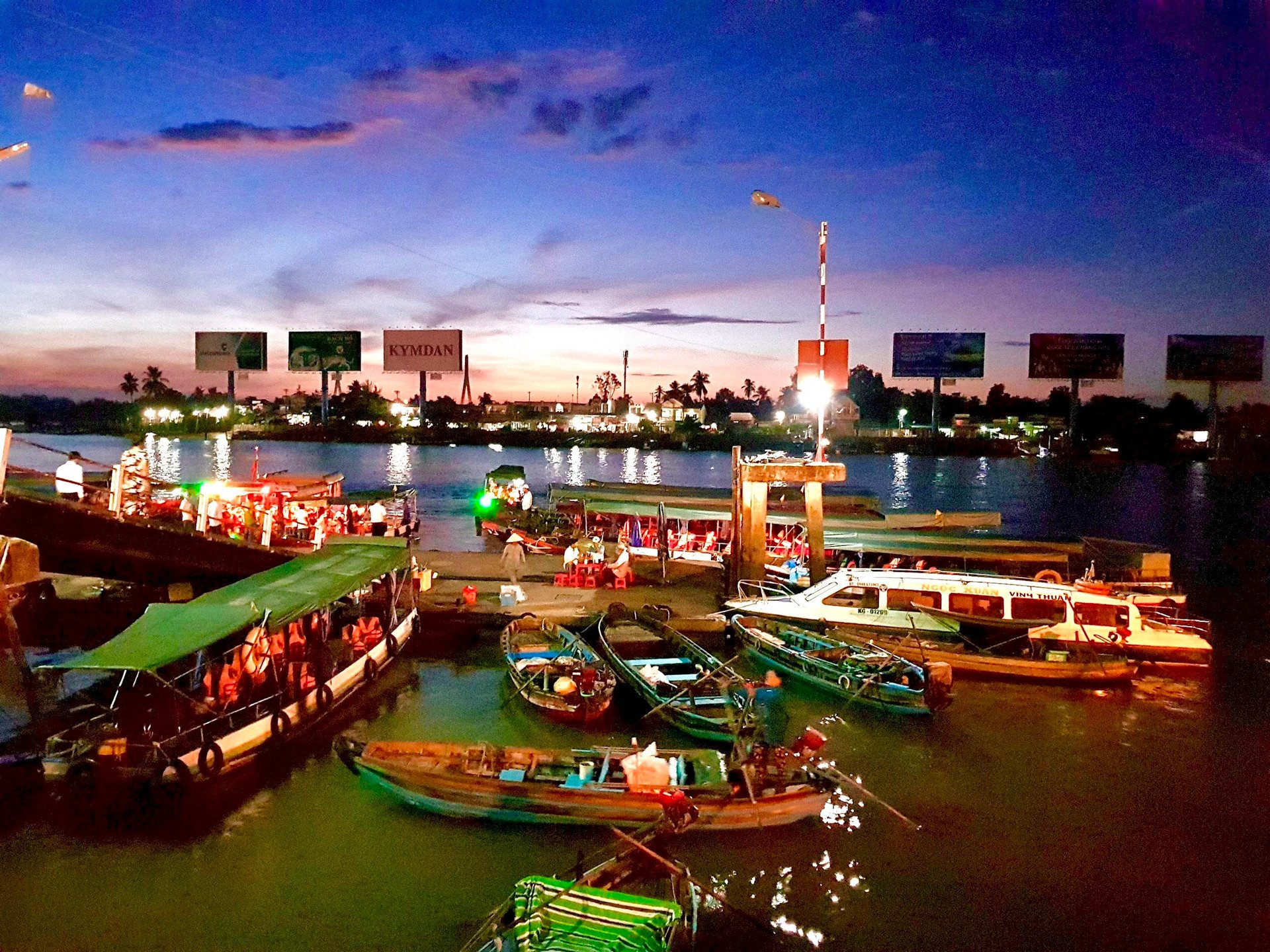
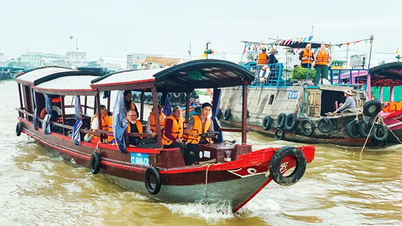
When mentioning Can Tho, almost everyone will be introduced to a famous tourist destination: Cai Rang Floating Market (recognized as a National Intangible Cultural Heritage by the Ministry of Culture , Sports and Tourism in 2016). Operating as a group market around the beginning of the 20th century, on a large stretch of river nearly 1500m long and 200m wide, it facilitated the buying and selling of goods between the provinces of the Mekong Delta at that time when the road transport system was not yet developed. Taking advantage of the terrain with many canals forming vital routes between Can Tho and provinces such as An Giang, Tra Vinh, Soc Trang, etc., local people and merchants from all over flocked here, creating the most bustling waterway trading area in the Southwest of Vietnam.
The market was bustling from midnight until dawn.
We remain immersed since the middle of the sunset.
I hung up the sign at Cai Rang Ba Lang.
We are traders from Vam Xang, Can Tho.
(Author: Huynh Kim)
According to scholar Vương Hồng Sển in his book "Dictionary of Southern Vietnamese Dialect," the name "Cái Răng" is the only place name he knows that begins with the word "Cái." The story begins with the Khmer word "kran," which literally means "cà ràng ông Táo" (cà ràng ông Táo), referring to a type of clay stove made by the Siamese, which the Khmer imitated. The Vietnamese in the Hậu Giang region then bought them and sold them in the market, and over time, the pronunciation changed to Cái Răng. Similarly, the French book "Le Cisbassac" and many other books, some dating back to ancient times, record it as "Krêk Karan: Cái Răng Canal." In the past, the Khmer people in Tri Tôn commune specialized in making clay pots and karan, filling large boats with them and sailing down the Cái River to this spot to sell. Year after year, the pronunciation of karan evolved into Cái Răng, becoming the permanent place name.
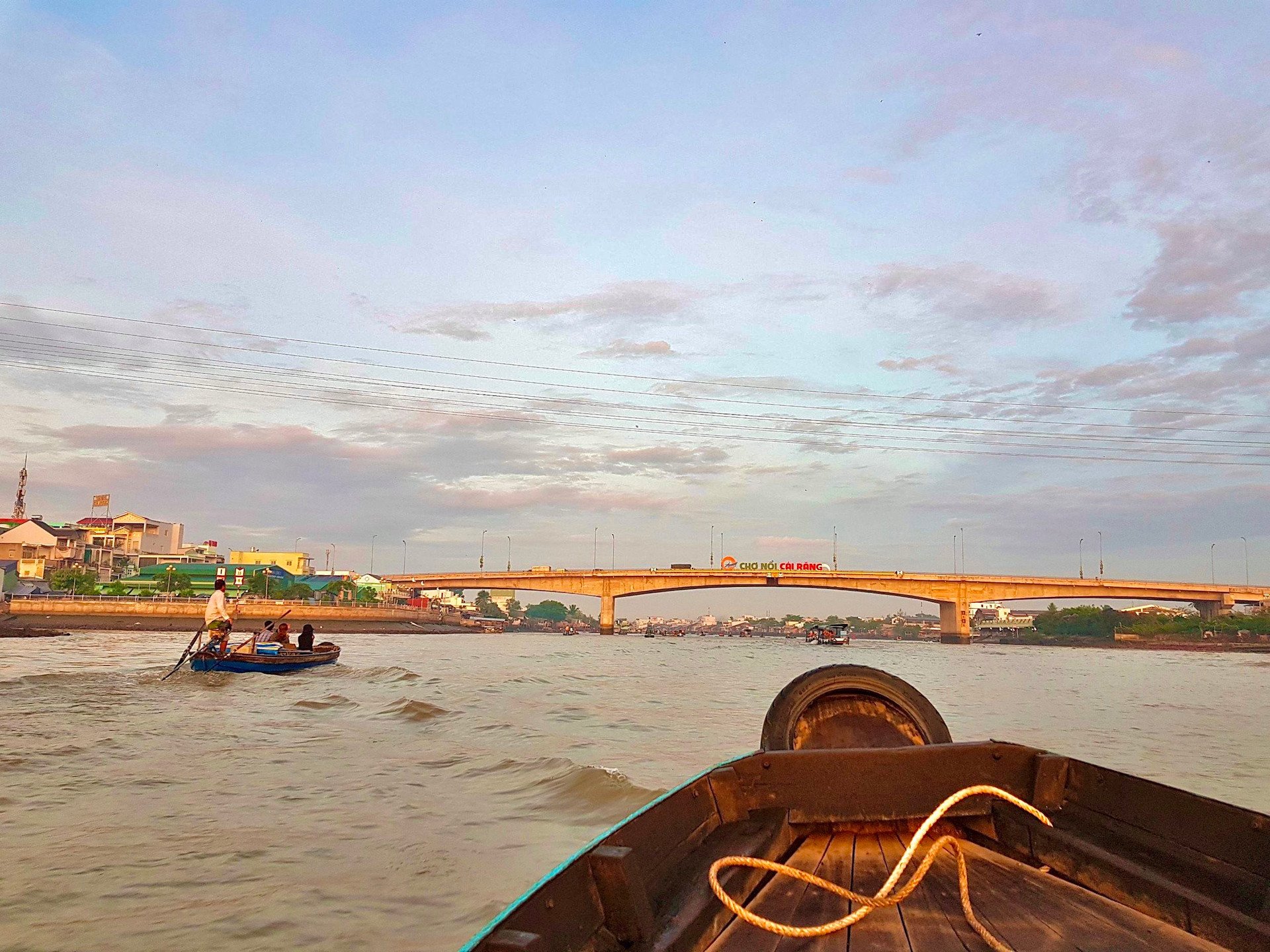
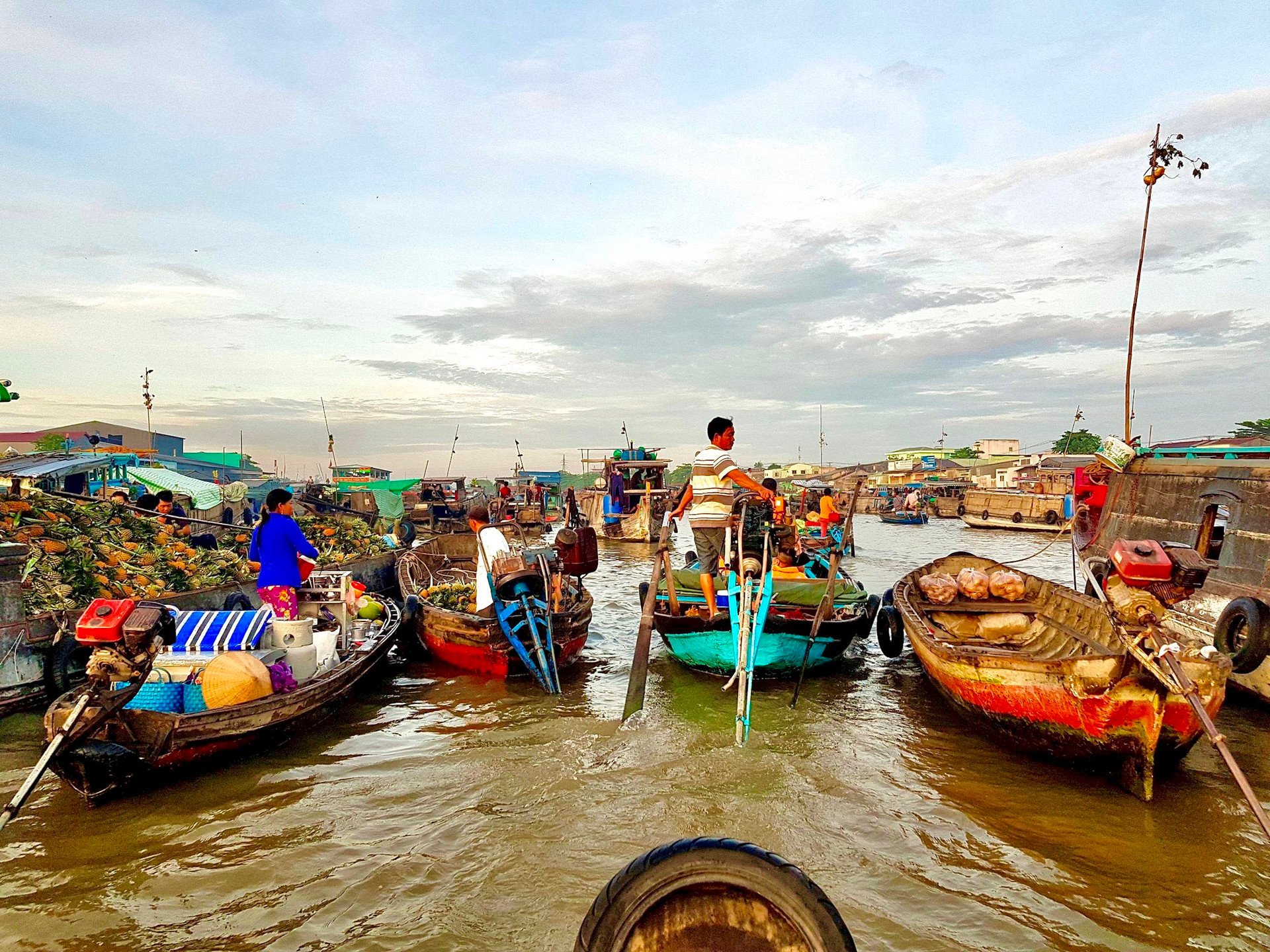
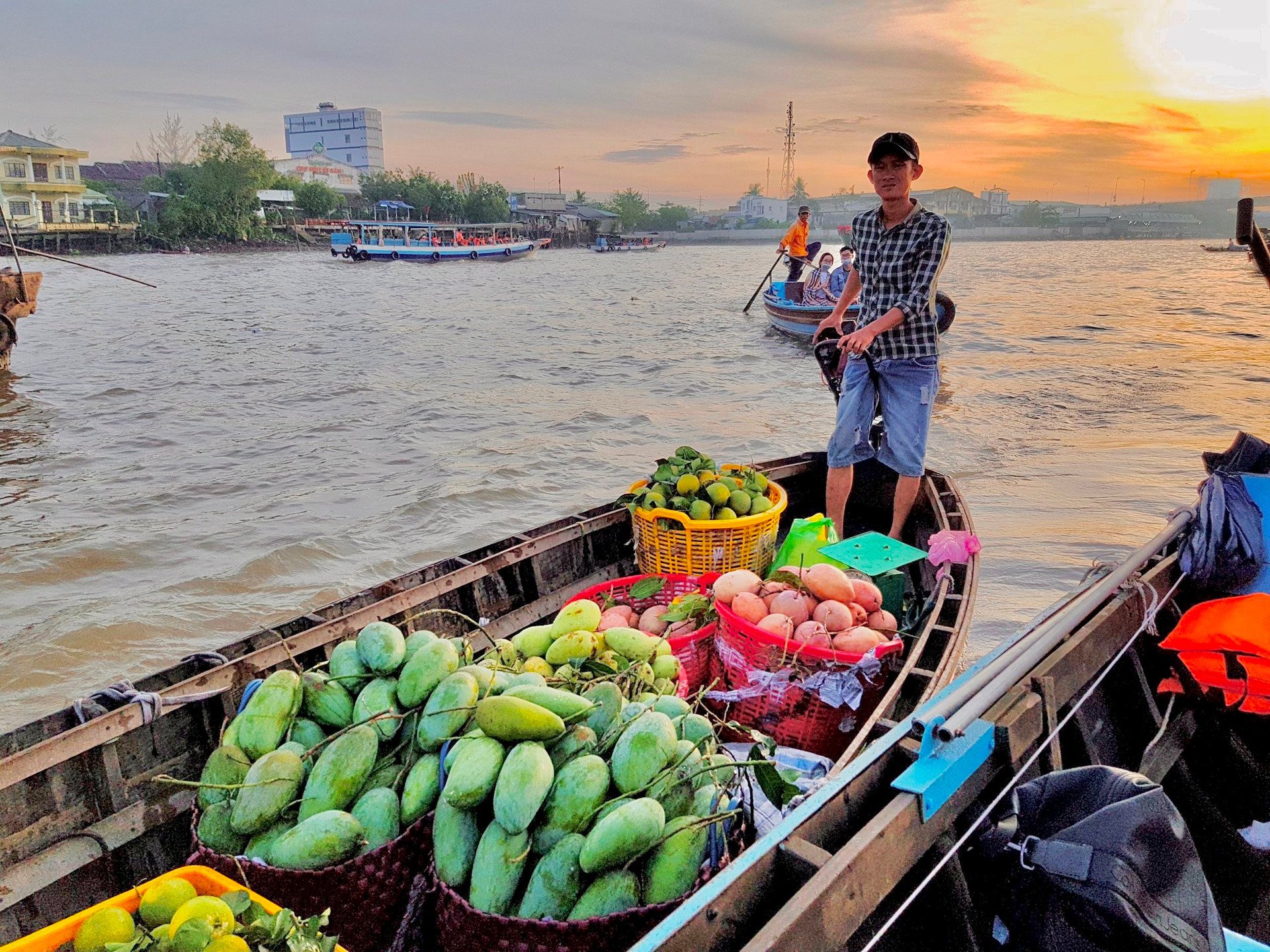
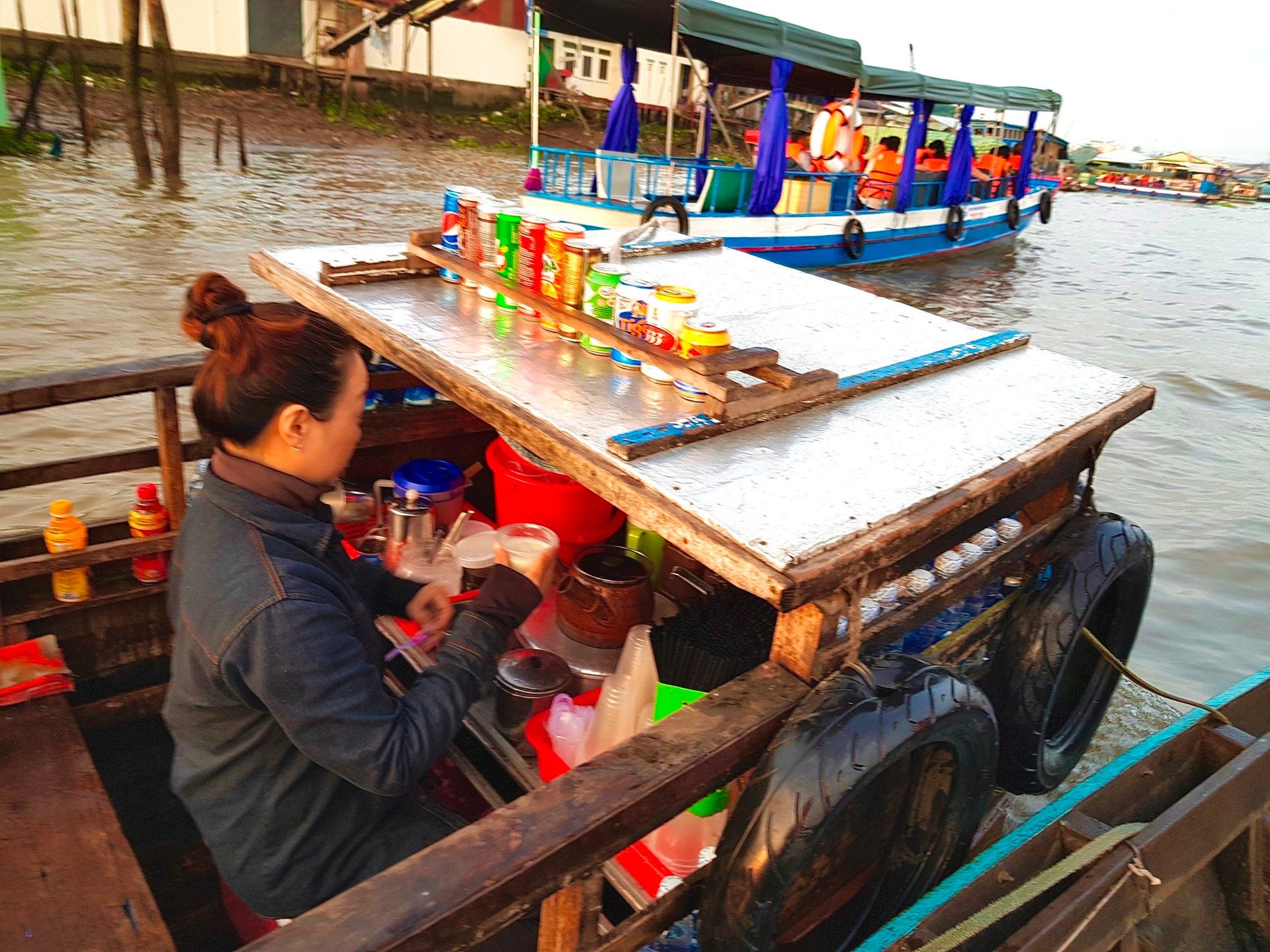
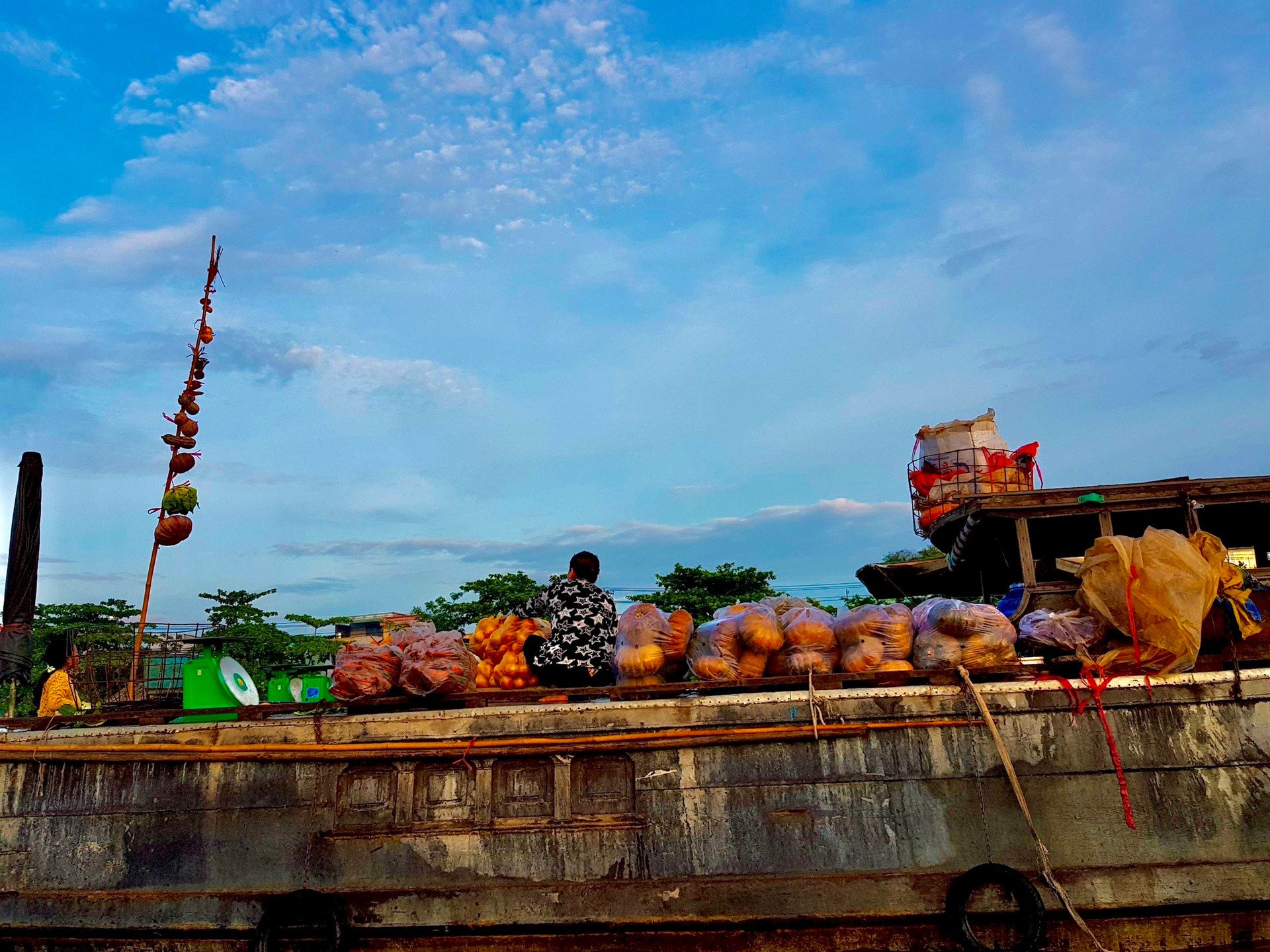
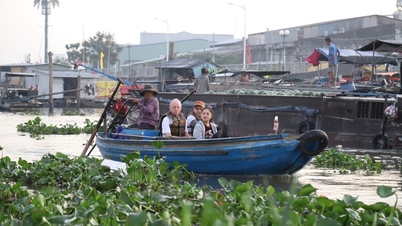
The riverine civilization of Southern Vietnam flourished thanks to countless people who spent their entire lives and generations on boats, which served as homes for entire families on the water, from infants to children, adults, and the elderly, much like a small garden with chickens and dogs. Today, with the increasing urbanization and modernization of society, these families are becoming less common, and people have more stable lives, no longer living precariously on the waterways as was once a common sight.
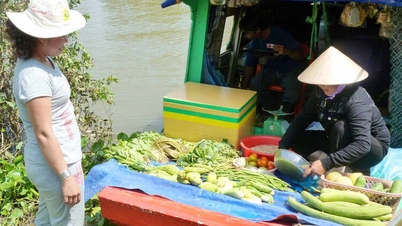
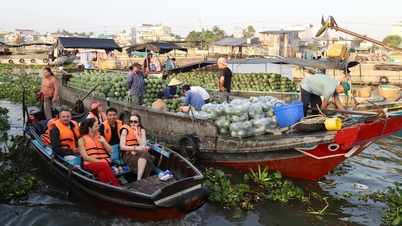
With the government investing in expanding road infrastructure, Can Tho has now become a major city. As a result, many floating market traders have sold off their boats and moved to mainland markets to conduct business, as the economic benefits remain unchanged. Visiting Cai Rang market now, you'll see a bustling array of small services like drinks and food catering to tourists. The number of local and neighboring province's trading boats, which were once numerous, has significantly decreased.
During holidays or even on ordinary days, tourists almost outnumber traders, and the floating market now mainly survives thanks to visitors from all over the world, including foreigners. A few decades ago, the Cai Rang floating market had 500-600 boats and ships. Currently, there are only about 350-400 boats and ships left (according to the Institute of Economics and Social Sciences of Can Tho City). Research by experts suggests that, theoretically, if the number of boats and ships continues to decrease by 20-30 each year, the Cai Rang floating market will disappear by 2040. Facing numerous difficulties and challenges regarding the cultural heritage of the floating market, local authorities have begun planning and implementing solutions to preserve it while maintaining its current state and making adjustments in the future.
Besides the unique features of the riverine region, it is the simplicity and generosity of the people here that captivates those who have visited, making them want to return, drawn by the charm of the culture and the warmth of the people.
Source link

![[Image] Close-up view of the interchange connecting the two expressways and Long Thanh Airport.](https://vphoto.vietnam.vn/thumb/1200x675/vietnam/resource/IMAGE/2026/05/25/1779703378210_ndo_br_z7863716673926-224453a31600126cce10622af6290afd-4549-jpg.webp)
![[Image] Hanoi's urban life under the challenge of a "scorching hot" environment](https://vphoto.vietnam.vn/thumb/1200x675/vietnam/resource/IMAGE/2026/05/25/1779706979265_nang-nong-t5-2026-minh-duy-7-4636-jpg.webp)












































































Comment (0)