


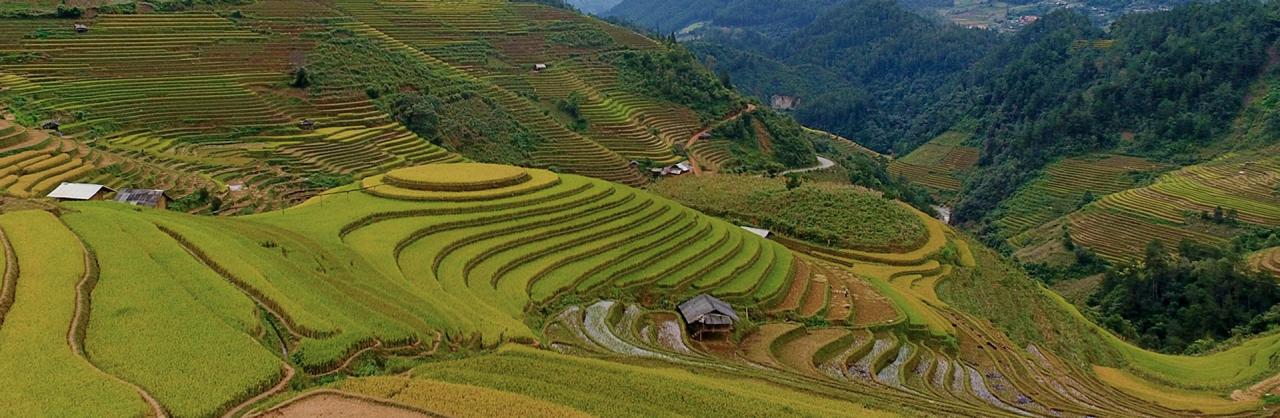
For the first time, I felt the seasons passing by, noticing the subtle changes in nature. For the first time, I savored the unique dishes, simply prepared by the Hmong people in the deep valley.
Season of Fragrance and Beauty
That autumn, we set off from Ho Chi Minh City in our old pickup truck, traveling through the central provinces to Hanoi , and from there, continuing our journey northwest.
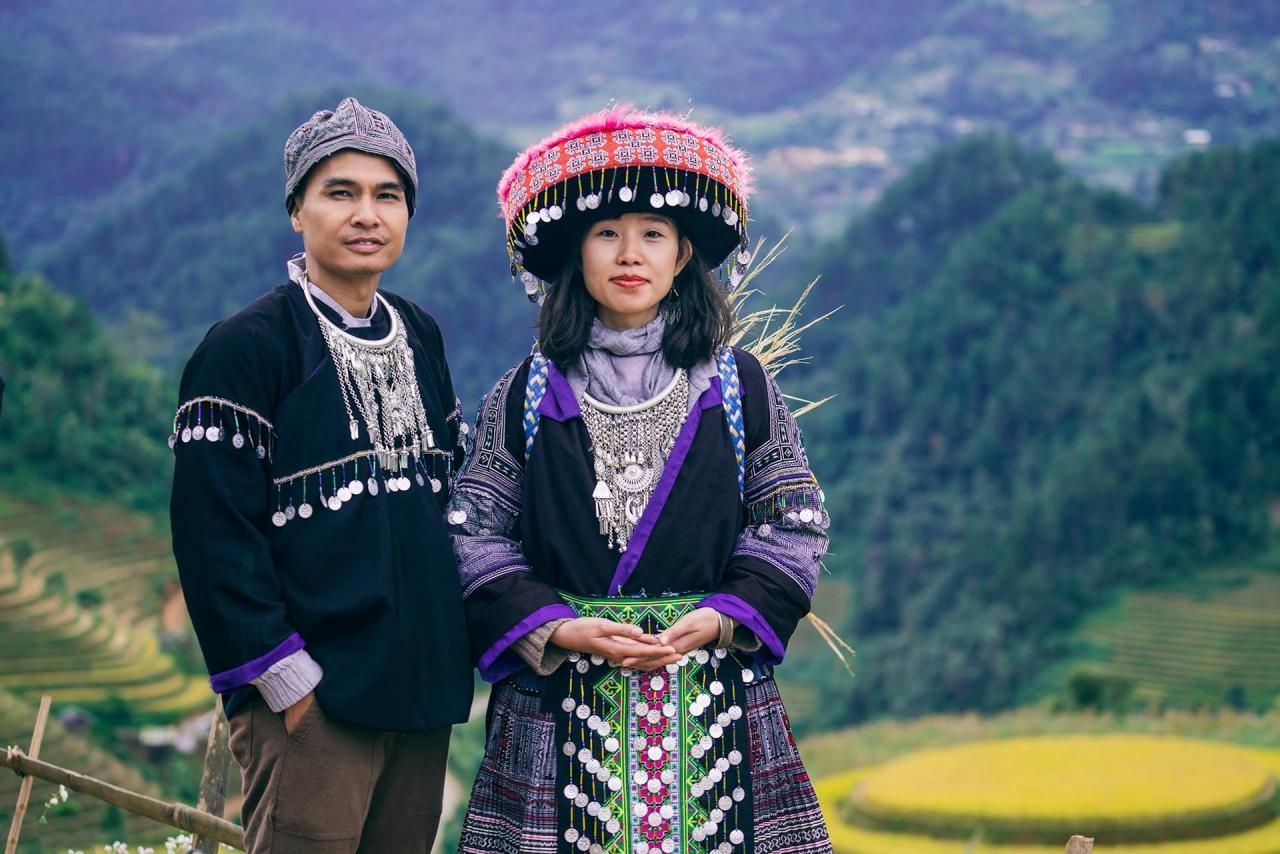
The group's first stop was Mu Cang Chai, where the terraced rice fields were gradually changing from a vibrant green to a golden yellow. The highlight of this stunning autumn landscape was the dazzling colors of the traditional clothing worn by the highland women harvesting the rice with joy.
The fragrant scent of rice fields, mingled with the distinctive aroma of mountain vegetation, filled my heart with excitement. Passing through Tú Lệ, I also caught the gentle fragrance of young rice flakes – a treat of autumn – subtly permeating the mountain air.
Upon arriving in Mu Cang Chai, the group spent the night in a stilt house called Do Gu, run by a H'mong couple who welcome tourists. The owners, Mrs. Gu, are resourceful women with a charmingly broken Vietnamese accent.
Her house was like any other stilt house: downstairs was the kitchen and a space for a few tables and chairs, and upstairs was a large floor area big enough to sleep about 20 people. After we finished unpacking, she treated us to a steaming hot meal with plenty of vegetables and meat.
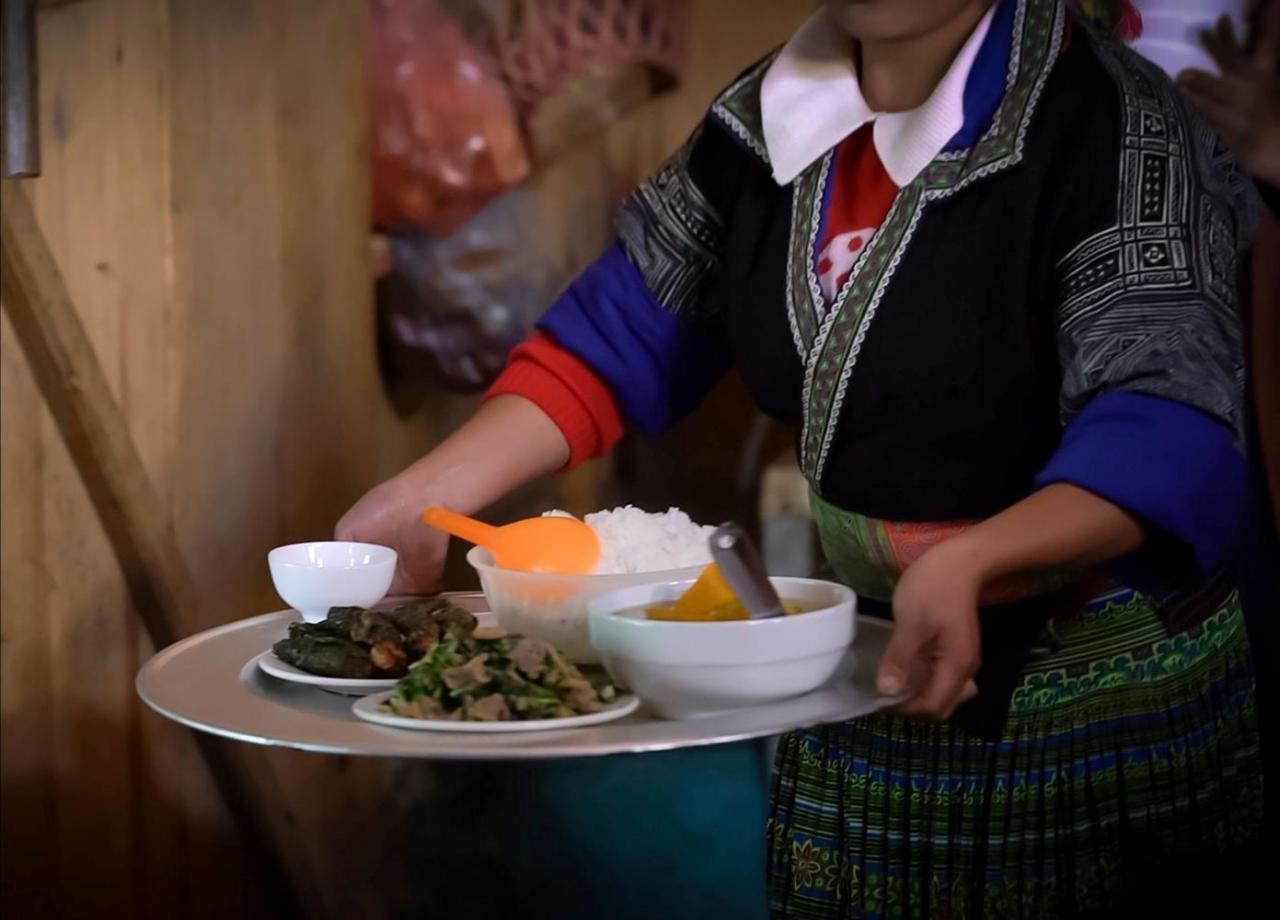
She cooks very well, so I suggested that the next day I join her in the kitchen to learn how to cook a few local dishes. Autumn cuisine in Mu Cang Chai isn't very diverse because the people here are simple about food and clothing. The basic culinary philosophy in places with limited resources is to eat what's in season.
People in the highlands often go into the forest to gather wild vegetables. At home, they grow mustard greens with a slightly bitter taste. People in the lowlands often call it "cat mustard" because "cat" is another way of referring to the Hmong ethnic group.
Autumn is also the season when pumpkin vines laden with fruit cover the rooftops. This is another interesting feature of houses in the highlands. People often build trellises for the pumpkins to climb from the ground to the roof. Under the eaves, there are also corn stalks hanging down, creating a cheerful sight.
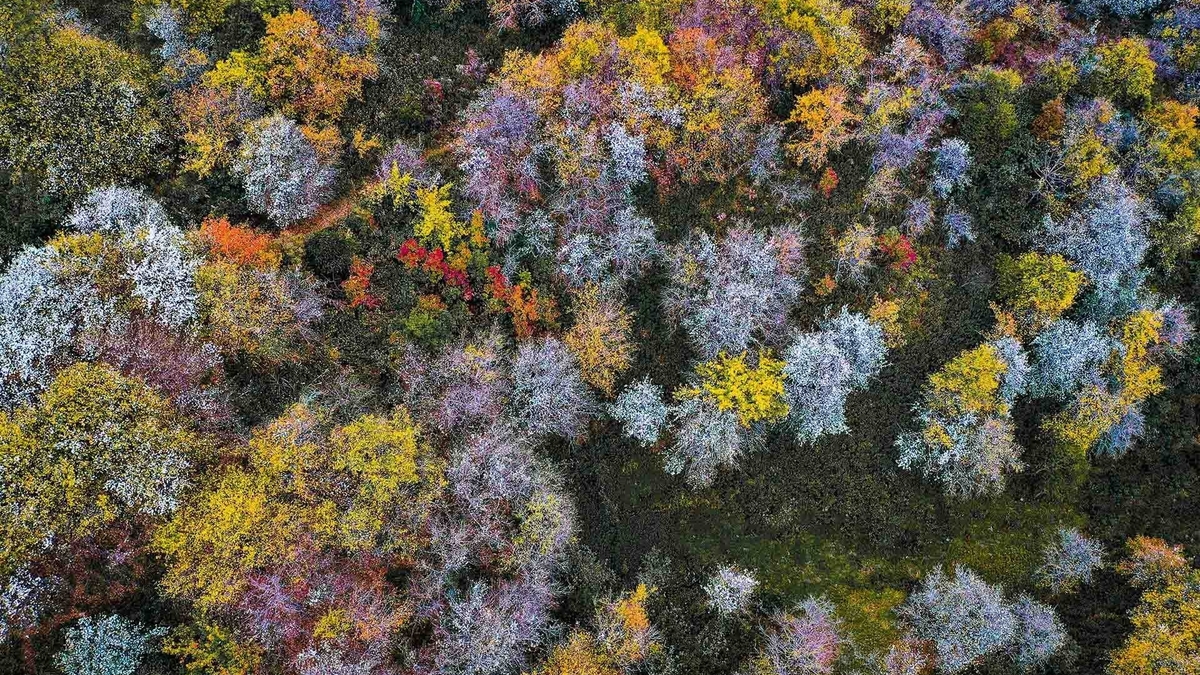
The orange of the pumpkins blends with the deep yellow of the corn. The brown of the roofs is gradually fading due to the wind and rain. The green of the hills and the gentle yellow of the rice fields create a picturesque scene...
Curious, we asked to visit a local's house. The house was more dilapidated than I had imagined. Beneath the roof, covered with a picturesque trellis of pumpkins, were the pigsty, chicken coop, and the family's living space.
Memories in the kitchen
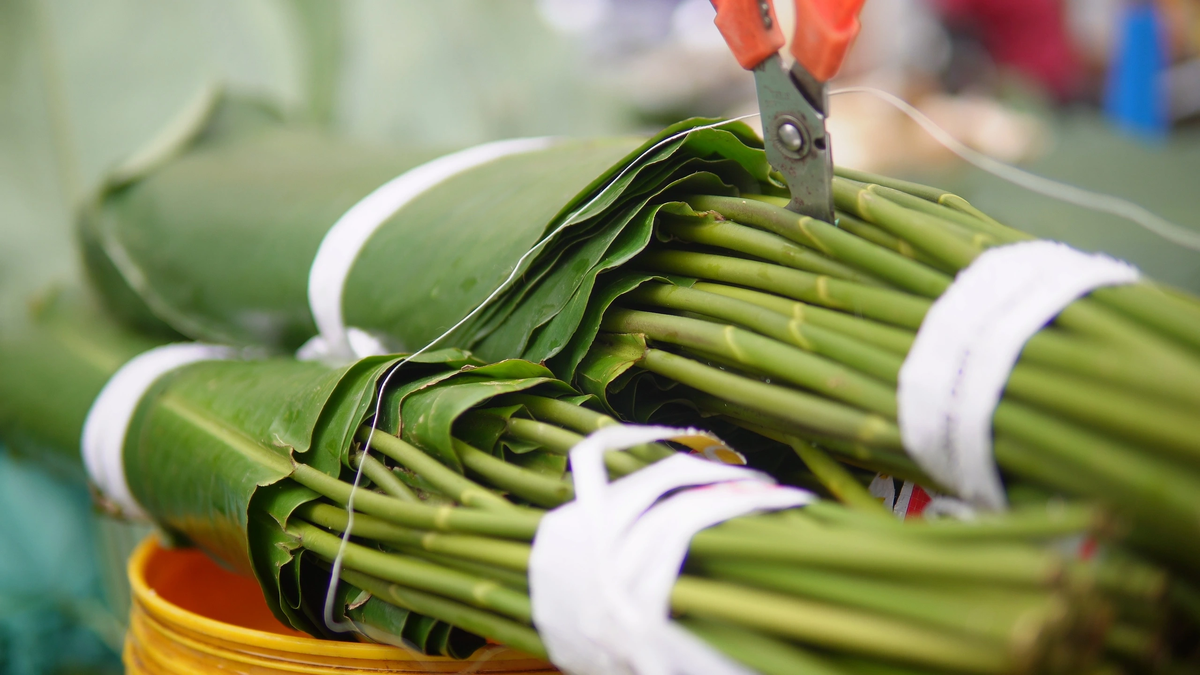
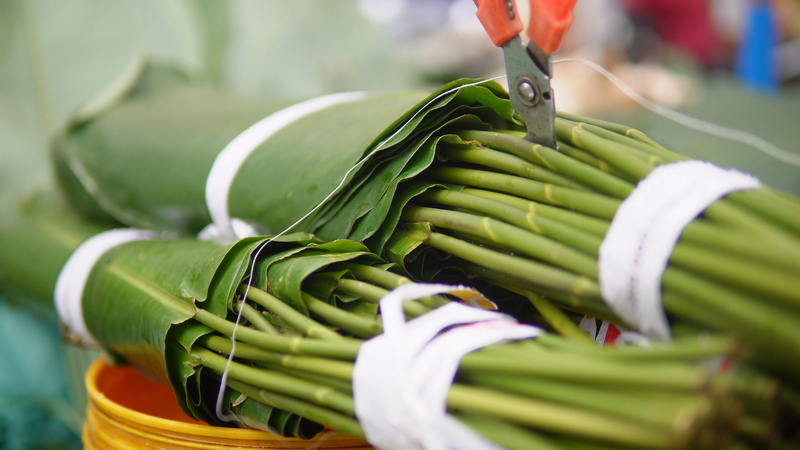
Ms. Gừ guided us in cooking minced chicken stir-fried with chili, salt-roasted chicken, and pá dù - a dish very similar to pork wrapped in betel leaves. It wouldn't be any different from the dishes in the lowlands if it weren't for the addition of dù leaves - a type of forest leaf with a distinctive aroma.
The spicy flavors of the dishes in the cool autumn weather of the high mountains evoke a feeling like receiving a warm embrace from a newly met friend. Autumn in Mu Cang Chai has been so kind to me!
We cooked in the dimly lit kitchen, but our conversation was brighter than the sunlight spreading across the rice fields outside. After finishing the main course, I asked her, "What do we need to make soup?", wanting to know if her method of making soup was any different from the usual way. She innocently replied, "To make soup, you need a pot!" which made us all burst into laughter.
The pumpkin soup was unlike any I had ever tasted. Even in autumn, from East to West, pumpkins were everywhere. Each piece of pumpkin was rich, creamy, and intensely sweet. The boiled pumpkin leaves had a rich flavor because the harsher weather here meant each strand was a carefully selected, most exquisite gift from nature.
While we were preparing lunch, her child, who was about four years old at the time, kept running around at her mother's feet, occasionally snuggling into her lap. There was also a tabby cat that liked to sit by the wood-burning stove, observing and listening attentively to our conversation and enjoying the warm, intimate atmosphere.
It was almost the most beautiful autumn memory we ever had. Similarly, the autumn scenery passing by the car window is a once-in-a-lifetime event, something we could never encounter again, even if we returned on the same route.
During the days when the highlands of Northwest Vietnam were struggling with natural disasters, I contacted Ms. Gừ. She said that the section of Mù Cang Chải where we stayed hadn't suffered much damage.
And I mused, life is full of storms. But each time, the belief that things will be alright helps us weather the storms. Amidst difficulties, we find the presence of family.
The term "kinship" is not limited to the bond between those closest to us, but encompasses the bond between people, regardless of whether they are strangers or acquaintances.
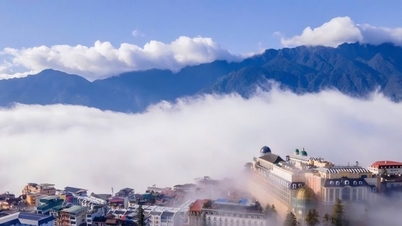
I fondly remember every region I've traveled through, each leaving its mark on my vibrant youth. Seas of clouds, hills, waterfalls, streams, winding mountain roads… I long to return to those peaceful places – like the autumn in Mu Cang Chai in my memories – many more times in my life!
Source: https://baoquangnam.vn/mam-com-dau-thu-o-mu-cang-chai-3142160.html


![[Photo] General Secretary To Lam works and extends New Year greetings to the Party Committee, government and people of Dak Lak province.](https://vphoto.vietnam.vn/thumb/1200x675/vietnam/resource/IMAGE/2026/02/11/1770808701306_ndo_tl_img-4099-5201-jpg.webp)












































Comment (0)