In 2023, volcanic activity in the Phlegraean Fields (Italy) caused 6,066 earthquakes, and this number is projected to rise to 6,740 in 2024.
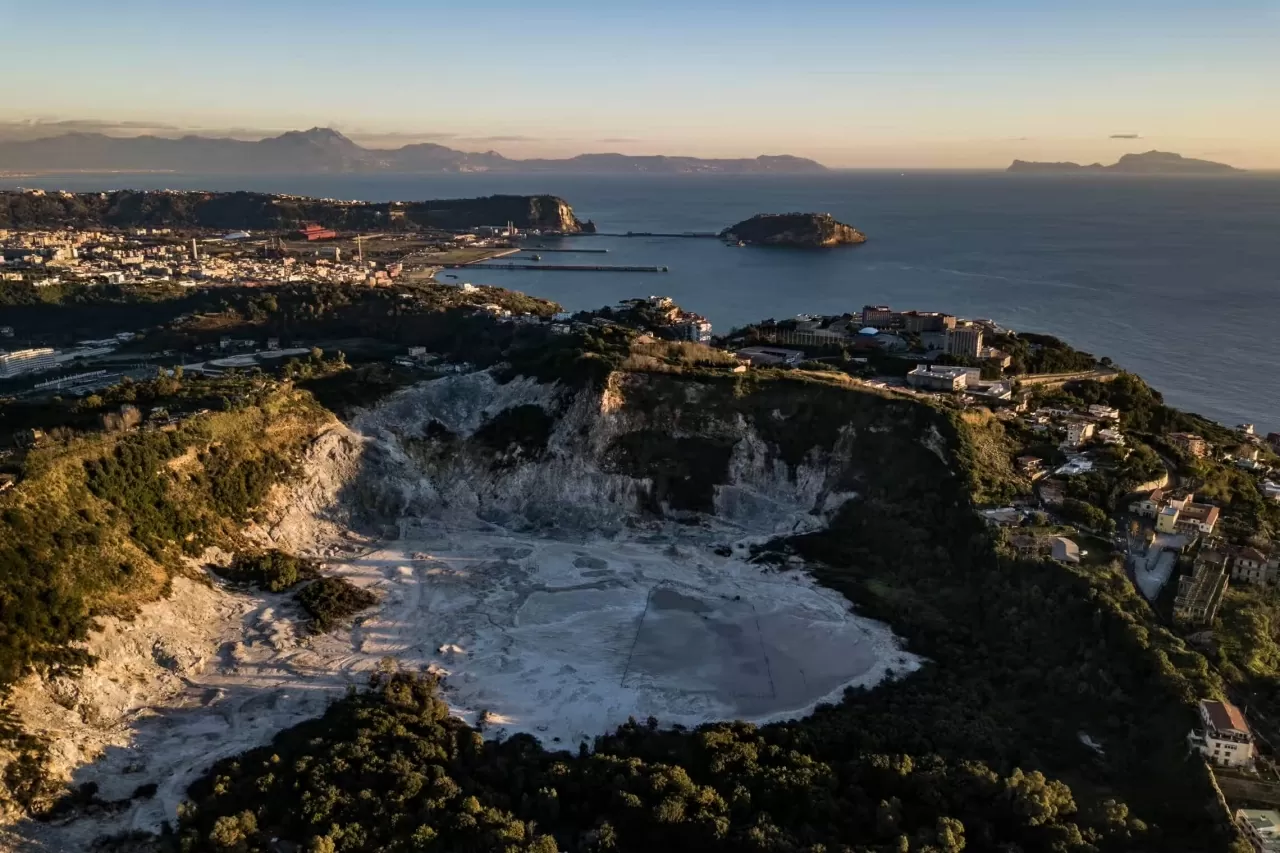
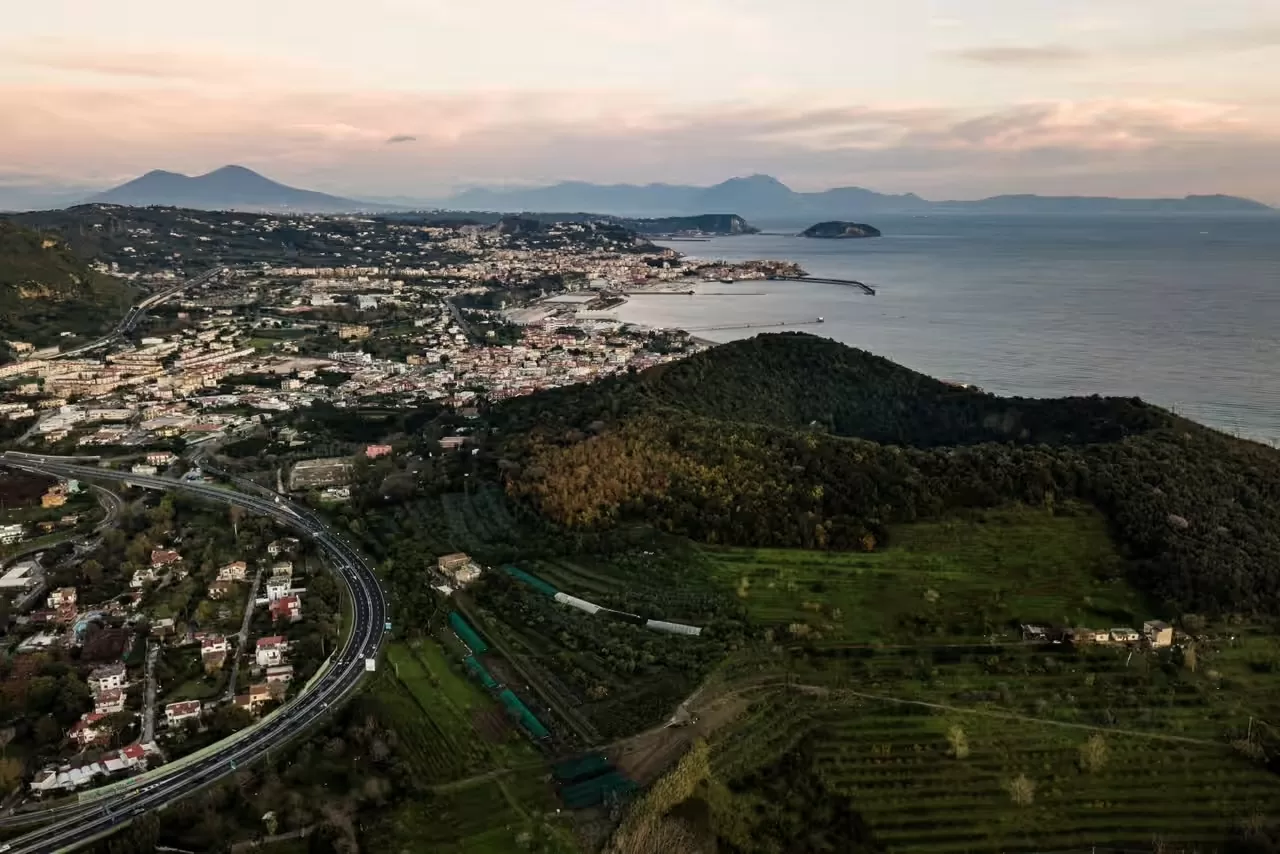
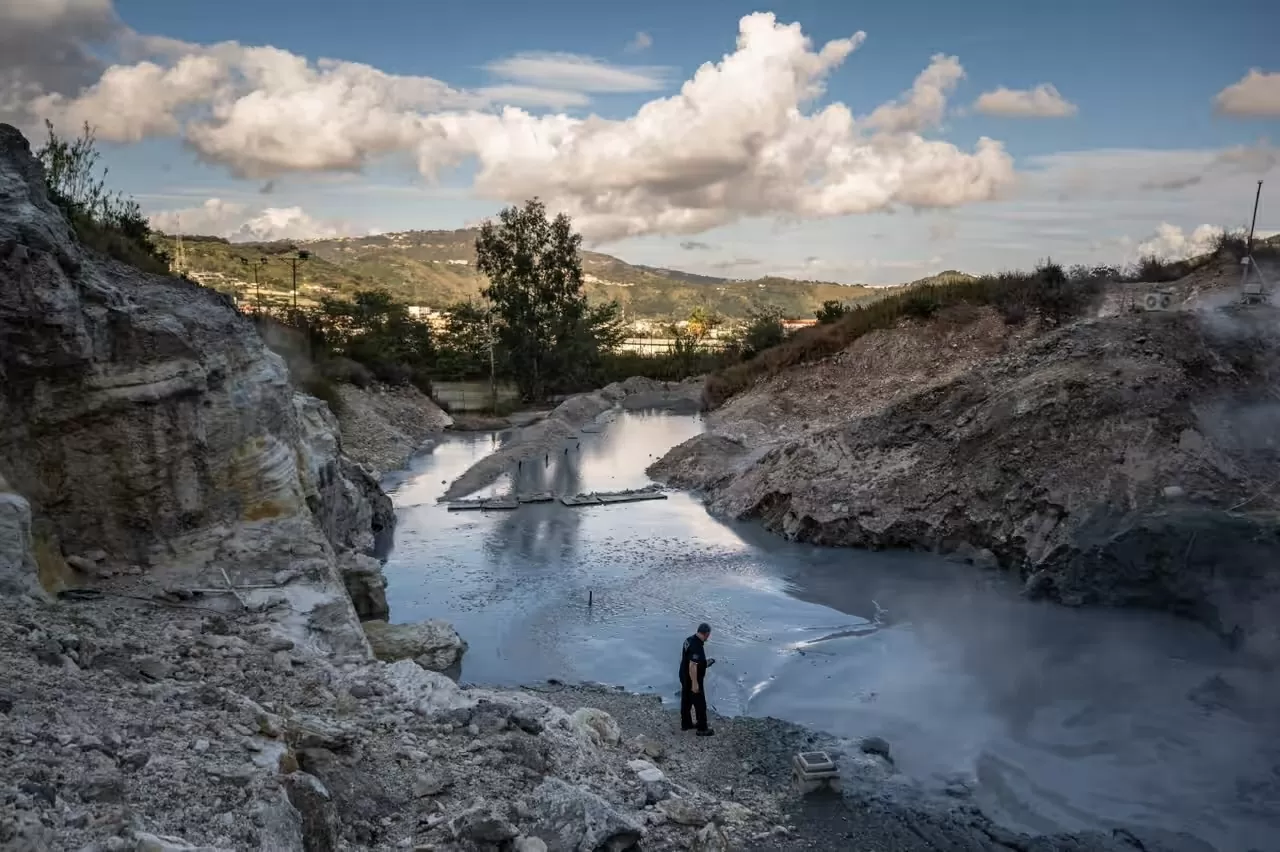
Photojournalist Alessandro Gandolfi captured images of the Phlegraean Fields volcanic area (also known as Campi Flegrei) in southern Italy, which recorded a record 6,740 earthquakes in 2024 and is expected to remain turbulent in 2025. In the photo: The Solfatara crater located within the Phlegraean Fields volcanic area. (Photo: Alessandro Gandolfi)
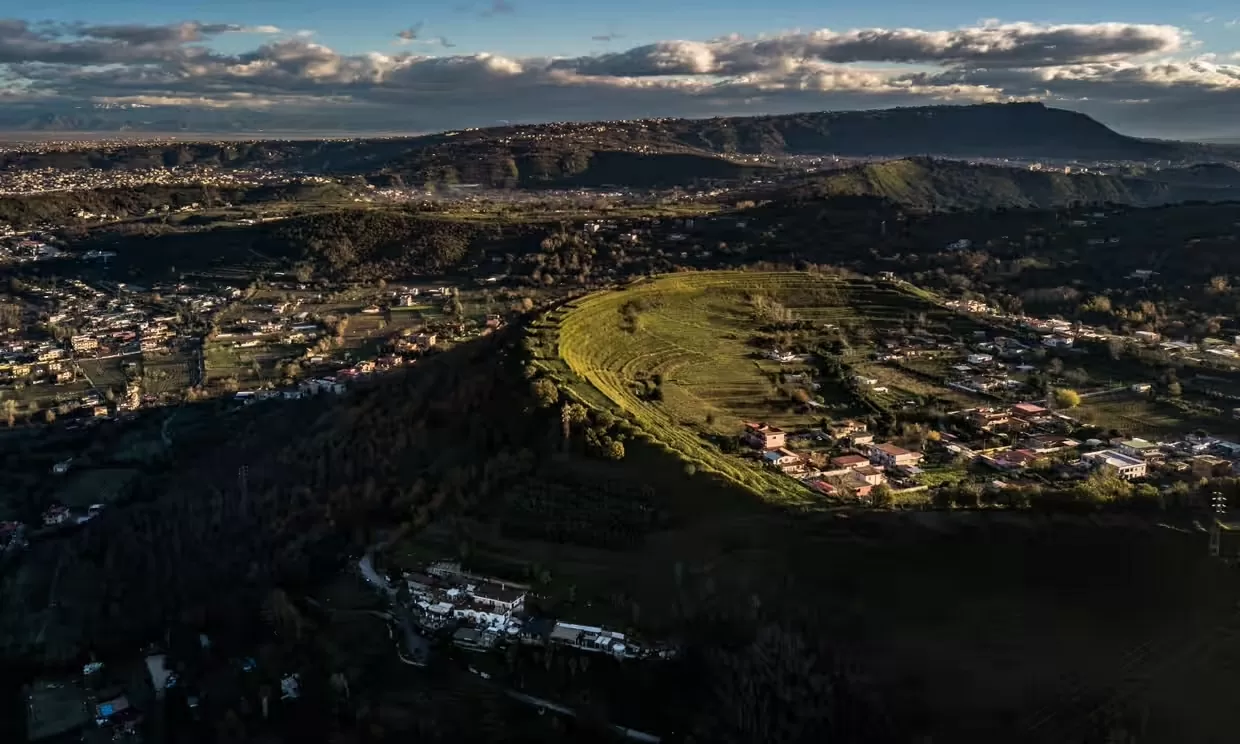
This volcanic area, active for over 80,000 years, is home to more than 600,000 people. The enormous volcano, with a crater nearly 13km wide, is almost completely submerged in the Bay of Naples, larger than the nearby Mount Vesuvius. Pictured: A residential area in the Cigliano crater in the center of the Phlegraean Fields. (Photo: Alessandro Gandolfi)
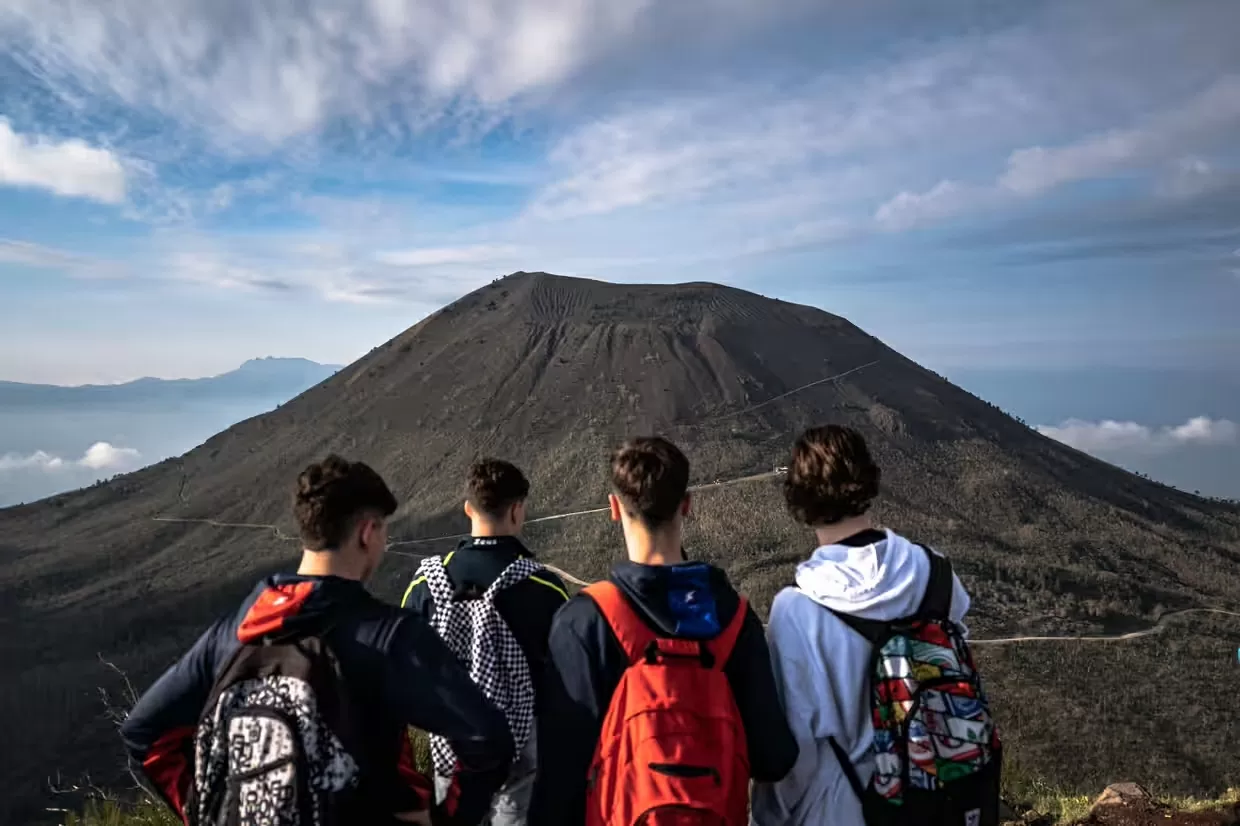
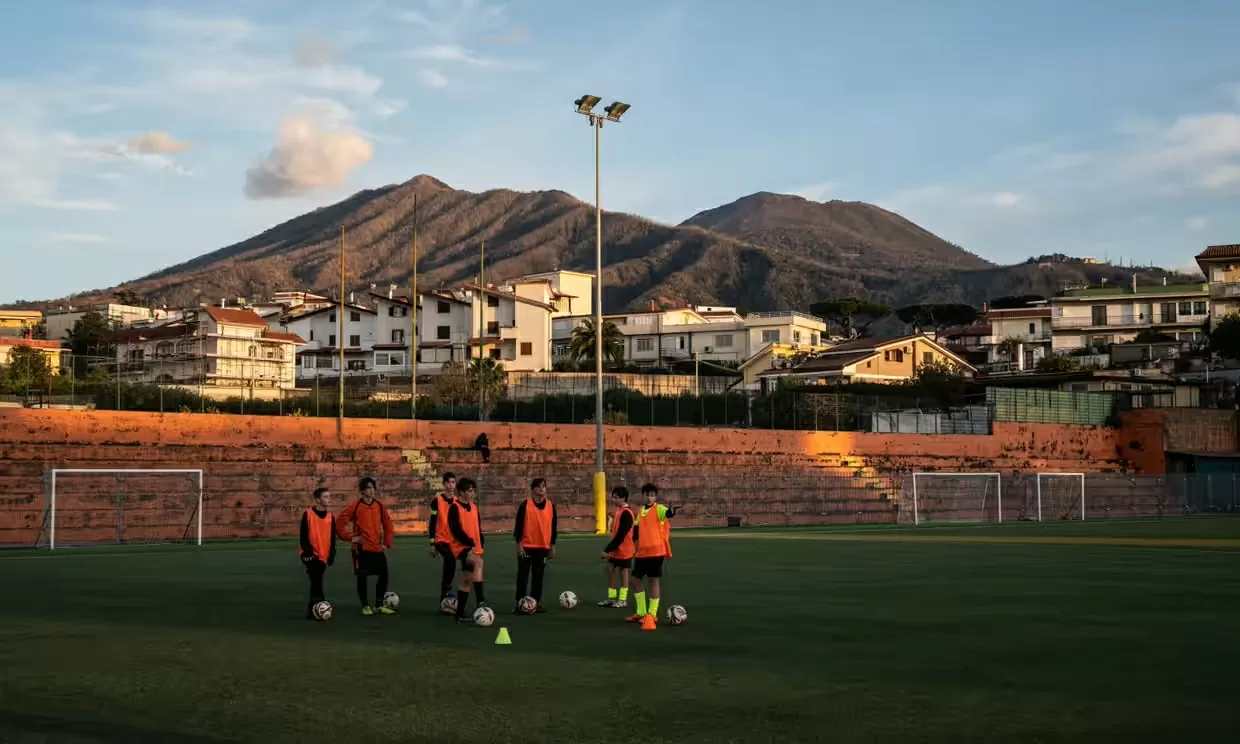
Vesuvius was the volcano that caused one of the most devastating eruptions in human history when it destroyed the nearby city of Popeii in 79 AD. In the photo: A group of teenagers gaze at the summit of Mount Vesuvius from the summit of Somma, an original part of the Vesuvius volcano. (Photo: Alessandro Gandolfi)
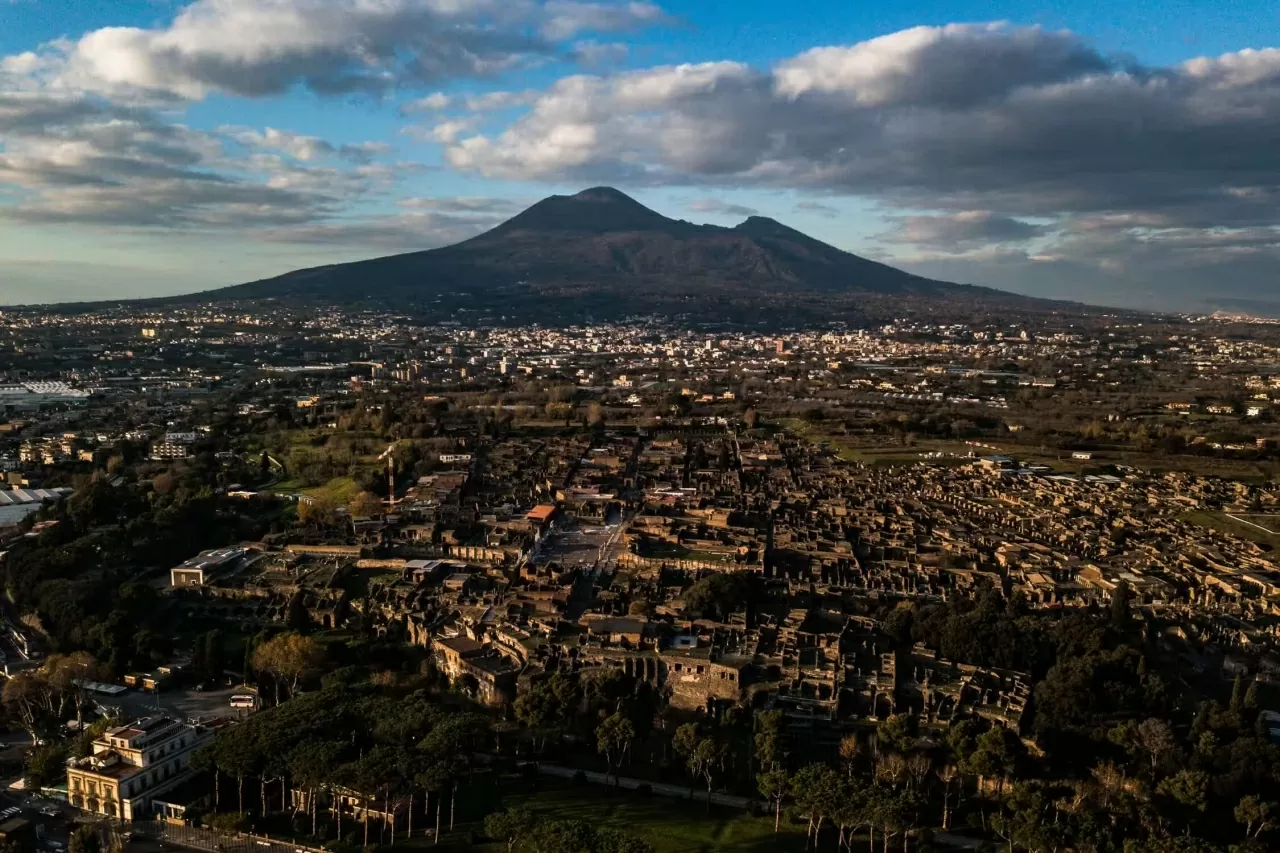
Pompeii, the Roman city buried by the eruption of Mount Vesuvius in 79 AD. The buildings show signs of damage from a powerful earthquake that occurred 17 years ago. (Photo: Alessandro Gandolfi)
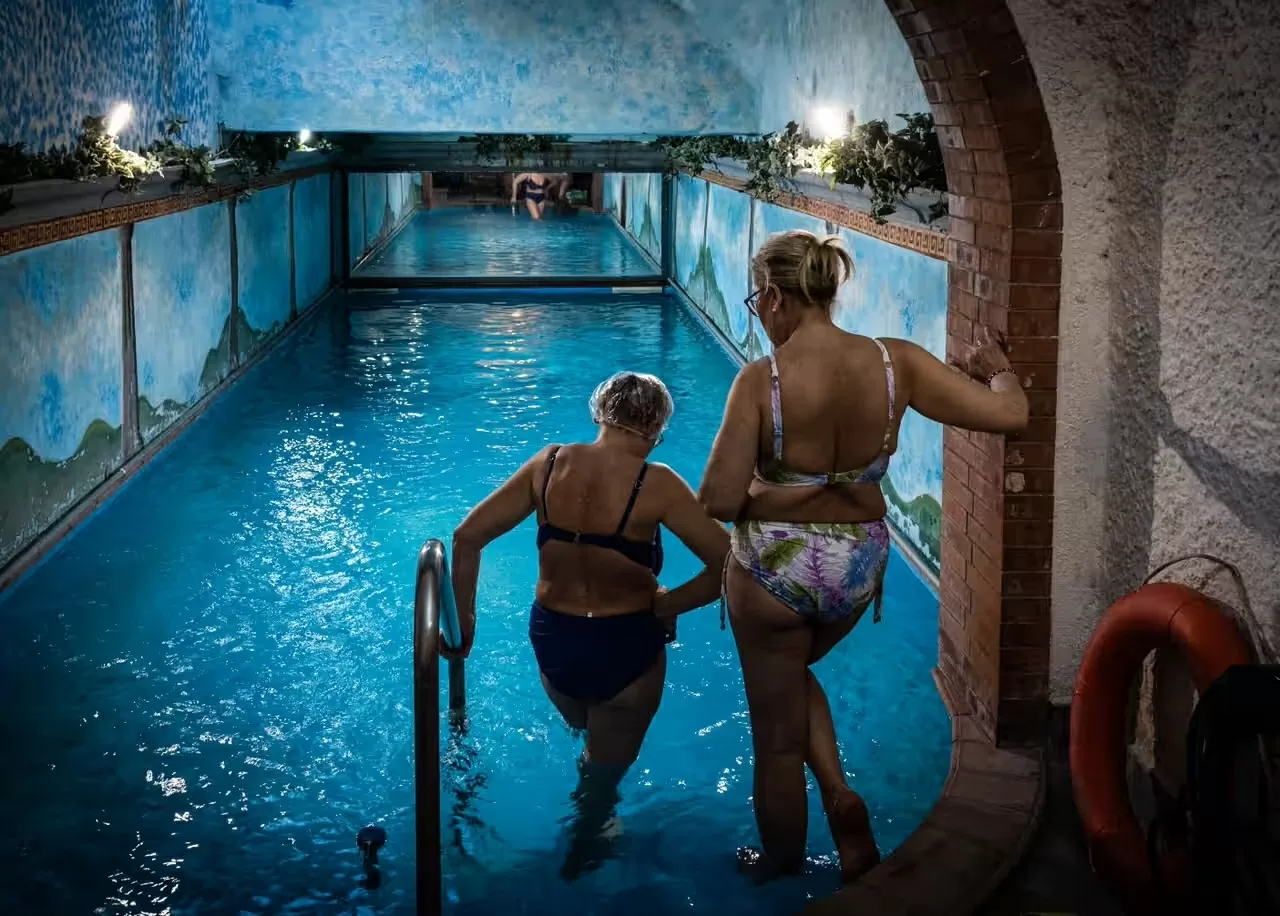
Similar to the Phlegraean Fields, the Vesuvius volcanic area has numerous hot spring systems that are utilized by the local population. Pictured: A hot spring pool at the Terme Vesuviana spa in Naples. These springs, connected to the Vesuvius volcano, have been exploited since Roman times, providing health benefits to the people. (Photo: Alessandro Gandolfi)
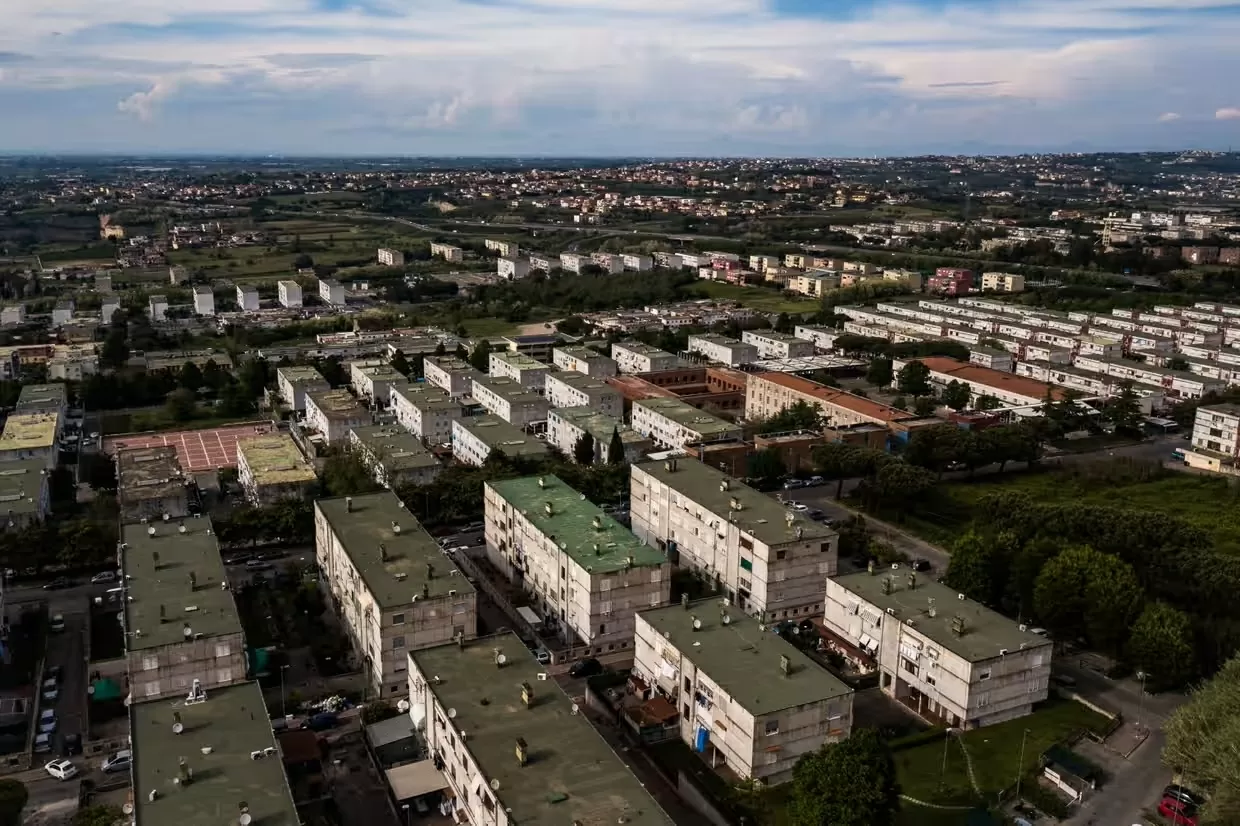
The most recent major eruption of the Phlegraean supervolcano occurred in 1538, forming a new bay on the southern Italian coast. Dormant since 1980, the volcano became active again in 2016. Pictured: Buildings in Monterusciello, constructed in the late 1980s after severe earthquakes. At that time, residents of Rione Terra – the historical center of Pozzuoli, in the Phlegraean Fields volcanic area – were forced to evacuate. (Photo: Alessandro Gandolfi)
According to several volcanologists, the Italian National Institute of Geophysics and Volcanology (INGV) has recorded increased seismic activity in the area since 2022, possibly due to magma accumulation beneath the surface or gas buildup. Pictured: The Monte Nuovo crater appears after an eruption on September 29, 1538, the most recent in the Phlegraean Fields. (Photo: Alessandro Gandolfi)
Almost daily, earthquakes continue to be recorded here. In 2023, 6,066 earthquakes occurred, and this number rose to 6,740 in 2024. In the photo: Peaceful daily life continues in the Phlegraean Fields volcanic region. (Photo: Alessandro Gandolfi)
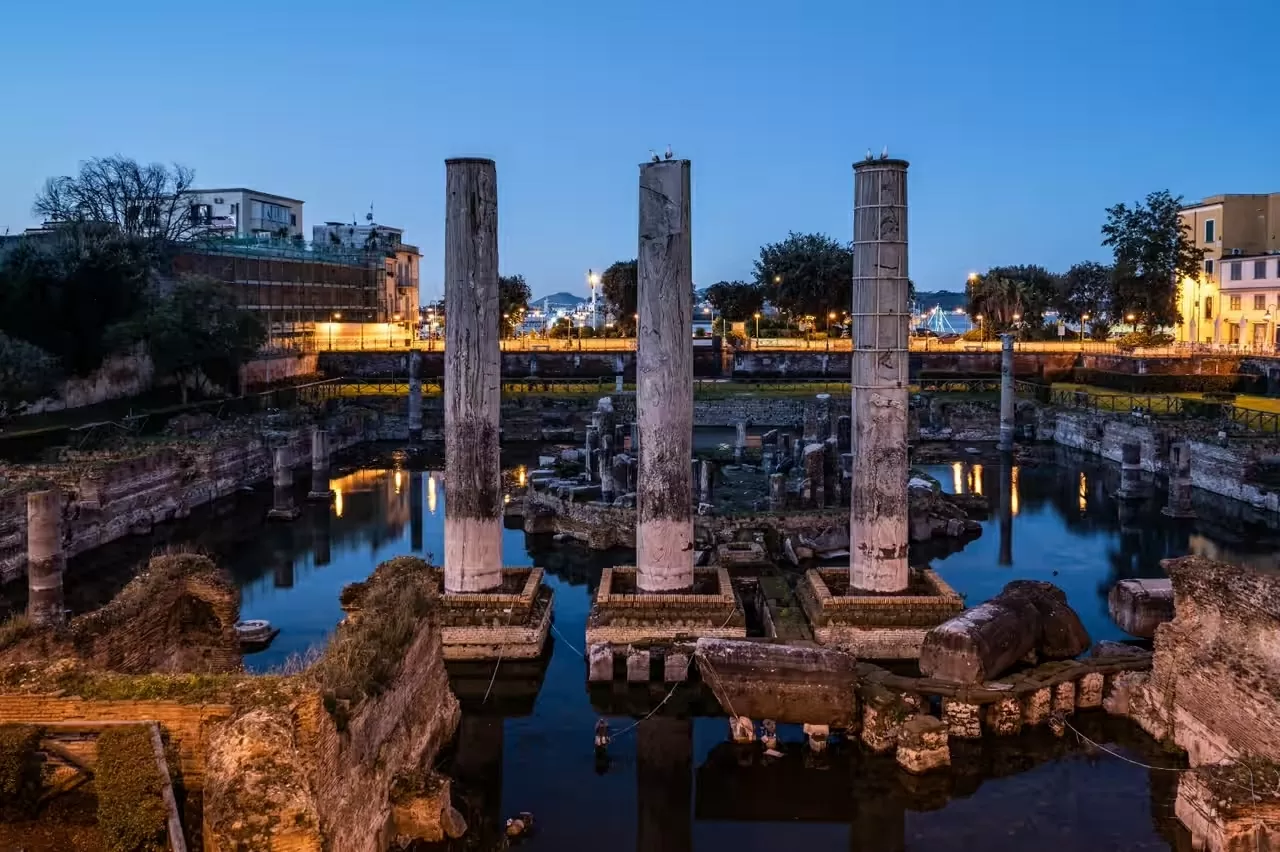
Still "active" in 2025, the Phlegraean volcano is causing anxiety and fear among the local population. They even have to sleep in their cars or outdoors to... escape. (Image: The ruins of the Serapis (or Macellum) temple at a Roman market. Photo: Alessandro Gandolfi)
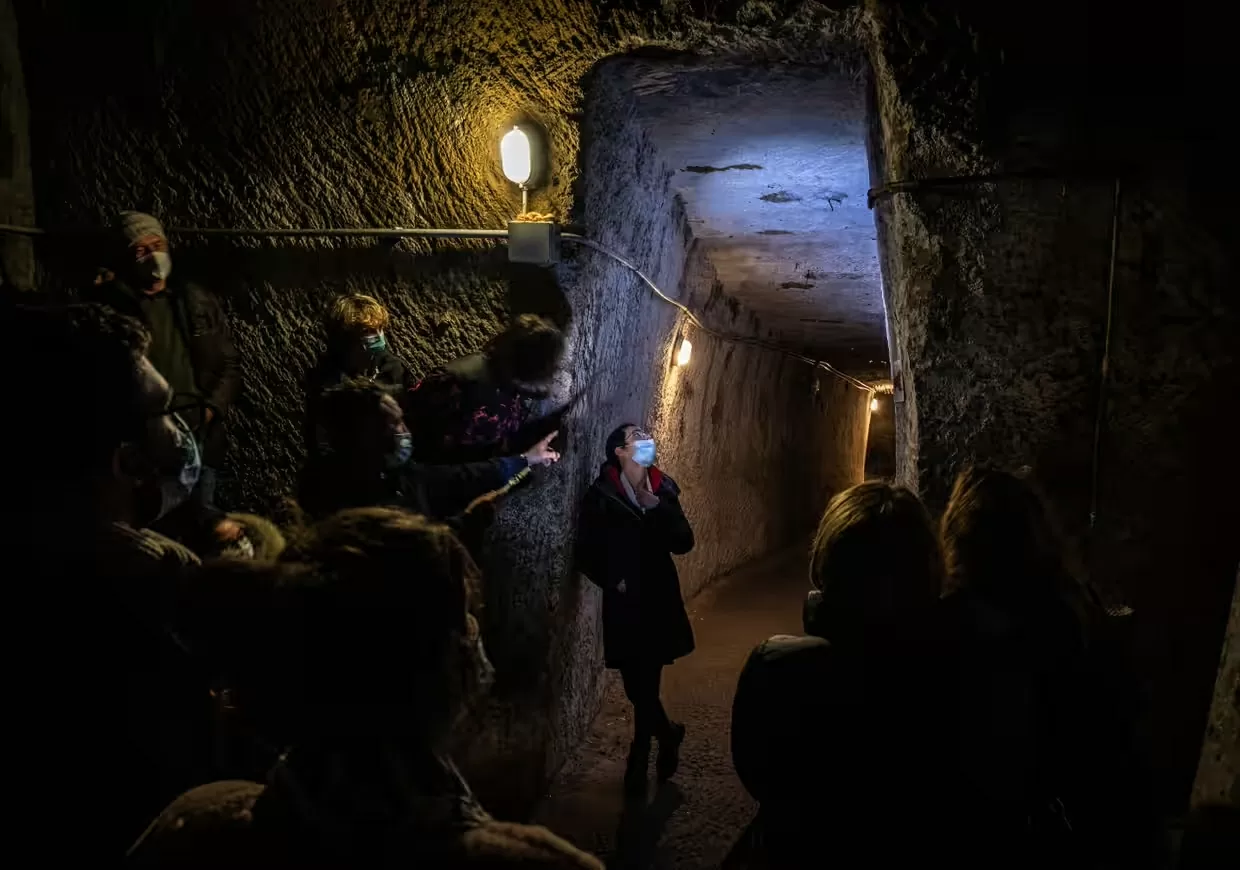
In early March 2025, the strongest earthquake in 40 years shook buildings in Naples, a volcanic region. Pictured: Tourists explore underground Naples, a network of tunnels, aqueducts, and passageways carved deep into the volcanic rock. (Photo: Alessandro Gandolfi)
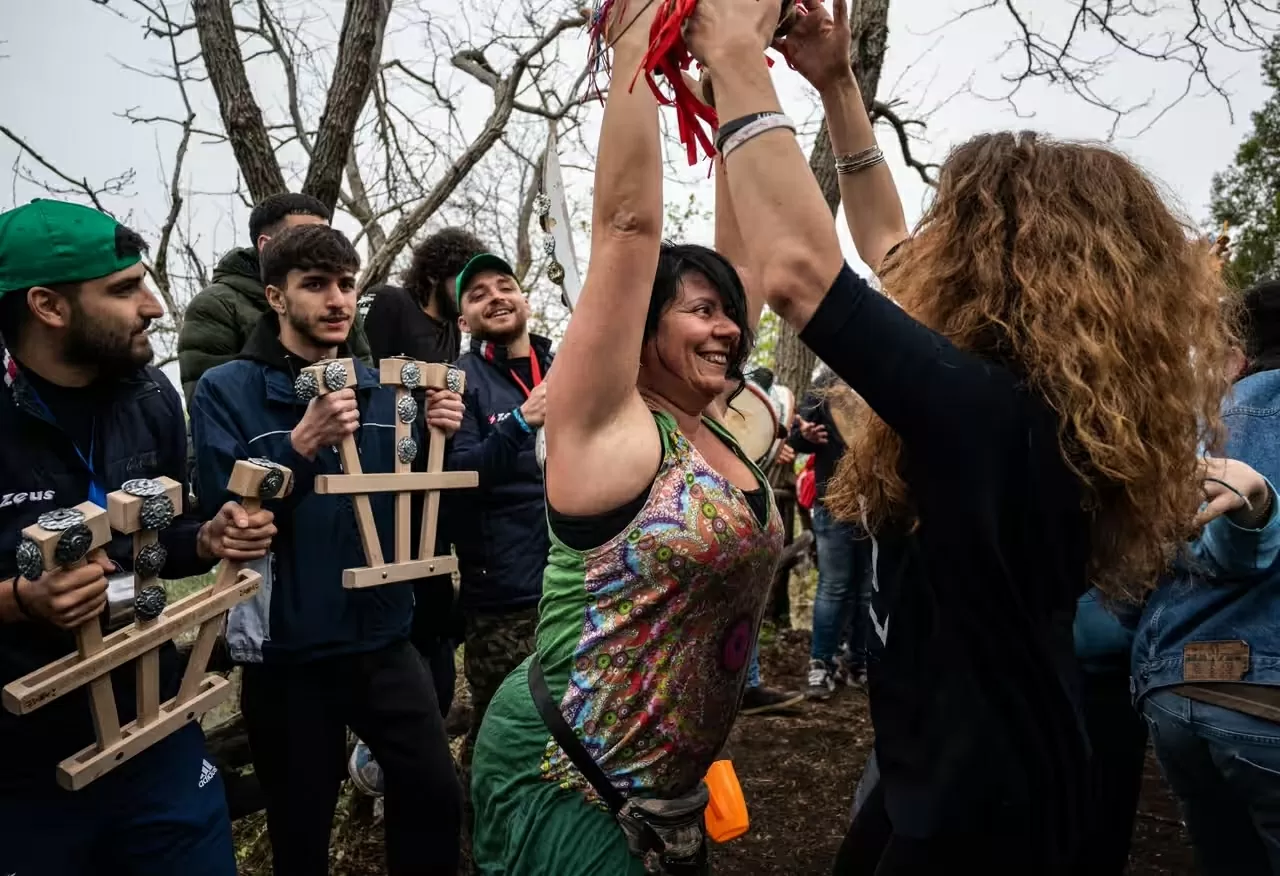
On May 20, 2024, an earthquake measuring 4.4 on the Richter scale and with a focal depth of 3 km was recorded here, just one hour after another earthquake measuring 3.5 on the Richter scale. These earthquakes were part of an ongoing "seismic storm" that had already triggered more than 10 tremors of magnitude 2 in the previous 48 hours. In the photo: People dance, sing, and play traditional musical instruments on the summit of Mount Somma, where an annual peace-seeking ceremony is performed. (Photo: Alessandro Gandolfi)
Because they live right in the vicinity of an active volcano, the residents here are always prepared to participate in evacuation drills. In the photo: A simulated evacuation drill in case of a volcanic eruption at Phlegraean Fields. Angelo Di Roberto, 70, his 12-year-old grandson, and Alessandro Celardo, 29, travel from Monterusciello to Naples Central Station, where they will depart for Milan, in case of an eruption. (Photo: Alessandro Gandolfi)
The Phlegraean Fields are one of the most closely monitored volcanoes in the world . Geologists regularly monitor volcanic activity to issue safety warnings. Geologists Antonio Caradente and Rosario Avino monitor activity in the Pisciarelli area of the Phlegraean Fields. (Photo: Alessandro Gandolfi)
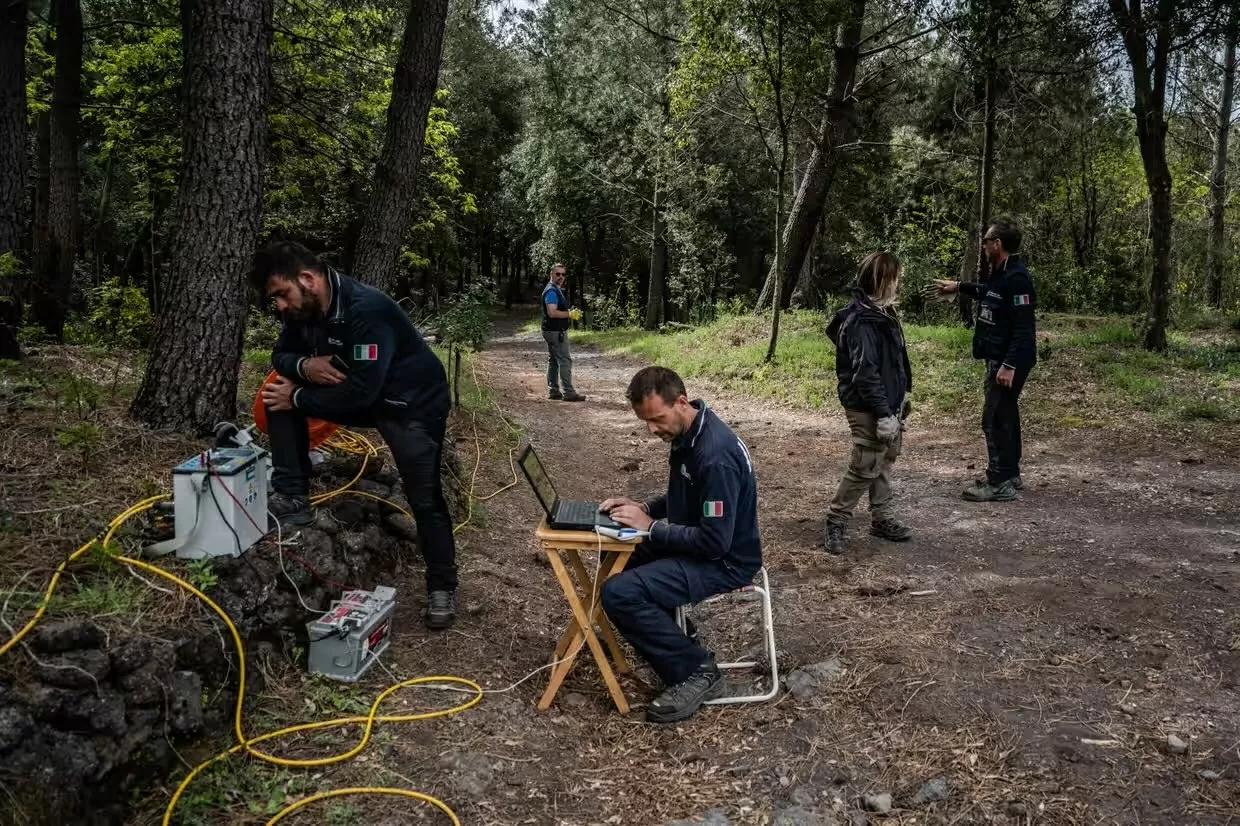
At the foot of the volcano, INGV researchers are using electrical impedance tomography to verify and search for possible magma movements. (Photo: Alessandro Gandolfi)
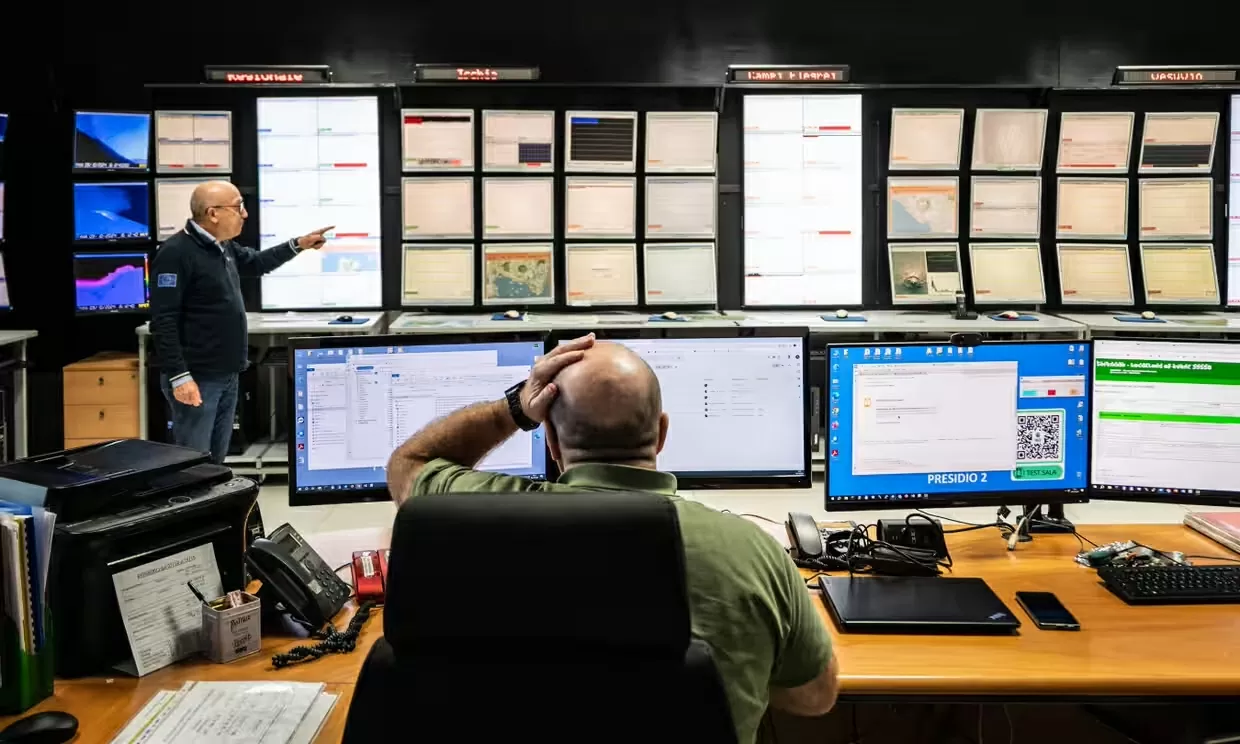
Mauro Di Vito (left), director of the Vesuvius Observatory, and his colleagues work in the monitoring room, where signals collected from the Vesuvius, Phlegraean Fields, Ischia, and Stromboli volcanoes are synthesized. (Photo: Alessandro Gandolfi)



![[Photo] President Luong Cuong receives Speaker of the Jordanian House of Representatives Mazen Turki El Qadi](/_next/image?url=https%3A%2F%2Fvphoto.vietnam.vn%2Fthumb%2F1200x675%2Fvietnam%2Fresource%2FIMAGE%2F2026%2F02%2F03%2F1770112220330_ndo_br_1-3704-jpg.webp&w=3840&q=75)





Comment (0)