

PV: Sir, could you share your thoughts on the involvement of religions in environmental protection and climate change response over the past period?
Associate Professor Dr. Chu Van Tuan: Currently, Vietnam has 16 religions recognized as legal entities with approximately 27 million followers, distributed throughout the country. It can be said that all religions are ready and in agreement with the Party and State's policies on environmental protection and climate change adaptation. Even within the doctrines and scriptures of many religions, there are contents related to the environment, the relationship between humans and the environment, and human responsibility towards the environment. Many religions have stipulated environmental protection issues in their charters and laws.
In recent years, the "Program to Coordinate and Promote the Role of Religions in Environmental Protection and Climate Change Adaptation" between the Vietnam Fatherland Front, the Ministry of Natural Resources and Environment, and religious organizations is the first official, large-scale program on this issue. Previously, religions only followed the regulations in their doctrines and laws without having a clear stance. Now, by signing and agreeing to participate in the Program, religious organizations have become more aware of their role in environmental protection, climate change adaptation, and making positive contributions to the country's development.
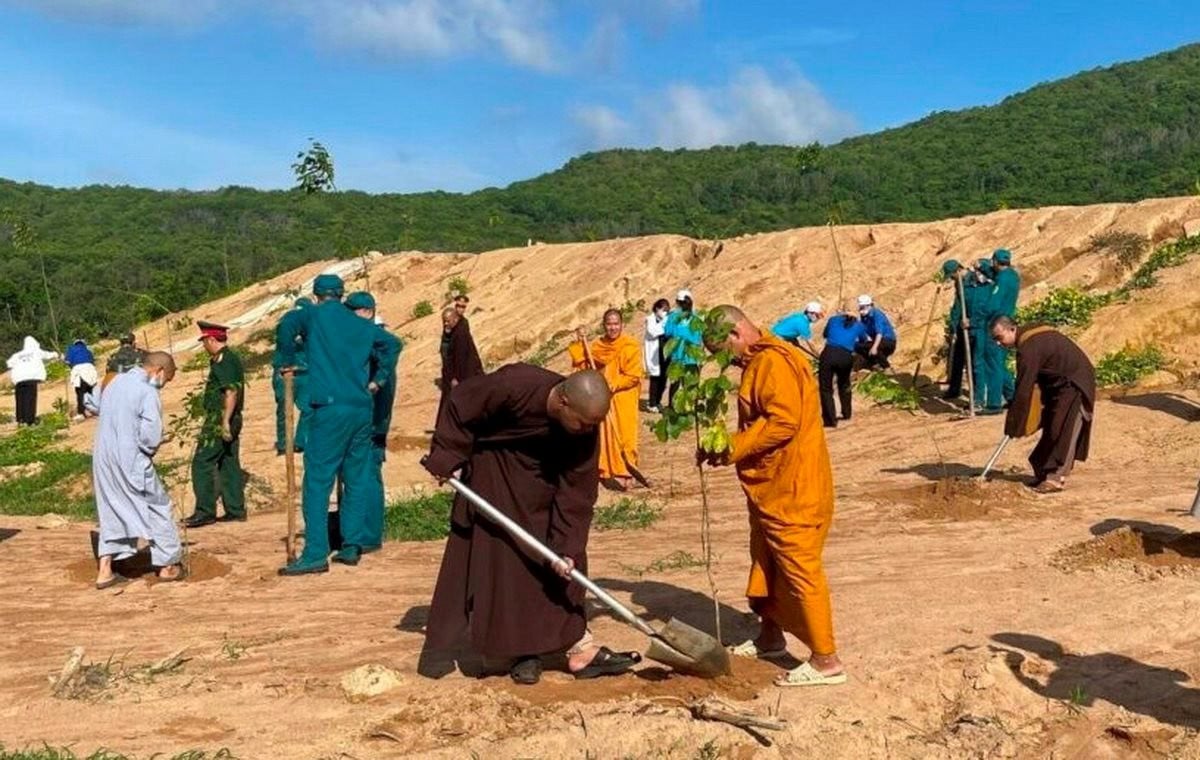
Religions have actively conveyed awareness of environmental protection responsibilities and climate change response during their sermons and public awareness campaigns. Simultaneously, each religion has implemented specific actions such as promoting hygienic waste collection models, prohibiting the burning of votive paper, selecting animals for release that do not harm the ecosystem, and guiding people towards good habits that do not harm the environment.
Religious followers, clergy, and monks not only contribute to spreading the environmental protection movement within their own religious communities but also connect with other religions. This creates a broader impact, enriching environmental protection activities in the areas where the religions operate. Examples include cleaning up public places, maintaining cleanliness in villages and hamlets, and contributing to rural development.
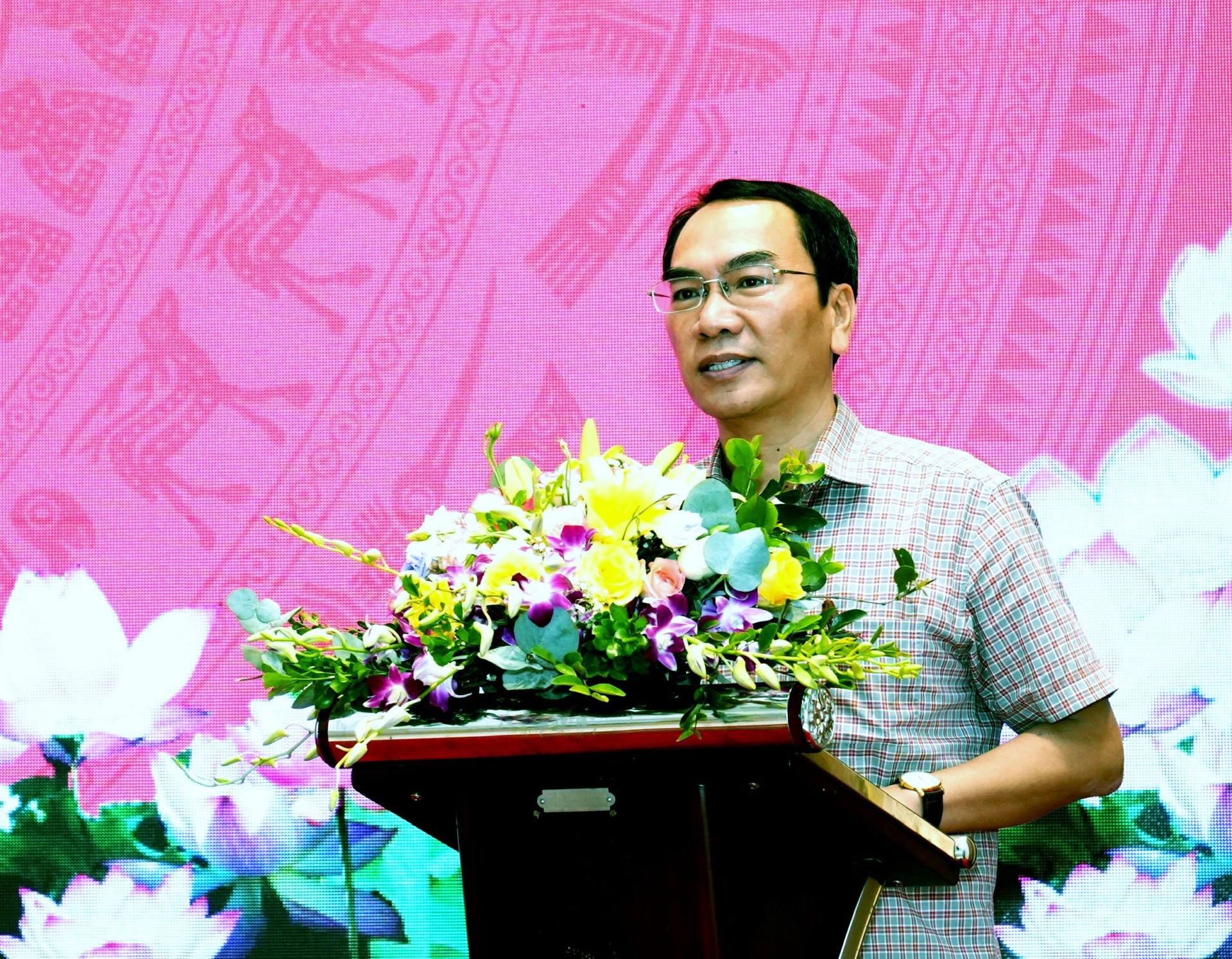
Assoc. Prof. Dr. Chu Van Tuan, Director of the Institute for Religious Studies
PV: How will these actions help believers on their path to spiritual practice, sir?
Associate Professor Dr. Chu Van Tuan: All religions are good, aiming for peace and happiness for all people. The doctrines of some religions believe that this world is a gift from God to humanity, and people must cherish and love everything. Buddhism advises people not to kill living beings, not to destroy all creatures, including plants... Many religions consider the environment as the human body and encourage people to live in harmony with nature.
Faced with the dangers of pollution and climate change, which can cause social injustice and negatively impact lives, religions have spontaneously responded. In my opinion, this also means that religion is promoting good, encouraging people to cultivate kindness, humanity, and compassion.
Cultivating goodness is important, but being good only to one's parents and relatives is not enough. Kindness and humanity must extend to society as a whole, to those around us, and to the environment, nature, and plants. When believers understand the philosophy of loving all living things, and have love for the world and the environment, their humanity, compassion, and benevolence expand, becoming deeper and more comprehensive. Doing good environmental protection activities is also a way for believers to cultivate love, humanity, and social responsibility, helping them to become more complete on their spiritual path.
PV: As you shared, even the teachings of religions advise followers to cherish nature and the surrounding environment. Is this the main reason why religions enthusiastically support the program of the Ministry of Natural Resources and Environment and the Central Committee of the Vietnam Fatherland Front, sir?
Associate Professor Chu Van Tuan: That's right. When religions work together to protect the environment and respond to climate change, they can express their doctrines, viewpoints, and orientations on this issue. At the same time, they demonstrate social responsibility in the overall development trend of the country. In other words, the policy of environmental protection is very compatible with religions because every religion has direct or indirect views on the environment and environmental protection.
Each religion is also a social organization. They have distinct characteristics that not all social organizations or institutions possess. This is because when religions initiate and present their views and regulations, their followers will implement them very seriously. This is because followers view this as their social responsibility, a way to practice their teachings, and a means of spiritual cultivation and self-improvement, not simply administrative tasks. The activities of religious organizations have a wide-ranging impact and foster a sense of self-awareness regarding environmental protection and climate change adaptation among their followers and the surrounding community.
Furthermore, the participation of religions in environmental protection activities also helps religions strengthen their role and influence on society. Through these activities, religions spread their religious philosophies, spirit, and culture more widely. In addition, when the environment is clean, cities are green and beautiful, and rural areas are developed, the quality of life for the entire society, including religions, is improved.
In my opinion, it would be a great pity if the Program only stopped at signing a memorandum of understanding without concrete activities. The Ministry of Natural Resources and Environment, the Vietnam Fatherland Front, and local authorities need to have practical activities to concretize and enhance the effectiveness of this program, while also helping each religious organization to leverage its strengths in participating in environmental protection and climate change response. This could include encouraging followers to use environmentally friendly products, reduce waste and pollutants; planting trees, medicinal plants, and fruits and vegetables that limit the use of pesticides, etc.
PV: How will the spread of environmental protection and climate change response actions contribute to promoting religious unity and building national solidarity, sir?
Assoc. Prof. Dr. Chu Van Tuan: As I just shared, religions are ready to participate in environmental protection and climate change response. They interact, share experiences in implementing activities and successful models, and become more connected, understand each other better, and eliminate previous prejudices. This is also being promoted in many other fields such as healthcare, education, rural development, and national defense...
Responding to climate change and protecting the environment has become a forum – or perhaps a “bridge” – connecting religions in Vietnam. Mutual understanding helps religions become more united, and this will help strengthen the overall unity of the country.
PV: Thank you very much, Associate Professor Dr. Chu Van Tuan, for granting this interview to the TN&MT Newspaper!
Source










































































Comment (0)