

Not yet integrated with sustainable development goals.
According to the provisions of the 2010 Mineral Resources Law, the formulation of a mineral resources strategy must ensure the following principles and basis: Conformity with the socio- economic development, national defense, and security strategies and plans, and regional planning; ensuring the demand for minerals to serve sustainable socio-economic development; economical exploitation and use of minerals, preventing waste; domestic mineral resource needs and supply capacity, and the potential for international cooperation in the field of minerals for socio-economic development; results of basic geological surveys of minerals already conducted; and geological prerequisites and indicators related to minerals.
The mineral strategy must include the following main contents: Guiding principles and objectives in basic geological surveys of minerals, protection of unexploited minerals, exploration, exploitation, processing, and rational and economical use of minerals; Orientations for basic geological surveys of minerals, protection of unexploited minerals, exploration, exploitation of minerals for each mineral group, processing and rational and economical use of minerals after exploitation during the strategy-making period; Key tasks and solutions in basic geological surveys of minerals, protection of unexploited minerals, exploration, exploitation of minerals for each mineral group, processing and rational and economical use of minerals after exploitation; and national mineral reserves.
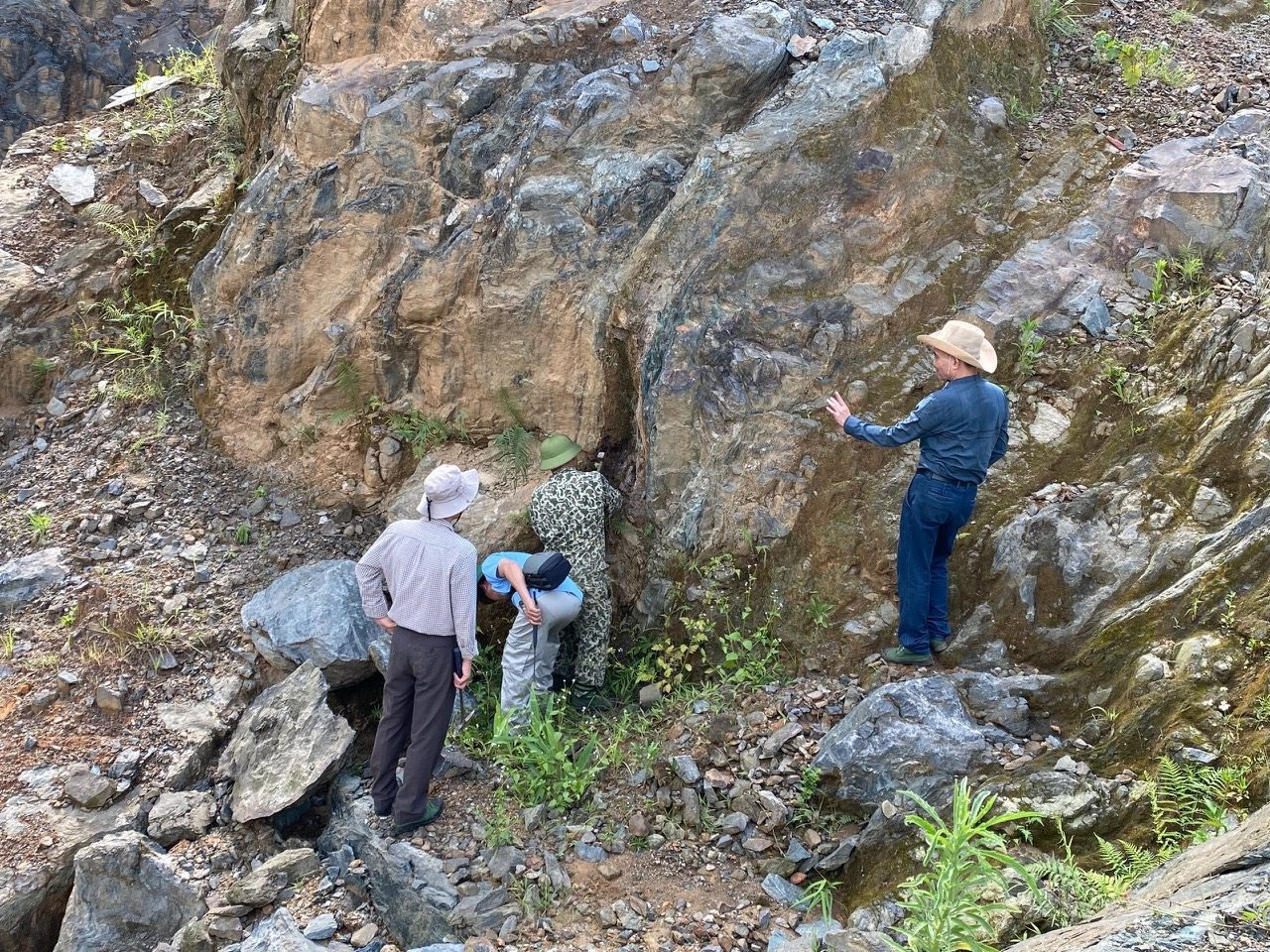
The mineral strategy is formulated for a 10-year period, with a 20-year vision, in line with the socio-economic development strategy.
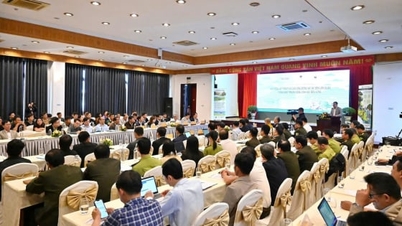
The Ministry of Natural Resources and Environment, in coordination with the Ministry of Industry and Trade, the Ministry of Construction , the Ministry of Planning and Investment, other ministries and ministerial-level agencies, and relevant localities, shall prepare and submit the Mineral Strategy to the Prime Minister for approval.
However, the Mineral Strategy was issued before Resolution No. 24-NQ/TW dated June 3, 2013, of the 11th Central Committee on proactively responding to climate change. Therefore, the objectives set forth have not been integrated with sustainable development goals and climate change adaptation. The Mineral Strategy also does not stipulate the content of the Geology, Mineral and Mining Industry Strategy as outlined in Resolution No. 10-NQ/TW on the strategic orientation of geology, minerals and mining industry until 2030, with a vision to 2045.
Integrate the viewpoints and orientations in Resolution No. 10-NQ/TW into the content of the Strategy.
To address these issues, during the drafting of the Law on Geology and Minerals, the Ministry of Natural Resources and Environment integrated content on sustainable development and adaptation to climate change; and simultaneously institutionalized the viewpoints and orientations stated in Resolution No. 10-NQ/TW into the content of the Geology, Minerals and Mining Industry Strategy.
Accordingly, the regulations concerning the mineral strategy remain unchanged, while supplementing regulations on strategic orientation for geological resources and the mining industry, including: the basis and principles for formulating the strategy; the basic content of the strategy; the strategic period; and the responsibilities of the lead agency in formulating and submitting the Strategy to the Prime Minister for approval.
Based on that, the Ministry of Natural Resources and Environment has drafted the Law on Geology and Minerals, which stipulates that the formulation of geological, mineral, and mining industry strategies must ensure the following principles and bases: Conformity with natural, socio-economic conditions; overall socio-economic development, national defense, and security strategies and plans; national environmental protection strategies ensuring sustainable development; ensuring synchronized coordination between basic geological surveys and mineral resource surveys nationwide; and rational, economical, and efficient exploitation and use of geological and mineral resources.
Simultaneously, ensure the supply of minerals and other geological resources to serve sustainable socio-economic development; the results of basic geological surveys and mineral resource surveys that have been conducted; geological prerequisites and indicators related to geological and mineral resources; and consistency with the State's resources in each period.
The main contents of the Geology, Mineral and Mining Industry Strategy include: Guiding principles and objectives in basic geological surveys and mineral resource surveys; exploitation and utilization of minerals and geological resources; protection of unexploited and unused minerals and geological resources; exploration, exploitation, processing and rational and economical use of minerals; orientation for basic geological surveys and mineral resource surveys; orientation for scientific research in basic geological surveys and mineral resource surveys in each period; coordination and integration of basic geological surveys and mineral resource surveys by ministries, sectors, and localities.
In addition, the following contents are included: Orientation for the exploitation and use of geological resources, protection of unexploited geological and mineral resources; exploration and exploitation of minerals for each mineral group, processing and rational and economical use of minerals after extraction during the strategy-making period; Key tasks and solutions in basic geological surveys, basic geological surveys of mineral resources; exploitation and use of minerals and geological resources; protection of unexploited and unused minerals and geological resources; exploration and exploitation of minerals for each mineral group, processing and rational and economical use of minerals after extraction; national mineral resource reserves.
Source


![[Video] Sunset at Lap An Lagoon – Where the sun sets over the fishing nets](https://vphoto.vietnam.vn/thumb/1200x675/vietnam/resource/IMAGE/2026/05/31/1780187239592_2222.jpeg)















































































Comment (0)