

Over the past period, Quang Ninh province has consistently directed and effectively managed mineral resources, implementing the licensing of exploration, planning, auctioning, and licensing of mining and transportation of minerals used as construction materials in the province in accordance with the provisions of the Mineral Law.
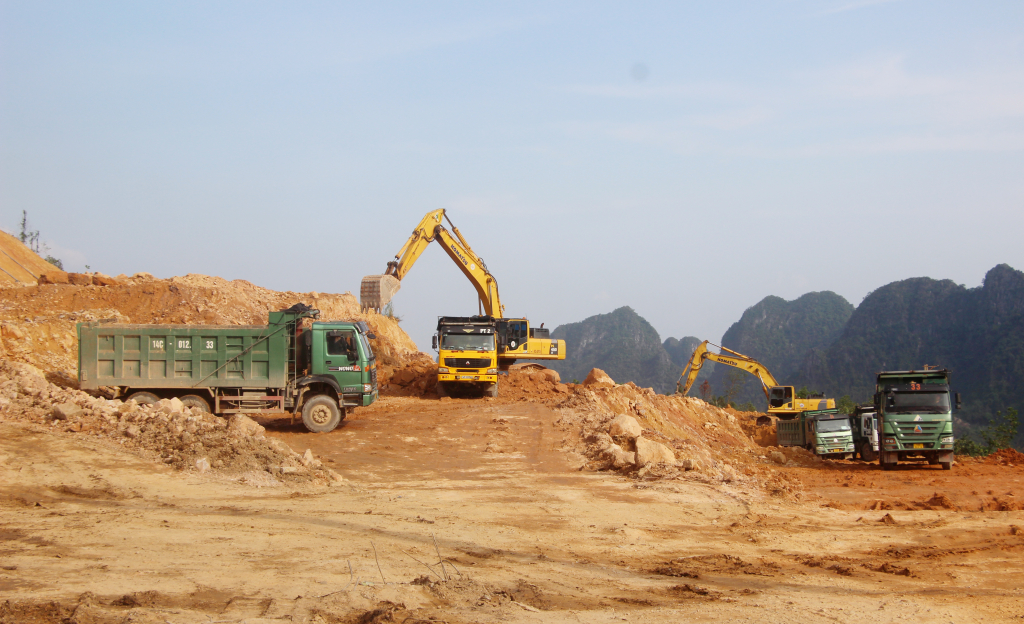
Following the promulgation of the 2010 Mineral Law, along with its implementing decrees, the Provincial People's Committee issued 23 legal documents in the field of minerals and directives on state management of construction materials, in accordance with the Mineral Law and the local conditions. These documents, issued by the province, basically meet the requirements of consistency, timeliness, and conformity with legal regulations, ensuring feasibility in implementation; creating a legal framework and contributing to improving the effectiveness of state management of resources and environment in the province; contributing to the concretization and transparency of administrative procedures; and creating resources for the socio-economic development of the province.
Based on approved plans, from 2019 to the present, Quang Ninh province has issued 24 mineral exploration licenses for 29 mining sites; granted 37 mineral exploitation licenses (27 new licenses, 8 licenses renewed, and 2 licenses transferred); issued 19 mine closure decisions (12 decisions to close stone mines for ordinary construction materials, 4 decisions to close clay mines for brick and tile production, and 3 decisions to close sand mines for ordinary construction materials) and is currently reviewing many applications to close other mineral exploitation mines.
During the exploration and exploitation process, most licensed units have actively completed the relevant legal procedures, complied with the provisions of the granted mining license and other legal regulations; fully notified the start date of basic mine construction, the start date of mining, the mining plan, and the mine's executive director; submitted mine designs, established and marked the mining area, and submitted periodic mineral activity reports as required.
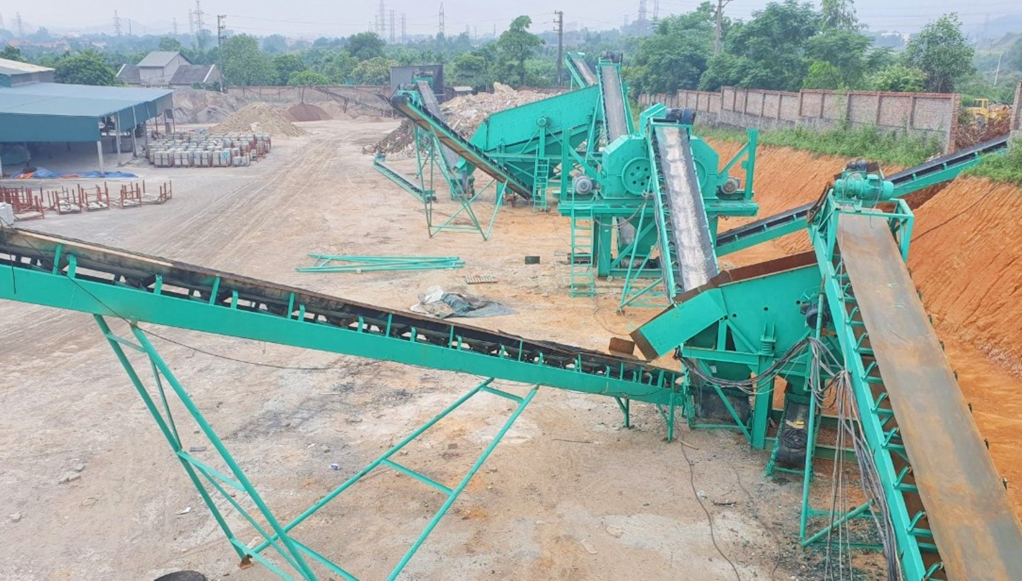
According to assessments by relevant authorities, units authorized to exploit mineral resources for construction materials comply with the permitted capacity and mining design. Most units granted mining licenses utilize mining technology linked to processing and utilization of minerals, such as: limestone mining involves crushing and screening the rocks to meet construction needs; clay mining is linked to brick and tile factories, with clay exchange between factories to ensure economical and rational use, thereby improving efficiency.
The mining activities of licensed units in the province have made a positive contribution to addressing the shortage of leveling materials for key transportation projects. As a result, many projects have been completed on schedule, effectively resolving the poor transportation infrastructure in many remote areas; increasing connectivity between urban and mountainous regions, and between developed and underdeveloped areas of the province; contributing to improving the quality of life for the people and achieving sustainable poverty reduction.
In particular, the mining of construction materials in the province has created many jobs each year and contributed revenue to the state budget. Specifically, from 2019 to July 2024, the mining of construction materials contributed nearly 500 billion VND in taxes and fees to the state budget. This includes over 176 billion VND in resource and mineral exploitation rights fees, nearly 162 billion VND in resource tax, nearly 87 billion VND in environmental protection fees, and over 73 billion VND in land lease fees.
In the coming period, the Provincial People's Committee will continue to direct departments, agencies, and local People's Committees to effectively review and strictly manage mineral exploitation projects for construction materials in the province, ensuring that projects operate in accordance with licenses and production and transportation plans, absolutely preventing organizations and individuals from exploiting them for illegal or unlawful exploitation, and strictly handling cases of violations.
Source






















































































Comment (0)