

Following a rough, winding dirt road nearly 3km long, we traveled from the center of Phiêng Pằn commune to Co Hày village, a small hamlet of the Xinh Mun people. In the car, the Head of the Mai Sơn Forest Protection Department, Trịnh Vinh Hiển, said: "Luckily it didn't rain. If it had, we would have had to walk; motorbikes often wouldn't have been able to get through."
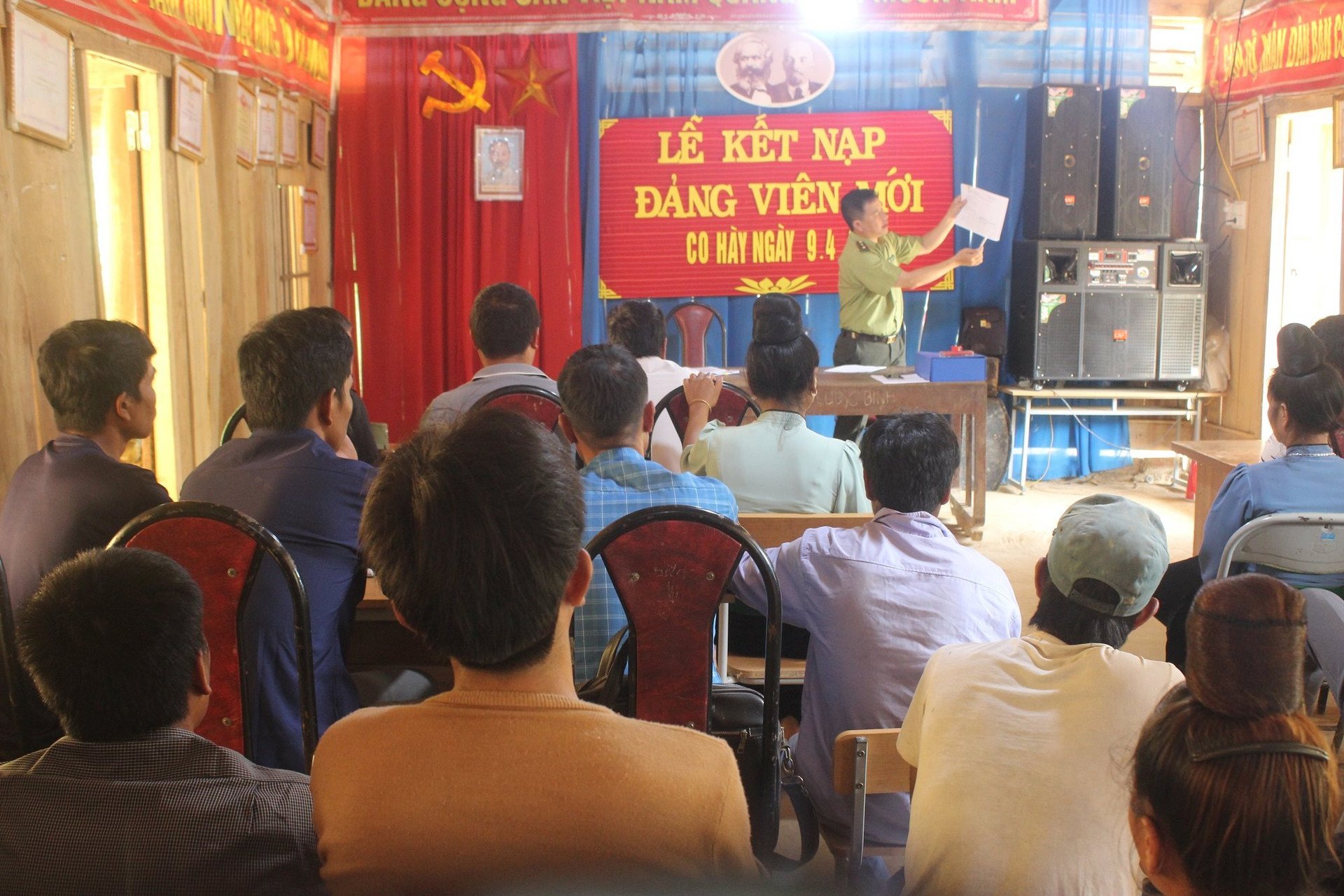
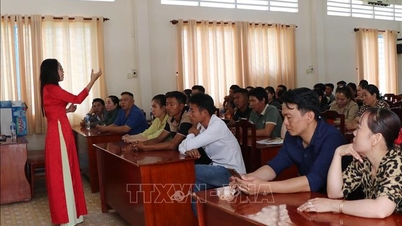
The village cultural center was bustling with activity that day. All 27 households of the village had arrived early to listen to a presentation on forest management and protection, led by Mr. Hoang Van Ky, the local forest ranger in Phieng Pan commune.
Born in 1986, having previously worked in the mountainous region of Bac Yen, Mr. Ky began working at the Mai Son Forest Ranger Station in 2017. Mr. Ky is of the Thai ethnic group, born in Tuong Tien commune, Phu Yen district. In January 2023, he was assigned as a local forest ranger, responsible for the border commune of Phieng Pan.
Immediately after being assigned the task, forest ranger Hoang Van Ky developed a plan to hold village meetings in 19 villages within the commune to regularly disseminate regulations of the Forestry Law, forest management and protection work in the province, district, and commune, and regulations directly related to the rights and obligations of the people regarding forest protection and development.
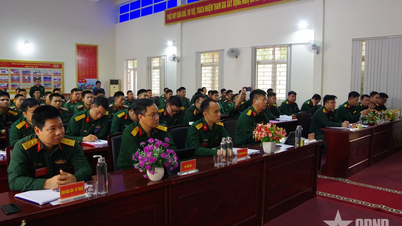
The awareness campaign involved the coordinated participation of the commune's People's Committee leaders, the commune's land and environment officials, and the border guard force.
Mr. Ky, along with the commune authorities, reorganized the commune's task force and the community forest protection teams in each village, ensuring that each village has 10-15 people per team, regularly patrolling and protecting the forest, especially during peak hot weather days. The commune also clearly assigned tasks to the teams to be on duty in key areas prone to fire, ensuring timely implementation of fire prevention plans when fires occur.
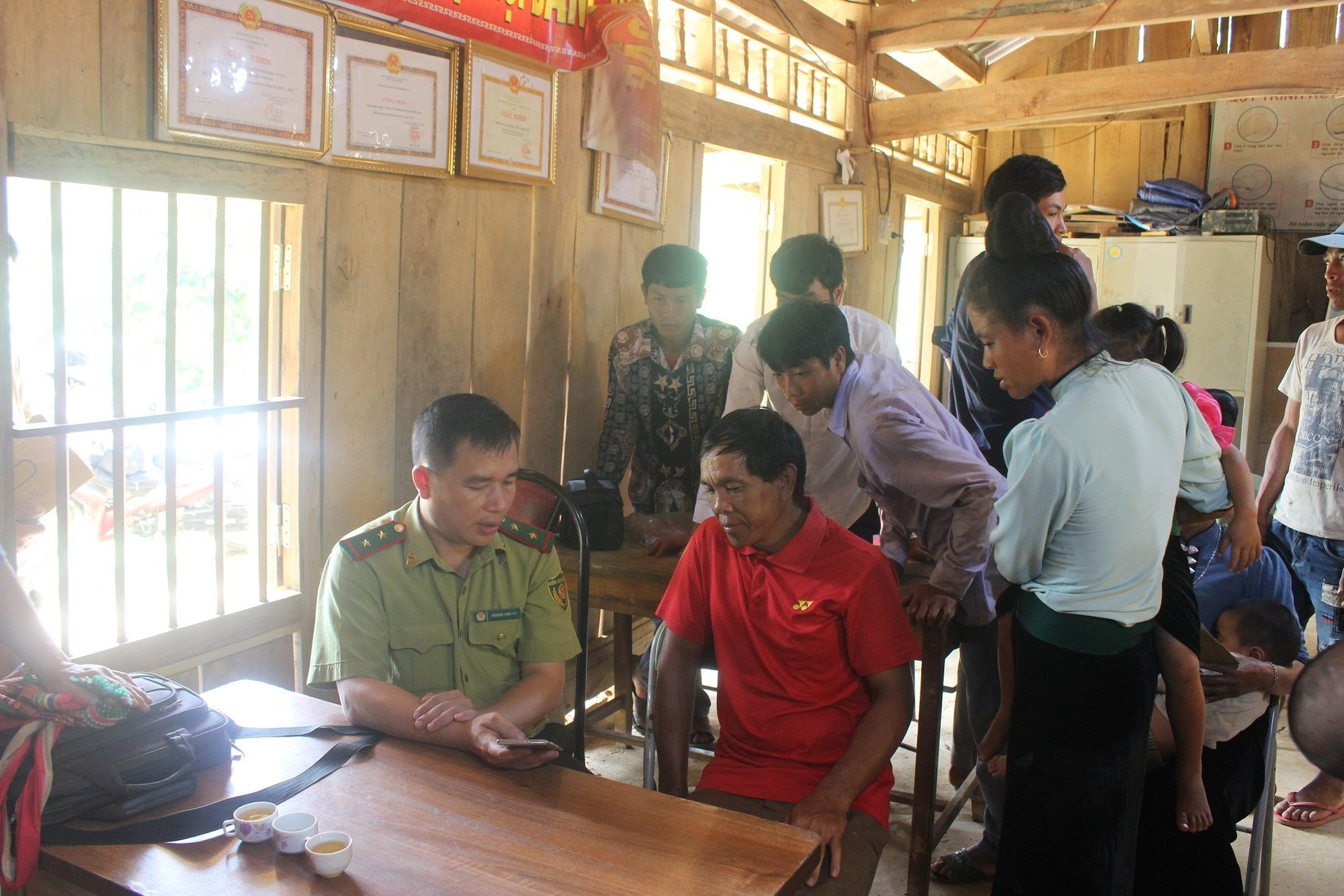
Having finished speaking, Mr. Ky hurriedly prepared for the propaganda meeting. The content of that day's meeting continued to focus on the new regulations on penalties for violations of encroachment, illegal occupation, and destruction of forests for farming; policies supporting people in forest protection contracts; and the Mai Son District People's Committee's policies on forest management, protection, reforestation, and scattered tree planting in 2023…
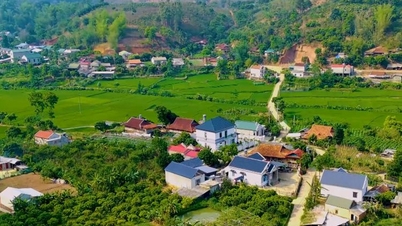
Nestled in a small valley, the village is surrounded by the lush green of forests. Before 2002, Co Hay had only 9 households, but now it has grown to 27 households with 135 inhabitants, currently managing and protecting over 100 hectares of forest under 12 forest owners.
The head of Co Hay village, Mr. Lo Van Dong, said: "Following the advice of the forest rangers, we understand the importance of forests. Protecting forests means preserving our living environment, protecting the land and water, and limiting floods and erosion. Government support for forest protection also generates income for the villagers to develop their economy . Therefore, the villagers always remind each other not to encroach upon or destroy the forest for farming. The village has also formed a team with forest rangers to regularly patrol and protect the forest. In recent years, there have been no forest violations in the village."
Leaving Co Hay, along the road winding through the highland villages, continuing the story of his early days in Phieng Pan, Ky confided: "Usually I only go home on weekends; during peak times, I stay in the commune and village. It's hard to describe all the hardships and difficulties of a local forest ranger, living and sleeping in the forest for weeks, even months at a time. However, even though I've only been attached to this land for more than 7 months, overcoming the initial difficulties and unfamiliarity, I've grown to love this land and its people more and more."
Phiêng Pằn is a border commune facing many difficulties, with 19 villages and 100% of its population being ethnic minorities. Through the process of raising awareness, it is gratifying to see that the people of Phiêng Pằn have a very high level of awareness regarding forest conservation; they understand and grasp the regulations on forest management and protection quite well. Phiêng Pằn currently has over 5,000 hectares of forest, ranking third in Mai Sơn district, with a forest cover rate of over 52%.
However, the local people mainly live on corn and rice, and their lives are still difficult. Therefore, there is still a segment of the population encroaching on and clearing forest land. Although they only clear a small area each year, if not dealt with promptly, it will create negative consequences.
Therefore, local forest rangers must always maintain a high level of vigilance, taking action even on small areas and requiring households to sign commitments not to repeat the offense. For areas that have been encroached upon, they must resolutely prohibit the planting of short-term agricultural crops and instead require reforestation efforts.
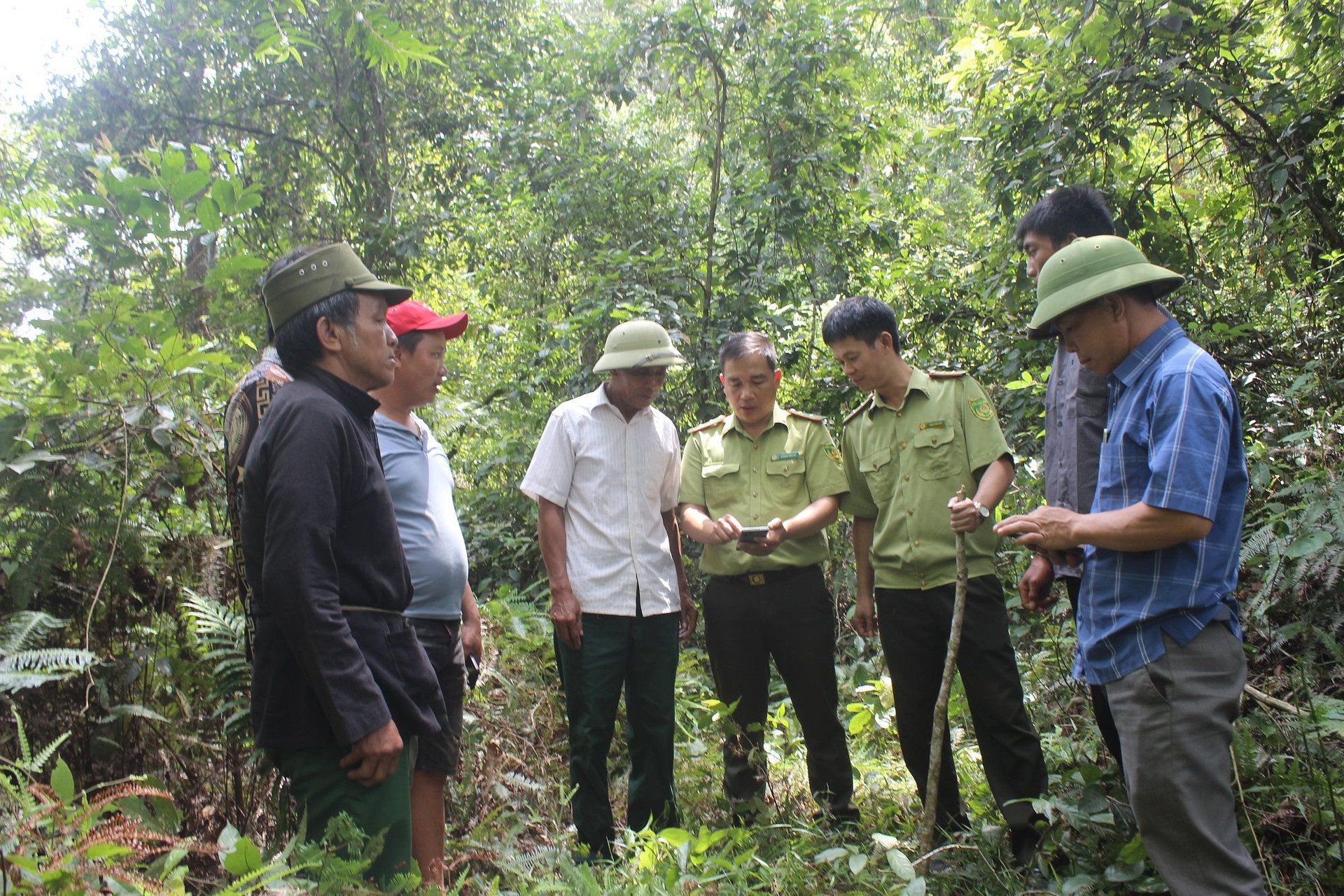
Then, Mr. Ky recounted: "Right here in Co Hay village, recently, through monitoring forest area using satellite imagery and conducting field inspections, we found that three households had experienced a reduction in forest area. I coordinated with the commune's land administration officials to work with these three households. Very honestly, the people said: 'We accidentally cleared a small portion of forest to plant corn and cassava.'"
From the perspective of helping people understand rather than focusing heavily on punishment, we told the households that: Clearing land within the forest area assigned for protection will result in penalties; if they continue to violate the regulations, the forest will be reclaimed and given to someone else. Wouldn't that be a shame? After a moment of hesitation, they shook their heads: "Of course it's a shame," and committed to replanting the cleared area. That was a success!
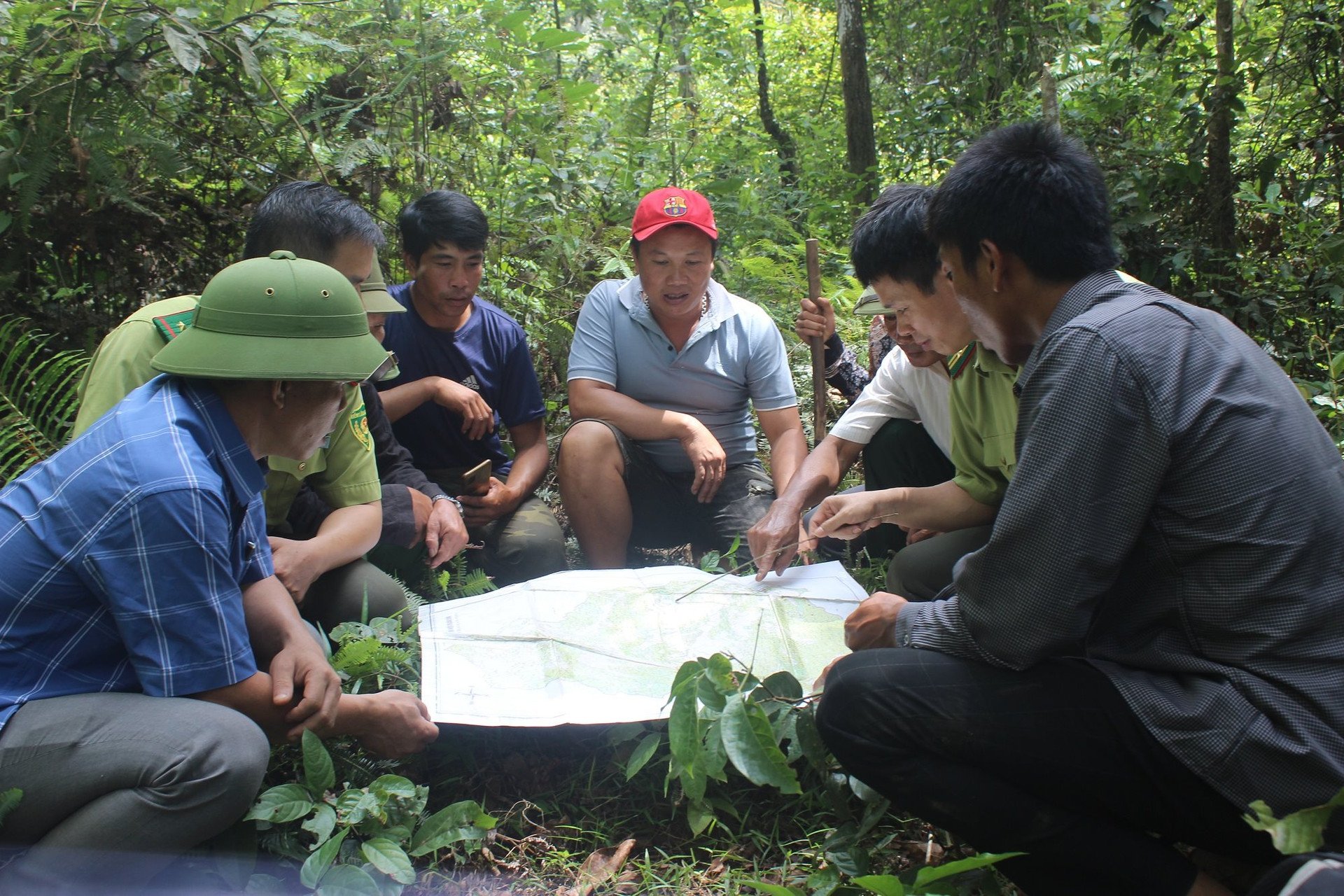
Forest rangers "settle" in villages and hamlets, living and speaking with the people, earning their love and trust. As a result, they are able to mobilize the majority of the people to actively plant and protect forests and preserve the ecological environment.
However, ensuring that local people can make a living from the forest remains a challenging problem. Currently, Son La is in the process of developing and implementing a pilot project on forest carbon credit trading. It is hoped that this trading will create a stable source of income for forest owners each year, and will also help alleviate the difficulties and pressures faced by forest rangers stationed in these remote areas in protecting the forest.
Source

![[Photo] General Secretary and President visit the China-ASEAN AI Application Cooperation Center](https://vphoto.vietnam.vn/thumb/1200x675/vietnam/resource/IMAGE/2026/04/17/1776404277677_vna-potal-tong-bi-thu-chu-tich-nuoc-tham-trung-tam-hop-tac-ung-dung-ai-trung-quoc-asean-8706616-2286-jpg.webp)































![[Photo] National Assembly Chairman Tran Thanh Man attends the policy seminar to promote Vietnam-Türkiye cooperation.](https://vphoto.vietnam.vn/thumb/1200x675/vietnam/resource/IMAGE/2026/04/16/1776351415367_vna-potal-chu-tich-quoc-hoi-tran-thanh-man-du-toa-dam-chinh-sach-thuc-day-hop-tac-viet-nam-tho-nhi-ky-8705791-jpg.webp)

































































Comment (0)