

The project is funded by the Montreal Protocol Multilateral Fund and managed by the World Bank. Its objective is to help Vietnam reduce its baseline consumption of HCFCs (carbon-contaminating organic compounds) by 35%, from 3,600 tons/year to 2,600 tons/year during the 2020-2024 period, in accordance with the Montreal Protocol implementation roadmap.
During the period 2018-2023, the project implemented numerous activities to support the management and elimination of HCFCs, focusing on the following areas: air conditioning, refrigeration equipment manufacturing, insulation foam production, refrigeration equipment maintenance and repair services, and supporting businesses in transitioning to new technologies and eliminating the use of HCFCs. To date, Vietnam has met its commitment to reduce baseline consumption by 35%. Imports since 2020 have consistently been below 2,600 tons per year.
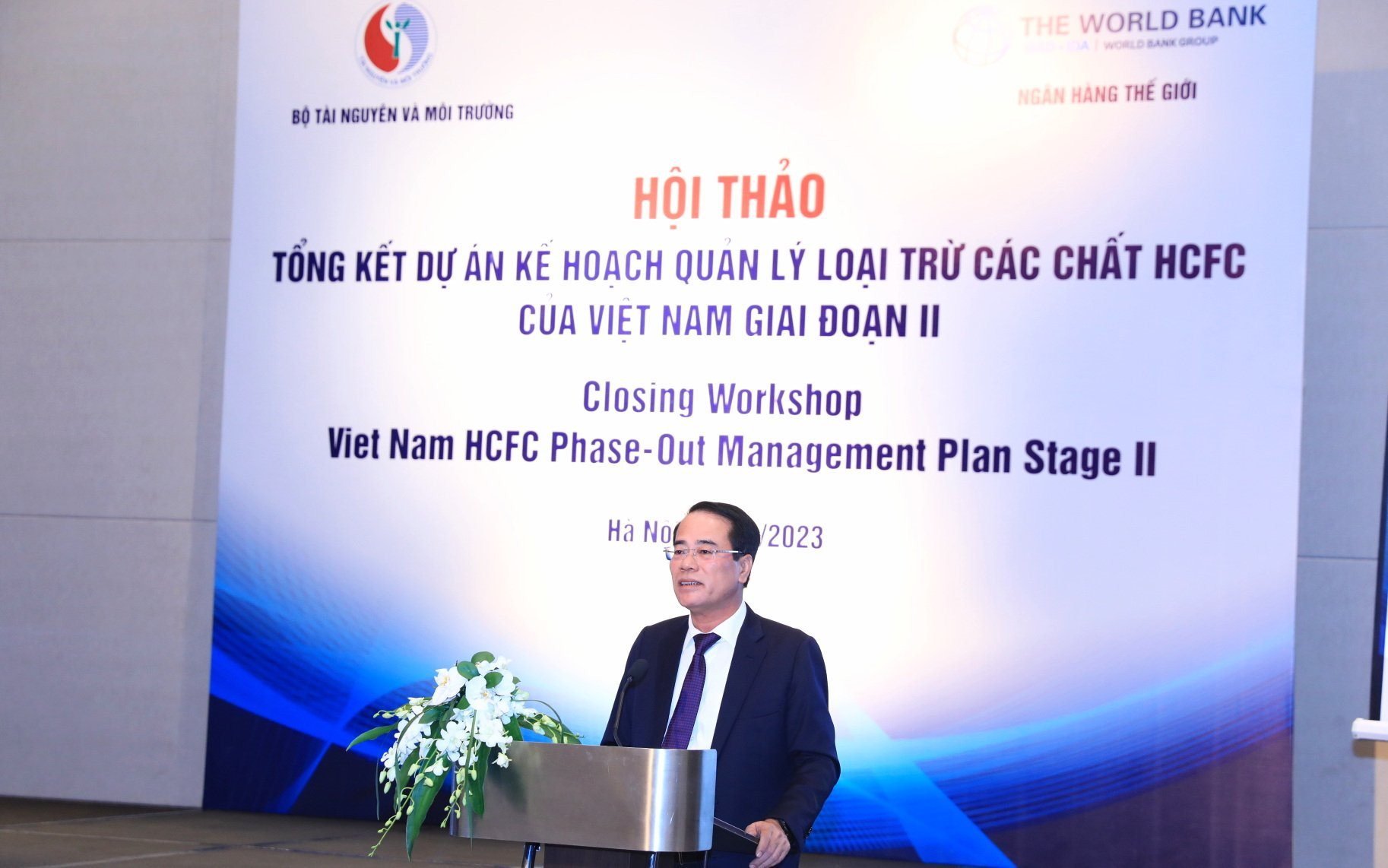
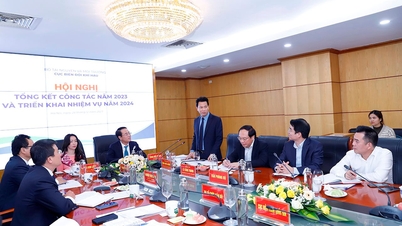
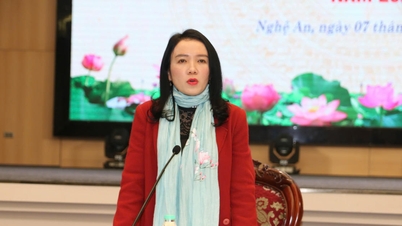
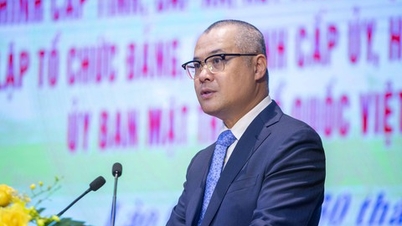
Sharing more details about the project's key results, Mr. Tang The Cuong, Director of the Climate Change Department ( Ministry of Natural Resources and Environment ), said: The project has achieved many very positive results, contributing to ozone layer protection in Vietnam and helping Vietnam achieve its goals under the Vienna Convention and the Montreal Protocol.
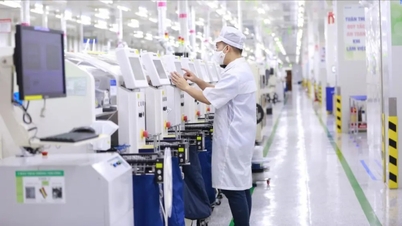
Specifically, regarding the exclusion of HCFC-22 (R-22) consumption, the Project supported Vietnam's only air conditioner manufacturer and several other refrigeration equipment manufacturers in transitioning to technologies that no longer use R-22 refrigerant. From January 7, 2022, Vietnam banned the import of air conditioners using R-22 refrigerant.
Regarding the complete elimination of the consumption of pre-mixed HCFC-141b in polyol in the production of thermal insulation foam, the Project has supported businesses in completely switching to technology using cyclopentane. From January 7, 2023, Vietnam has stipulated a ban on the import of pre-mixed HCFC-141b in polyol.
Along with fulfilling its obligation to reduce baseline consumption of HCFCs by 35% during the 2020-2024 period, with imports below 2,600 tons/year, Vietnam has reduced greenhouse gas emissions by using alternative technologies that have no ozone-depleting potential and low global warming potential. These alternative technologies across various sectors are all ozone-depleting and low-emission (cyclopentane, NH3, CO2).
Over the past five years, many activities aimed at strengthening control over the import and export of HCFCs and raising awareness about ozone layer protection and environmental protection have been actively implemented.
Regarding training and capacity building, the Project coordinated the implementation of training for 350 customs officers on the management of export and import of controlled substances; trained 188 master trainers from vocational education institutions and more than 3,200 technicians on leak management and good practice principles in the installation, maintenance, and repair of refrigeration and air conditioning equipment. In addition, it provided 110 sets of teaching equipment and 300 sets of repair equipment to vocational education institutions and service centers for the repair and maintenance of refrigeration and air conditioning equipment nationwide.
According to Mr. Tang The Cuong, these results were achieved thanks to the active support of World Bank experts, the close coordination of ministries, sectors and related agencies such as the General Department of Customs (Ministry of Finance), the General Department of Vocational Education (Ministry of Labor, Invalids and Social Affairs), the General Department of Standards, Metrology and Quality (Ministry of Science and Technology), the Vietnam Association of Refrigeration and Air Conditioning Technology, the Institute of Thermal and Refrigeration Science and Technology and the Mechanical Engineering School (Hanoi University of Technology), local electronics and refrigeration associations and branches, colleges and vocational schools training in refrigeration and air conditioning technology, and domestic and international experts. In particular, the businesses participating in the technology transformation were determined to overcome the difficulties of the Covid-19 pandemic and the evolving circumstances to promptly implement the activities.
“After the technological transition, some businesses have expanded and developed their markets, exporting products manufactured using the new technology to countries in the region, ensuring compliance with environmental and climate standards. Legal regulations in the field of ozone layer protection are gradually being perfected and are beginning to be implemented,” Mr. Tang The Cuong shared.
Through the Project, the Climate Change Department developed and submitted for promulgation the National Standard TCVN 13334:2021 on polyurethane (PU) insulation foam using flammable blowing agents - Safety requirements in production applicable to enterprises producing PU insulation foam using flammable blowing agents (Decision No. 1500/QD-BKHCN dated June 8, 2021 of the Ministry of Science and Technology); developed a draft training program on refrigerant recovery and good practices to reduce refrigerant leakage into the environment, submitted to the General Department of Vocational Education for consideration and integration into training in the vocational education system; and developed a draft standard on safety in the production and installation of wall-mounted air conditioners using R-32, proposing it to the Ministry of Science and Technology for promulgation.
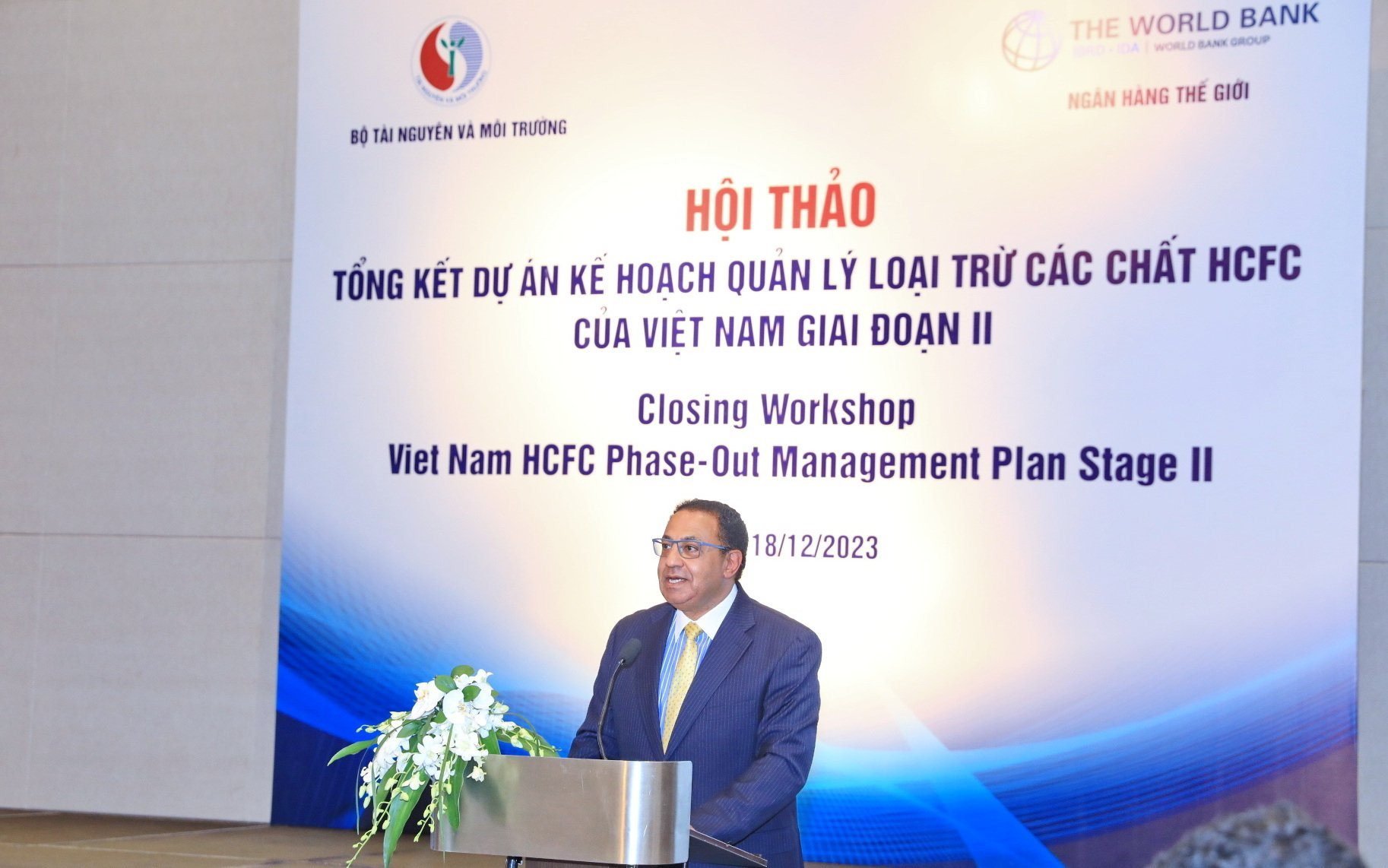
Mr. Ahmed Eiweida, Head of Sustainable Development at the World Bank in Vietnam, highly appreciated the efforts of agencies, organizations, and businesses over the past period. The project has helped to enhance the capacity of stakeholders and, at the same time, provided many important practical lessons contributing to the roadmap for managing and eliminating ozone-depleting HCFCs and other high-potential global warming substances in the future.
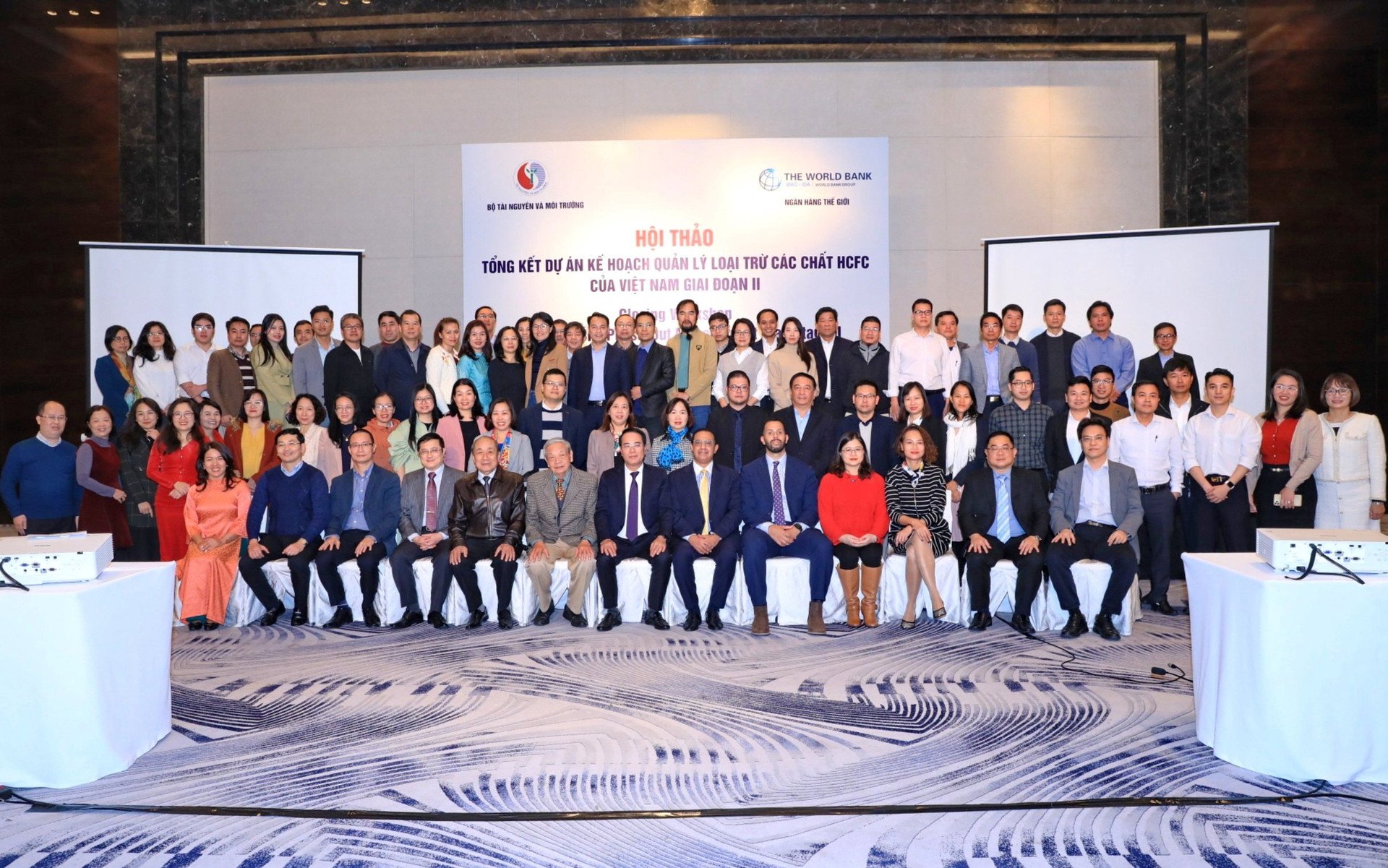
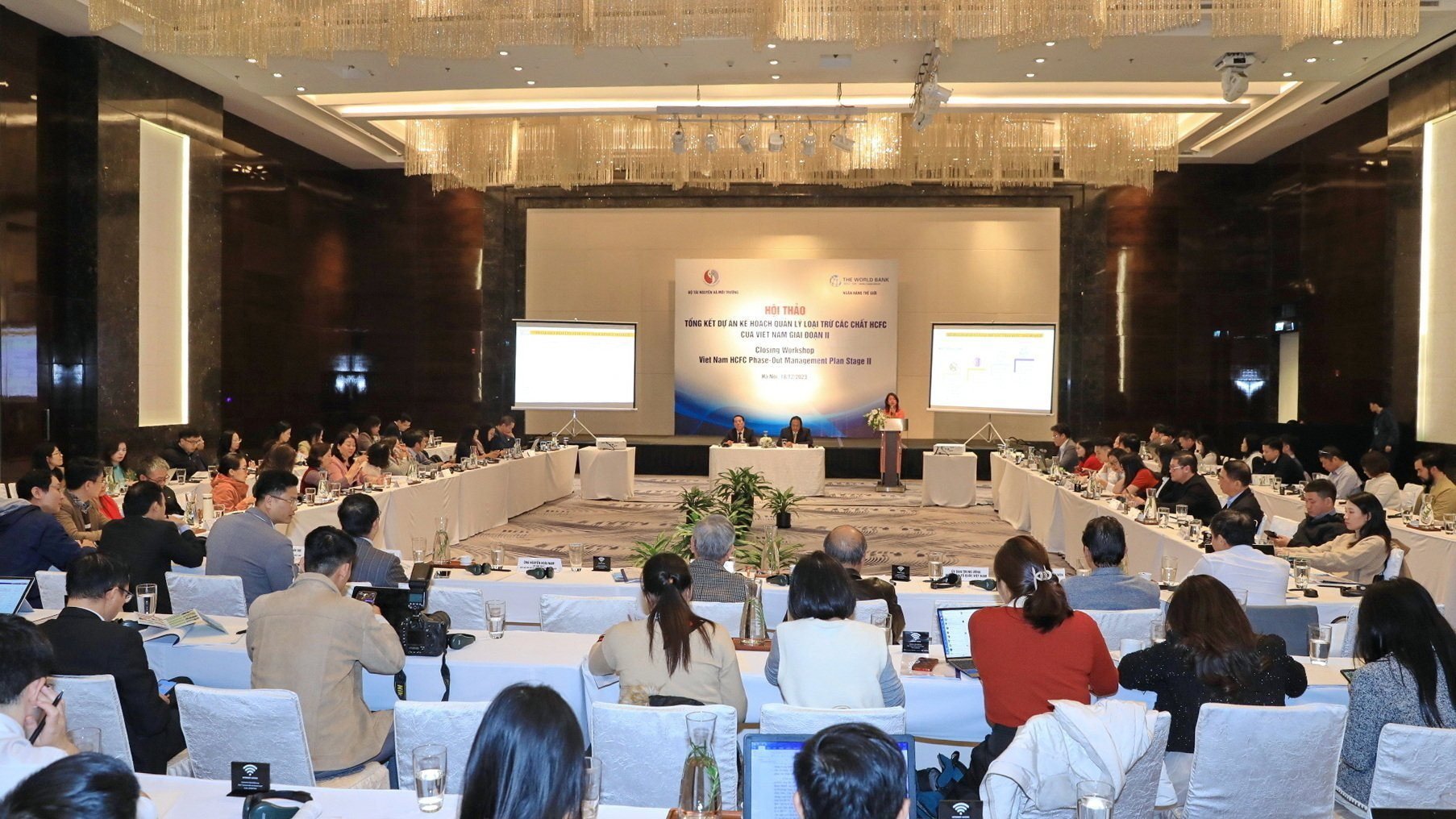
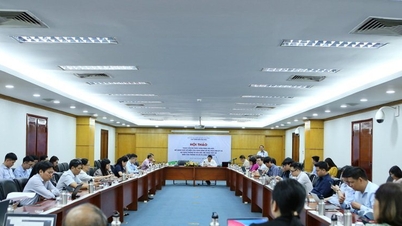
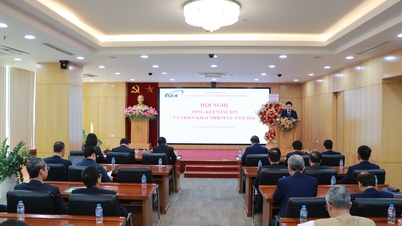
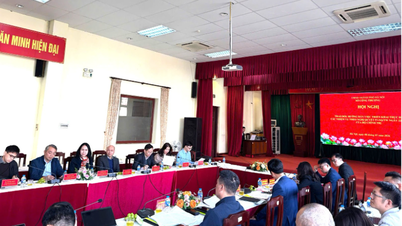
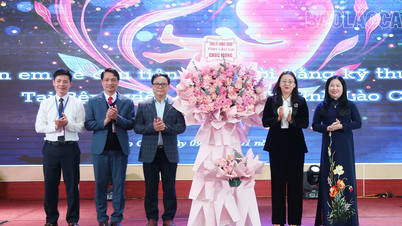
At the workshop, delegates shared the results of implementing the Montreal Protocol on Substances that Deplete the Ozone Layer and the HPMPII Project; the direction for implementing the Montreal Protocol in the future; and the requirements for state management.
Building on the achievements already made and continuing the implementation of the Montreal Protocol, the Climate Change Department, in collaboration with the World Bank and the United Nations Environment Programme, has researched key issues and priority areas to advise on measures to eliminate controlled substances.
Vietnam has submitted to the Montreal Protocol Implementation Multilateral Fund a proposal for the Sustainable Management of Controlled Substances under the Montreal Protocol (KIP I and HPMP III). The main focus includes: Continuing to eliminate the consumption of HCFCs in the refrigeration and air conditioning equipment maintenance and repair services sector; supporting compliance with the obligation to maintain consumption at baseline levels by 2024 and eliminating 10% of baseline HFC consumption by 2029.
Source


















































Comment (0)