

Currently, the weather is in a transitional period, creating favorable conditions for bacteria and viruses that cause diseases in livestock to thrive. To ensure meat production for the end of the year, in addition to providing technical guidance and support to livestock farmers in restocking and increasing their herds, disease prevention and control measures to protect livestock in Mong Cai City are also being actively implemented.
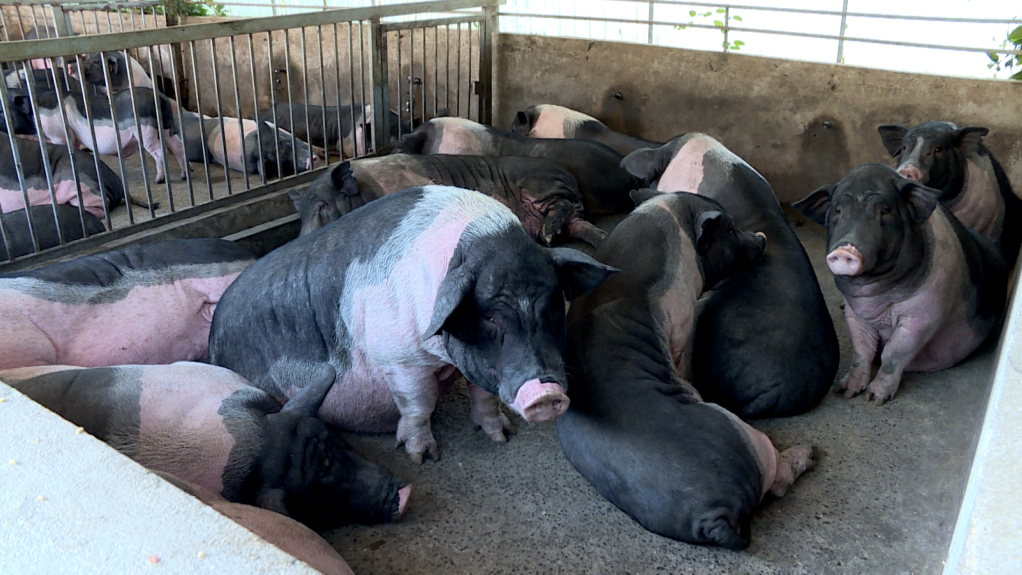
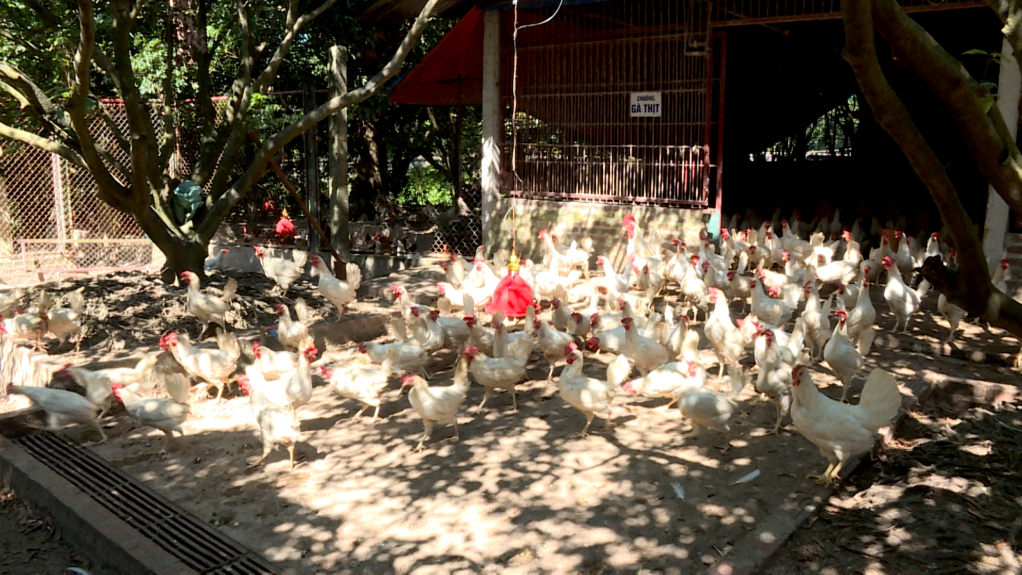
As of now, the total livestock and poultry population in Mong Cai city is estimated at approximately 233,100 animals. This includes 4,100 buffaloes, 8,300 cattle, 23,500 pigs, and 197,200 poultry. Although no outbreaks of disease have been recorded among livestock and poultry, the city's agricultural sector continues to proactively implement disease prevention measures, especially given the complex weather patterns during the transitional seasons, which can easily lead to outbreaks.
On October 16th, Mong Cai City issued document No. 3249/UBND regarding strengthening animal disease prevention and control and vaccination of livestock in the city. In particular, the control and prevention of African Swine Fever (ASF) was given special attention. Mong Cai is a locality that conducted a trial vaccination against ASF in early August on nearly 2,400 pigs belonging to 180 households in four communes/wards: Hai Xuan, Hai Tien, Hai Dong, and Hai Yen. To date, no outbreaks have been recorded in these households. Based on these results, many livestock farmers have proactively contacted local veterinary officials to learn about the vaccine and vaccinate their pigs.
Hoang Nam Safe Food Production and Agricultural, Forestry and Fisheries Services Cooperative currently has 200 breeding sows and over 1,000 fattening pigs (one of the largest Mong Cai pig breeding facilities in the entire city). Although no outbreaks have been recorded in the area, the cooperative still strictly maintains disease prevention measures, from regularly cleaning the barns, spraying disinfectant inside and outside the breeding area weekly, to booster vaccinations for adult pigs and new vaccinations for piglets as soon as they reach the required age.
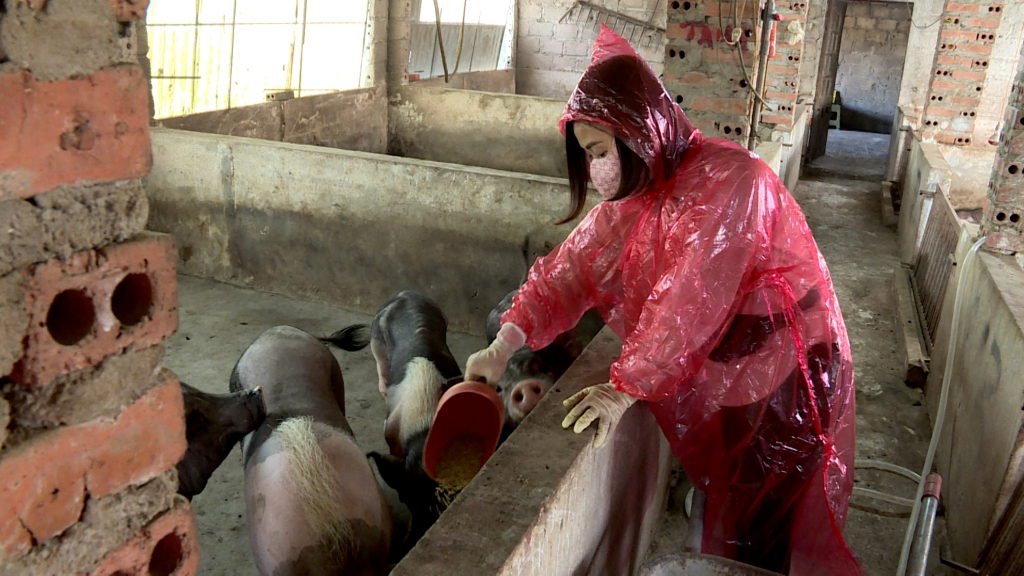
Ms. Bui Thi My Le, Director of the cooperative, said: "Regarding the African swine fever vaccine, we were one of the facilities that conducted trial vaccinations last August. Although the results were very promising, we did not neglect other disease prevention measures. Our cooperative always strictly emphasizes to each member the importance of complying with disease prevention and control measures."
Besides proactively preventing and controlling African swine fever, the changing seasons also create favorable conditions for viruses and bacteria to develop, posing a potential risk of outbreaks of various diseases. In addition to actively organizing vaccination campaigns for livestock and poultry, Mong Cai also organized a month-long comprehensive sanitation and disinfection campaign for livestock farming environments throughout the city. Local veterinary officers were directly assigned to guide farmers in clearing vegetation around livestock pens, sweeping and collecting manure and waste for burning or burial, clearing drainage ditches; disinfecting and spraying disinfectant throughout all livestock pens, farming areas, and surrounding areas; and proactively cleaning and disinfecting vehicles transporting livestock, poultry, livestock products, and animal feed before entering and leaving the facilities. Simultaneously, localities also proactively promoted the dissemination of technical guidance on livestock farming.
Ms. Le Thuy Hang, a veterinary officer in Hai Yen ward, said: "From October 30th to November 30th, the locality will implement vaccination programs for livestock and poultry. Following that, a review and follow-up vaccination will be conducted from December 1st to 5th to ensure the vaccination rate reaches the maximum possible level. At the same time, to prepare for winter, we are also guiding livestock farmers to implement effective disease prevention and control measures, repair barns to ensure they are dry and protected from rain and wind; and strengthen care and nutrition to improve the animals' resistance."
Ms. Nguyen Thi Hai, Deputy Head of the Economic Department of Mong Cai City, added: The city will also focus on monitoring and detecting disease outbreaks early if they occur in the area, and handling outbreaks efficiently to prevent widespread transmission. At the same time, it will strictly implement the regulations of the Veterinary Law, requiring communes and wards to report cases of violations in vaccination work, including evasion of vaccination against diseases on the mandatory vaccination list; and will record instances of livestock farmers failing to vaccinate their livestock and poultry, sending the reports to the People's Committees of communes and wards for consideration and handling according to the law.
To date, the vaccination rate for livestock and poultry in the city has reached approximately 50% of the total herd. Local authorities are also actively implementing vaccination programs to ensure disease prevention and control.
According to calculations, the demand for meat consumption during the Tet holiday month alone will increase by 10-15%. Quang Ninh is also a locality that imports a large portion of its meat from other provinces. To ensure a balanced supply, the Department of Agriculture and Rural Development has also advised localities to focus on effective disease prevention to ensure that the total livestock population does not suffer losses.
Source




















































































Comment (0)