


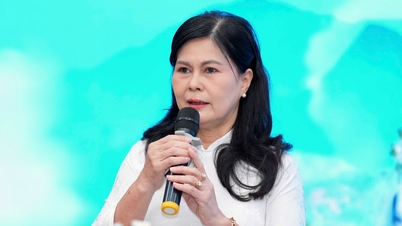
Tra Ngoc Hang, born in 1990, is known as Miss Dat Mui, Top 10 Vietnam Supermodel 2010, and First Runner-up Miss International Vietnamese 2011. Before temporarily suspending her artistic activities to focus on business, Tra Ngoc Hang was actively involved in singing, acting, and modeling.
However, while wholeheartedly pursuing her passion, she discovered she was pregnant. At that time, the 9X model was extremely worried, because she and her boyfriend had broken up a few months earlier. The model said that because she didn't want her family to worry, she didn't tell them about the pregnancy. She even dismissed her housekeeper and did everything herself. There were days when, feeling tired and depressed, Tra Ngoc Hang would just eat instant noodles to get through the day.
The 9X model reminisced: "Being a celebrity meant a lot of gossip and rumors, so I was very careful. I stayed home and didn't want to meet anyone because I was afraid it would affect my mental state during pregnancy. At that time, I lived in the same neighborhood as I do now, but I felt like I was 'avoiding the world .' When I went for coffee or to the park, I would wait until 8 or 9 pm, when everyone had left and there was no one around."

While wholeheartedly pursuing her passion, runner-up Tra Ngoc Hang discovered she was pregnant.
Tra Ngoc Hang said that she is inherently a strong person. Since childhood, she has always overcome everything on her own. Despite stress, fatigue, and many worries, after a while, she mustered the courage to tell her mother about her pregnancy. From then on, her mood improved, and she happily welcomed her daughter Sophia into the world.
As a single mother, Tra Ngoc Hang set early standards for her daughter, teaching her to seize happiness for herself without depending on anyone. It might seem that Tra Ngoc Hang's little angel is still too young to fully understand her mother's teachings, but perhaps preparing her daughter with all the important "tools" for growing up each day shows the positive direction this single mother is taking.
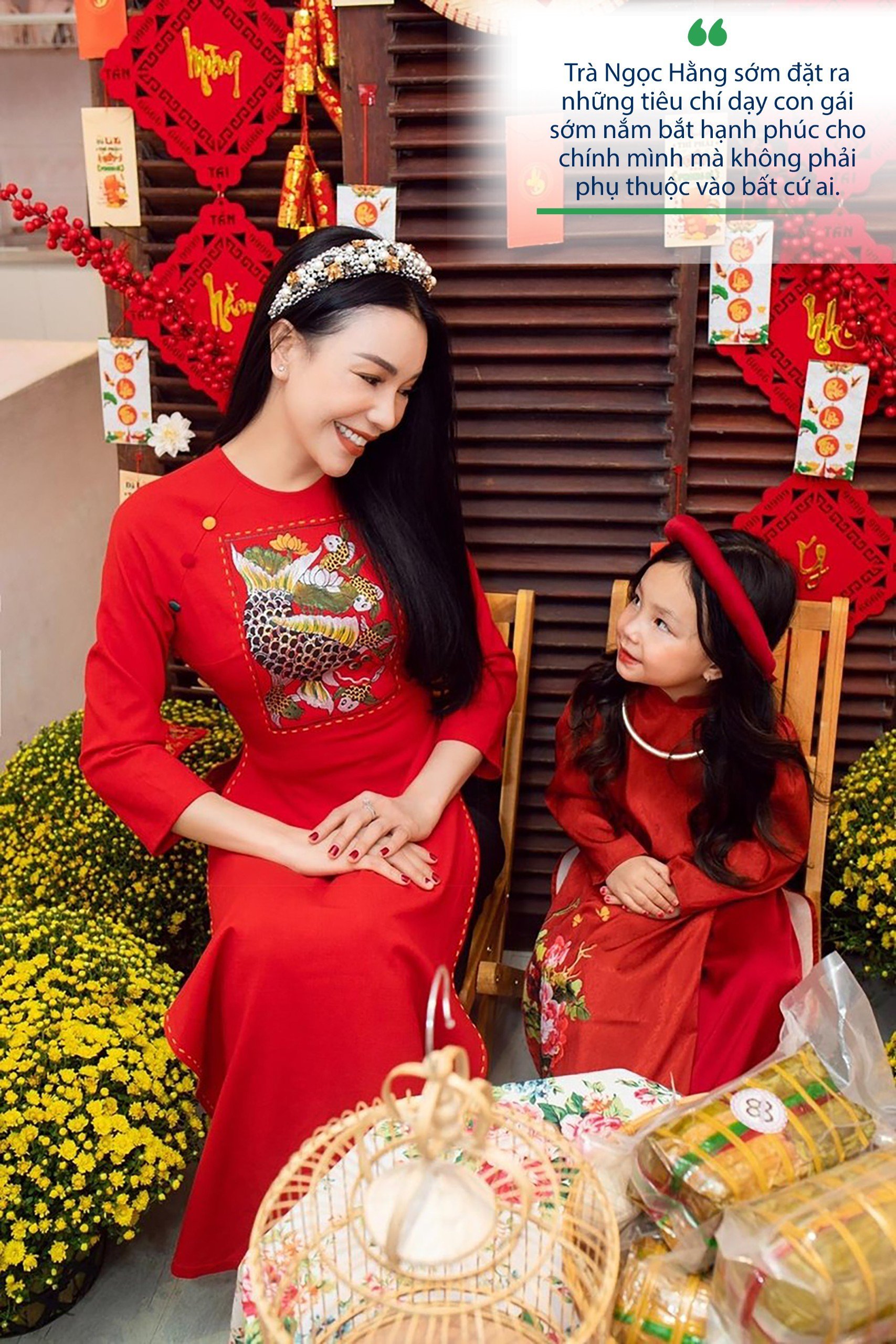
Sophia is very attached to her mother, but whenever her mother gives her something to eat or drink, she is always able to take care of herself. Tra Ngoc Hang advised her daughter: "You must be independent. You don't need to be the best, but you must be knowledgeable enough, independent enough, capable enough, and in control of your own life."
Over the past period, in each project and activity, Tra Ngoc Hang has embodied a greater desire for herself. It's the heart of a mother, a heart that listens to and accompanies her child like a friend.
She said that even though her daughter is still young, and as a mother she can almost completely decide everything according to her own wishes, Tra Ngoc Hang always tries to keep her promises to her daughter. Wherever she goes, whatever she does, no matter how busy she is, once she has promised her daughter, she will do everything she can to fulfill it. That is the clearest, most practical, and most valuable lesson about promises that a child can immediately understand.
And one of the virtues that Tra Ngoc Hang hopes will increasingly fill her daughter's soul is filial piety and caring. She advised Sophia: "You must know how to care for and be filial to your family. You must always share with everyone."
It's clear that while the singer teaches her daughter independence, not to rely too much on her mother or relatives, to take care of herself and seize her own happiness, what Tra Ngoc Hang always wants her daughter to remember is about family. Because that is the origin, the roots, the place where she can feel secure when she steps into life.
Putting filial piety first is a principle Tra Ngoc Hang teaches herself. Looking at her daughter, a reflection of her own innocent self, she increasingly wants to teach her daughter genuine care and love to build strong relationships for her future growth.
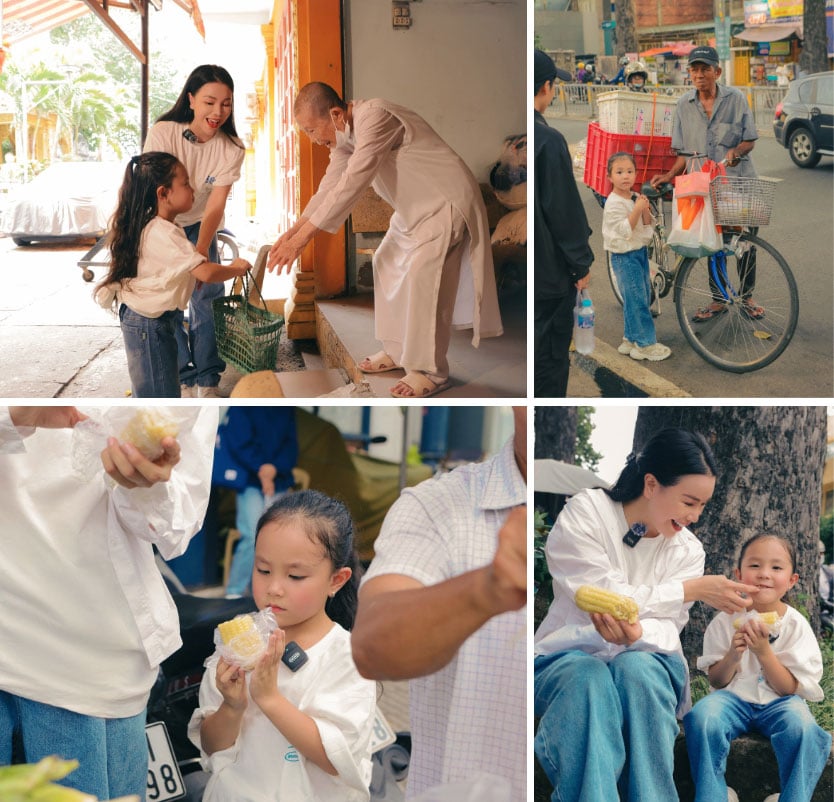
One of the virtues that Tra Ngoc Hang hopes to instill in her daughter's heart is filial piety and caring.
Recently, the beauty queen born in 1990 shared three more ways to raise her children to avoid unfortunate dangers following the kidnapping of two girls on Nguyen Hue pedestrian street.
First: You are not allowed to go out with anyone without your mother's permission.
Secondly: Do not accept gifts from anyone without your mother's permission, because easily accepting gifts from others means they are trying to trick you into giving them gifts.
Thirdly: You must not change clothes in public or in front of anyone, even close friends or family. You must learn to live by your own rules and develop this mindset from a young age...
Tra Ngoc Hang's parenting style has received much support from the public.
Without claiming to be a perfect mother, Tra Ngoc Hang is still striving to provide the best for her daughter, including a fulfilling life and guidance, helping Sophia grow into a mature young woman who lives according to her interests and learns to love and appreciate everything around her.
"I want my daughter to live life according to her age. Later on, if she can pursue a career in the arts, become a model, or any other profession, I will still support her. Of course, it would be very interesting if Sophia worked in the same field as her mother," she said.
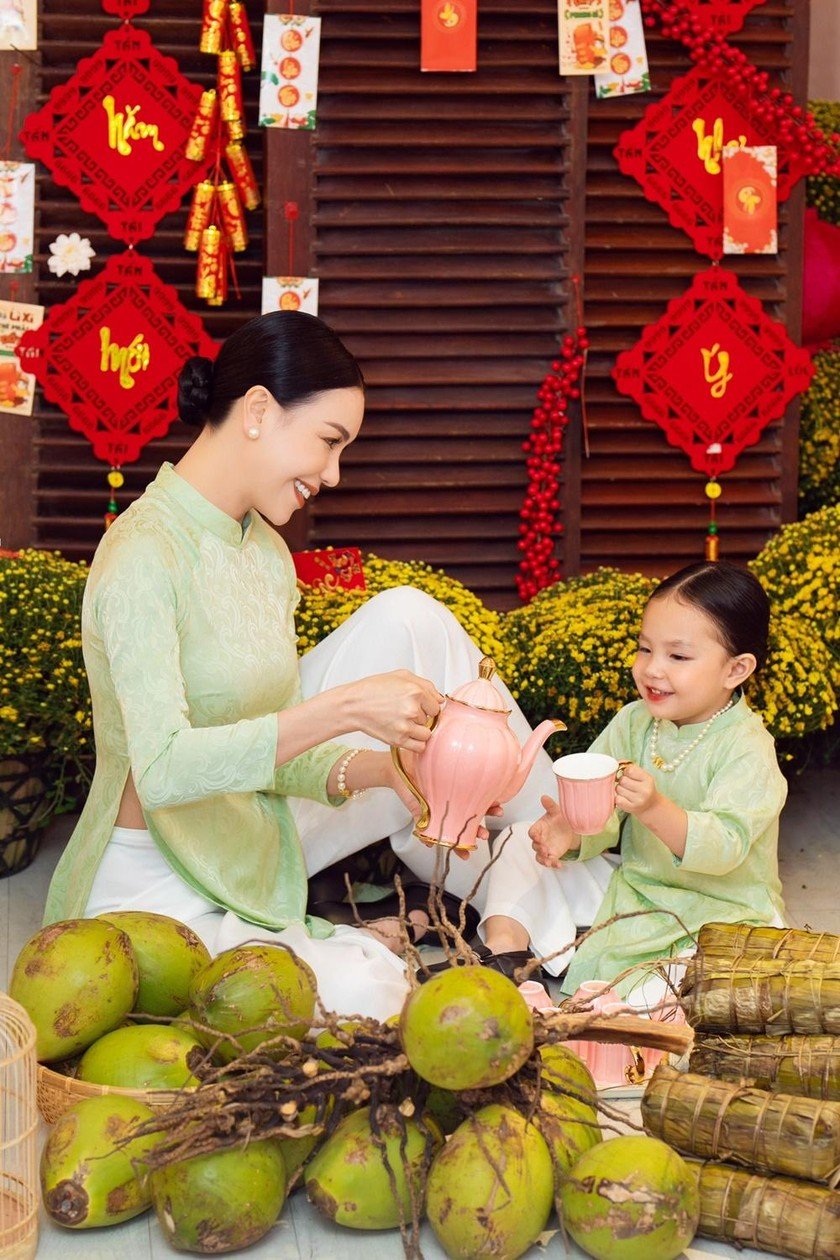
Tra Ngoc Hang's parenting style has received much support from the public.

Just as a mother bird teaches her chicks to fly and forage for food, it's crucial for us to train our children to be independent. You've probably never heard a mother bird say to her chick, "Stay in this nest. There are so many houses out there; it will be difficult for you to fly and you won't find food. Stay in the nest as long as possible."
No matter how protective you are of your child, you can't be with them their whole life. Therefore, you need to teach your child independence from a young age so they can grow up to be independent adults. In addition, here are 10 reasons why you should teach your child independence, according to the website FamilyShare:
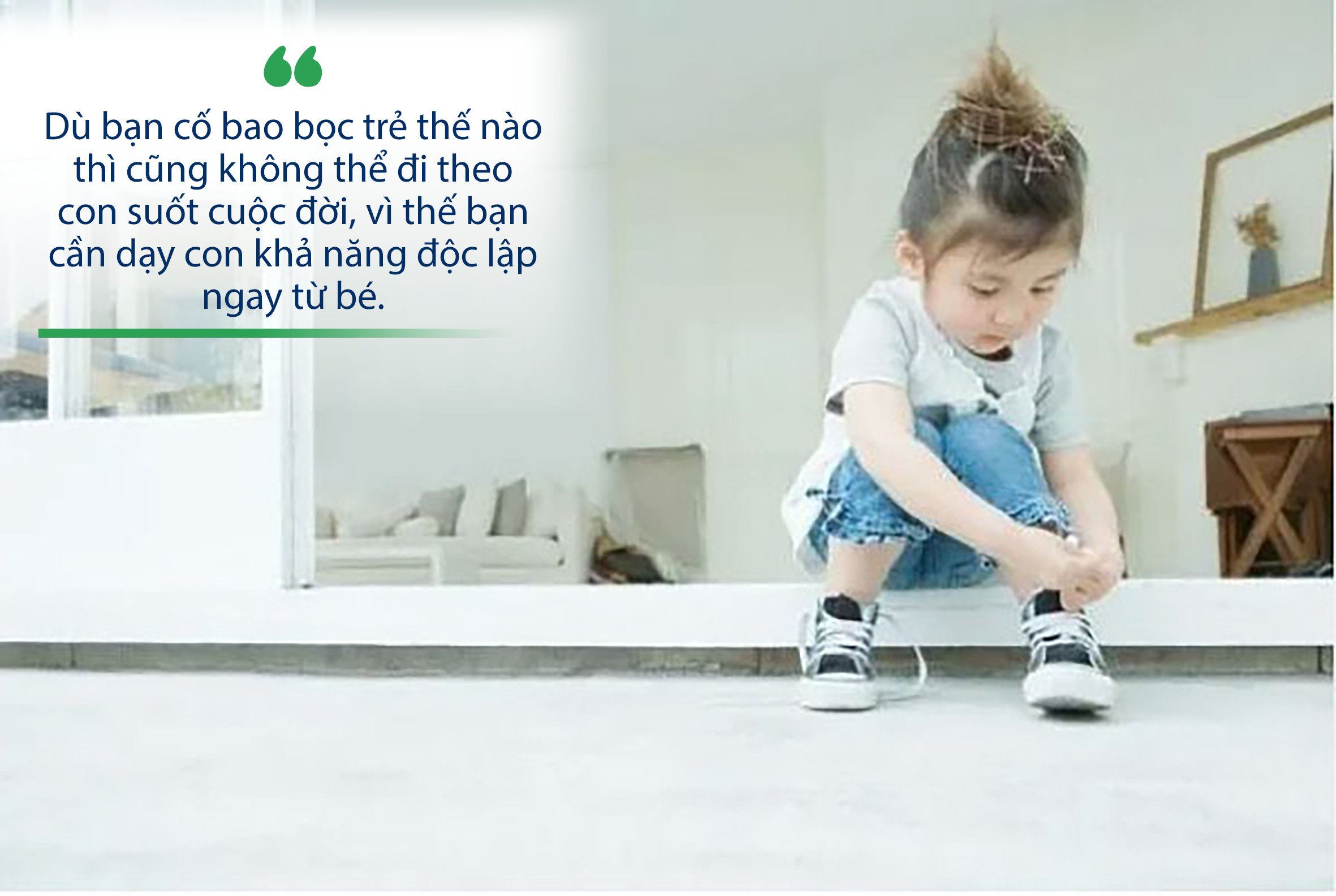
Illustrative image
1. Teaching children independence means giving them the message: "You are valuable, useful, and capable."
2. You will receive help with all the chores the children can do: They need to clean their own rooms, do their own laundry, and do some chores when the family prepares meals.
3. You will become better parents: You want your children to grow up to be independent adults.
4. This serves as a reminder to the children: "You can do this ." They will then do many things more quickly and better.
5. Learning independence is also beneficial for children's academic studies. What they are learning can be applied to the tasks they are undertaking. For example, when learning to bake, understanding mathematical measurements will be even more helpful.
6. Your child's self-esteem will be nurtured. True self-esteem comes from doing things for yourself.
7. Children will appreciate you more. After fixing something or cooking on their own once, they will realize how difficult the task is.
8. The child will have enough courage and confidence to try new things or more challenging tasks.
9. Your parenting career will become much more meaningful. You are training your child to be an independent adult, and everything you do is geared towards that goal.
10. The children may move out when they get older.
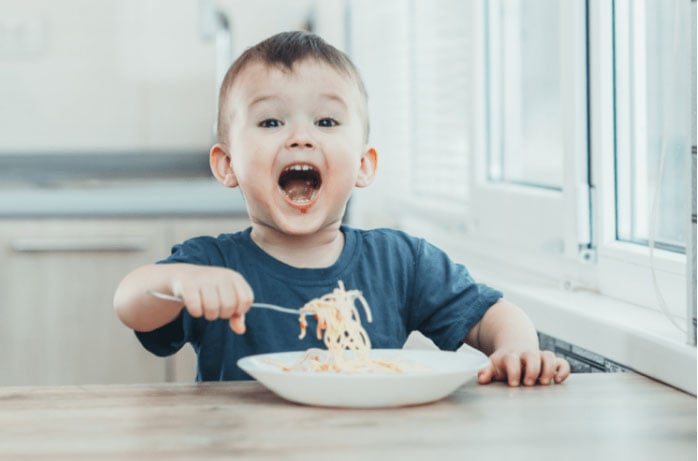
With proper training, children will be able to fly on their own wings and take care of themselves. (Illustrative image)
Many parents don't understand the importance of raising independent children. Take Freida (living in the US), for example. She grew up in a very frugal family. So when she had a child, Freida promised herself she would never say "No" to him. Now her son is 35, but he still can't take care of himself; Freida even manages his bank accounts and finances for him. Is he happy? Certainly not.
Many parents might find it harsh to force their children to do things themselves. They may still ask their children to do it, but if the child whines, they'll change their minds and do it for them.
Conversely, parents who aim to raise independent children understand that while independent parenting might make children unhappy and less affectionate towards their parents in the short term, in the long run, the child will understand that their parents love them enough not to interfere if they follow their rules.
These parents understand that if they continue to monitor their children's work and focus on teaching them independence, they will reap the rewards. First, they guide their children on how to do things, then they work alongside them, then they let their children do things independently, and they firmly refuse to do for them what their children are capable of doing themselves.
With proper training, children will be able to fly on their own wings and take care of themselves. That is the goal of true parents.

Ask the child to take you to the parking spot or show you the way home.
To help your child develop navigation and memory skills, wherever you go, let your child lead you to the parking spot or give you directions home. This helps build confidence and independence. This method can be applied even while jogging, fishing, or shopping.
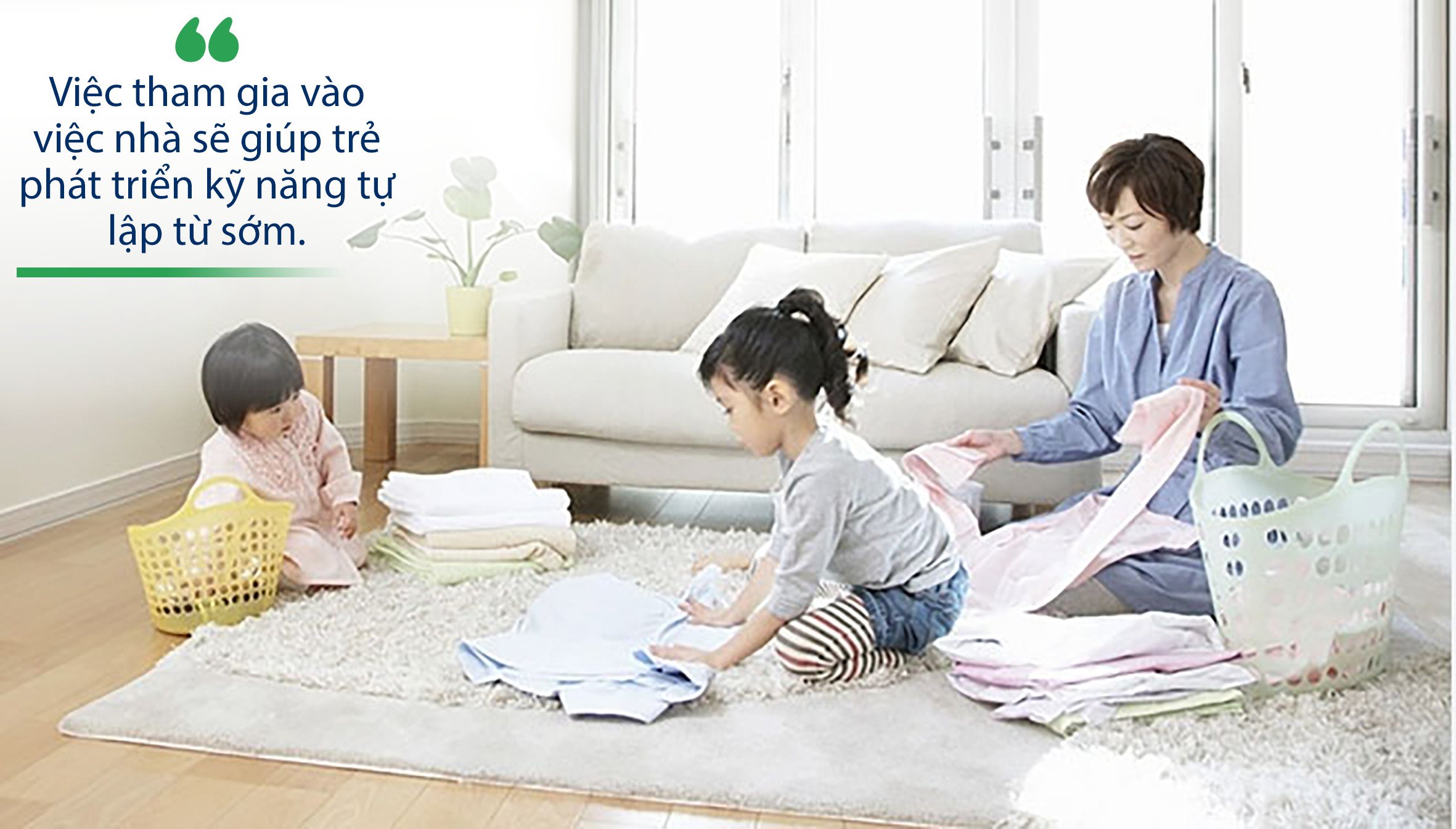
Illustrative image
Teach your child to remember their full name.
Many children, even older ones, don't know their full names because they're often called by nicknames at home. This is quite dangerous if a child gets lost. From a young age, children should be taught their full names, their parents' full names, and their home address and parents' phone numbers in case of emergency.
Rearranging the house helps children access everything safely.
Children who learn to organize their toys and rooms from a young age will become more independent as adults. Therefore, adults should place household items such as napkins, dishes, water, and clothes in places where children can easily reach and access them. Children should be allowed to do things themselves from a young age; otherwise, they will have no opportunity to become independent.
Participating in household chores helps children develop independence skills from an early age. Being given tasks like cleaning their room, folding clothes, or helping with meals teaches them self-reliance and how to take care of themselves without depending on others.
This skill is not only important during childhood but also forms a solid foundation for independent living later in life as an adult.
Don't constantly pressure children with chores.
Constant nagging will only backfire, making children discouraged from doing chores and increasingly dependent on their parents. Therefore, never nag with phrases like, "Don't forget to wash the dishes if you want more playtime." Saying that will only make children accustomed to being pressured and reminded, rather than doing things on their own.
Children should only be reminded once, and then given the opportunity to prove they can be independent.
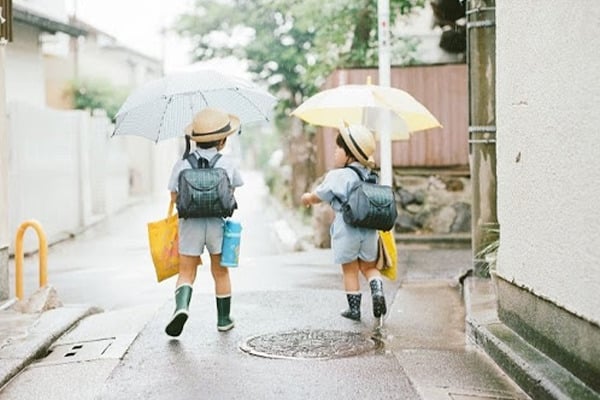
From a young age, children should be taught their full names, their parents' names, and to memorize their home address and their parents' phone numbers in case of emergency. (Illustrative image)
Give children the opportunity to choose, even when they are being rewarded.
When parents want to reward their children with something like candy or fruit, they should ask how many items they want. For example, "Do you want three or five apples?", children will usually choose the larger number and feel like they have completed a task. In this way, they will become more confident and also develop independence.
Exposing children to numbers and allowing them to make their own decisions will help them better understand the value of money.
Encourage children to play alone.
When children are one year old, you can encourage them to play independently. Start by letting them play in a room for a few minutes without adult supervision, then gradually increase the time.
Whenever you're in the kitchen preparing dinner, give your child a bowl and a few spoons to play with on their own. If those methods don't work, you can give them a light snack while you finish your chores.

Problem-solving skills
During independent work without parental assistance, children will encounter unexpected situations that they need to solve on their own. This will give them the opportunity to develop logical thinking, analytical skills, and the ability to solve problems creatively and efficiently.
Responsibility
Allowing children to complete tasks also helps them develop a greater sense of responsibility. Each child learns that every task they undertake requires responsibility to be completed well and on time.
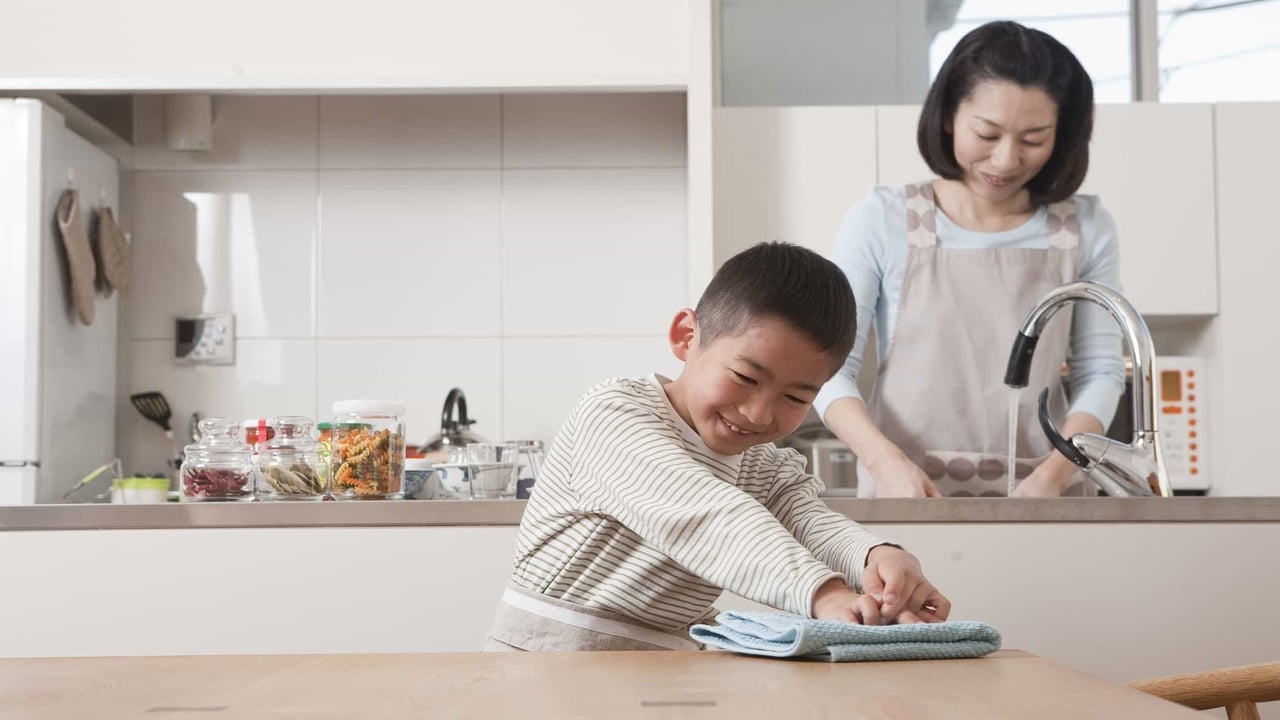
Being independent in everything they do often requires perseverance and meticulousness, so children will learn lessons about the value of patience. (Illustrative image)
Patience
Being independent in all aspects of one's life often requires perseverance and meticulousness, so children will learn lessons about the value of patience, hard work, and continuous effort to achieve the best results.
Develop communication skills
During the process of fostering independence, parents should encourage children to express their opinions and discuss with other family members. This will help children develop communication skills, learn to listen, and express their views clearly.
Boost self-confidence
When children complete a task, regardless of the outcome, they feel confident and proud of themselves. Self-confidence is one of the important foundations for the development of their personality and their efforts to achieve success in society in the future.

According to psychologists, parents should avoid the following mistakes when raising their children, as reported by Reader's Digest.
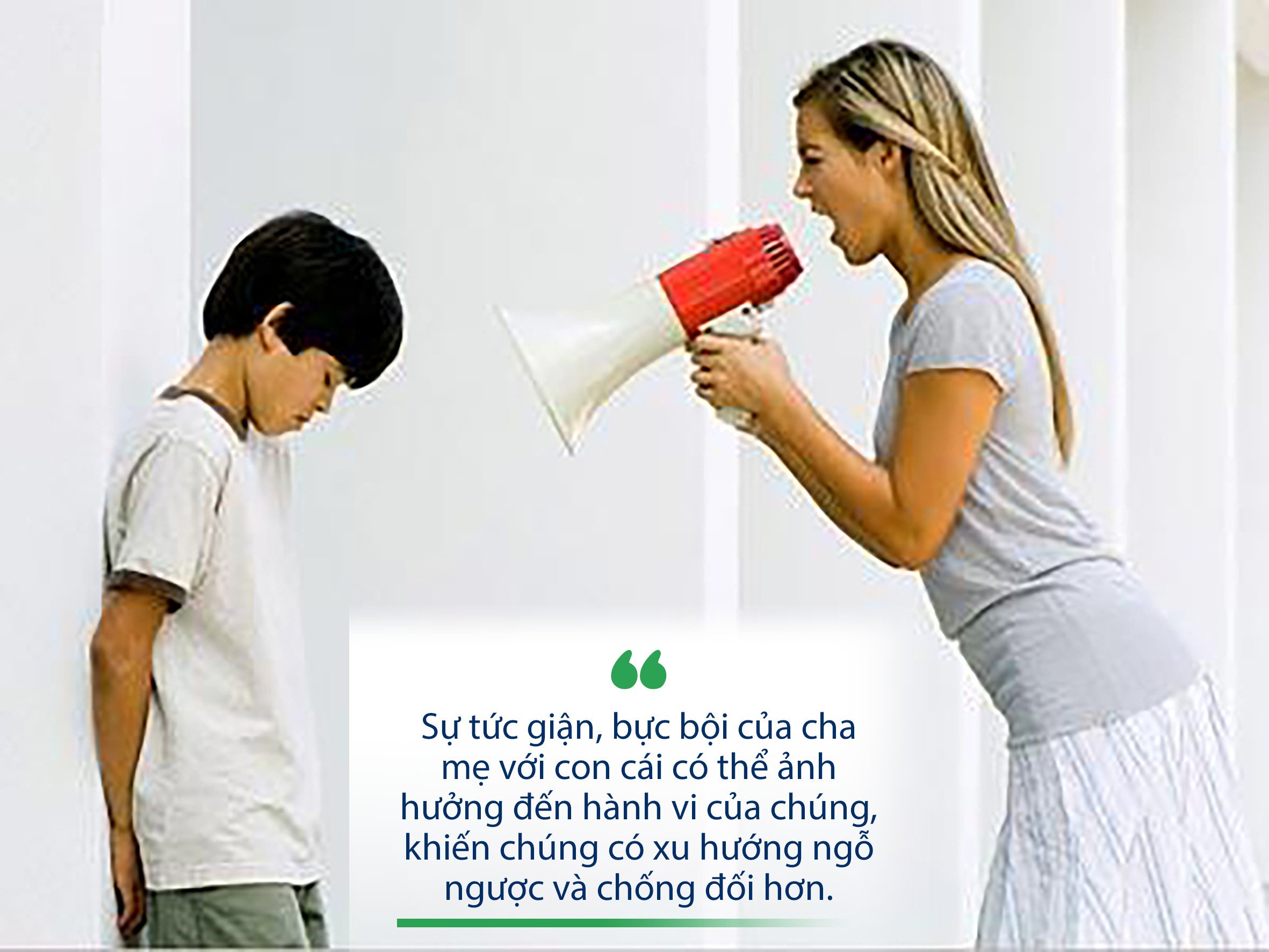
Unable to control anger
Parents' anger and frustration towards their children can affect their behavior, making them more prone to defiance and rebellion. When parents learn to control their anger, they will notice a remarkable improvement in their children's behavior, according to American psychologist Jeffrey Bernstein, as quoted by Reader's Digest.
For example, parents might get frustrated because their child can't put on their shoes by themselves in the morning for school, causing them to be late. Instead of scolding the child and making them rebellious, they should get ready 5 to 10 minutes earlier, says Dr. Bernstein.
Comparing your child to others
One of the biggest mistakes parents make is comparing their child's misbehavior to the good behavior of other children, including siblings, with the goal of making their own child behave better.
However, this approach not only fails to improve them but also damages their self-esteem, according to Reader's Digest.
Overprotecting your child
It's perfectly normal for parents to love their children. But loving them to the point of overprotecting them and not giving them space to be independent will stifle their development.
Children will begin to be able to take care of themselves at a certain age. Over-caring for children and doing everything for them is a toxic parenting method that makes it difficult for them to learn new skills, explains Dr. Greenberg.
Parents need to assign tasks to their children according to their age, from walking the dog to doing laundry and cleaning the house. Additionally, birth order—whether older or younger than the child—can influence each child's personality. Therefore, parents need to use different approaches to parenting, according to Reader's Digest.
Source


















































































Comment (0)