


When stressed, signals from the enteric nervous system are disrupted, causing the stomach to contract abnormally, stimulating increased acid secretion, and raising the risk of reflux and stomach ulcers.
Work pressure, studies, exams, etc., cause nervous tension (stress). If this condition persists, it can disrupt the gut immune system and affect digestive health. Dr. Hoang Nam (Department of Gastroenterology, Tam Anh General Hospital, Hanoi ) explains that 95% of serotonin, a hormone that controls human mood, is located in the digestive system. This hormone is used by the enteric nervous system to communicate and interact with the central nervous system when food is ingested. When stressed, signals from the enteric nervous system are disrupted and disordered, causing many digestive problems, including stomach diseases.
Gastroesophageal reflux
When under stress, the central nervous system causes muscle contractions, reducing blood flow to the digestive tract. Instead, blood is concentrated in the heart and lungs. This is why stress often causes symptoms such as rapid heartbeat, increased breathing rate, chest pain, and sweating.
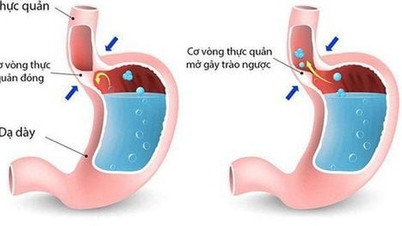
A sudden decrease in blood volume disrupts gastrointestinal motility due to abnormal contractions of the esophagus, stomach, and intestines. Excessive stomach contractions increase gastric acid secretion, raising the risk of acid reflux. Patients often experience symptoms such as heartburn, belching, acid reflux, burning sensation in the upper abdomen, bloating, abdominal distension, indigestion, dry mouth, and bad breath.
Gastric ulcers
Stress causes the body to overproduce the hormone cortisol, which reduces the biosynthesis of prostaglandins – substances that protect the stomach lining in the acidic environment of gastric juice. At this time, the stomach lining is easily damaged, its ability to produce mucus is impaired, allowing stomach acid to destroy the underlying tissue, leading to inflammation and ulcers. This condition causes epigastric pain, bloating, gas, nausea, or vomiting.
When under severe stress, the brain produces steroids and adrenaline to cope. These hormones can either reduce your appetite or stimulate you to eat more than usual. Irregular eating habits, such as skipping meals or eating at irregular times, can worsen the symptoms of stomach ulcers.
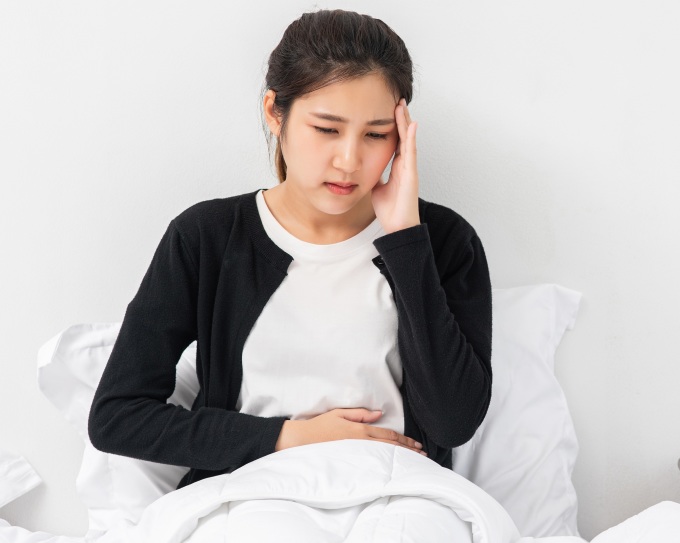
Stress can cause stomach pain, bloating, etc. Photo: Freepik
Gastrointestinal bleeding due to peptic ulcers.
According to Dr. Hoang Nam, if peptic ulcers persist and are not treated promptly and properly, it increases the risk of gastrointestinal bleeding, with patients exhibiting symptoms such as vomiting blood and passing black stools. In this case, patients need to go to medical facilities immediately for timely diagnosis and treatment.
Some people habitually use alcohol or tobacco to relieve stress. While alcohol stimulates the body to release the hormone gastrin, causing the stomach to secrete more gastric acid, worsening ulcers. Nicotine in tobacco hinders blood flow to the gastric mucosa, inhibits mucus secretion and prostaglandin synthesis, affecting the healing process of the gastric mucosa. At the same time, nicotine also promotes gastric acid secretion, slowing down the healing process of ulcers or causing ulcer recurrence, thereby increasing the risk of gastric bleeding.
To reduce stress and avoid the risk of stomach problems, Dr. Hoang Nam advises people to adjust their daily routines and arrange their work appropriately. Once stress is identified as the cause of stomach problems, the doctor will advise the patient on a scientific and appropriate treatment plan.
Adopt a healthy lifestyle, such as quitting alcohol and smoking; getting enough sleep each day to regulate stomach function and relieve stress. Exercising for 15-30 minutes daily, at least 5 days a week, helps boost metabolism, regulate gastrointestinal motility, and reduce excessive gastric acid secretion.
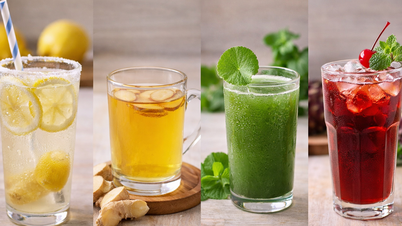
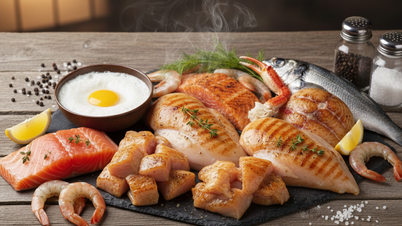
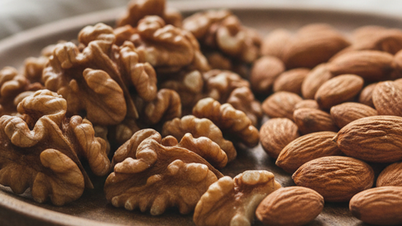
Ensure a healthy diet by limiting fatty foods, spicy foods, or foods high in acid; eat at regular times; increase your intake of green vegetables, fruits, and fiber to improve gut immunity and boost resistance. You should prioritize foods that relieve stress and uplift your spirits, such as fish, shellfish, sweet potatoes, broccoli, garlic, parsley, nuts (sunflower seeds, mung beans), and herbal teas (chamomile, green tea, peppermint tea, honey tea)...
Using relaxation techniques such as meditation, hot baths, and aromatherapy can also reduce stress and create a feeling of relaxation and well-being.
Self-medication can cause many side effects, making treatment more difficult. Therefore, if stomach pain persists and affects work and quality of life, patients should consult a doctor before taking any medication. If stress and stomach pain symptoms do not improve, patients should go to a medical facility for examination and treatment by a doctor.
Trinh Mai
Source link


![[Photo] Prime Minister Pham Minh Chinh visits and extends New Year greetings to former Party and State leaders and offers incense to the esteemed predecessors.](https://vphoto.vietnam.vn/thumb/1200x675/vietnam/resource/IMAGE/2026/02/14/1771078465521_dsc-2411-jpg.webp)




















































































Comment (0)