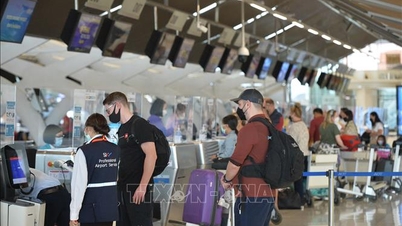
Desks, elevators, telephones, and ATMs are frequently touched areas that easily harbor viruses and bacteria that cause colds.
Colds, flu, and upper respiratory infections are usually transmitted directly through person-to-person contact. Another route of transmission can be through touching surfaces contaminated with pathogens.
To prevent illness, people should limit contact with surfaces that may harbor bacteria. Regularly cleaning these surfaces helps eliminate viruses and bacteria. Below are some places where pathogens easily thrive.
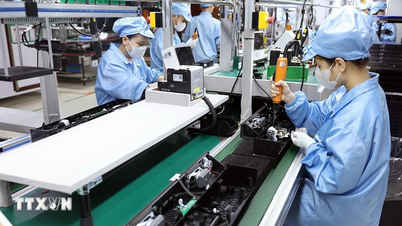
Workplace: Office equipment or desks, especially dark, damp corners like drawers and cabinets, create breeding grounds for germs. Stagnant water in potted plants or vases of flowers left for extended periods also provides a breeding ground for bacteria.
Everyone should regularly clean their keyboards, drawers, and nooks and crannies in their workplace. If you keep aquatic plants or flowers in your workplace, you should also keep fish to eat mosquito larvae, change the water, and clean regularly to eliminate disease-causing agents.
Elevators : Germs often cling to public surfaces in the office such as elevators, escalators, and even staircases. These surfaces should be cleaned with rubbing alcohol or a highly effective disinfectant solution, and elevator buttons should be cleaned twice a day.
If possible, wash your hands immediately after touching the aforementioned surfaces to prevent the virus from spreading through your hands when you touch your eyes, nose, or mouth.


Stair railings can harbor many disease-causing bacteria. Photo: Van Dong
Shopping carts and baskets in supermarkets and convenience stores also have a high potential for harboring germs due to frequent use and contact with many people.
These items often contain raw meat, fish, and seafood, posing a high risk of accumulating E. coli and salmonella bacteria. These bacteria can survive on surfaces for 2-8 hours. To ensure safety, you can wear gloves when selecting items or pushing shopping carts. Wipe surfaces before touching them and disinfect your hands, washing them with soap immediately after returning home.
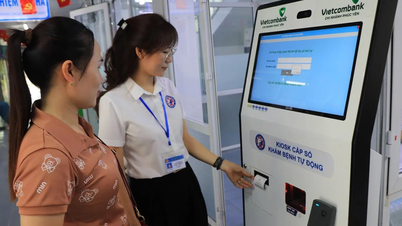
ATMs : Dozens, even hundreds, of people come into contact with automated teller machines (ATMs) every day. Among them, many may be sick, bringing germs to the area inside the ATM, the buttons, etc.
When using an ATM to conduct transactions, you should wear a mask and wash your hands or use hand sanitizer immediately after using the ATM.
Mobile phones easily become breeding grounds for bacteria and viruses due to their high frequency of use. Users may touch surfaces contaminated with viruses and then touch their phones. Using the toilet and then using a phone also poses a risk of spreading germs.
Everyone should make it a habit to wipe their phone clean with a disinfectant cloth at least once a day, avoid touching their eyes, nose, and mouth, and wash their hands frequently to reduce the risk of illness.



You can wash your hands with soap and water, hot or cold, as you prefer. Remember to wash all surfaces of your hands, including between your fingers and fingertips, for at least 20 seconds. Alcohol-based hand sanitizer is a convenient preventative measure in emergencies. Dry your hands with a clean towel or allow them to air dry. Wear a mask when going out, especially to public areas. Disposable medical masks should be used and discarded after each use.
( According to WebMD )
| Readers can ask questions about ear, nose, and throat diseases here for doctors to answer. |
Source link