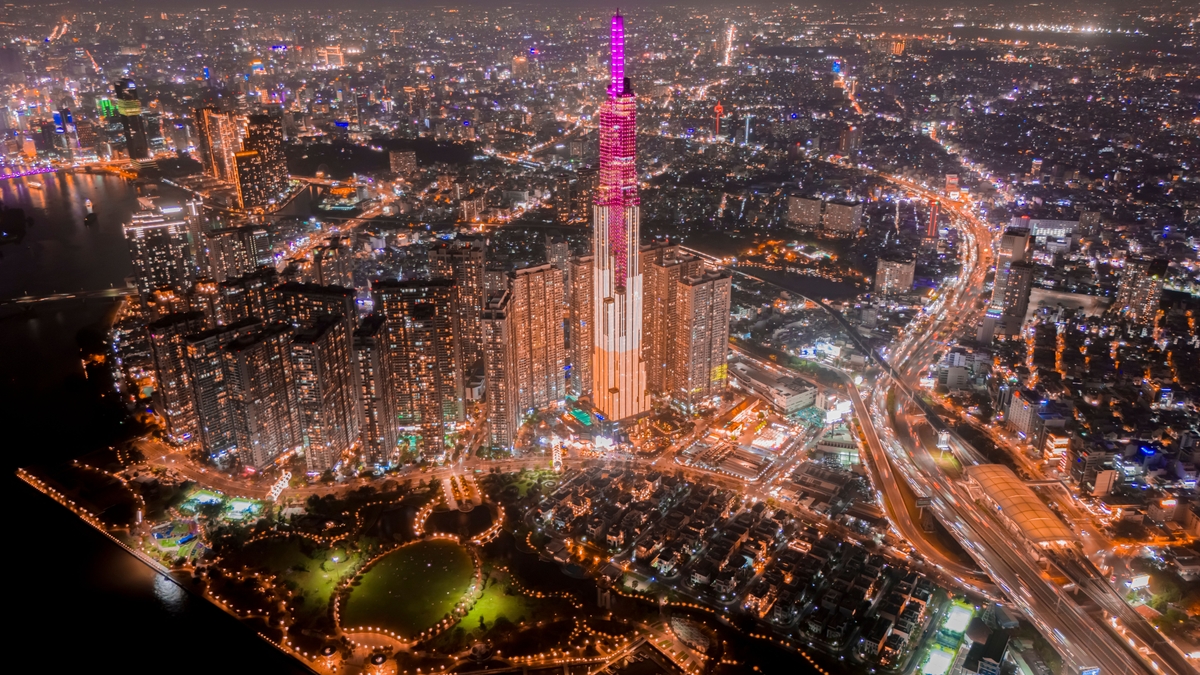
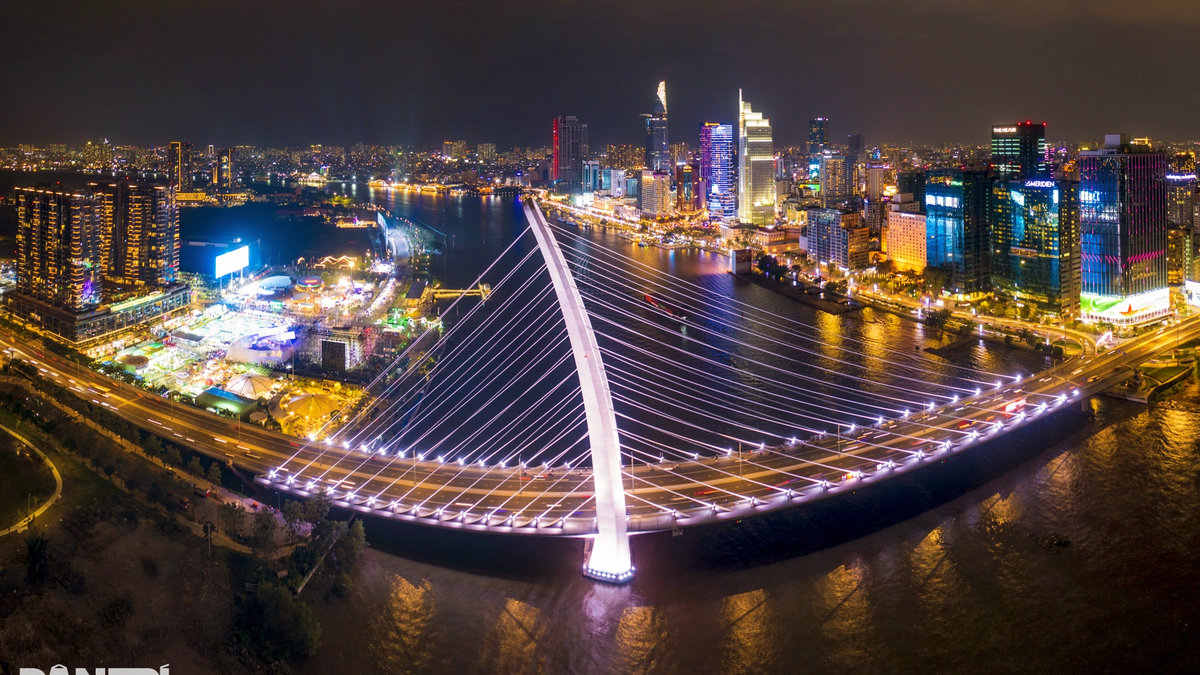
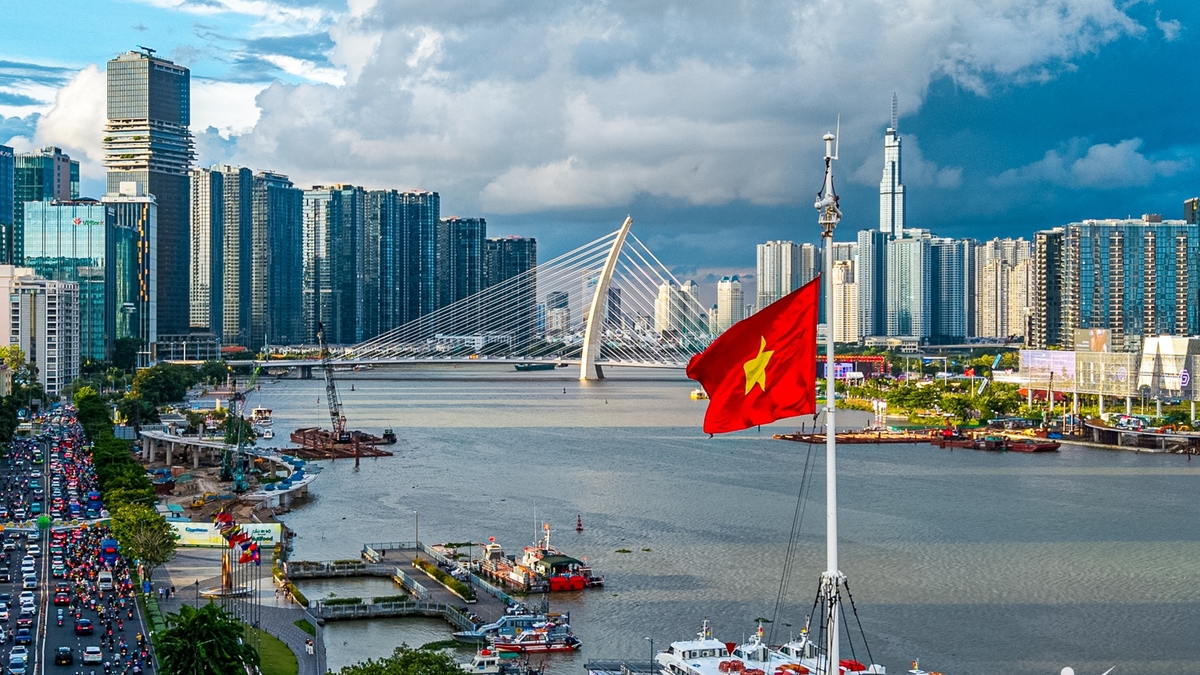
"Lessons learned" from Metro Line 1 will prompt Line 2 to run faster.
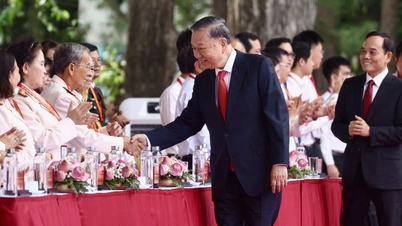
Yesterday (June 22), the Ho Chi Minh City Urban Railway Management Board (MAUR) held a groundbreaking ceremony for the construction of the technical infrastructure for Metro Line 2 (Ben Thanh - Tham Luong line). This contract is divided into two phases, including the construction of the water supply and drainage system; installation of high-voltage electricity; temporary relocation of medium and low voltage electrical and telecommunication facilities into the corridor; and permanent relocation and undergrounding of medium and low voltage electrical and telecommunication facilities.
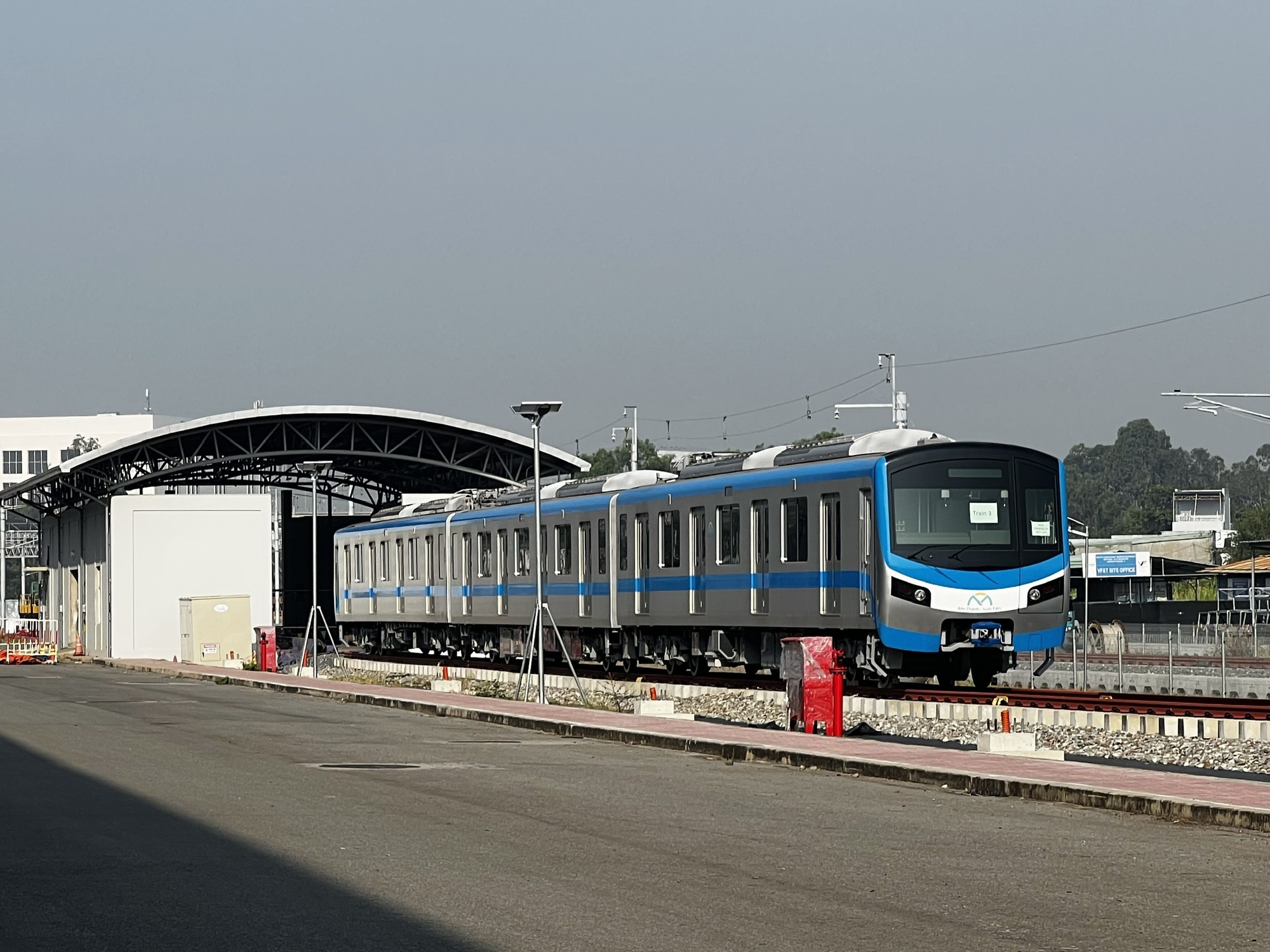
Ho Chi Minh City's Metro Line 1 is currently undergoing trial runs.
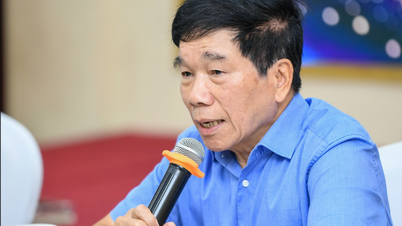
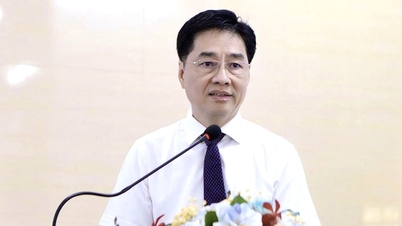
Speaking at the ceremony, Mr. Nguyen Quoc Hien, Deputy Head of MAUR, said that the construction project for Metro Line 2 is one of two important national railway projects in the city, with a total investment of approximately over 2 billion USD, equivalent to about 47,000 billion VND. To date, the districts have basically completed the procedures for issuing compensation and land clearance decisions for the project, reaching a rate of 99.6%. The land handover rate has reached 86.69%. The commencement of construction and relocation of technical infrastructure, including electricity, drainage, water supply and telecommunications systems for Metro Line 2, serves as a prerequisite for preparing clean land to hand over to the main contractors for the construction of stations and tunnels in early 2025.
"Preparing a 'clean' site both above and below ground, with a depth of up to 10 meters, will facilitate construction, contributing to accelerating progress and aiming to put Metro Line 2 into operation by 2030 as directed by the Prime Minister ," Mr. Nguyen Quoc Hien informed.
Ho Chi Minh City People's Committee Vice Chairman Bui Xuan Cuong affirmed that Metro Line 2 lays the foundation for the city's underground space development phase based on underground stations along the line. This project also applies new approaches based on lessons learned from Line 1. First, it ensures 100% "clean" land clearance and "clean" technical infrastructure before construction of the main projects.
According to Mr. Cuong, this factor is very important for projects implemented with ODA funding, which have very strict requirements in contract management. Favorable land availability will help the project avoid lawsuits from foreign main contractors, as happened with metro line 1. In addition, metro line 2 is the first project in the city to apply a construction information model from surveying and design to supervision and construction implementation; it will apply advanced technologies in the construction process such as underground drilling, underground electrical systems, underground water supply systems, etc.



The developer's representative also emphasized the process.
Ten years of implementing Metro Line 1 has provided this unit with many valuable lessons to apply to Line 2 and subsequent lines. Metro Line 2 will be meticulously prepared in terms of legal procedures and funding. The construction of Metro Line 1 involved numerous changes in legal regulations, requiring significant time for adjustments. Therefore, Metro Line 2 will place great emphasis on thorough preparation in these areas. Since Metro Line 2 is divided into more contract packages than Line 1, MAUR has developed a coordinated interface plan from the outset to minimize overlap between contractors during construction and ensure project progress.
220 km of railway is not enough for Ho Chi Minh City.
According to Conclusion 49 of the Politburo, recently issued on the orientation for the development of Vietnam's railway transport system until 2030, with a vision to 2045, Ho Chi Minh City must complete its urban railway network according to the plan in the period from now until 2035. This network includes 8 metro lines and 3 surface tram or monorail lines. The total length of the entire urban railway system in Ho Chi Minh City is approximately 220 km with an estimated total investment of nearly 25 billion USD.
If we consider the time from the official project planning in 2006 to the projected operational date of 2024, Ho Chi Minh City will take approximately 18 years to complete nearly 20 km of metro line 1. At this pace, the remaining 12 years to achieve the goal of completing over 200 km of urban railway is almost an "impossible" task.
While acknowledging this as a significant challenge for the Urban Railway Management Board in particular and Ho Chi Minh City in general, Mr. Nguyen Quoc Hien, in an interview with Thanh Nien newspaper, expressed his hope that Ho Chi Minh City will achieve more than what is planned. According to Mr. Hien, 220 km of railway is a very modest figure compared to a megacity with a population of approximately 20-25 million people like the Ho Chi Minh City metropolitan area. The current total area of the inner city requires a railway network that is 2-3 times larger than planned to adequately meet future transportation needs for the next 10-20 years. Therefore, MAUR is coordinating with the Department of Planning and Architecture and the Department of Transport to update the urban railway network, add new lines, and extend existing lines with the goal of making metro access as easy as possible for residents with the shortest travel distances.
The government 's policy is to delegate more authority to Ho Chi Minh City in the implementation of large-scale projects. Steps in the investment preparation process, as well as in the appraisal and approval process, will be delegated to the city.
The city also could delegate some tasks to MAUR. This would make the work more proactive and projects would progress faster.



Mr. Nguyen Quoc Hien
To achieve this, the Deputy Head of MAUR identified the need for significant changes and efforts, from the approach to the implementation and construction process. Two of the most important factors are funding and procedures. Regarding funding, currently, metro lines 1 and 2 utilize ODA loans. ODA funding has many limitations due to complex procedures from both Vietnam and the donors, requiring considerable time to resolve. Therefore, the city has determined that to build an urban railway, it must be financially self-reliant.
The resolution replacing Resolution 54/2017, currently awaiting approval from the National Assembly, contains several provisions creating new mechanisms for urban railways. Firstly, Ho Chi Minh City has the right to reclaim land surrounding metro stations along the lines for replanning according to the TOD (Transit-Oriented Development) approach. The city can transform the land into independent projects, including compensation and resettlement, the construction of urban areas, and then conduct auctions to select investors to develop these urban areas. The land around the stations has significant land value, which can support the construction, operation, and exploitation of the metro lines.
In addition, the new resolution allows the city to issue bonds for major infrastructure projects, including railways. This will give the city greater financial autonomy by utilizing land around train stations and issuing bonds.
Source link