

There are three signs that patients need to pay special attention to because they are clear warning signs of a stroke.
Vietnam has one of the highest stroke rates, with approximately 200,000 strokes occurring each year. It is the second most common cause of death in Vietnam. Among stroke survivors, the rate of stroke-related disability is also high.
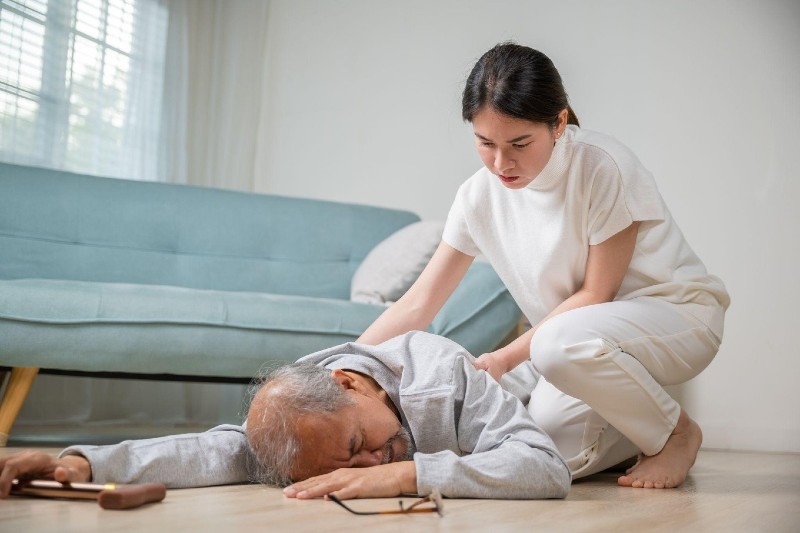 |
Stroke can be fatal and leave behind severe long-term consequences. Photo: Freepik |
At the Stroke Center of Bach Mai Hospital, an average of 50 patients are admitted each day, with nearly 60 patients being received on peak days.
However, more than half of stroke patients are admitted to the hospital in a very critical condition, past the golden hour for intervention, because people do not have the habit of seeking emergency care when they experience initial symptoms.
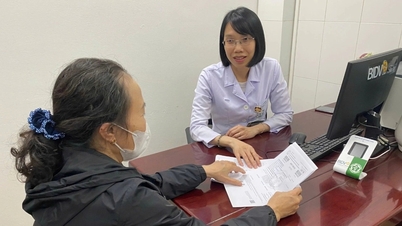
Associate Professor Dr. Mai Duy Ton, Director of the Stroke Center at Bach Mai Hospital, said that if you experience the following three symptoms simultaneously, do not delay hospitalization as the risk of stroke is very high.
Because the initial symptoms of a stroke are mild, patients often become complacent, waiting to see if they recover; they might think it's just a common cold or use home remedies. By the time their condition worsens and they are taken to the hospital, the optimal time for treatment has passed.
Here are three warning signs of stroke: First is facial paralysis: The face is asymmetrical, the mouth is crooked, the philtrum is slightly lệch to one side, and the nasolabial fold on the weaker side droops, especially when the patient speaks or smiles.
The second sign is weakness in the limbs: Ask the patient to raise both arms equally high; if one side is weaker or falls down first, it indicates an abnormality. The patient may be unable to lift their arms or legs, or may have difficulty lifting them; one arm or leg (or both) may suddenly become weak or numb.
The third sign is difficulty speaking: Ask the patient to speak, repeating a simple phrase. If the patient speaks haltingly, that is a sign of an abnormality.
If these three signs appear simultaneously, indicating a very high risk of stroke, take the patient to a medical facility capable of treating stroke as quickly as possible.
Associate Professor Mai Duy Ton stated that nowadays there are many methods for treating stroke. The chances of recovery for stroke victims depend largely on early treatment.
The golden time to dissolve a blood clot is between 4 and 6 hours. If delayed, the lack of blood circulation can lead to necrosis in that area of the brain.
New methods are now available that allow for expanded treatment of stroke patients within the first 24 hours; however, the longer the treatment period (the golden hour), the higher the chances of recovery.
Stroke can happen unexpectedly to anyone, and if not treated promptly within the "golden hour," the consequences are very serious, with a mortality rate of 10-20%. Nearly 30% of survivors suffer from disability, and only about 30% of stroke victims can live normal lives.
Besides improper first aid, a crucial issue is the delay in transporting victims to medical facilities, which can lead to a loss of chances for survival.
The situation of stroke patients being admitted to the hospital late is still very common due to many objective reasons such as inconvenient transportation and distance from stroke emergency centers.
According to experts, despite its small weight, the human brain consumes the most oxygen. The brain accounts for only 2% of body weight, yet requires 20-25% of the body's total blood supply. Therefore, stroke victims need immediate emergency care at medical facilities with stroke emergency departments to minimize brain damage.
The "golden time" for emergency treatment of stroke patients is within the first 3-4 hours after the first signs are detected and treatment begins with intravenous thrombolytic drugs; or within the first 24 hours with mechanical thrombectomy (depending on the brain area affected) for patients with ischemic stroke.
Experts warn that a common mistake in stroke first aid is letting the patient rest at home, waiting for their body to recover on its own, instead of taking them to the hospital immediately.
In many cases, family members give stroke patients sugar water, lemon juice, or traditional medicine... This is dangerous because stroke patients often experience shortness of breath and swallowing difficulties. Eating and drinking at this time can cause choking, gagging, and worsen respiratory failure.
Typically, when someone collapses unconscious, many people assume they've suffered a stroke and use folk remedies instead of immediately taking them to the nearest medical facility.
Folk remedies for stroke such as pricking the ten fingertips to draw blood, lying upside down, standing on one leg, etc., have not been scientifically proven effective. Delaying hospital admission wastes valuable time for optimal emergency care. There are still misconceptions about stroke emergency care such as scraping the skin, offering prayers; taking remedies based on word-of-mouth; transporting the patient by motorbike; and waiting for the patient to recover…
"These are the reasons why patients do not receive proper and timely emergency care, leading to many unfortunate consequences," a representative from Bach Mai Hospital warned.
Meanwhile, stroke is entirely preventable early on, especially for those with risk factors such as diabetes, dyslipidemia, atherosclerosis, valvular heart disease, arrhythmias, blood disorders, kidney disease, and lung disease. People can reduce their risk of stroke simply by changing their lifestyle.
According to Dr. Duy Ton, to prevent stroke, everyone should regularly exercise, control their weight, quit smoking, and avoid unhealthy eating habits. In addition, it's necessary to screen for risk factors for stroke such as cardiovascular disease, high blood pressure, high cholesterol, and diabetes.
It is especially important to note that if any of the symptoms of stroke occur (decreased vision, weakness in the limbs, slurred/difficulty speaking, headache, dizziness, etc.), the patient should be immediately taken to a stroke treatment unit for timely diagnosis and treatment to avoid unfortunate long-term consequences.
The American Heart Association and Stroke Association have issued dietary recommendations for stroke prevention, such as eating plenty of fruits and vegetables; choosing whole-grain, high-fiber foods; reducing meat intake so that at least 50% of the diet consists of fruits and vegetables; 25% of high-fiber grains; eating fish at least twice a week and choosing fish rich in omega-3s such as salmon or tuna.
At the same time, limit cholesterol, saturated fat, and trans fat; choose lean meats and poultry, and avoid using saturated or trans fats in cooking; avoid sugary drinks and foods; and select and prepare food with spices and spice blends that are low in salt.
It is important to note that alcohol consumption should be minimized as it can adversely interact with certain medications the patient is taking to prevent recurrent stroke (e.g., warfarin). Alcohol abuse can increase blood pressure, further increasing the risk of recurrent stroke.
Source: https://baodautu.vn/nhung-dau-hieu-cua-nguoi-sap-bi-dot-quy-d221596.html


![[Photo] Two flights successfully landed and took off at Long Thanh Airport.](/_next/image?url=https%3A%2F%2Fvphoto.vietnam.vn%2Fthumb%2F1200x675%2Fvietnam%2Fresource%2FIMAGE%2F2025%2F12%2F15%2F1765808718882_ndo_br_img-8897-resize-5807-jpg.webp&w=3840&q=75)






























































































Comment (0)