


(To Quoc - The Fatherland) - For nearly 50 years, from 1977 to 2024, with its spacious and modern facilities and a team of enthusiastic staff, lecturers, and workers, the School has strived to transform itself day by day, hour by hour, on its path of development.
The School of Cultural, Sports and Tourism Management Cadres is the only unit under the Ministry of Culture, Sports and Tourism with the function and nhiệm vụ of training and developing cadres and civil servants of the Culture, Sports and Tourism sector, meeting the requirements of the country's modernization and the period of international integration. For nearly 50 years, from 1977 to 2024, with its spacious and modern facilities and a team of enthusiastic cadres, lecturers, and workers, the School has strived to transform itself day by day and hour by hour on its path of development. After several name changes, on September 3, 2013, the Minister of Culture, Sports and Tourism signed Decision No. 2995/QD-BVHTTDL renaming the School of Cultural, Sports and Tourism Management Cadres to the School of Cultural, Sports and Tourism Management Cadres. Along with its new name, the school was entrusted with many new and important tasks, opening a new chapter in its history with broader and greater functions and responsibilities. And 2024 has gone down in the school's history as a glorious milestone, when the school was awarded the First Class Labor Medal by the Party and the State.
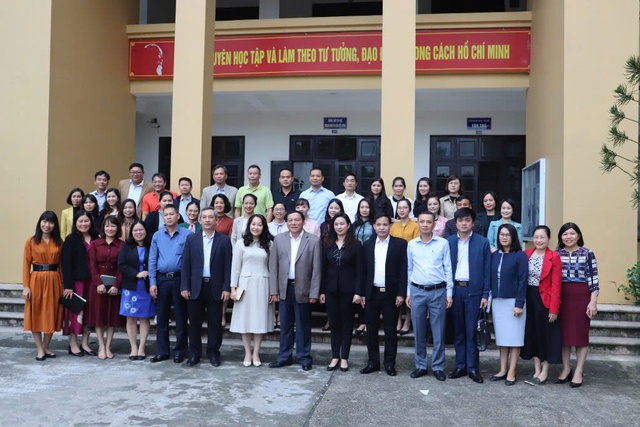
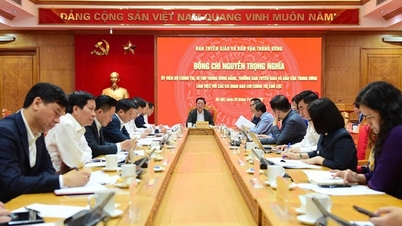
Minister of Culture, Sports and Tourism Nguyen Van Hung, who was serving as Deputy Minister in 2020, visited and worked with the school.
A brief overview of 47 years of development and growth.
On January 21, 1977, according to Decision No. 12/QD-VH of the Minister of Culture, the In-service Advanced Political School under the Ministry of Culture was established. Since that spring, after numerous relocations, name changes, and changes in functions and tasks, the former In-service Advanced Political School has developed into the School of Cultural, Sports and Tourism Management Cadres, holding the position of the only unit under the Ministry of Culture, Sports and Tourism with the function and task of training and developing cadres and civil servants of the culture, sports and tourism sector, meeting the requirements of the country's modernization and international integration. Over its nearly 50-year history, under the direct leadership and guidance of many generations of Ministry leaders, the School has trained and nurtured tens of thousands of leaders and managers in the fields of culture, family, sports, and tourism nationwide, making a significant contribution to the development of the sector in line with the country's reform process. The nearly 50-year journey of development marks significant changes and transformations with tremendous successes that are truly commendable. In particular, the last five years have marked a period of remarkable growth for the School of Management for Culture, Sports, and Tourism.
From a "small" school in terms of both physical resources and training scale, to its current stature, position, and significant contributions to the common cause, the School of Cultural, Sports, and Tourism Management Cadres has truly grown and matured, becoming a source of pride for generations of leaders, staff, and lecturers. Looking back on the journey so far, each staff member, lecturer, and the entire school community feel more confident and motivated to continue building the school into an increasingly strong and continuously developing institution with longer-term, ambitious plans, one of the goals being to become a training and development institution worthy of a multi-disciplinary field like Culture, Sports, and Tourism. Approaching its 47th anniversary, reviewing the important milestones and looking back at the past five years (2019-2024), each staff member and lecturer is proud of their significant contributions to the great achievements attained.
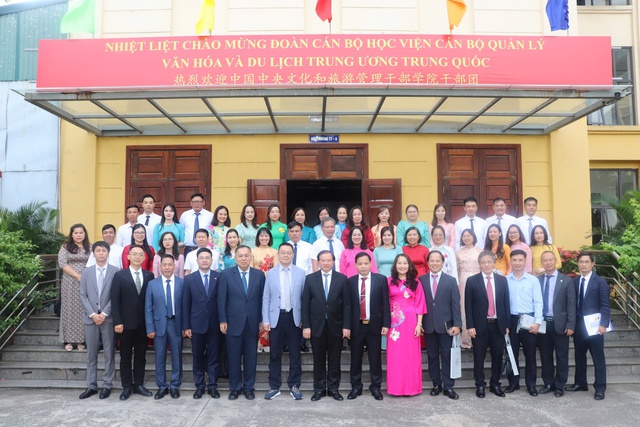
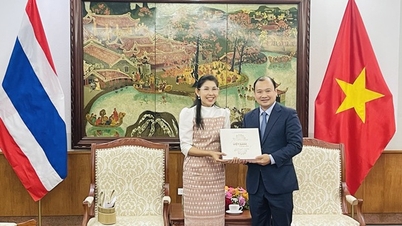
Deputy Minister of Culture, Sports and Tourism Ta Quang Dong poses for a commemorative photo at the exchange and cooperation program between the School and a delegation of officials from the Central Academy of Cultural and Tourism Management of China.
These outstanding achievements lay the foundation for sustainable future development.
Continuing to write glorious chapters in its history, the five-year journey from 2019 to 2024 has created remarkable milestones of stability and development. Building upon the foundation inherited from the previous era – a spacious and modern school located at the western gateway of the capital – along with a sufficiently large and capable staff – the school's leadership has set the goal of rapid, comprehensive, and sustainable development. This includes prioritizing the improvement of training and education quality; focusing on building, strengthening, and developing the permanent faculty; enhancing scientific research activities; fostering unity and solidarity; upholding traditions; and elevating the school to a new level, worthy of its assigned tasks and responsibilities.
If infrastructure is a prerequisite, then strengthening the organizational structure is a tremendous driving force for development. The new functions and tasks of the School, as stipulated in Decision No. 805/QD-BVHTTDL dated March 31, 2023, of the Minister of Culture, Sports and Tourism, with a scale of 3 functional departments, 2 faculties and affiliated units, are an inevitable step in line with the trend, helping the School establish a new position in the system of schools of the Ministry and Sector, capable of undertaking the task of training and fostering cadres as stipulated in Decree No. 89/2021/ND-CP dated October 18, 2021, of the Government amending and supplementing a number of articles of Decree No. 101/2017/ND-CP dated September 1, 2017, of the Government on training and fostering cadres, civil servants, and public employees.
According to Decision No. 805/QD-BVHTTDL, the School has important tasks such as: Submitting to the Minister strategies, plans, long-term, medium-term and annual plans for the construction and development of the School in accordance with the requirements for training and fostering cadres, civil servants, public employees and workers in the culture, sports and tourism sector, and organizing implementation after approval; Investigating, surveying, and determining the short-term and long-term training and fostering needs for cadres, civil servants, and public employees and proposing training and fostering methods suitable to the specific characteristics of the culture, sports and tourism sector; Coordinating the development of long-term and annual training and fostering plans funded by the state budget for submission to the Minister for approval and organizing implementation after approval; Organizing the compilation of materials for training programs assigned by competent authorities; Training and professional development programs include: political theory, legal knowledge, knowledge and skills in state management according to the standards of the rank of assistant officer and equivalent, specialist and equivalent, senior specialist and equivalent; knowledge of state management before appointment to leadership and management positions at the department level and equivalent; knowledge and skills required for job positions; mandatory annual specialized knowledge and skills; public service ethics, professional ethics, knowledge of international integration, information technology, foreign languages, ethnic languages, and other training and professional development programs as prescribed by law; conducting scientific research on training and professional development in the management of the culture, sports, and tourism sector; applying advanced technology in the fields of culture, family, physical education, sports, and tourism to improve the quality of training and professional development for cadres, civil servants, and public employees of the sector; and conducting international cooperation in the development of training and professional development programs and materials. To enhance knowledge and experience in international integration, public administration and specialized management skills; to exchange experts and conduct other activities serving the training, development, research, and development of human resources in the culture, sports, and tourism sectors in accordance with the law.
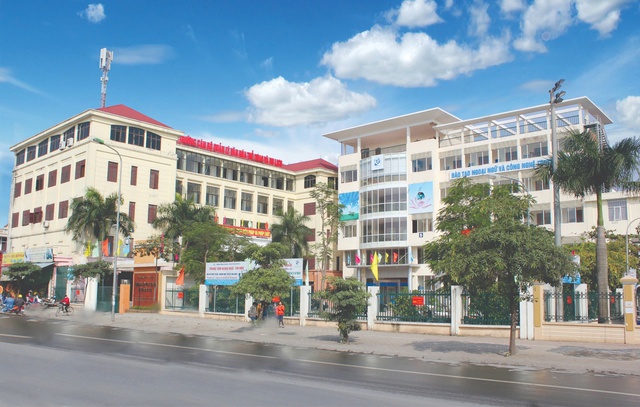
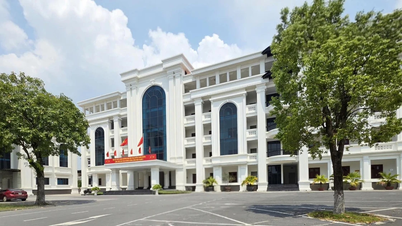
Overview of the School of Management for Culture, Sports and Tourism
For each school, the primary task is training and education. This crucial task has received special attention and investment from the school's leadership, developed strategically with a well-structured plan, and has yielded remarkable success. Specifically:
Regarding teaching: Previously, visiting lecturers formed the core group (accounting for up to 80%), creating considerable pressure in connecting with and inviting lecturers. However, now, the university's full-time lecturers have largely taken on the teaching responsibilities in training and refresher courses.
With the guidance, direction, attention, encouragement, and support of the School's Board of Directors, the School's full-time and part-time lecturers have made breakthroughs in both quantity and quality. The School's lecturers have directly taught classes, ensuring the completion of the entire training program for specialist-level officials and the training program for civil servants in the socio-cultural sector of communes, wards, and towns; a portion of the training program for senior specialists; and mastering more than half of the Intermediate-level Political and Administrative Theory training program. To achieve the current level of full-time lecturers, the School has sought appropriate measures and steps to help lecturers proactively and actively improve their skills and teaching methods to meet job requirements. Among these, sending lecturers to practical training in localities and engaging with practical situations at the grassroots level has proven highly effective; simultaneously, establishing a systematic approach to lecture evaluation; and promoting professional development activities within the faculties. The Lecture Review Council and the Scientific Council regularly assist and advise lecturers in lecture preparation and teaching practice; they consistently encourage and facilitate lecturers' learning and professional development; they ensure their rights regarding salary, seniority allowances, and bonuses; and they have a timely reward system to encourage lecturers with achievements, giving them more motivation to strive for excellence. These measures are implemented synchronously and actively, creating an enthusiastic atmosphere and significantly enhancing the self-improvement and self-development awareness among the teaching staff.
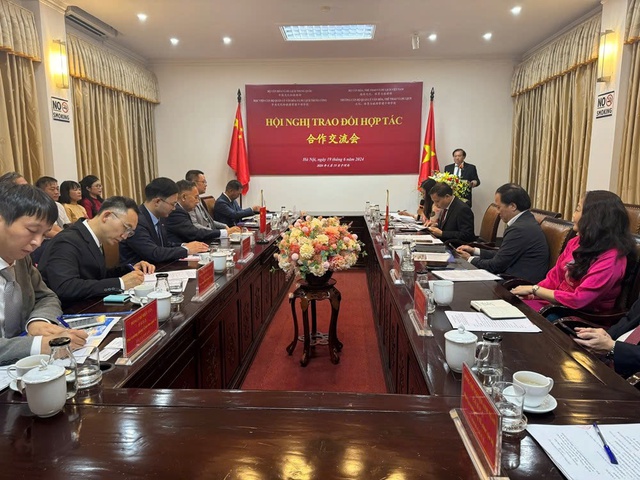
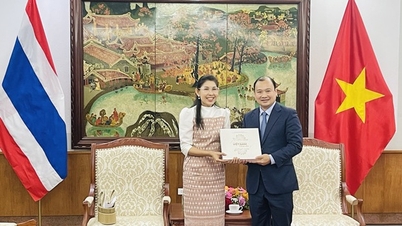
Exchange and Cooperation Program between the School of Management for Culture, Sports and Tourism and the Central Academy of Management for Culture and Tourism of China.
Regarding scientific activities: Previously, scientific research seemed like a difficult task for the university's staff, lecturers, and employees. Each year, typically only one university-level project and one ministerial-level project were undertaken, and meeting deadlines was quite challenging. However, in recent years, on average, the university has organized and completed two university-level scientific projects and five to six initiatives and best practices on time. The university has sufficient human and material resources to simultaneously carry out two ministerial-level scientific projects. Investigation and survey activities are conducted nationwide with enthusiastic support from local authorities. This activity fosters closer ties between the university and localities across the country and is highly regarded by the Ministry for its seriousness and scientific rigor upon project completion. The rigorous guidance on the implementation of scientific projects, initiatives, experiences, and research activities has attracted most of the university's staff and lecturers to participate in projects with high practical application, meeting the urgent demands of current development. Through this, the university's research staff and lecturers have truly matured in their professional skills and expertise. Thus, the result is not only the number of scientific projects that have been successfully completed and evaluated as excellent, but also the growth of a team, creating a significant leap forward in research work and marking an important milestone in the university's scientific research activities.
The school has also compiled, received ministerial approval, and put into nationwide use numerous sets of textbooks and training materials for various student groups. Notable examples include: the lecture series on the situation and tasks of the culture, sports, and tourism sector under the Intermediate Political Theory and Administration Training Program; training materials for specialist-level officials; three sets of in-depth training materials on organizing and managing festivals, sports, and building grassroots cultural life for commune-level officials; a training program on knowledge and skills in organizing and managing festivals; a training program on professional ethics and codes of conduct for officials working in the arts; and a training program on knowledge and skills in managing the culture, sports, and tourism sector… The materials compiled by the school have received high praise from the Ministry of Interior, the Ministry of Culture, Sports and Tourism, the Ho Chi Minh National Political Academy, and various agencies, units, and localities throughout the country.
Each year, the School is entrusted by the Ministry with the task of organizing training courses to raise awareness about the environment and climate change for localities in key tourism development areas. It also organizes workshops and conferences to investigate and survey the training and professional development needs of officials and employees in the culture, sports, and tourism sectors.
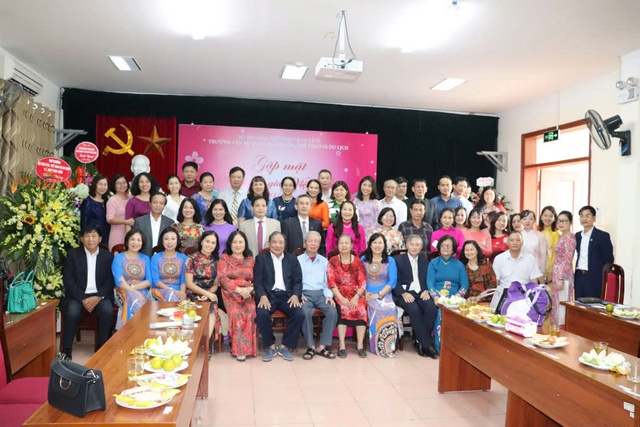
Gathering of generations of leaders, staff, and lecturers of the School on the occasion of Vietnamese Teachers' Day, November 20th.
Regarding training and professional development: considered the "backbone" of the School, this work has made particularly outstanding achievements in the last five years. Each year, the School trains and develops thousands of officials and civil servants throughout the sector in political theory, state management, sectoral management knowledge, professional skills, foreign languages, and information technology. The training and professional development process has been perfected and gradually standardized, with strict and synchronized management from enrollment to diploma and certificate issuance. As a result, the quality of training and professional development has been improved, becoming more substantive and avoiding the phenomenon of merely registering for courses or formalistic learning. In addition to training and developing the staff of the sector, in accordance with the decentralization and delegation of authority stipulated in Government Decree No. 89/2021/ND-CP dated October 18, 2021, amending and supplementing some articles of Government Decree No. 101/2017/ND-CP dated September 1, 2017, on the training and development of cadres, civil servants, and public employees, the School, with its established reputation, also organizes many training courses and programs for localities through a socialized approach, making a significant contribution to standardizing the general workforce in the period of industrialization and modernization of the country. The socialization of training is continuously promoted through collaborative training and development with academies, universities, colleges, agencies, and organizations nationwide, significantly contributing to enhancing the School's position in the new era.
Over the past five years, the Party Committee has consistently maintained its title as a "Clean, Strong, and Exemplary" Party Committee, increasingly affirming its leadership role, with each Party member serving as a core element in the School's growth. Under the leadership of the Party Committee and the administration, the School's Trade Union has been a reliable address in protecting the legitimate rights and interests of staff, lecturers, and workers, while also organizing many meaningful activities that significantly contribute to building and strengthening unity and consensus within the School. With these achievements, the School's Trade Union has received numerous prestigious awards from the Ministry's Trade Union and the Vietnam Federation of Labor.
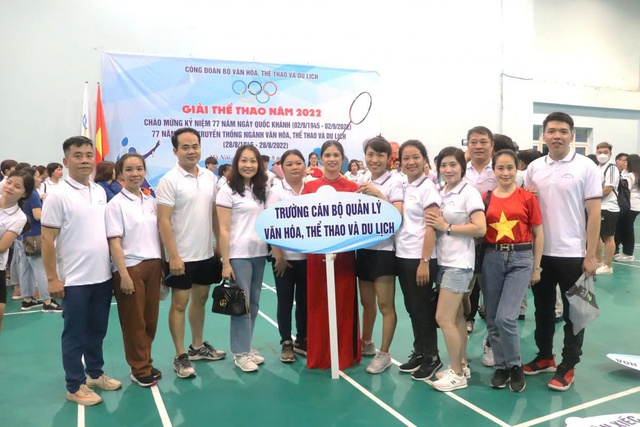
The School's Trade Union participated in the Sports Tournament organized by the Trade Union of the Ministry of Culture, Sports and Tourism.
Receiving the First-Class Labor Medal is a proud milestone.
The past five years have been marked by groundbreaking achievements on the path to sustainable development of the University. At the end of 2024, the atmosphere among faculty and staff was vibrant and enthusiastic as the day of receiving the First-Class Labor Medal approached. Throughout nearly 50 years, each achievement has been the result of the collective efforts and cooperation, both in times of difficulty and in times of prosperity, of generations of leaders, faculty, staff, and workers of the University. Furthermore, one of the key reasons that has helped the University build and maintain its position as a leading institution for training and developing personnel for the industry today is the close attention, support, and trust of the Ministry's leadership in assigning tasks, and the close cooperation of the Department of Organization and Personnel and other relevant agencies of the Ministry. Building on its achievements, the School continues to innovate and improve the quality of training and development for management personnel in the sector, contributing to the excellent fulfillment of the political, professional, and technical tasks assigned by the Ministry and the State.
Each five-year period marks a milestone on the path of development. The period from 2019 to 2024, with its comprehensive achievements in both "quantity" and "quality," culminating in the awarding of the First-Class Labor Medal, will be a proud milestone for every staff member, lecturer, and employee to continuously unite, be dynamic, creative, overcome difficulties, and excellently fulfill assigned tasks and plans; continuing to lead the School to sustainable development, worthy of its position as a reputable institution for training and fostering leaders and managers in culture, family, sports, and tourism, contributing even more to the cause of national construction and sustainable development of the Culture, Sports, and Tourism sector in the new era.
Dr. Pham Que Anh, Party Secretary and Principal of the School of Management for Culture, Sports and Tourism
Source: https://toquoc.vn/truong-can-bo-quan-ly-van-hoa-the-thao-va-du-lich-don-nhan-huan-chuong-lao-dong-hang-nhat-mot-chang-duong-ve-vang-20241117211540499.htm
















































Comment (0)