

GĐXH - Peas are a food with a low glycemic index (GI), are rich in protein and fiber, and low in calories, helping to stabilize blood sugar levels, making them very good for people with diabetes.
Is it good for people with diabetes to eat peas?
According to nutrition experts, peas have numerous benefits, most notably controlling blood sugar and improving cardiovascular health.
People with diabetes are encouraged to include peas in their diet because they are a low-glycemic index food, full of fiber and protein that helps slow down sugar absorption, making them an excellent choice for people with diabetes to control blood sugar .
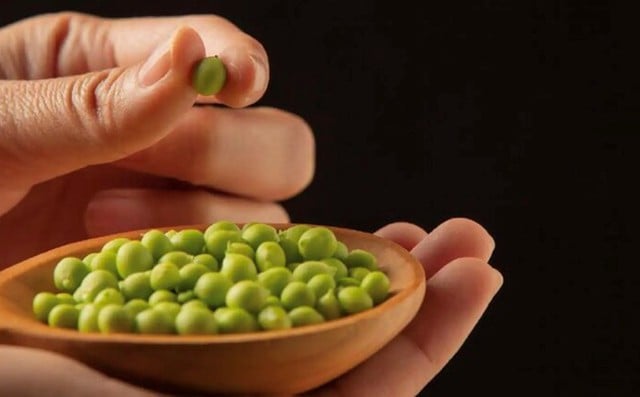
Illustrative image
4 reasons why people with diabetes should eat peas.
Peas are low in calories.
According to the U.S. Department of Agriculture (USDA), 100g of peas contains only 80 calories. Low-calorie foods are important for people with diabetes because being overweight is a risk factor for developing the disease.
In addition, weight gain makes it more difficult for diabetic patients to control their blood sugar.
Peas are rich in potassium.
Potassium deficiency can increase the risk of diabetes, making this mineral crucial for those prone to the disease. 100g of peas contains 244mg of potassium, which can be beneficial for diabetics. Additionally, potassium is important for controlling blood pressure levels.
Rich in protein
100g of peas contains 5g of protein. Protein helps you feel full for longer and can prevent hunger pangs. In addition, protein is important for weight management, which is crucial for people with diabetes, according to NDTV.
Rich in fiber
100g of peas contains 5g of fiber. Fiber is perhaps the most important nutrient that diabetics need to focus on. It is crucial for regulating blood sugar and blood pressure. Because it is digested slowly in the body, it releases blood sugar gradually and prevents spikes.
Who shouldn't eat peas?
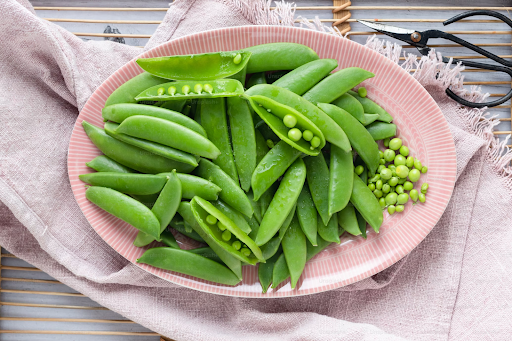
Illustrative image
Peas contain several anti-nutrients such as phytic acid and lectins. These anti-nutrients can hinder the body's absorption of nutrients and cause digestive discomfort.
Peas contain a high amount of indigestible sugars and alcohols, which are fermented by bacteria in the gut, producing gas and causing discomfort and bloating.
Therefore, some people should avoid eating peas, such as those with pea allergies, irritable bowel syndrome (IBS), serious bowel function problems, gout patients, and those with kidney disease, etc.
Additionally, peas are not recommended for breastfeeding women because they can cause bloating and abdominal discomfort.
Important notes when eating peas
- Rinse peas thoroughly before cooking, as they contain a significant amount of sodium.
Do not eat peas raw; soak, ferment, or cook them to reduce the amount of anti-nutrients they contain.
- Avoid drinking cold water after eating dishes made with peas.
Source: https://giadinh.suckhoedoisong.vn/loai-rau-mua-dong-tot-cho-nguoi-benh-tieu-duong-an-theo-cach-nay-con-tot-hon-thuoc-bo-172250101110526871.htm





















































































Comment (0)