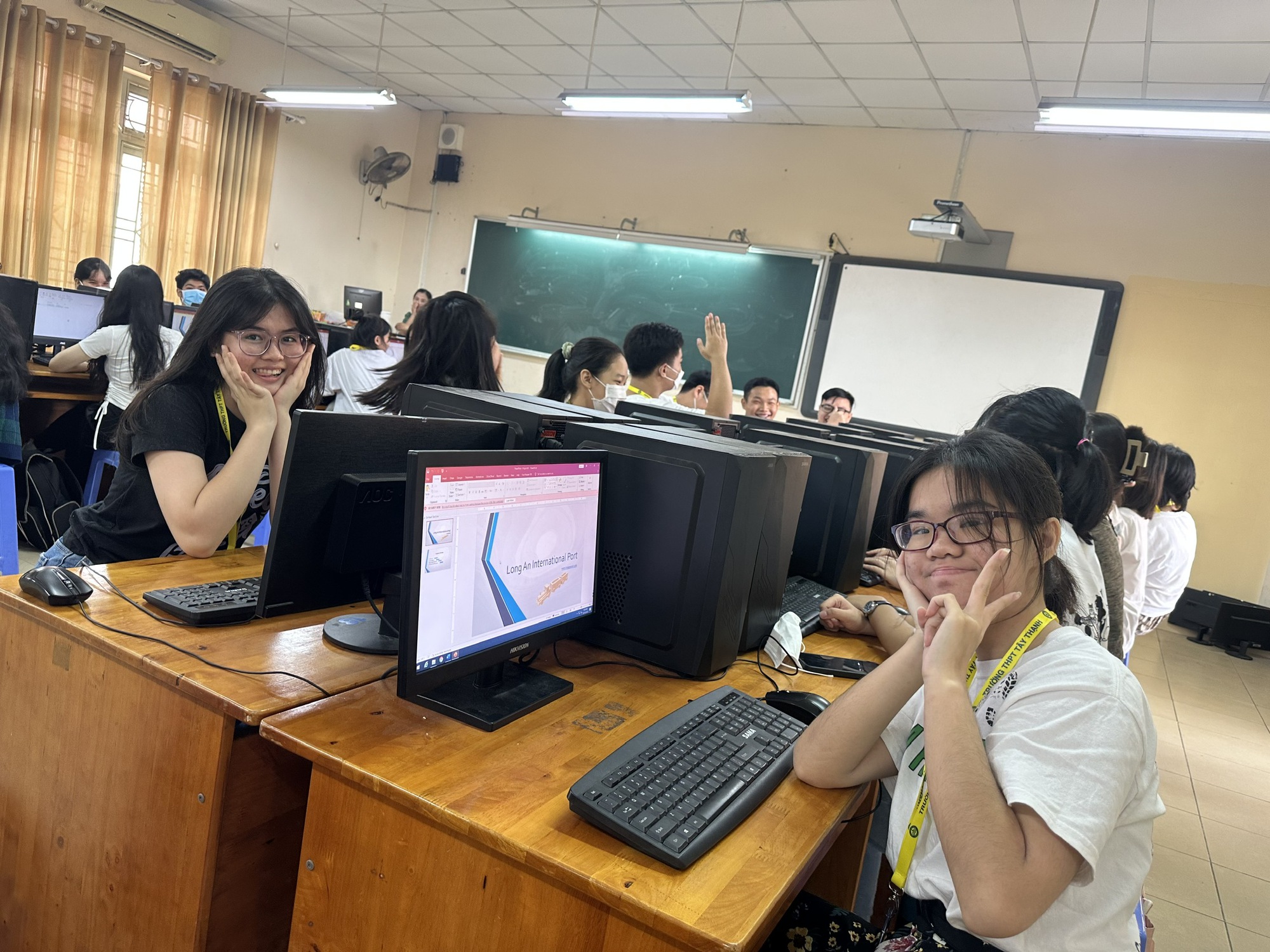
Building Happy Schools is a key task for this school year in Ho Chi Minh City.
Students and teachers are loved.
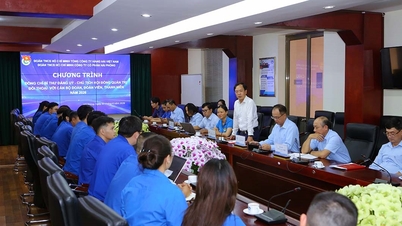
At the conference announcing the set of criteria and implementation plan for happy schools in preschools, primary schools, secondary schools, and high schools, Ms. Cao Thi Thien Phuc, Head of the Political and Ideological Department of the Ho Chi Minh City Department of Education and Training, stated that the set of criteria, with 18 criteria, is divided into three groups: People (6 criteria), teaching and educational activities (8 criteria), and environment (4 criteria).
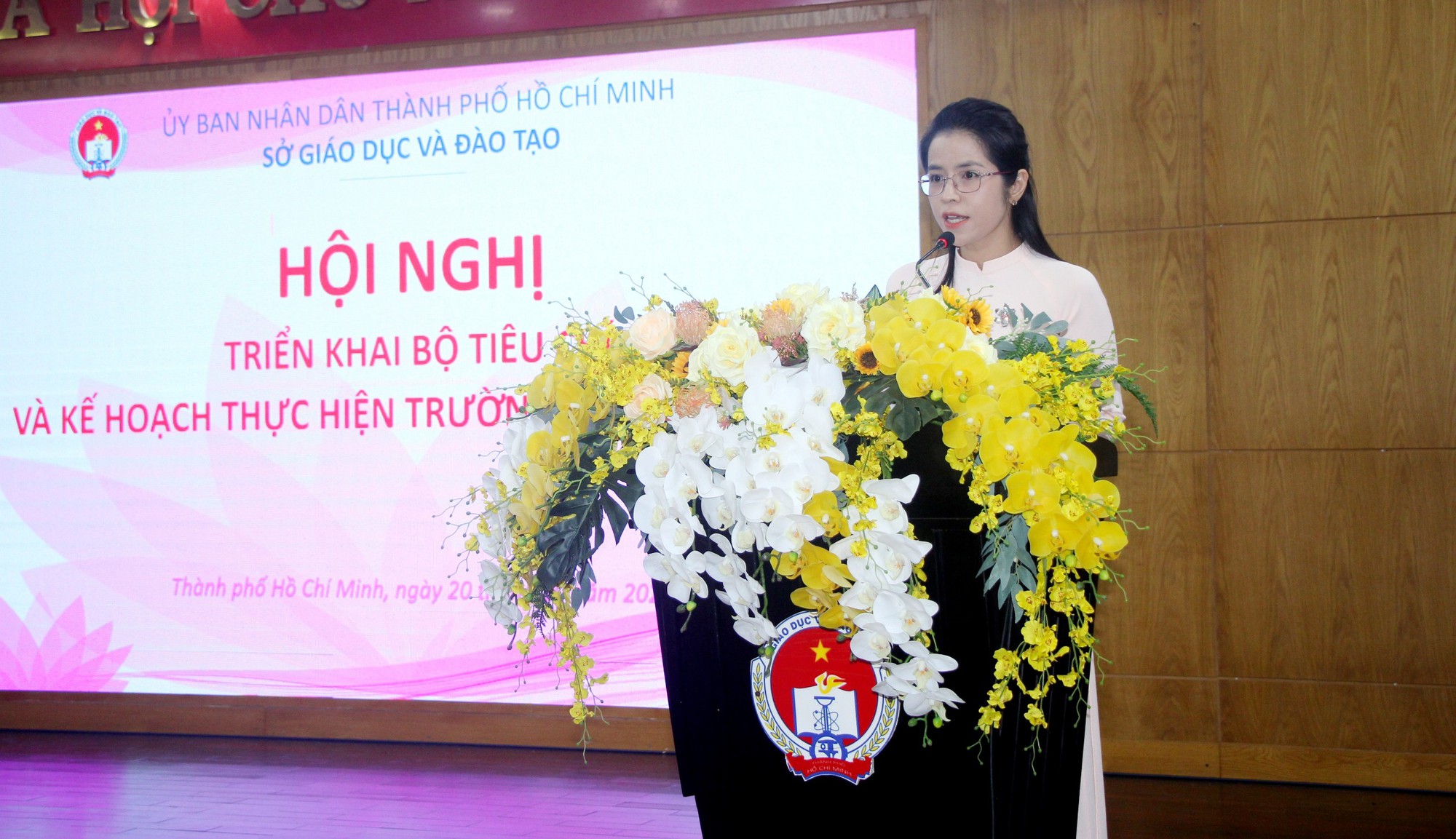
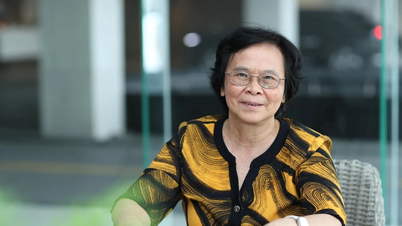
Ms. Cao Thi Thien Phuc, Head of the Political and Ideological Department of the Ho Chi Minh City Department of Education and Training, announced 18 criteria for a happy school.
In general, all criteria for a happy school aim to strengthen the development of a culture of appropriate behavior in schools, cultivate abilities, perfect the character and cultural lifestyle of staff, teachers, and students, thereby contributing to improving the quality of education and training. Thus, the introduction of these criteria is a "stepping stone" towards building a model of a happy school; in which the educational environment must be safe, healthy, and friendly; and students and staff and teachers are loved, respected, cared for, and understood.
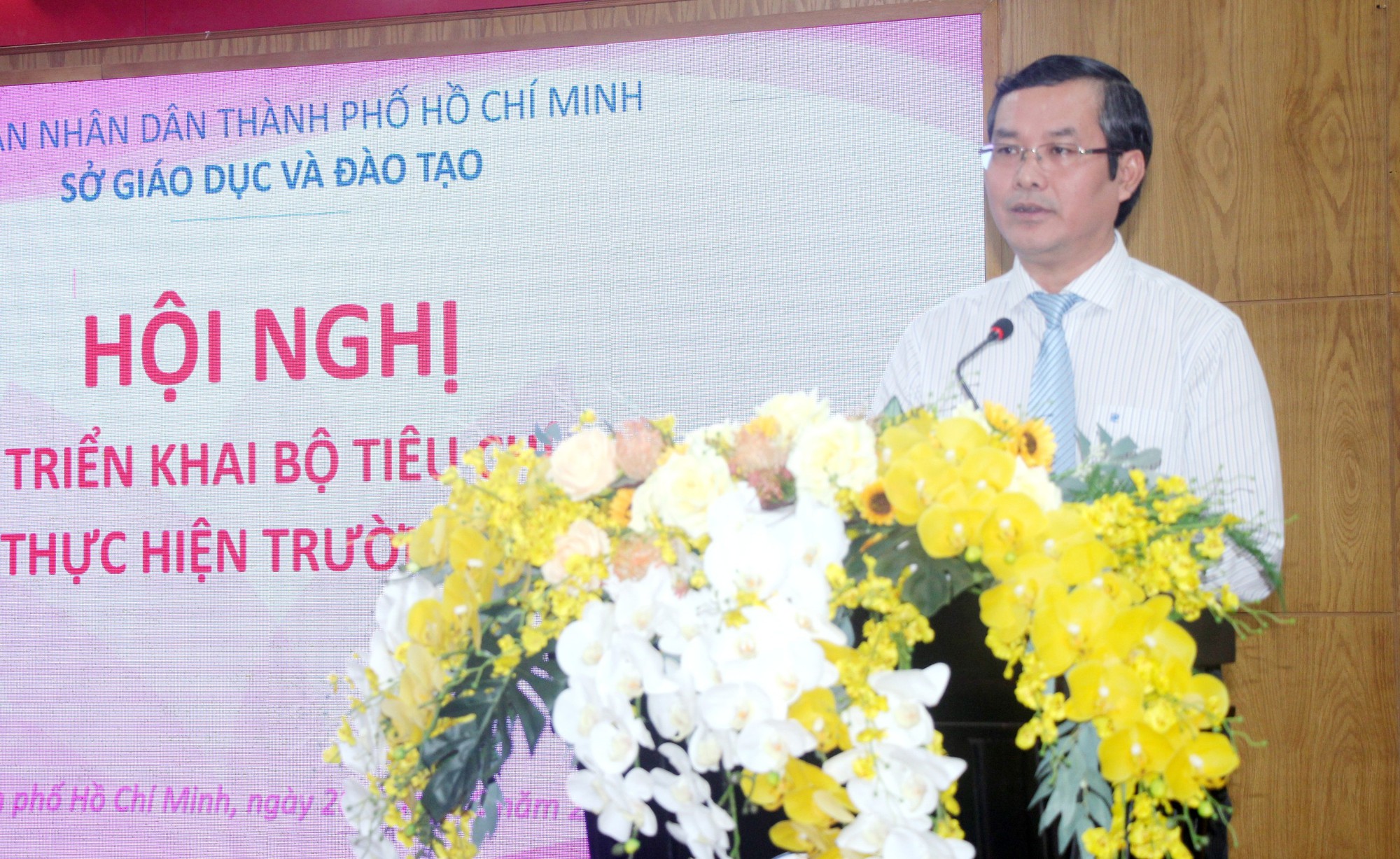
Deputy Minister of Education and Training Nguyen Van Phuc requested that schools implement the program on a voluntary and substantive basis.
According to Mr. Nguyen Van Phuc, Deputy Minister of Education and Training, happiness is a process of perception, so schools need to rely on surveys of the emotions and attitudes of teachers and students over a long period. Based on this, the school leadership will self-assess according to three levels: needs improvement, good, and excellent for each criterion. Criteria that have been well implemented will be maintained, while those that have not been done well will require specific directions for quality improvement.

"Do things properly, not bureaucratize."
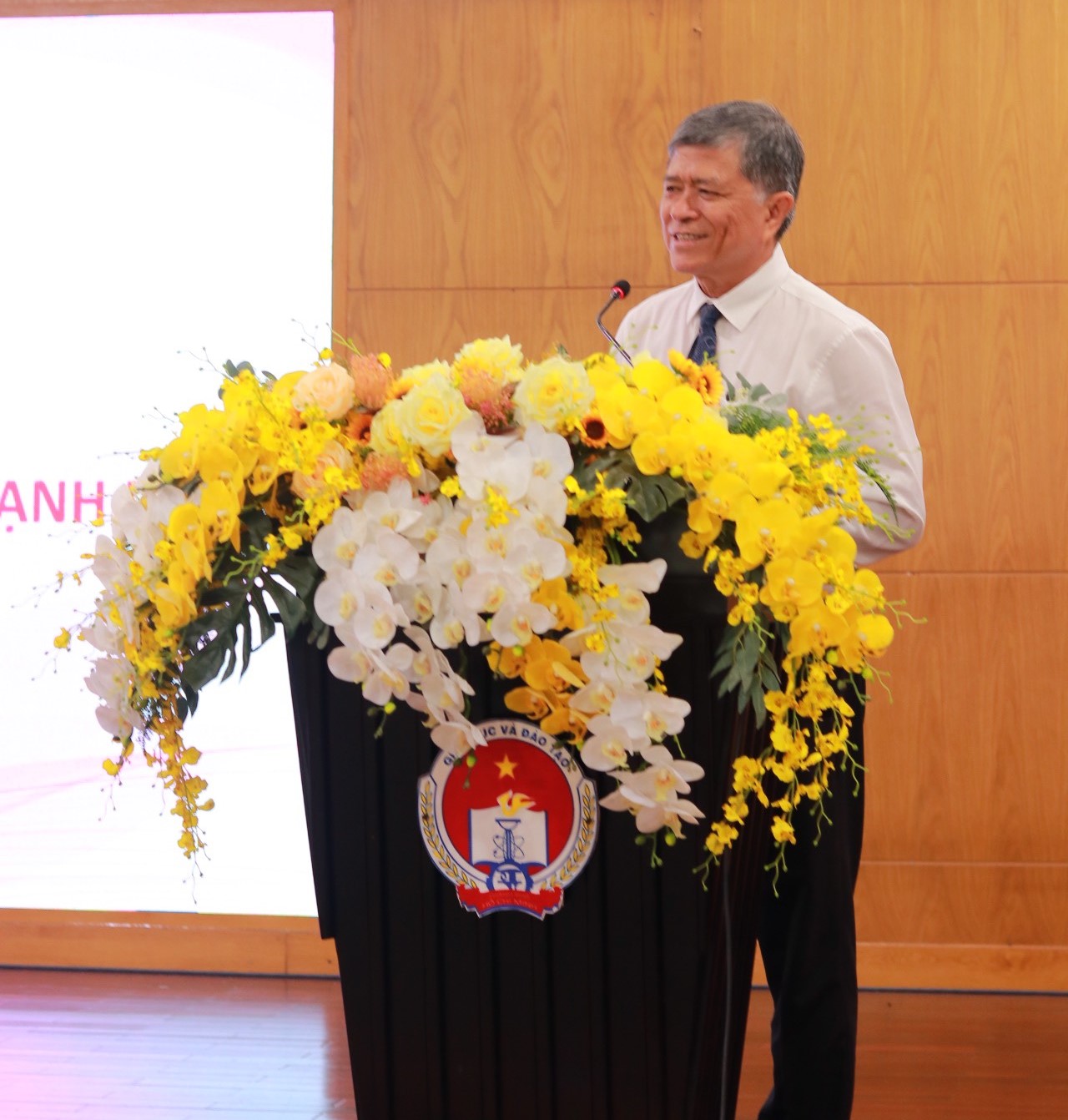
The Director of the Ho Chi Minh City Department of Education and Training requested that schools engage in dialogue with students and teachers to foster happiness in the educational environment.
To sustainably build happy schools, the Ho Chi Minh City Department of Education and Training requires educational institutions to implement measures synchronously, in accordance with the actual conditions of each school, and not for the sake of formality or achievement. Mr. Nguyen Van Hieu, Director of the Ho Chi Minh City Department of Education and Training, stated that the Department will not conduct inspections on the achievement of criteria; instead, each school will improve its happiness index "on its own." Thus, schools can create their own happiness measurement scale by engaging in dialogue, gathering feedback from teachers and students, and then adjusting accordingly.
Respect diversity and differences.
The human values criteria include: friendship and positive relationships within the school based on trust, respect, tolerance, and fairness; active listening, constructive feedback, sharing, and support from colleagues and students by staff, teachers, and employees; ensuring democratic principles and respect for diversity and differences in culture, religion, gender, gender identity, sexual orientation, or physical and learning disabilities; and encouraging positive values and attitudes such as integrity, dedication, gratitude, cooperation, empathy, creativity, self-confidence, and positive behaviors.
"Do things properly, not bureaucratize" is also what the Deputy Minister of Education and Training conveyed to the Departments of Education and Training and schools. "Schools must conduct evaluations voluntarily, based on the interests and progress of their own schools," Mr. Phuc stated.
Furthermore, Mr. Phuc noted that the process of building happy schools is complex and long-term, so schools cannot rush it. On the other hand, the criteria set forth cannot be perfect immediately but will be continuously refined during implementation. Therefore, Mr. Phuc proposed that the Ho Chi Minh City Department of Education and Training establish an online forum specifically for teachers from various schools to share best practices in applying the criteria, so that other schools can learn from their experiences.
Assign learning tasks in a reasonable and fair manner.
In the group of standards on teaching and educational activities, the set of criteria addresses the assignment of reasonable and fair learning tasks, focusing on teaching that develops students' qualities and competencies, and applying active methods in subjects and educational activities that promote teamwork.


Agreeing with the policy of the leadership at all levels, Ms. Nguyen Thi Chau, Principal of Viet Au High School (District 12), expressed: "The process of building a happy school doesn't need to be overly bureaucratic, as long as it creates smiles for teachers, students, and parents. Only then will relationships at school be built on genuine affection."
Weaknesses and flaws are just a part of being a student.
The environmental standards group refers to criteria for a safe and friendly learning environment free from violence and bullying (including online bullying); schools that meet green school standards, vision, etc.
This particular set of standards mentions the criterion of positive discipline applied in schools. It includes suggestions for implementing this criterion: The school report card is a record of a person's entire learning journey and their future path; therefore, it should acknowledge strengths while weaknesses and shortcomings are only a part of their student life. When evaluating weaknesses, the entire monitoring process, including collaboration with the family and support, should be considered. Careful consideration should be given to the wording when writing comments in the student's report card. The school should maintain records related to student discipline as required. The recording of disciplinary actions in the report card should be limited, aiming instead for positive discipline.
Source link


![[Image] National conference summarizing one year of operation of the overall organizational model of the political system, the three-tiered government model.](https://vphoto.vietnam.vn/thumb/1200x675/vietnam/resource/IMAGE/2026/07/01/1782882811691_ndo_br_1-jpg.webp)