


The traditional US-UK relationship may change as the upcoming election opens up two different scenarios for this close bond.
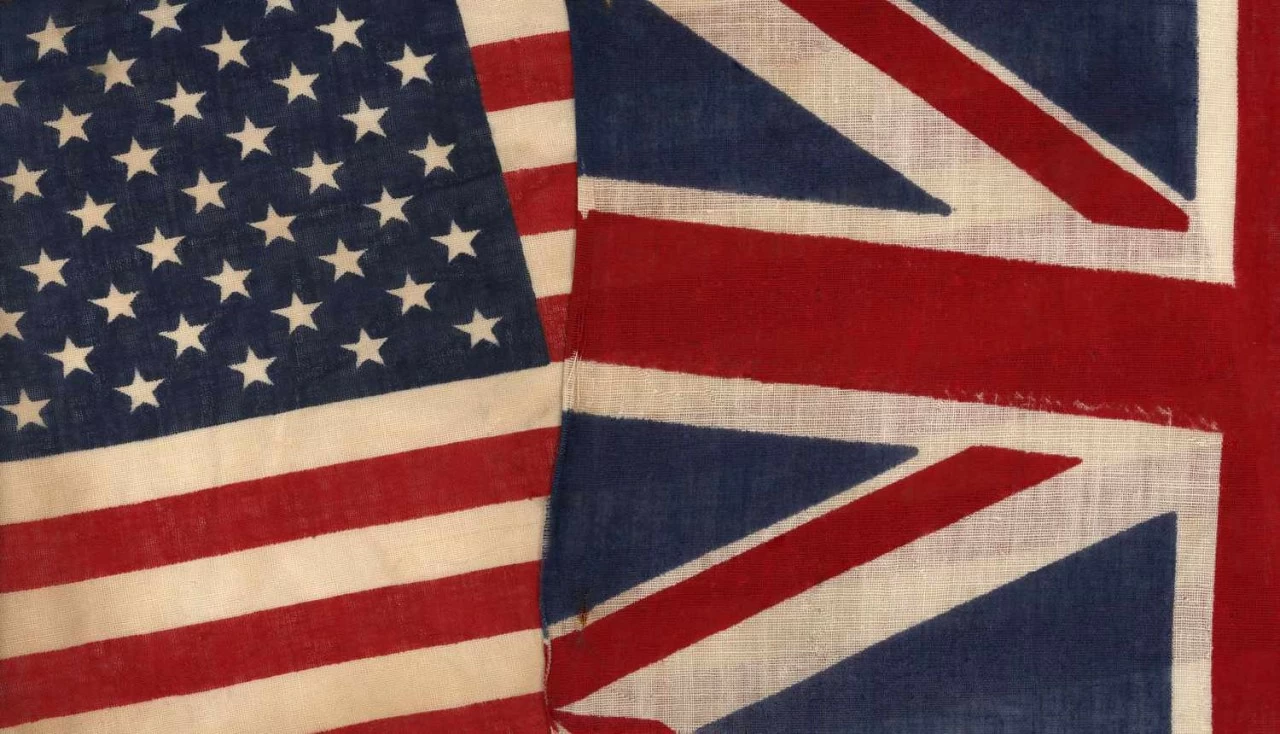 |
| Traditional US-UK relations may change after the upcoming presidential election. (Source: Getty Images) |
That's the assessment in a recent report by the Center for Strategic International Studies (CSIS) – an independent policy research institute based in Washington – on the future of the two close allies, the US and the UK, following the November 5th race for power.
A test for transatlantic friendship.
According to CSIS, the US-UK relationship has always been strong and stable, regardless of who occupies the White House or 10 Downing Street. Britain is both a leading power with a strategic vision and America's closest ally. Establishing a common agenda with London should be a priority during the first 100 days in office for either Kamala Harris or Donald Trump.
The outcome of the US election could have a significant impact on the special US-UK relationship. London is not only a close ally of Washington, but also a member of the UN Security Council and the G7, possesses nuclear weapons, has a powerful military , an advanced internet system, and cutting-edge science and technology.
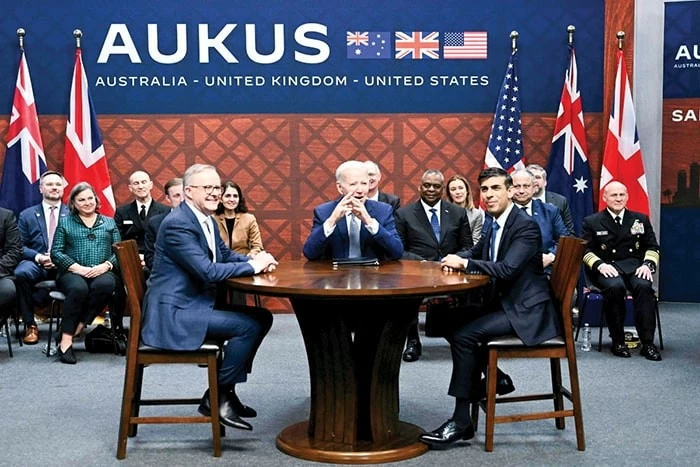 |
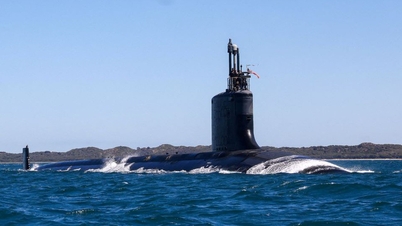
| He is a key member of the AUKUS initiative. (Source: APA) |
According to CSIS research, since 2014, the UK has trained thousands of soldiers for Ukraine. In particular, since Russia launched its special military operation, the UK has consistently led Europe in aid to Ukraine, including providing main battle tanks and long-range missiles to Kyiv. In addition, London has coordinated with the US to respond to Houthi attacks in the Red Sea, participated in the AUKUS initiative, supplied nuclear submarines to Australia, and developed various advanced technologies.
The CSIS report indicates that the traditional US-UK relationship remains strong regardless of who is in power, as former British Prime Minister Tony Blair maintained good relations with both Presidents Bill Clinton and George W. Bush. However, the outcome of the upcoming election could open up two very different paths for this close relationship.
If former President Donald Trump wins the election, the US and the UK will have two leaders from two different political poles. This would lead to a very different landscape compared to Trump's first term, when the UK had conservative leaders who supported Brexit, something the former US president particularly endorsed. Furthermore, Prime Minister Boris Johnson and his populist political style have helped London maintain closer ties with Washington than many other European allies.
CSIS also asserted that, under the leadership of new Prime Minister Keir Starmer, Britain will face considerable pressure from both domestic and international sources. On the one hand, London's foreign policy must always maintain its special relationship with the United States. New British Foreign Secretary David Lammy affirmed that London "cannot forget that the US remains our most important ally, regardless of who is in power in the White House." However, Trump remains unpopular in Britain, particularly among Labour supporters.
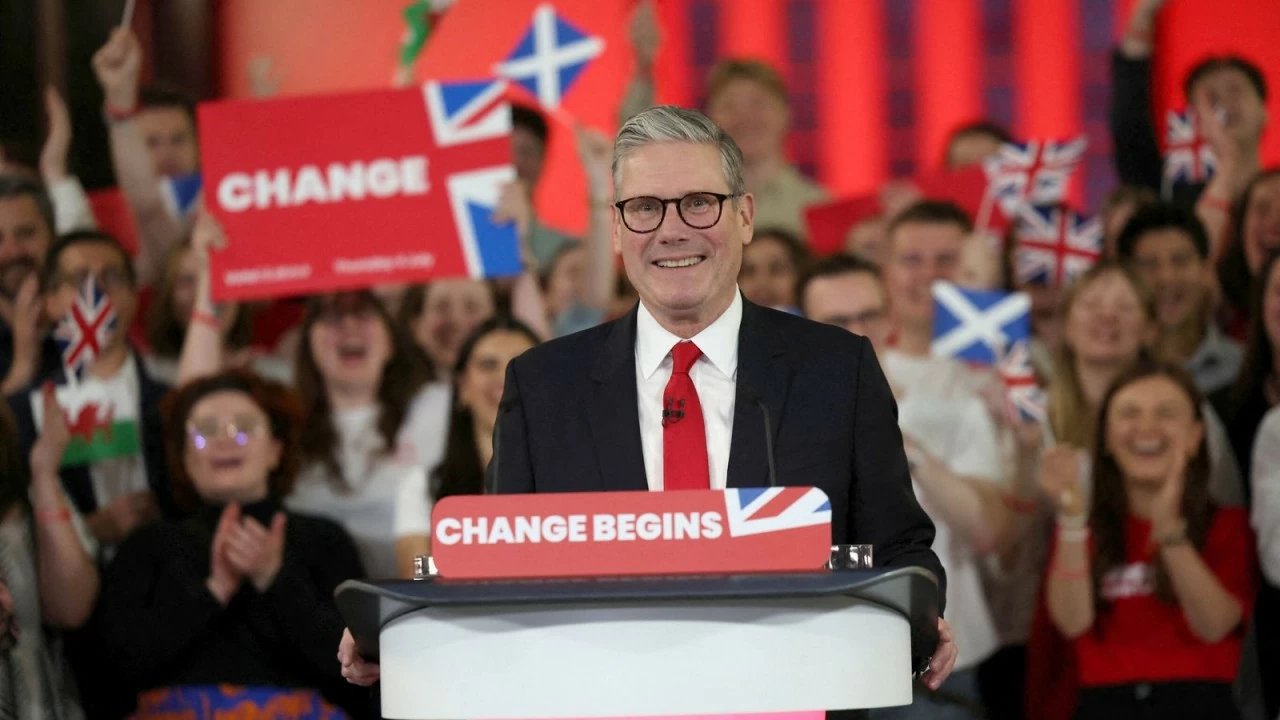 |
| Britain is facing considerable pressure both domestically and internationally under Prime Minister Keir Starmer. (Source: Reuters) |
If Vice President Kamala Harris wins the election, this special relationship will have a chance to be rebuilt. Post-Brexit, Washington no longer values the US-UK relationship as highly, especially as London's influence in Europe is declining. But with Mr. Starmer and Ms. Harris sharing similar political backgrounds, the two countries may have an opportunity to restore the role and closeness of this relationship.
British foreign policy under the Labour Party, such as Britain Reconnected and Progressive Realism , seems to align with the Harris administration. The Labour Party is also working to restore relations with the European Union (EU), a move that Harris strongly supports.
Reconstruction or fragmentation?
According to CSIS, the new occupant of the White House, regardless of party affiliation, should support stronger ties between Britain and Europe. This move would further bolster US foreign policy in its competition with China, as well as promote a unified European stance on Beijing.
A UK-EU security treaty would also strengthen security and defense industry cooperation, creating a “European pillar” within NATO to counter Russia and reduce Europe’s military dependence on the US. Furthermore, Washington has lost its traditional bridge to Europe post-Brexit, so Prime Minister Starmer’s restoration of good relations with Europe from outside the EU would be an advantage for both presidential candidates.
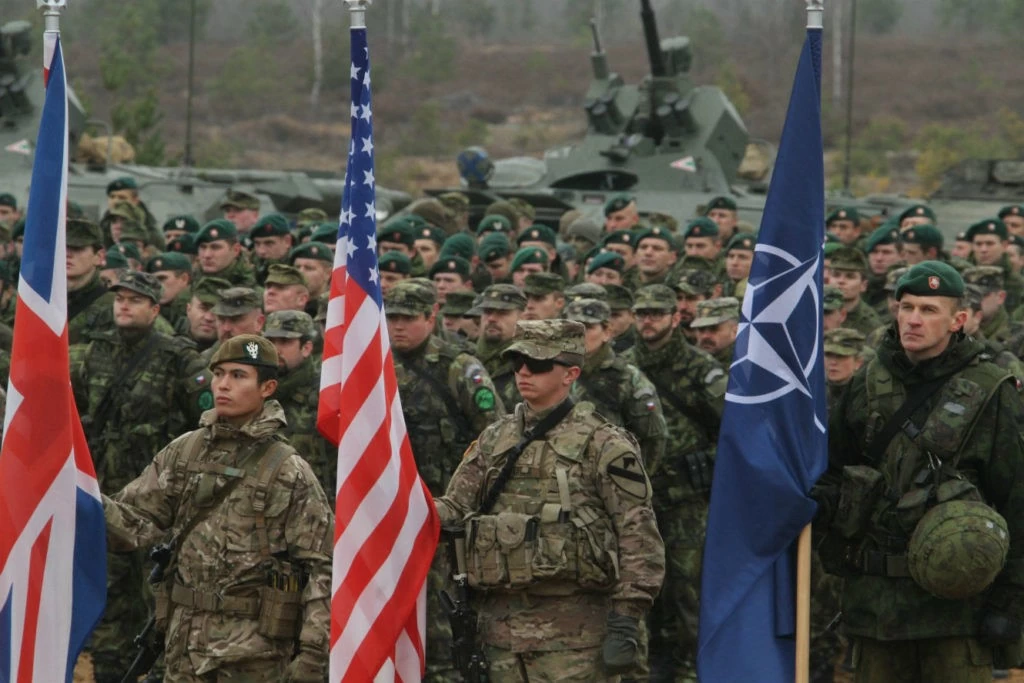 |
| The occupants of the White House, regardless of party affiliation, generally support a closer relationship between Britain and Europe. (Source: AP) |
Furthermore, the UK made no progress in negotiating a new free trade agreement during former President Donald Trump's first term. Moreover, the current administration of President Joe Biden has also made little effort to negotiate a new trade agreement, with both the government and Congress skeptical about trade agreements with London.
It is unclear whether the Harris administration will adopt a similar approach; however, a new Labor government could be the ideal partner to negotiate a new trade agreement focused on the green economy. If the US cannot reach a trade agreement with the UK, Washington will find it difficult to reach an agreement with any other country.
Furthermore, in the areas of climate and green energy, the agendas presented by candidates Kamala Harris and Donald Trump differ significantly. CSIS suggests that Harris should at least “recruit” the UK as a key ally in the green transition, as London’s Clean Energy Alliance would offer Washington new avenues for pursuing an advanced climate diplomacy.
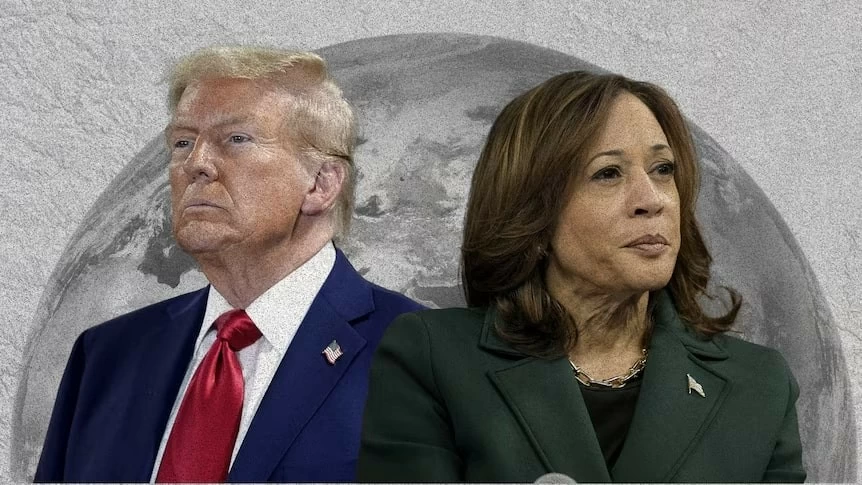 |
| The US-UK relationship has long been a solid pillar in the foreign policy of both countries. (Source: ABC) |
The US-UK relationship may be strong enough to weather any storm. However, the Harris administration may pave a much smoother path for this special relationship than the Trump administration.
In short, regardless of who becomes the new occupant of the White House, the US-UK relationship will remain a solid pillar in the foreign policy of both countries. But this time, the differences in the political orientations of the two leaders may lead to divergent paths. Harris's administration is expected to rebuild closer ties, not only with London but with the whole of Europe, thereby strengthening a more robust Western alliance against global challenges, particularly from China and Russia.
Conversely, a second term for Trump could steer relations between Washington and London onto a new path, focusing on bilateral issues rather than multilateral ones. Either way, these two close allies will need flexibility and creativity to adapt and leverage the strength of their traditional relationship, continuing to be reliable strategic partners in a constantly changing world.
Source: https://baoquocte.vn/quan-he-my-anh-hau-bau-cu-hai-nga-re-truoc-chan-troi-moi-291974.html




![[Photo] General Secretary To Lam works and extends New Year greetings to the Party Committee, government and people of Dak Lak province.](https://vphoto.vietnam.vn/thumb/1200x675/vietnam/resource/IMAGE/2026/02/11/1770808701306_ndo_tl_img-4099-5201-jpg.webp)























































































Comment (0)