

Faced with declining birth rates, a rapidly aging population, and a gender imbalance, the Ministry of Health has proposed several solutions to address these issues.
Faced with declining birth rates, a rapidly aging population, and a gender imbalance, the Ministry of Health has proposed several solutions to address these issues.
According to the Ministry of Health, the national fertility rate has decreased from 2.11 children per woman (2021) to 2.01 children per woman (2022), 1.96 children per woman (2023), and 1.91 children per woman (2024) - the lowest level in history.
According to forecasts, if the birth rate continues to decline, Vietnam will end its demographic dividend period in 2039, the working-age population will peak in 2042, and after 2054, the population will begin to decline.
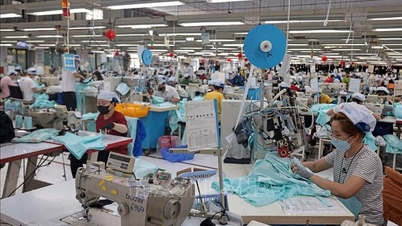
The consequences of persistently low birth rates can lead to labor shortages, population decline, increased population aging, and negative impacts on socio-economic development.
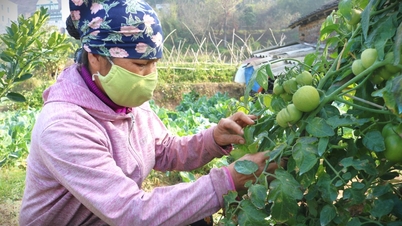
Over the past two decades, the fertility rate in urban areas has fallen below replacement level, fluctuating between 1.7 and 1.8 children per woman. The fertility rate in rural areas remains higher, maintaining at 2.2 to 2.3 children per woman.
However, by 2023, the fertility rate in rural areas had fallen to 2.07 children per woman, below replacement level and the lowest ever recorded. This reflects an ongoing declining fertility trend in both regions, signaling significant challenges for future population policies.
According to Mr. Le Thanh Dung, Director of the Population Department (Ministry of Health), the Ministry is reviewing population policies and preparing a report on the current situation and trends of fertility rates in Vietnam.
The draft amendment to the Population Ordinance proposes that couples and individuals have the right to decide on the number of children, the timing of childbirth, and the spacing between births. The Ministry of Health argues that many current regulations are no longer consistent with the Constitution and the current situation.
This adjustment aims to maintain replacement fertility levels, minimize the risk of labor shortages and population aging. In addition, the Ministry of Health also proposes strengthening financial support measures, improving maternity leave, childcare allowances, and other incentives to encourage families to have more children, especially in urban areas.
Vietnam is entering a demographic dividend with a young and abundant workforce, but the aging population is increasing. People aged 60 and over currently account for 12% of the population. This figure is projected to exceed 20% by 2035. This rapid change places a heavy burden on the social security system and healthcare resources.
According to some experts, to cope with declining birth rates and an aging population, Vietnam needs to focus on improving the quality of its human resources. Vocational training and education programs need to be improved to meet the needs of the future labor market. Skills training for workers will help them adapt to new professions, especially as industries are rapidly changing due to technological advancements and automation.
Population aging is one of Vietnam's major challenges in the coming decades. This means building a social security and healthcare system for the elderly. Policies supporting elderly care, improving pension schemes, and providing healthcare services for older people are essential to alleviate pressure on families and ensure sustainable development.
One of the factors preventing many couples from having children is fertility issues. Improving assisted reproductive services, such as in-vitro fertilization and infertility treatment, will give couples struggling with fertility problems a chance to fulfill their dream of becoming parents. Insurance policies for these treatments and financial support for infertile couples should be prioritized.
Furthermore, some experts suggest that Vietnam needs a long-term strategy to improve the quality of its human resources, enhance the education and vocational training system, and implement support policies such as flexible work arrangements, longer maternity leave, and financial assistance for young families.
Besides adjusting policies on fertility rates, other countries have also implemented measures such as tax subsidies, childcare support, and enhanced in-vitro fertilization services. Vietnam could learn from these models to help maintain fertility rates and support families in raising their children.
Source: https://baodautu.vn/giai-phap-cap-bach-voi-muc-sinh-giam-d251269.html
![[Photo] Prime Minister Pham Minh Chinh receives the Chinese Ambassador to Vietnam](https://vphoto.vietnam.vn/thumb/1200x675/vietnam/resource/IMAGE/2026/04/05/1775397481797_ndo_br_dsc-5512-jpg.webp)







































































































Comment (0)