

 |
Health benefits of black tea
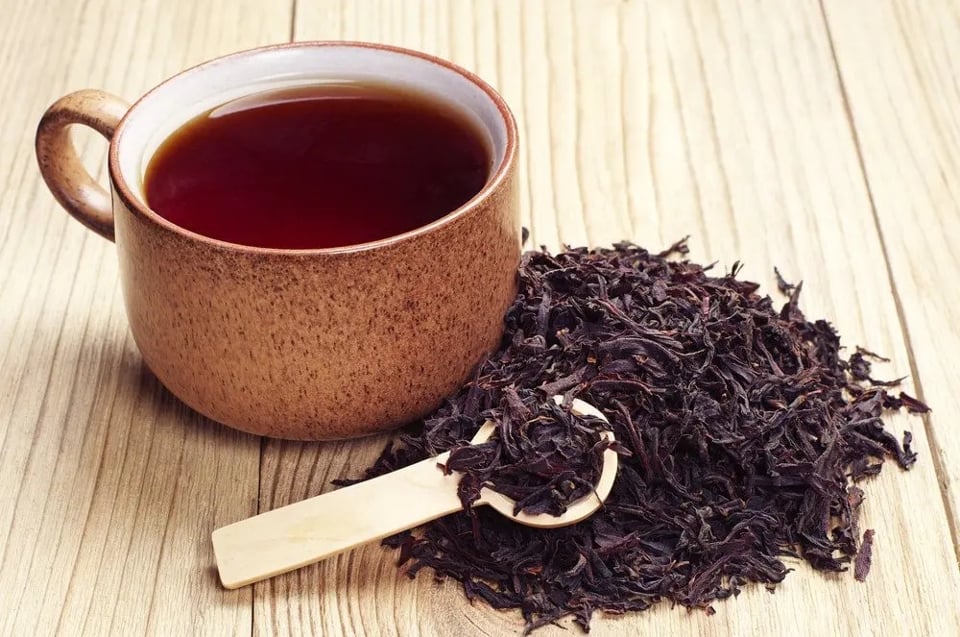
Black tea can offer many health benefits if consumed correctly. Some of the benefits of black tea include:
Boosting cardiovascular health : Black tea contains flavonoids, which help reduce the risk of cardiovascular disease by lowering bad cholesterol (LDL) and increasing good cholesterol (HDL).
Digestive support : Black tea can help strengthen the digestive system and reduce uncomfortable symptoms such as bloating or constipation.
Improved mood : Black tea contains caffeine, which helps increase alertness, improve concentration, and reduce fatigue.
Antioxidant properties : Black tea contains polyphenols, which help protect the body from damage caused by free radicals, potentially reducing the risk of certain chronic diseases.
Weight loss support : some studies suggest that black tea may support weight loss due to its ability to boost fat metabolism.
However, it's also worth noting that black tea contains caffeine, and drinking too much can cause anxiety, insomnia, or stomach upset. If you drink black tea in moderation and regularly, combined with a healthy diet and active lifestyle, it can be part of a healthy eating plan.
Side effects of black tea
Although black tea has many benefits, drinking too much or improperly can also cause some health problems. Here are some of the possible side effects:
Causes insomnia : Black tea contains caffeine, a stimulant that can cause insomnia, especially if you drink it in the evening or right before bed. Consuming too much caffeine can increase anxiety and make it difficult to fall asleep.
High blood pressure : Some studies suggest that drinking too much black tea may increase blood pressure, especially in people with a history of high blood pressure or sensitivity to caffeine.
Stomach irritation : Caffeine and other compounds in black tea can irritate the stomach, causing indigestion, heartburn, or stomach pain, especially when drunk on an empty stomach.
Impact on iron absorption : Black tea contains tannins, a type of compound that can reduce the body's ability to absorb iron from food. If you drink black tea with an iron-rich meal or if you are iron deficient, drinking too much black tea may worsen your iron deficiency.
Increased risk of bone disease : Some studies indicate that excessive black tea consumption may reduce bone density if the body doesn't absorb enough calcium. This can affect bone health, especially in older adults.
Habit formation and addiction : Because black tea contains caffeine, regular consumption can lead to caffeine dependence, making you feel tired and lacking energy if you don't drink it.
To reap the benefits of black tea without experiencing the aforementioned drawbacks, you should drink it in moderation (1-3 cups per day) and avoid drinking it too close to meals or in the evening. If you have any health problems such as high blood pressure or osteoporosis, you should consult your doctor before drinking black tea.
 |
Who shouldn't drink black tea?
Although black tea offers many health benefits, it's not suitable for everyone. Here are some groups of people who should avoid black tea or should use it with caution:
People with blood pressure problems : Black tea contains caffeine, which can temporarily increase blood pressure. Those with high blood pressure or a history of high blood pressure should limit their consumption of black tea.
People with stomach ulcers or digestive problems : Caffeine and compounds in black tea can irritate the stomach and increase stomach acid, leading to stomach ulcers, heartburn, or indigestion. Those with stomach issues, such as gastritis or stomach ulcers, should avoid black tea or only drink it after a meal.
Pregnant or breastfeeding women : Caffeine can affect the fetus or infant, especially if consumed in large amounts. Pregnant and breastfeeding women should limit their caffeine intake, including black tea, and consult their doctor for safe levels.
People with cardiovascular problems : The caffeine in black tea can stimulate the heart, increasing heart rate and causing problems for those with heart conditions, such as arrhythmias.
People with anxiety or insomnia : Black tea can cause anxiety and difficulty sleeping due to the stimulating effects of caffeine. Those prone to anxiety or insomnia should avoid drinking black tea, especially in the evening or before bedtime.
People with iron deficiency : Black tea contains tannins, a substance that can reduce the body's ability to absorb iron from food. If you have iron deficiency or anemia, avoid drinking black tea immediately before or after iron-rich meals.
Children : Caffeine is not recommended for children because they may be more sensitive to its effects. Children may experience side effects such as insomnia, anxiety, and digestive problems when drinking black tea.
Source: https://kinhtedothi.vn/dieu-can-biet-khi-su-dung-tra-den.html


![[Photo] Standing Committee member of the Party Central Committee Tran Cam Tu working with the Central Inspection Committee](https://vphoto.vietnam.vn/thumb/1200x675/vietnam/resource/IMAGE/2026/05/28/1779969579668_ndo_br_bnd-2495-jpg.webp)







































































































Comment (0)