Millions of worshippers around the world celebrate Eid al-Fitr, marking the end of Ramadan, the holiest month of the year for Muslims.
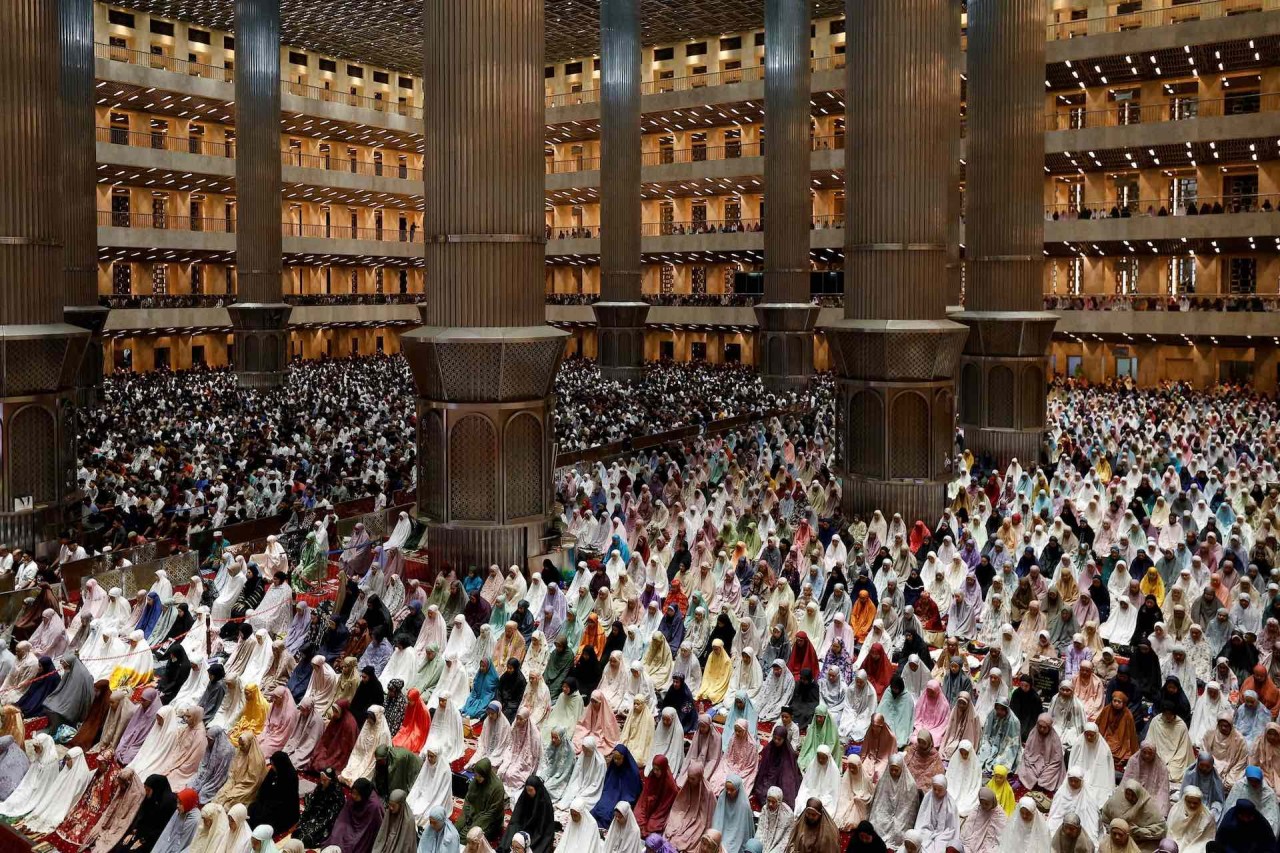
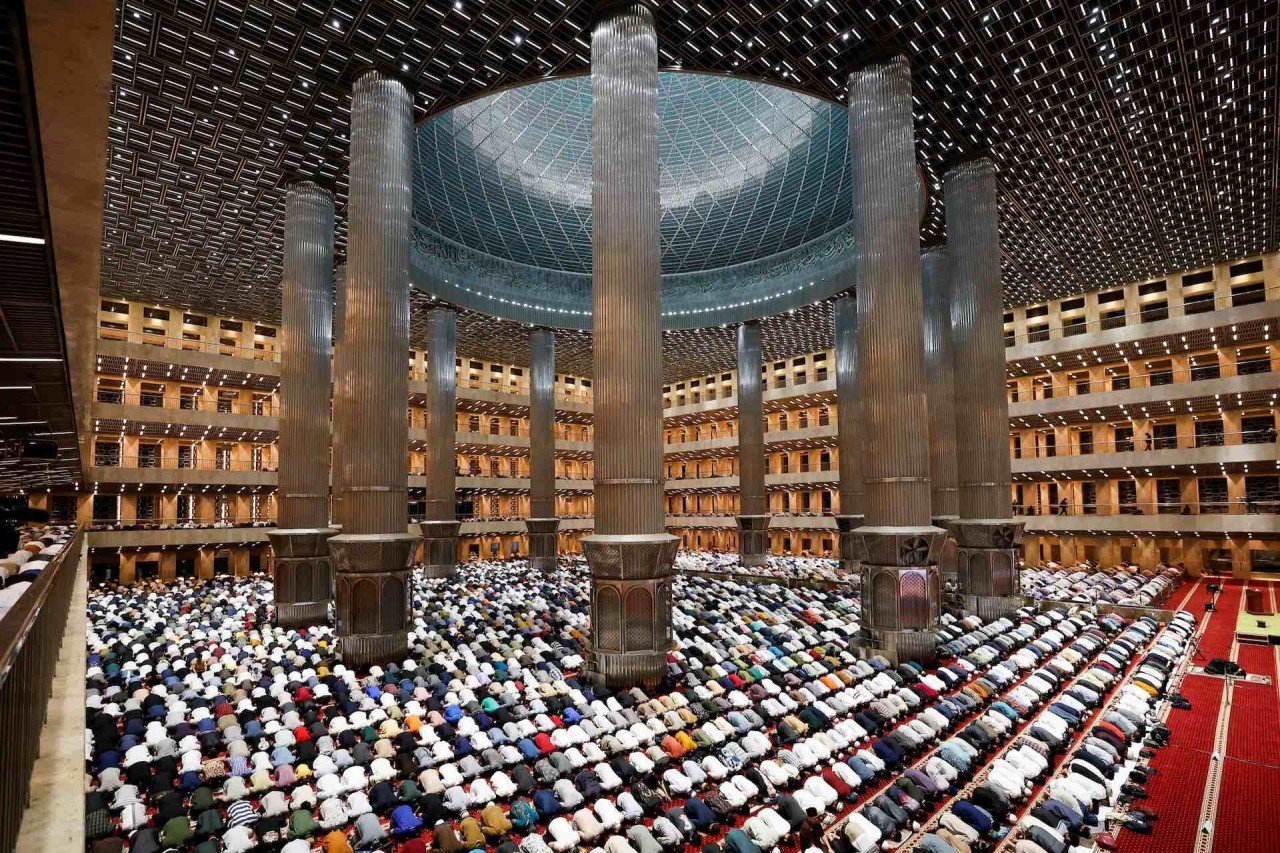
Ramadan takes place in the ninth lunar month of the Muslim calendar, so there is no fixed date according to the Gregorian calendar. This year, Ramadan runs from March 11th to April 10th. In the photo: Indonesian Muslims attend Tarawih prayers on the first night of Ramadan at the Istiqlal Grand Mosque in Jakarta, Indonesia. (Source: Reuters)
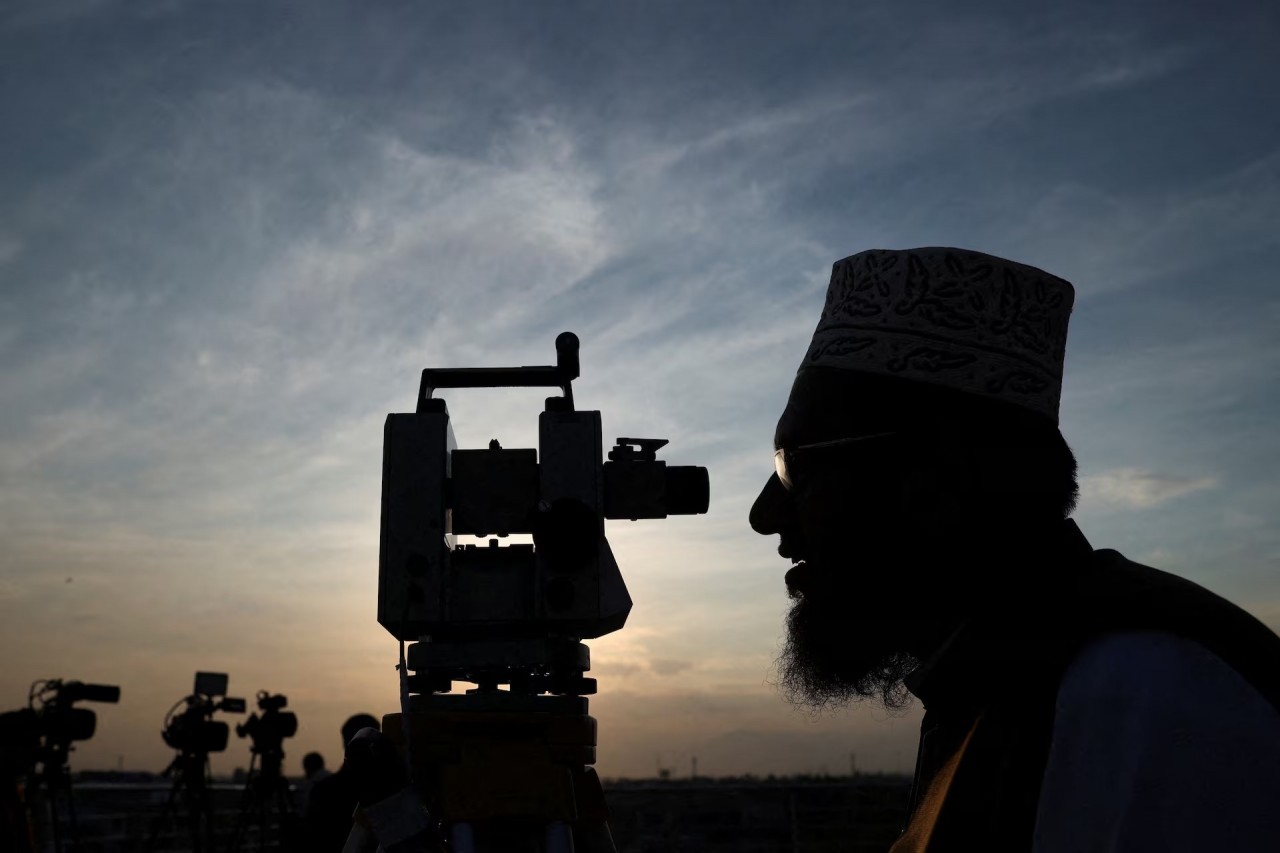
Members of the lunar observation committee perform the “rukyah” ritual, waiting for the new month's moon to appear in the sky, so they can declare the start of Ramadan. In the photo: A member of Pakistan's lunar observation committee uses a theodolite to track the moon's rise to mark the Ramadan fasting month in Peshawar, Pakistan. (Source: Reuters)
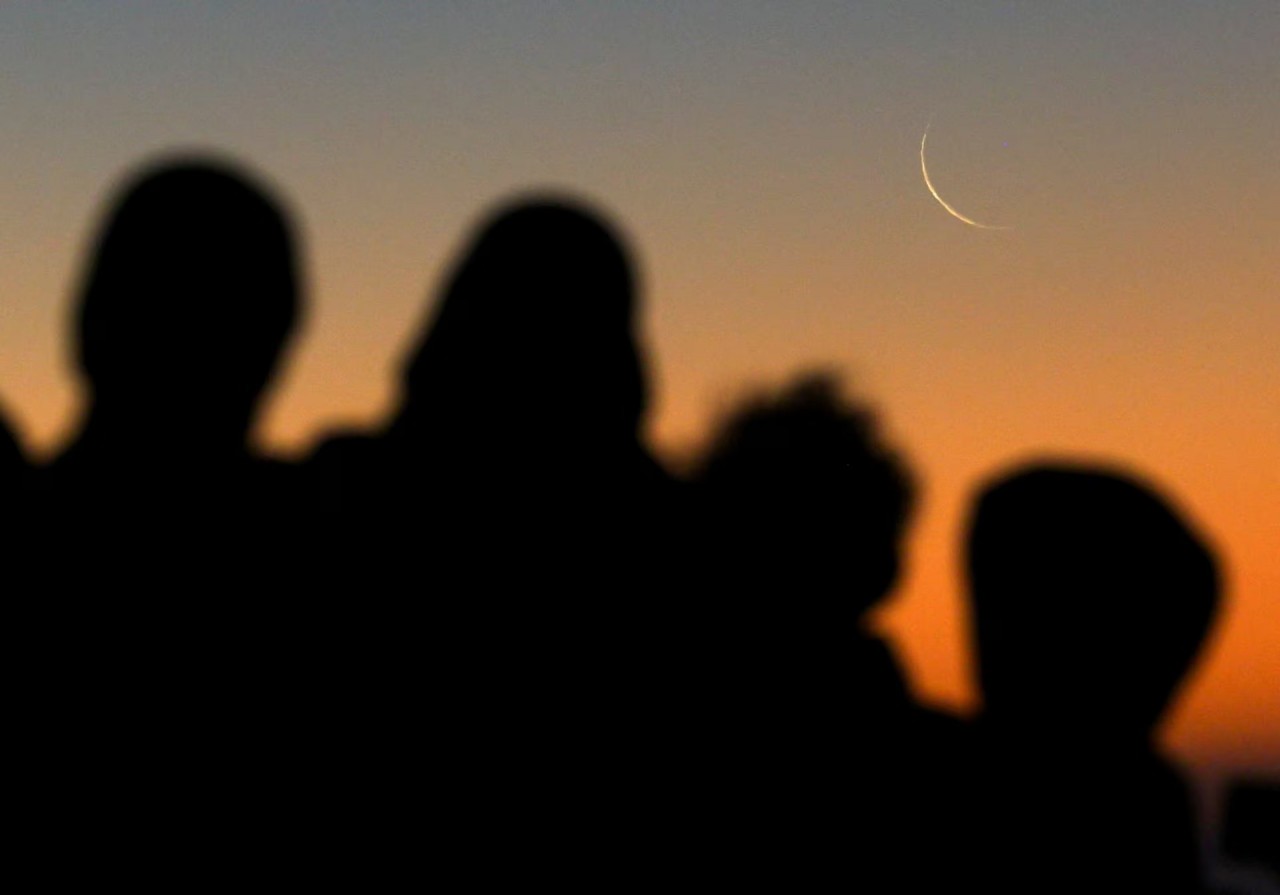
The crescent moon marks the beginning of Ramadan in the sky over Cape Town, South Africa. (Source: Reuters)
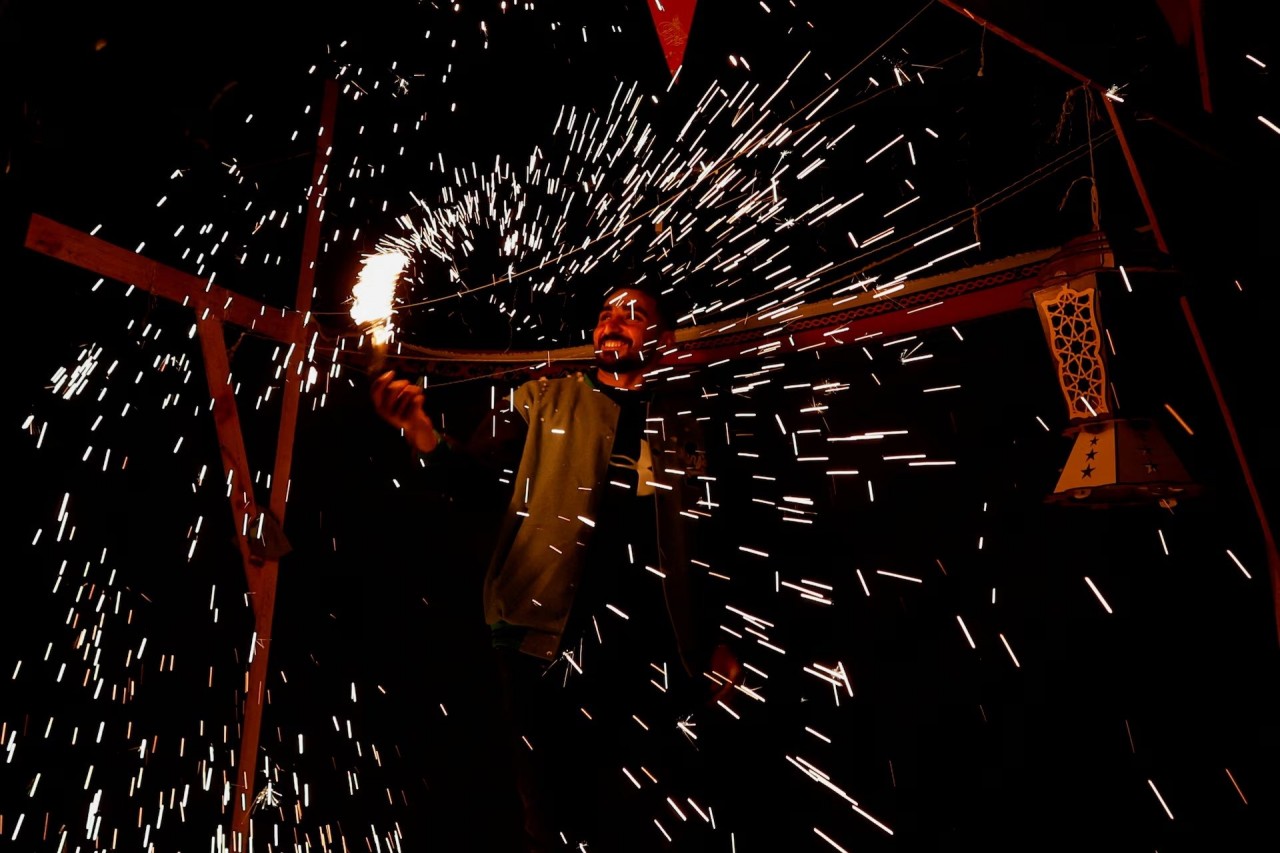
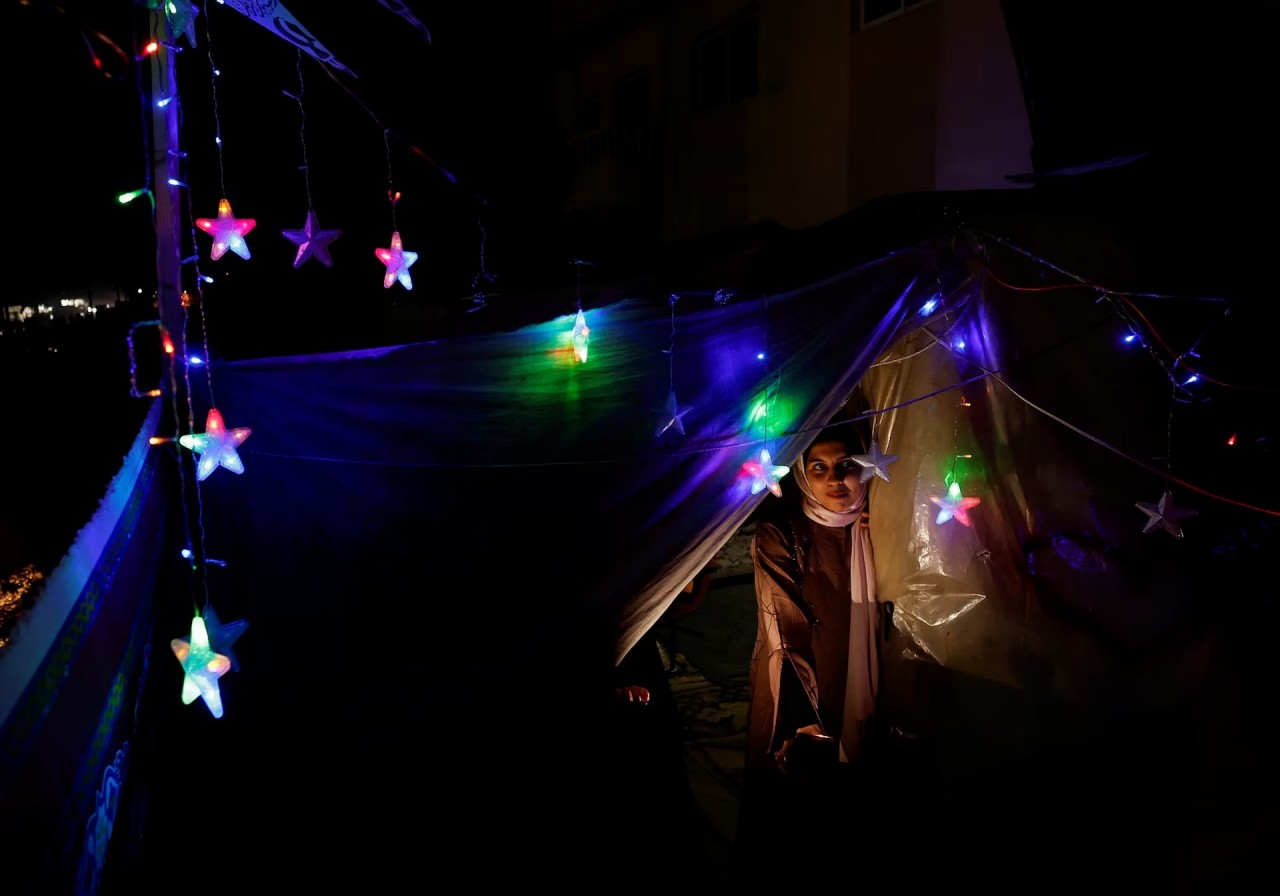
Earlier, many families had decorated their homes to welcome Ramadan. In the photo: People joyfully celebrate Ramadan in Rafah, southern Gaza Strip. (Source: Reuters)
They decorated their shelters with sparkling lights. In the photo: Despite losing their homes due to the Israeli-Hamas conflict, homeless Palestinians still try to decorate their tents in a refugee camp to celebrate Ramadan, in Rafah, southern Gaza Strip. (Source: Reuters)
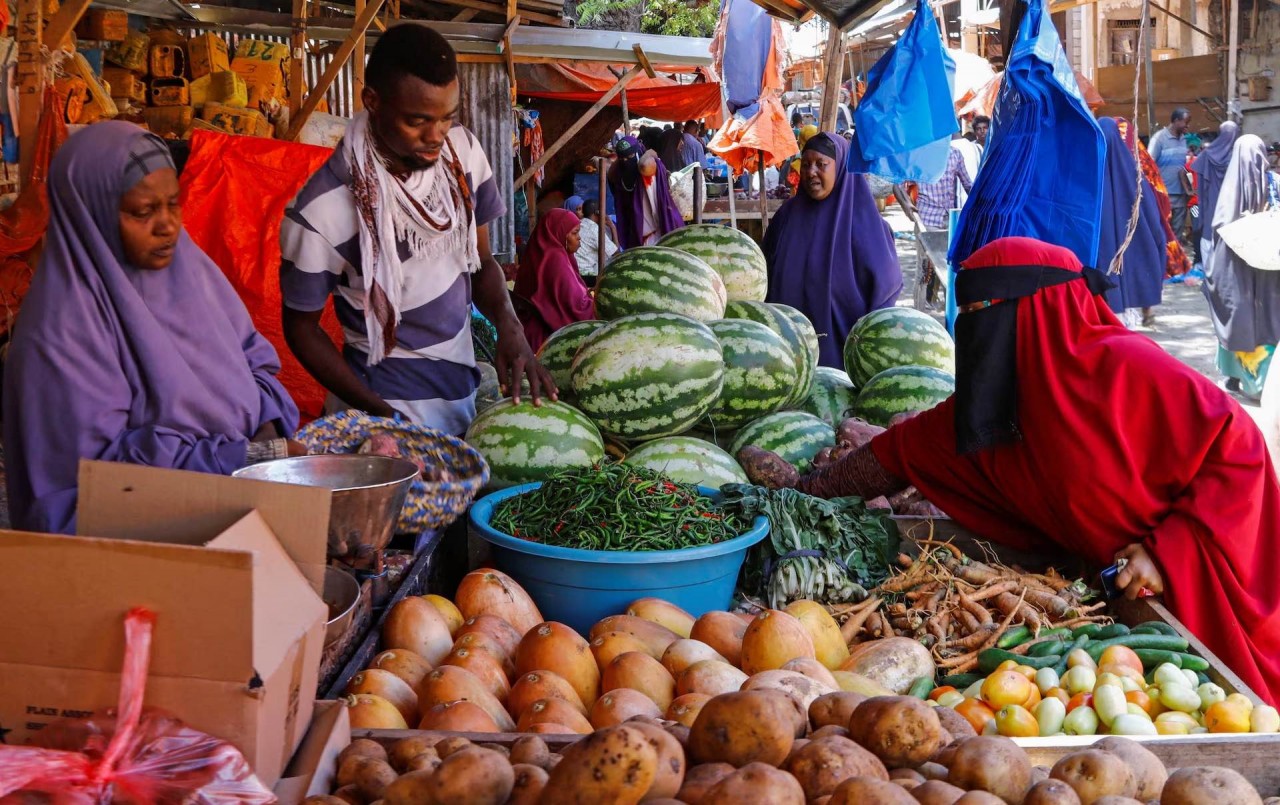
Vegetables and fruits are in even higher demand during Ramadan. Pictured: A vegetable stall at an open-air grocery market in Somalia. (Source: Reuters)
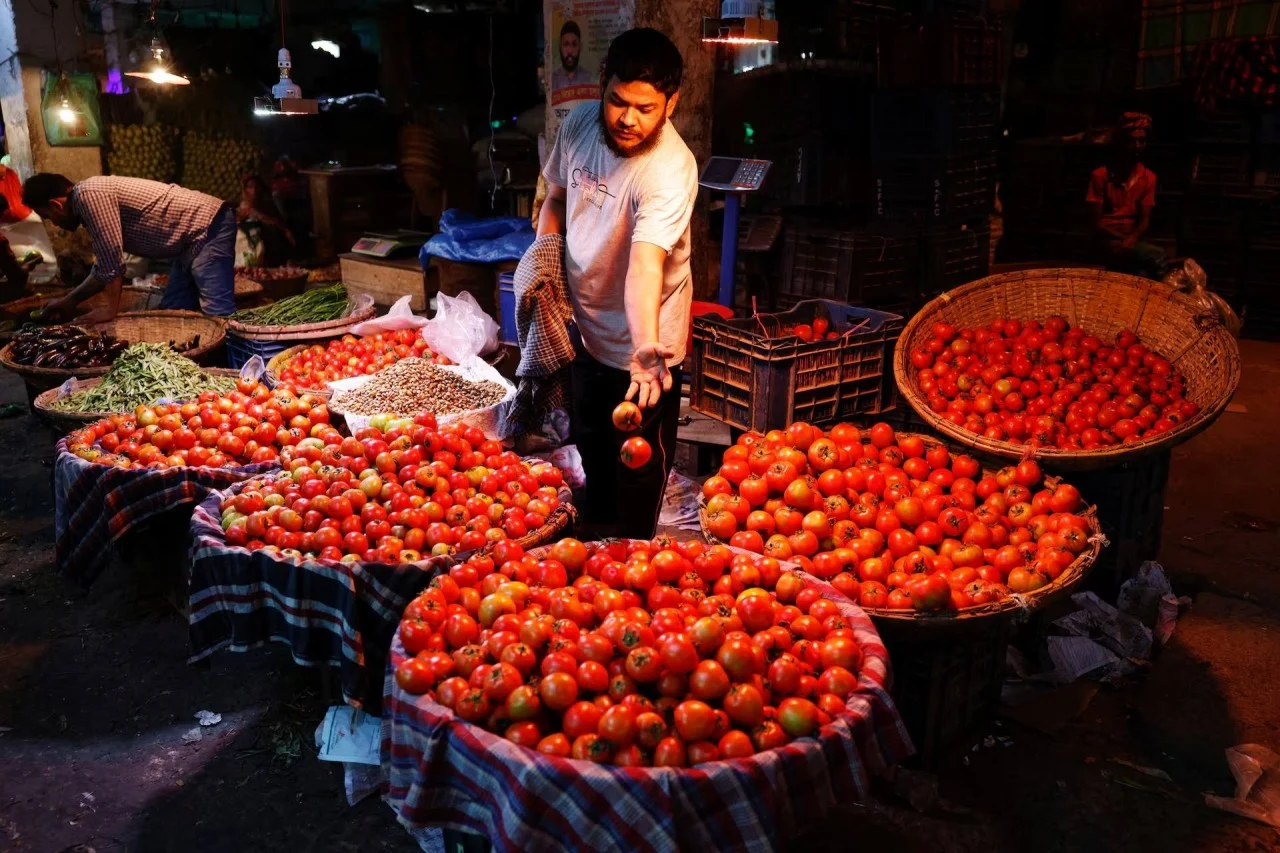
A vendor sorts tomatoes at Karwan Bazar market in Dhaka, Bangladesh. (Source: Reuters)
During Ramadan, Muslims pray five times a day, called "Salat," at dawn, noon, midday, sunset, and night. They can pray anywhere—at school, work, home, or outdoors—but must adhere to the prescribed rituals. (Image: Indonesian Muslims attend a prayer service at the Istiqlal Grand Mosque in Jakarta, Indonesia. Source: Reuters)
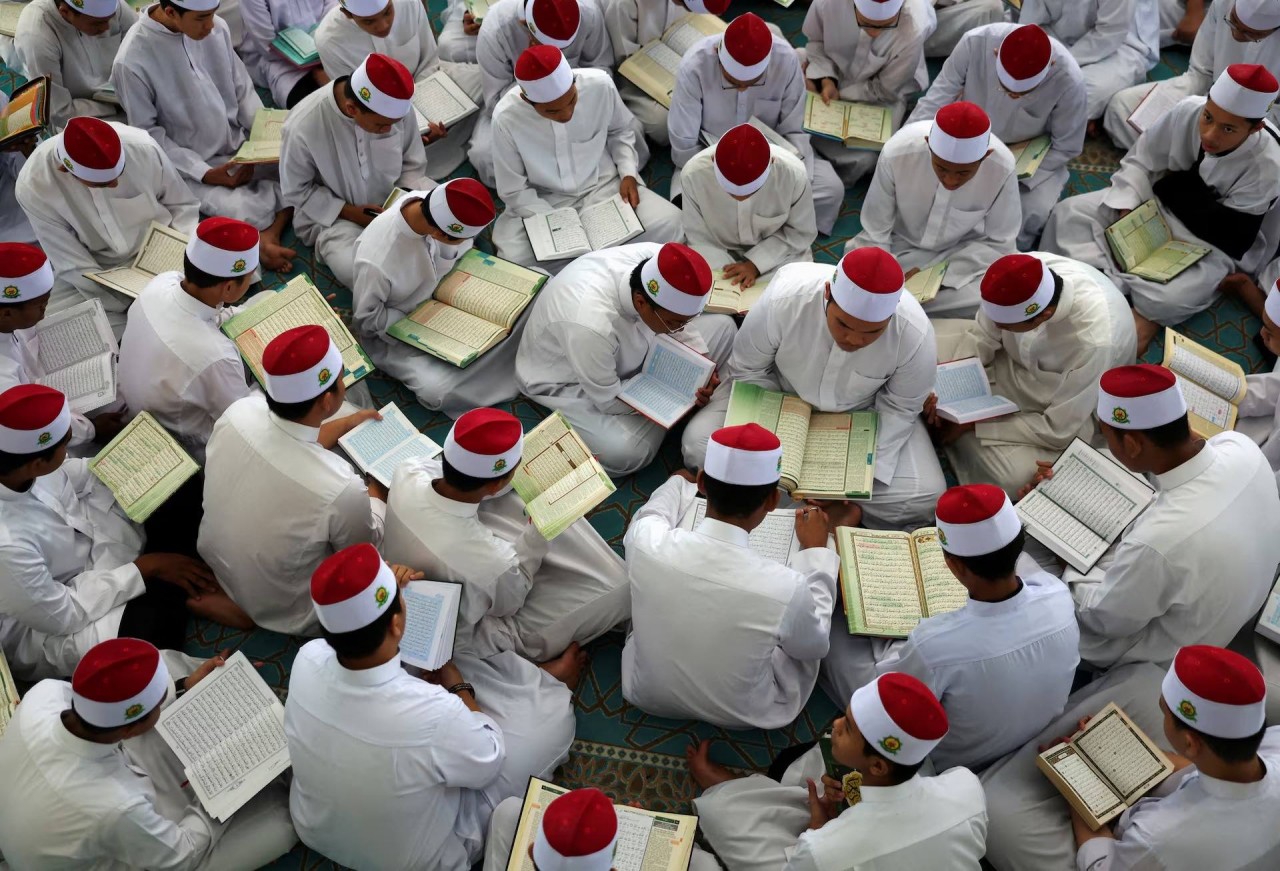
This prayer ritual is intended to remind believers of the right way of life. Islam is also considered the religion that mandates its followers to perform prayer most frequently throughout the day. Muslim students study the Quran on "Nuzul Quran," or "Quran Revelation Day," the 17th day of Ramadan, in Kuala Lumpur, Malaysia. (Source: Reuters)
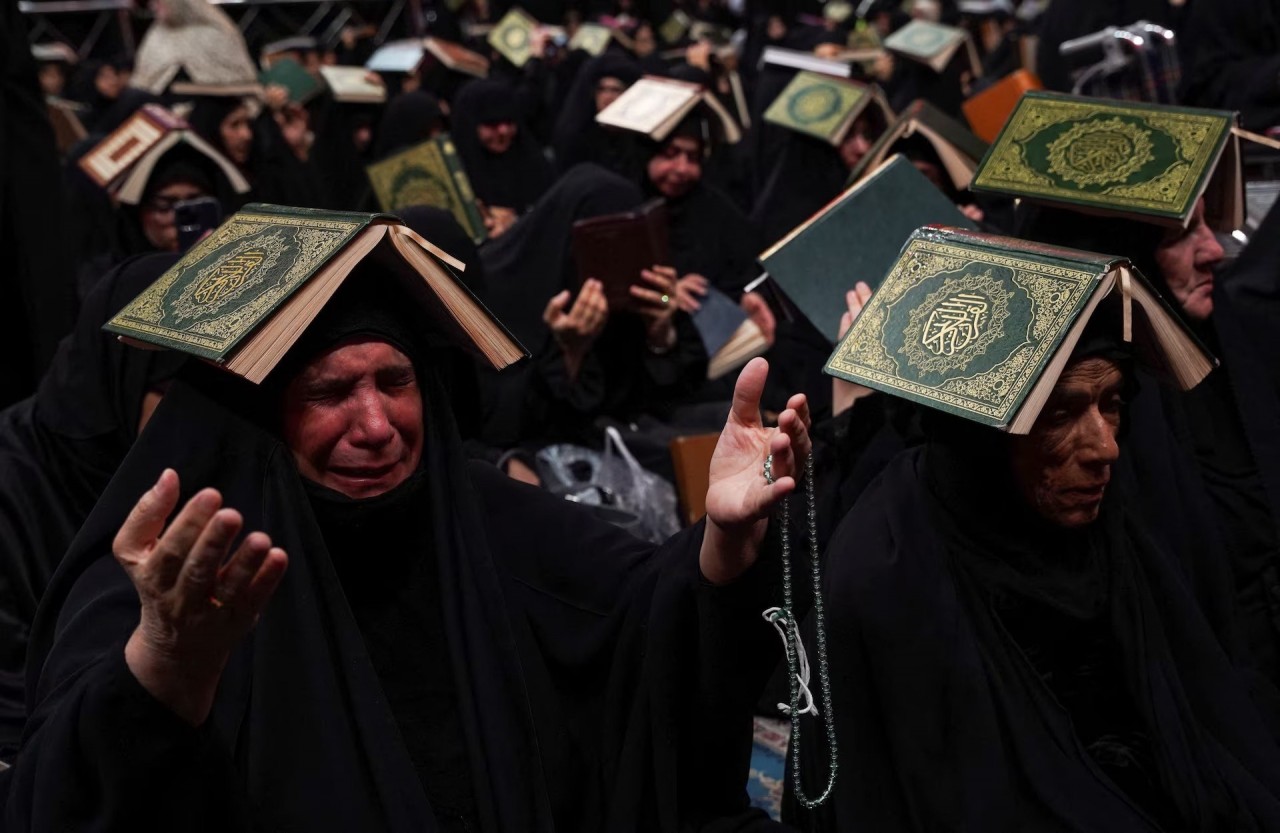
The prayer service includes reading passages from the Quran, kneeling on a mat, and touching foreheads to the ground as a sign of reverence. In the photo: Shiite worshippers wear copies of the Quran on their heads at the Imam Ali shrine in Najaf, Iraq. (Source: Reuters)
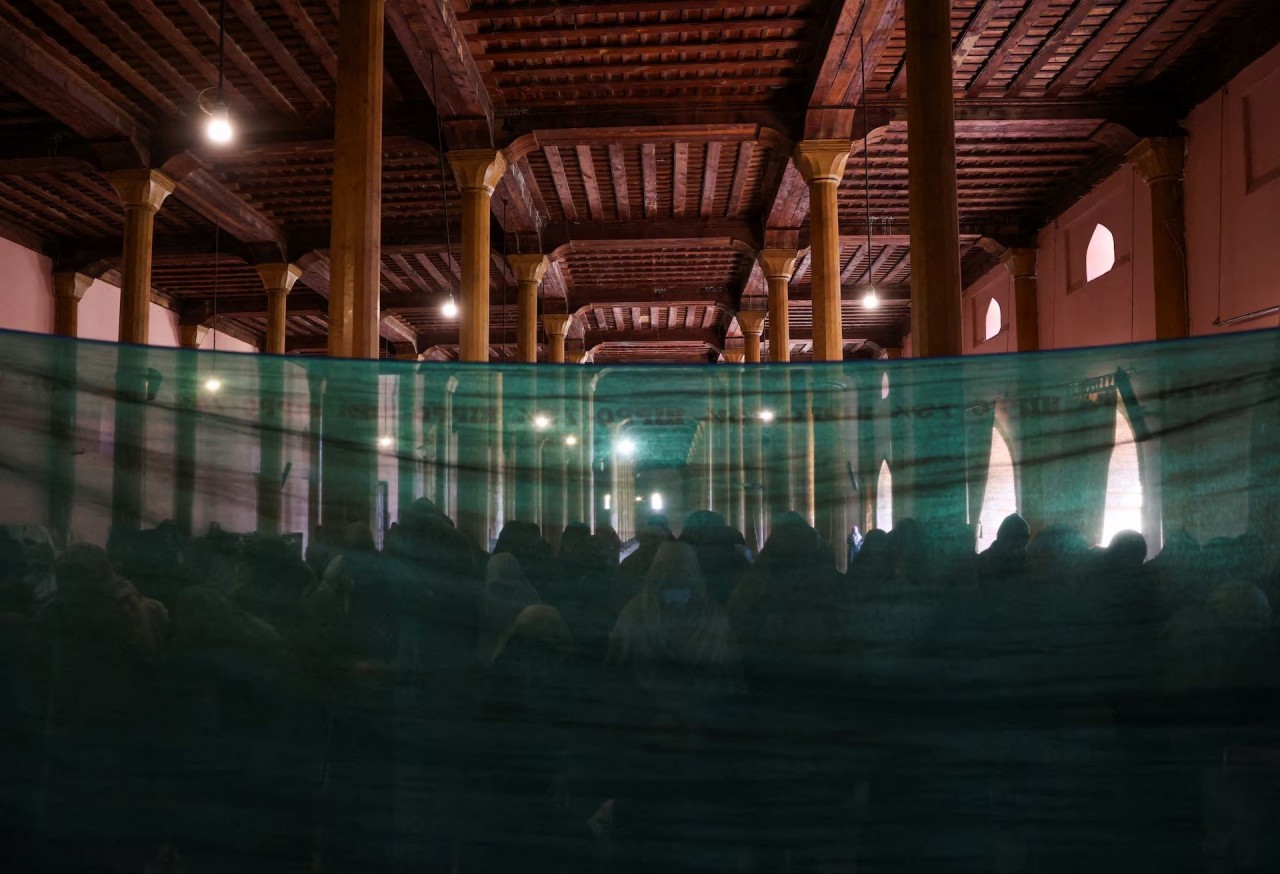
Throughout the month of Ramadan, Muslims must observe strict dietary rules. In principle, they are forbidden from eating, drinking, smoking, and even sexual activity from sunrise to sunset. (Image: Muslim women praying inside the Jamia Mosque in Srinagar, India. Source: Reuters)
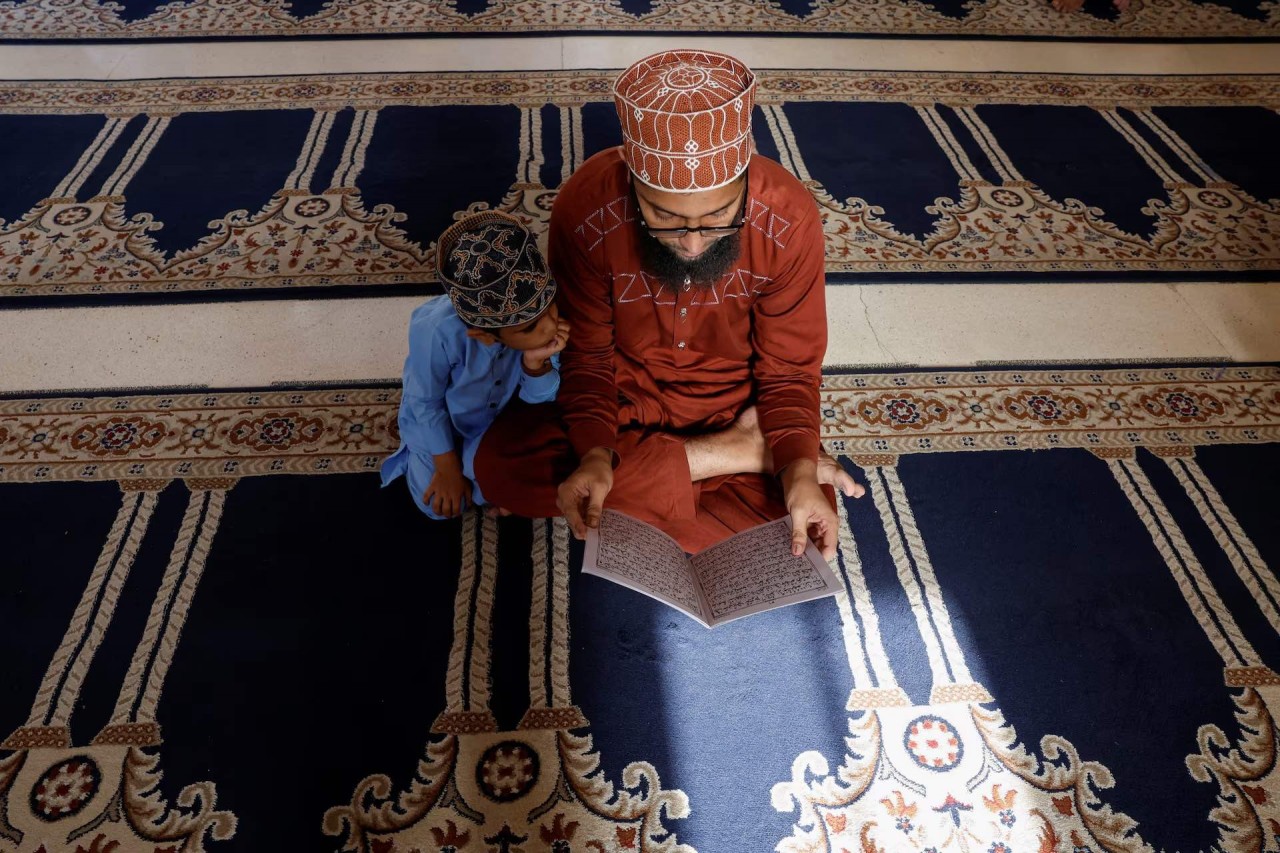
From the age of 10, parents often encourage their children to fast for half a day to get used to fasting. In the photo: A man and a child read the Quran at a mosque in Karachi, Pakistan. (Source: Reuters)
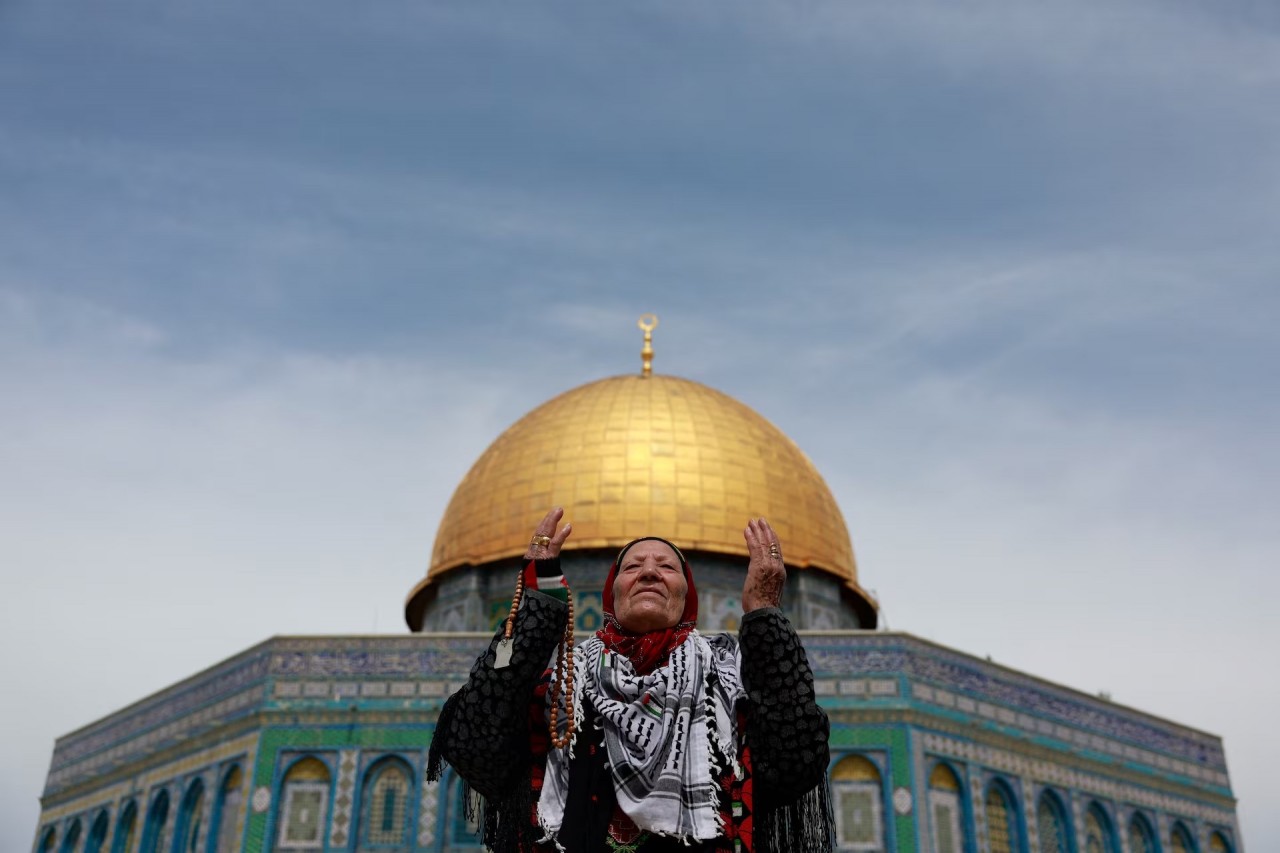
However, there are some exceptions. Tourists , the elderly, the sick, pregnant women, and breastfeeding mothers are exempt from fasting if they make up for lost time after Ramadan. In the photo: A Muslim attends Friday prayers during Ramadan at the Al-Aqsa complex, also known as the Temple Mount by Jews, in the Old City of Jerusalem. (Source: Reuters)
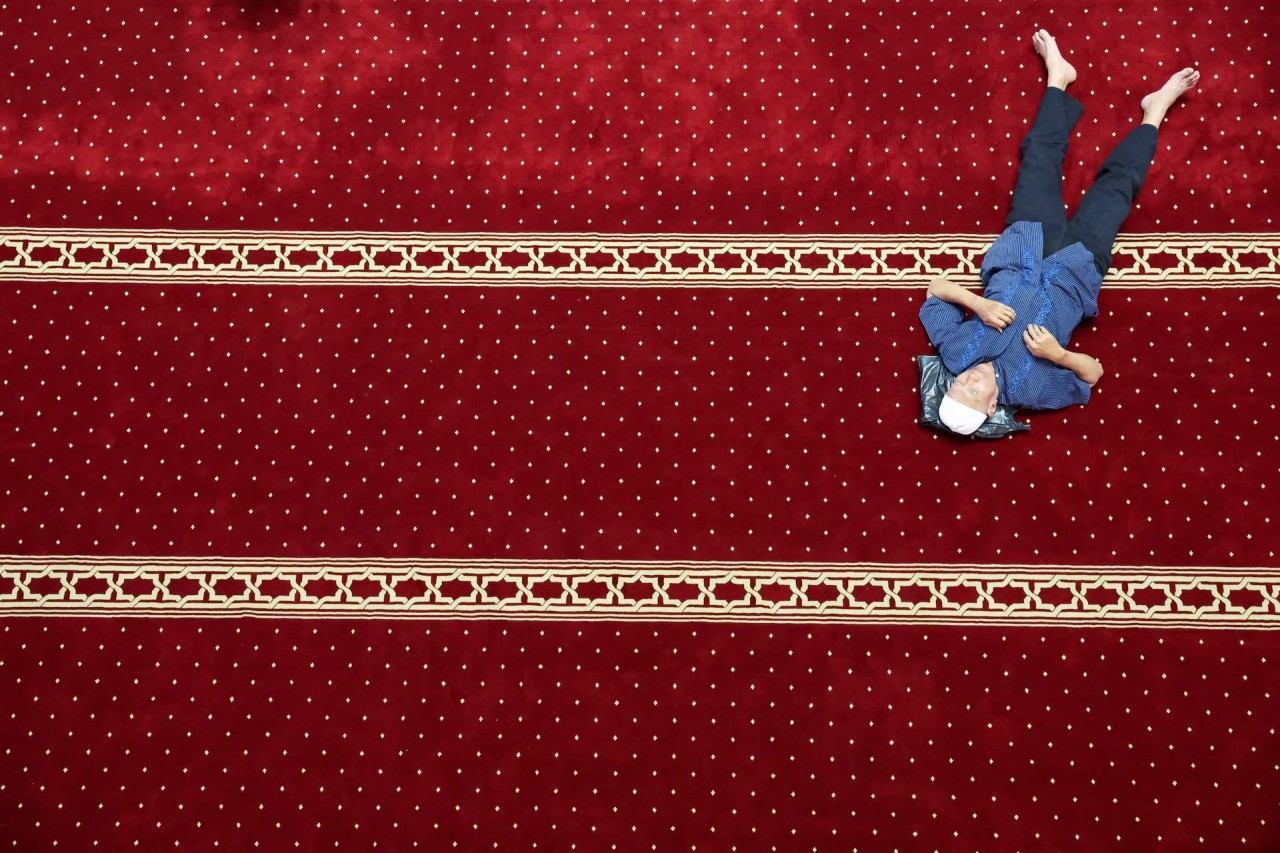
A Muslim man rests after a day of prayer at the Grand Istiqlal Mosque in Jakarta, Indonesia. (Source: Reuters)
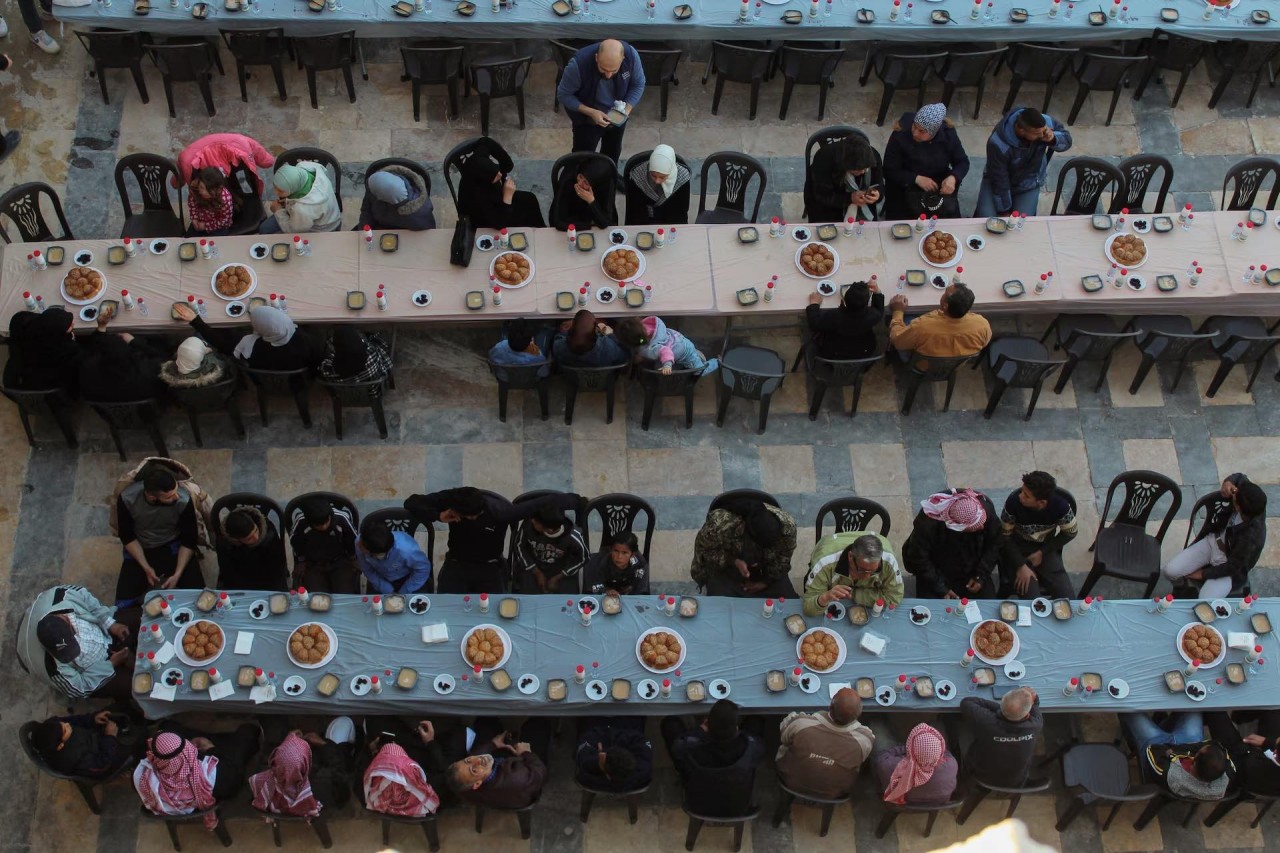
In the photo: People gather to eat Iftar, a meal organized by local charities and the Syrian Development Trust, at the Umayyad Mosque in Aleppo, Syria. (Source: Reuters)
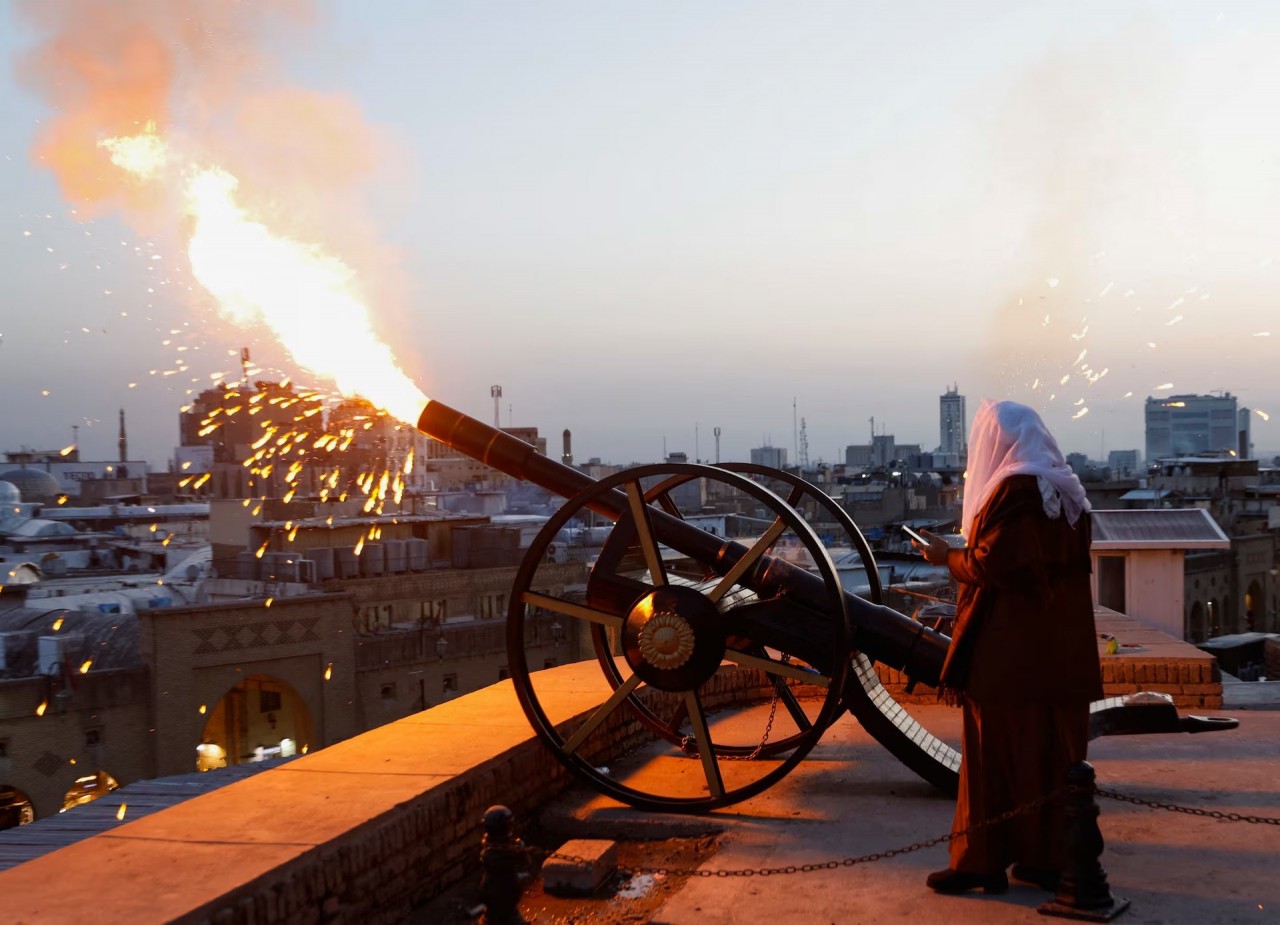
Because fasting is calculated from dawn to dusk, the number of hours of fasting varies depending on the season and where Muslims live. Near the poles, Muslims may fast for nearly 22 hours in the summer or just a few hours in the winter. (Image caption: Cannons fired to signal the start of iftar during Ramadan, in Erbil, Iraq. Source: Reuters)
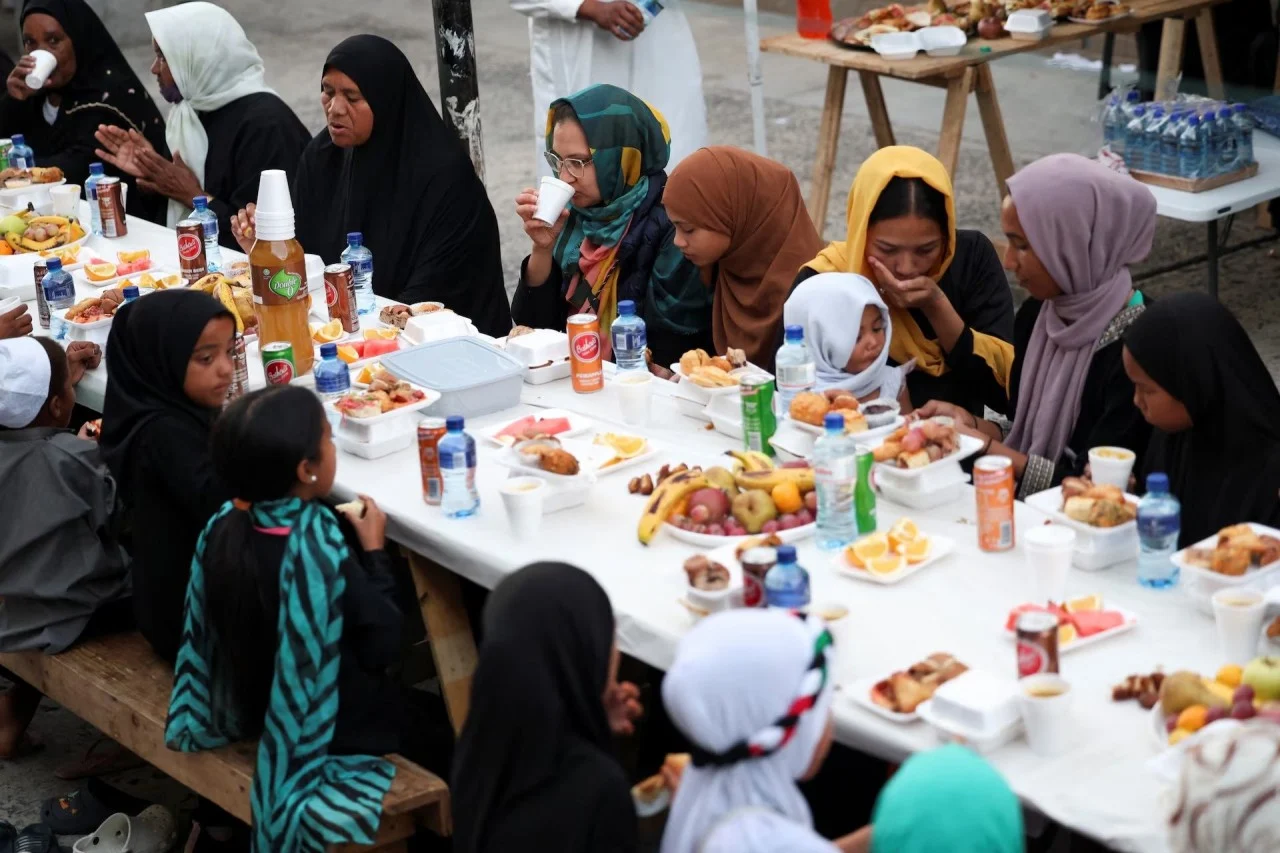
During this holy month, Muslims wake up early to eat a pre-dawn meal called suhoor, and after sunset, they have a "break" dinner called iftar, ending their fast for the day. (Photo: People gather to eat in Heideveld, Cape Flats, Cape Town, South Africa. Source: Reuters)
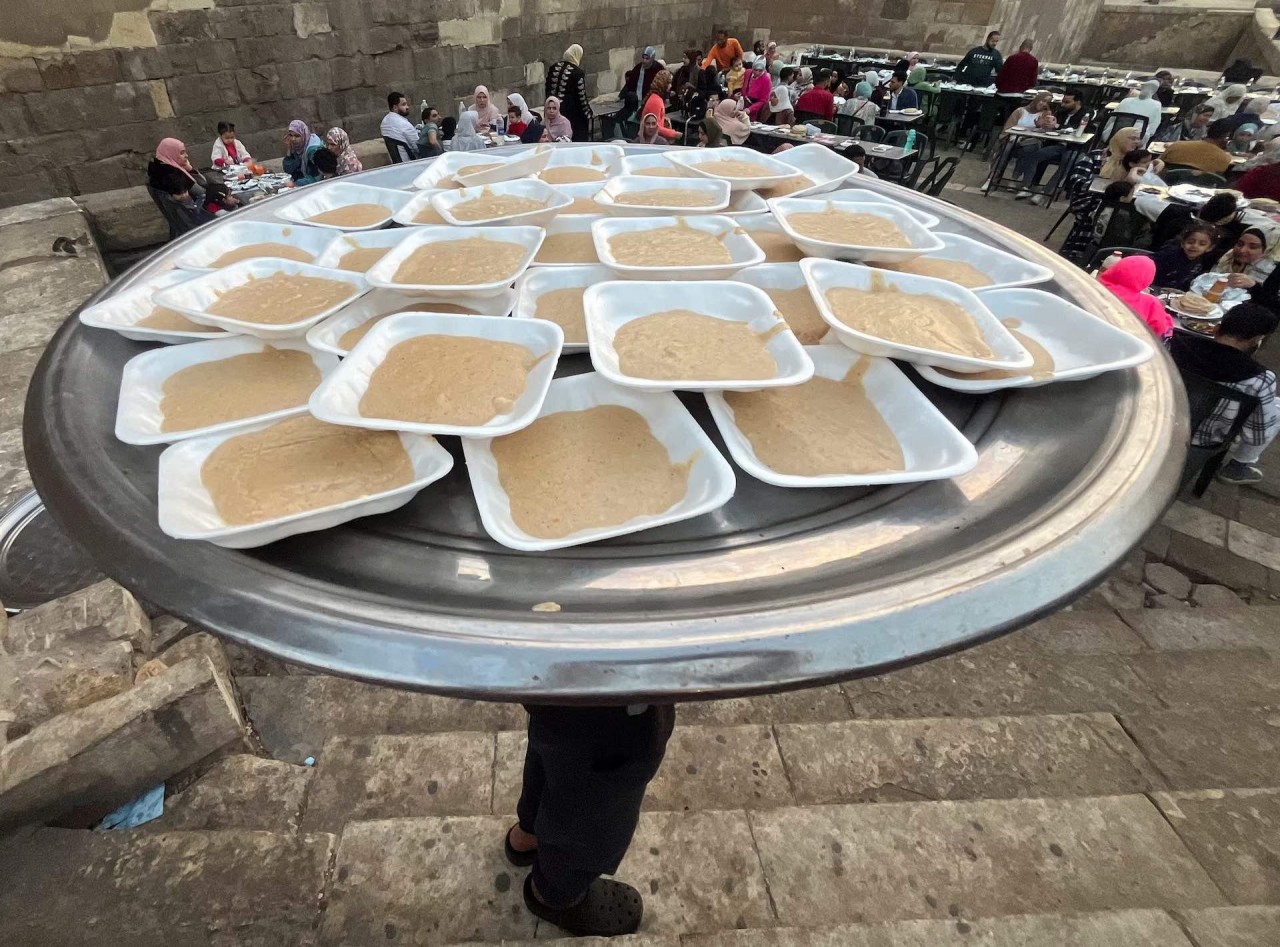
Ramadan brings many other benefits to individuals and society as a whole. Through fasting, wealthy people understand hunger and suffering, and are more inclined to donate to charity when they fast. Muslims make annual charitable donations (zakat) during Ramadan. In the photo: An Egyptian chef carries a tray of food to serve the Iftar meal, the meal that concludes a day of fasting, near Bab al-Futuh, a nearly 1,000-year-old gate at the northern entrance to the historic city of Cairo, Egypt. (Source: Reuters)
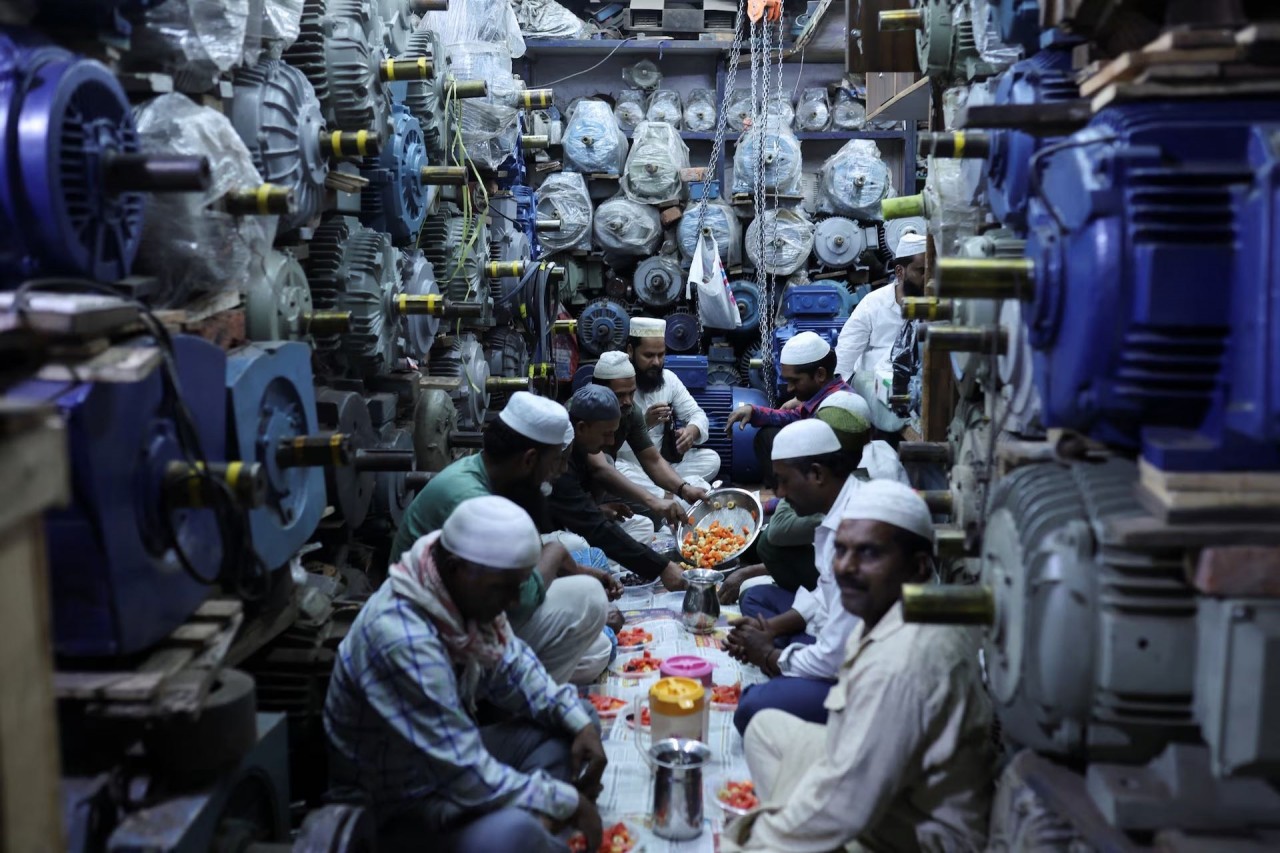
Muslims pray before eating Iftar at an electric motor shop in Delhi's old quarter, India. (Source: Reuters)
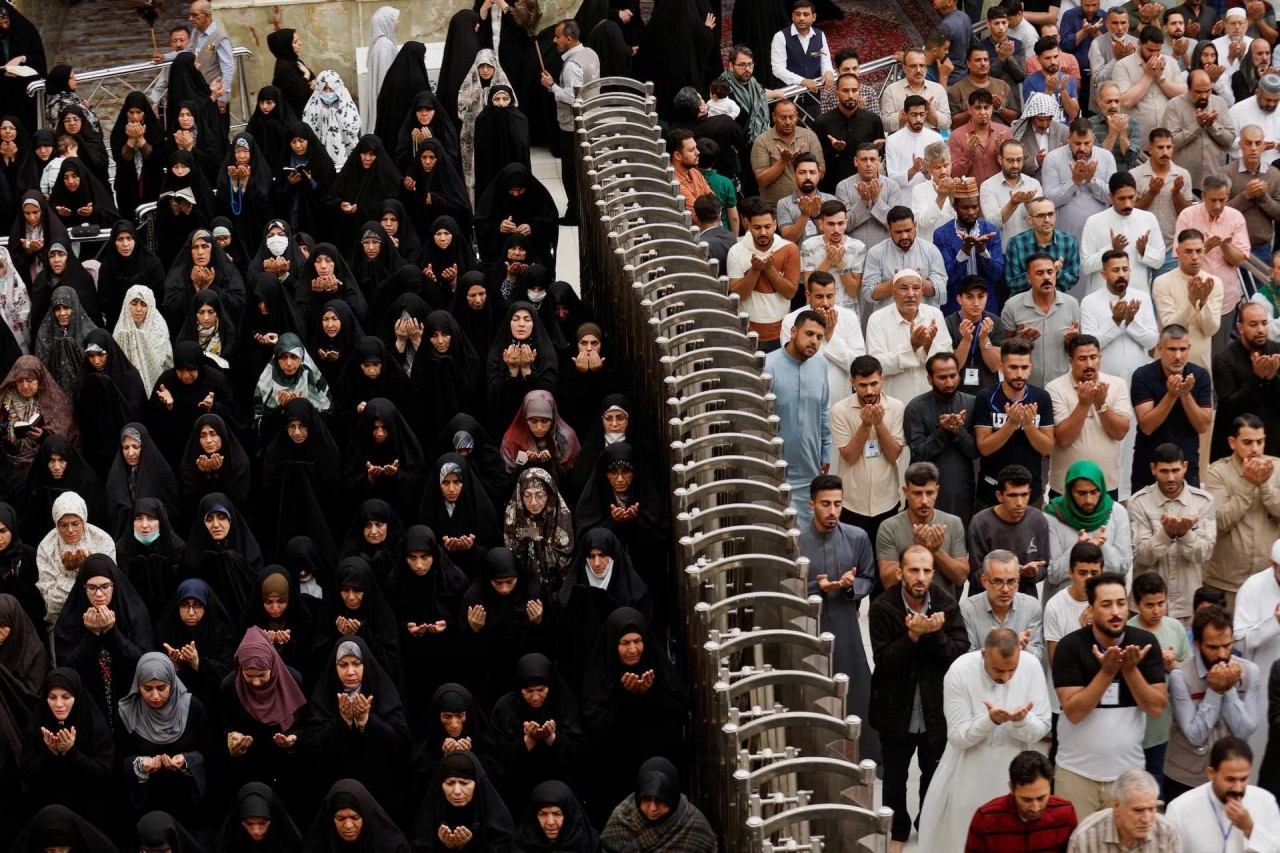
Ramadan typically concludes with a three-day celebration (Eid al-Fitr), where Muslims hold special morning prayers, followed by visits to family and friends. Pictured: Shi'ite worshippers attend Eid al-Fitr prayers, marking the end of Ramadan, at the Imam Ali shrine in the holy city of Najaf, Iraq. (Source: Reuters)
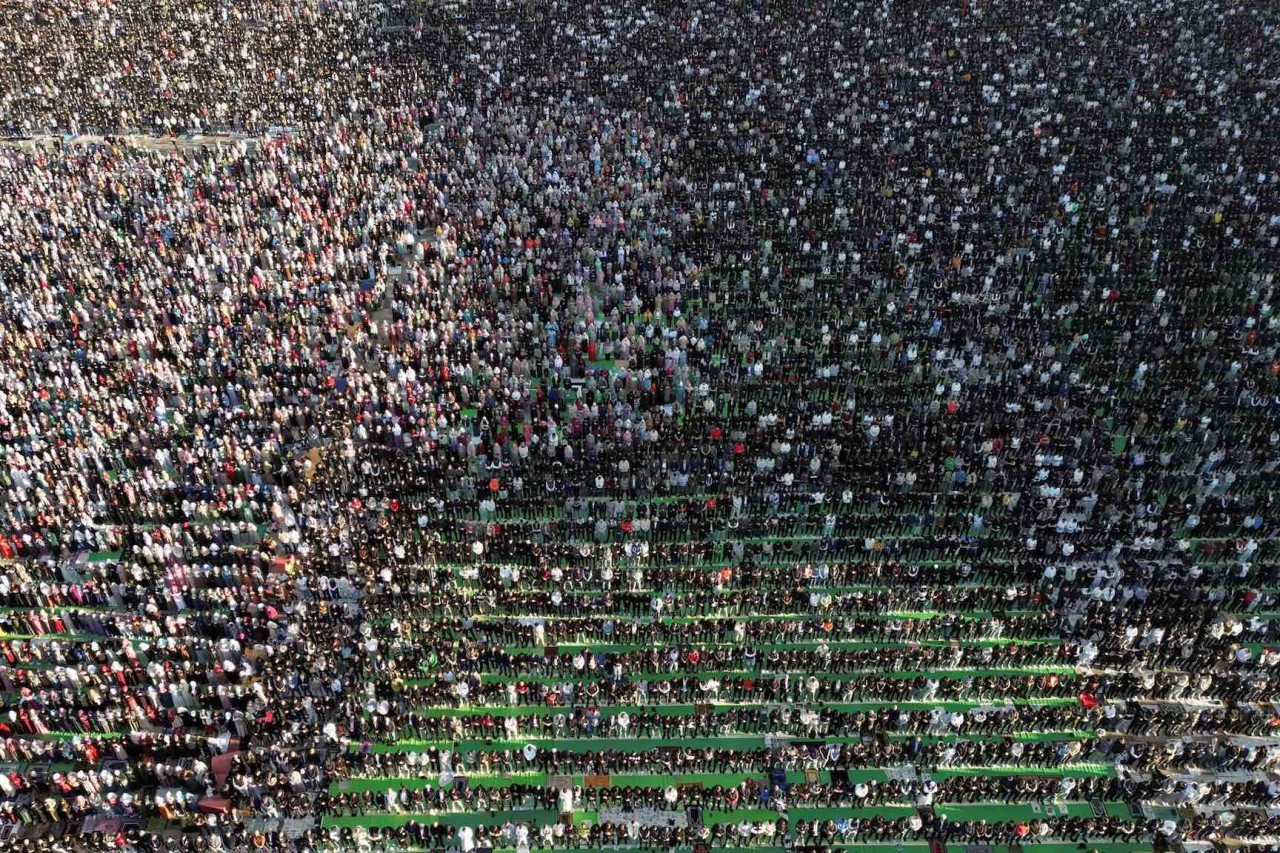
Muslims also often make charitable donations (fitr) to ensure that the poor can also participate in prayers and celebrate the completion of the holy month. In the photo: Albanian Muslims attend Eid al-Fitr prayers to mark the end of Ramadan, at Skanderbeg Square in Tirana, Albania. (Source: Reuters)
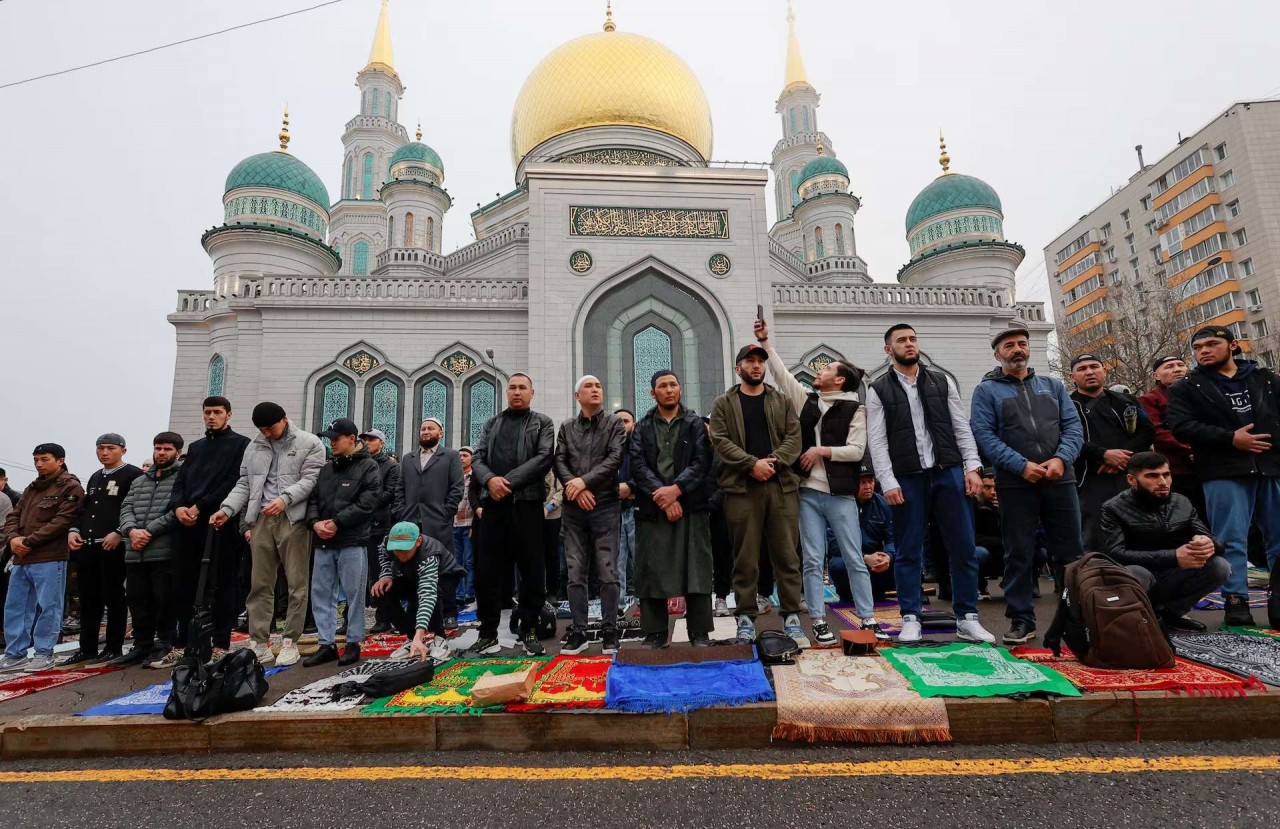
Muslims attend Eid al-Fitr prayers, marking the end of Ramadan, near a mosque in Moscow, Russia. (Source: Reuters)
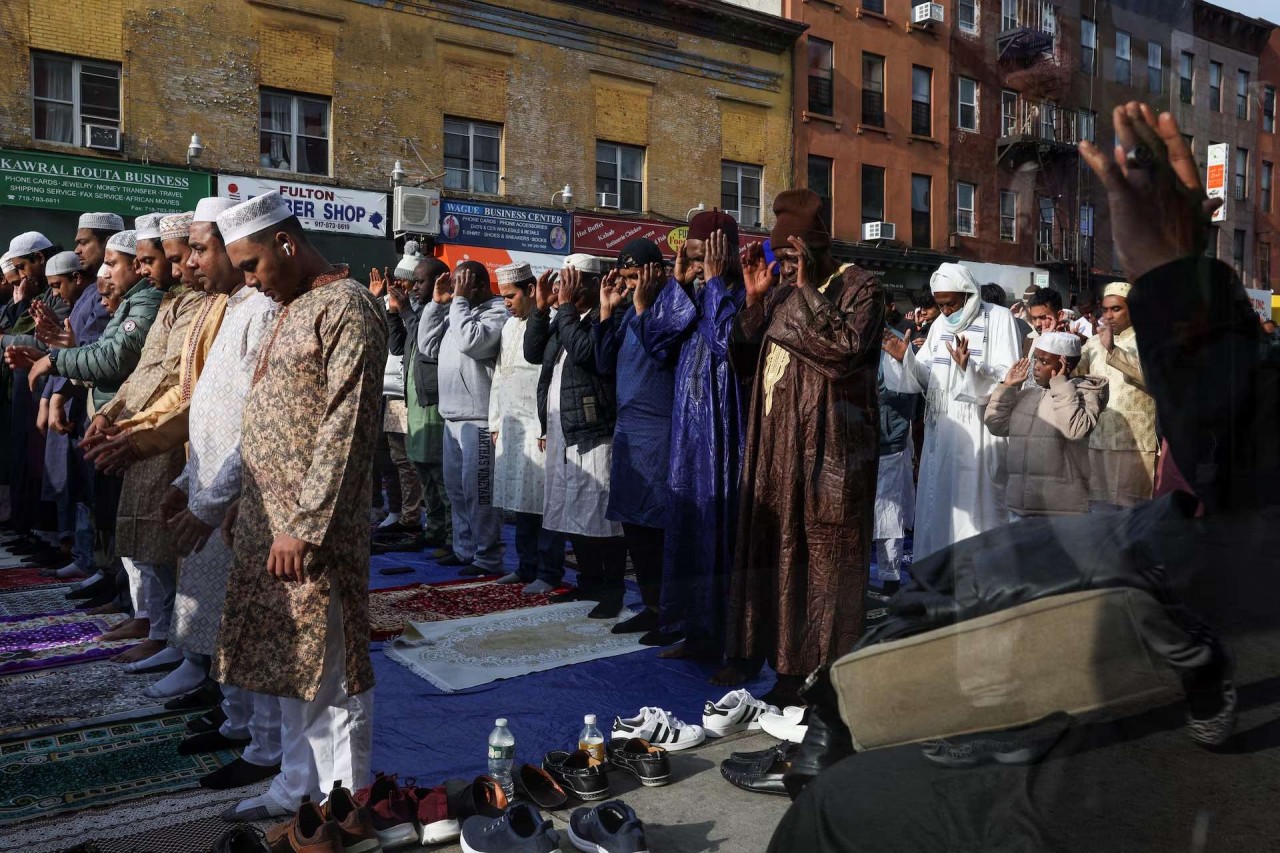
In the United States—where Muslims are a diverse ethnic and racial minority—many people will gather to pray and participate in festivities that include fun activities for children and families, such as balloon twisting or face painting. Pictured: People pray outside the Masjid At-Taqwa mosque during Eid al-Fitr in the Bedford-Stuyvesant neighborhood of Brooklyn, New York City. (Source: Reuters)




![OCOP during Tet season: [Part 3] Ultra-thin rice paper takes off.](/_next/image?url=https%3A%2F%2Fvphoto.vietnam.vn%2Fthumb%2F402x226%2Fvietnam%2Fresource%2FIMAGE%2F2026%2F01%2F28%2F1769562783429_004-194121_651-081010.jpeg&w=3840&q=75)


Comment (0)