

A recent study has uncovered surprising findings about how genes and blood type determine which foods promote better health and which may negatively impact it.
There's a theory that people with blood type O carry the genes of those who thrive on a diet rich in animal protein, while those with blood type A are better suited to plant-based foods. Are these claims scientifically accurate?
What are the best dietary habits for people with blood types A, B, and O?
Experts suggest that certain foods can cause beneficial or harmful reactions depending on blood type. Accordingly, dietary recommendations for each specific blood type are as follows:

Nutrition based on blood type needs to be combined with other factors such as lifestyle, physical condition, and environment.
Blood type A : Should consume protein from soy and focus on organic products. This is because people with blood type A are believed to have a sensitive immune system that thrives on fresh, whole foods.
Blood type B : Possesses the most adaptable digestive system. People in this group are advised to maintain a balanced diet, can consume dairy products, but should avoid chicken and certain grains.
Blood type AB : People with blood type AB are advised to combine both A and B diets; focusing on seafood, tofu, dairy, and green vegetables; and avoiding caffeine and alcohol.
Blood type O: People with blood type O naturally need to eat plenty of protein. Red meat, fish, and vegetables are recommended, while grains and dairy should be limited.
Although the scientific evidence regarding the above points is incomplete, research has gathered feedback from individuals after they followed nutritional guidelines specific to their blood type. They reported increased energy, improved digestion, and significantly better overall health, according to Rolling Out (USA).
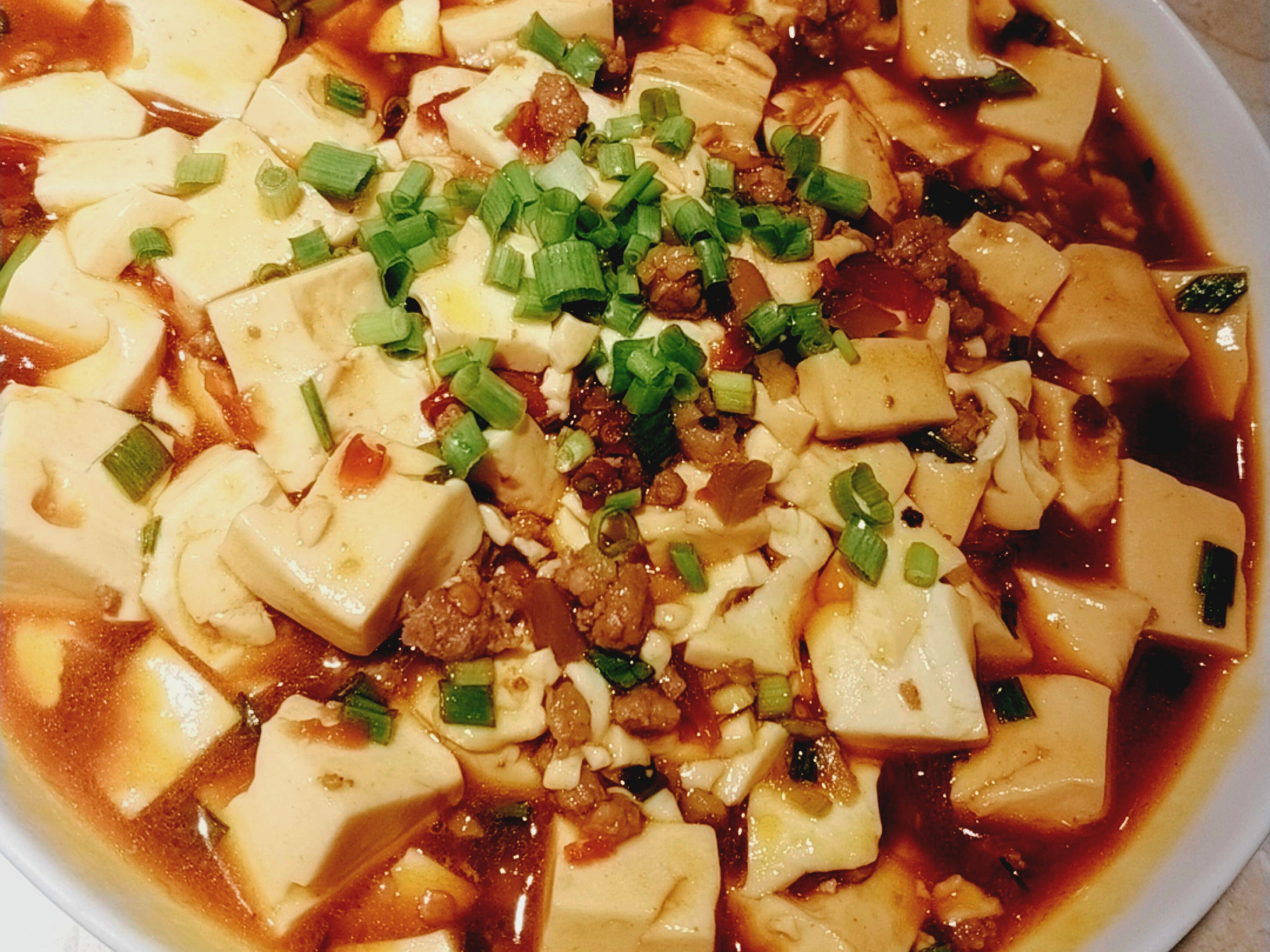
The nutrients from tofu are said to be suitable for blood types A, B, and AB.
There is no single diet that suits everyone.
Some argue that blood type diets can lead to nutritional deficiencies. A rigid classification might overlook individual factors such as genetics, lifestyle, and pre-existing health conditions.
Leading researchers and nutritionists emphasize that while blood type may influence some aspects of health, it is only one of many factors affecting how our bodies process food. Genetics, lifestyle, environment, and overall health status all play equally important roles.
If you're intrigued by the blood type diet, experts recommend approaching it with caution. Start by keeping a detailed food diary, noting how different foods affect your energy levels, digestion, and overall health.
However, no single diet is suitable for everyone. Paying attention to how your body reacts to different foods, maintaining a balanced diet, and consulting with healthcare professionals are important.
Source: https://thanhnien.vn/nghien-cuu-thuc-pham-tot-cho-tung-nhom-mau-185250206113321487.htm


![[Photo] Closing Ceremony of the 10th Session of the 15th National Assembly](/_next/image?url=https%3A%2F%2Fvphoto.vietnam.vn%2Fthumb%2F1200x675%2Fvietnam%2Fresource%2FIMAGE%2F2025%2F12%2F11%2F1765448959967_image-1437-jpg.webp&w=3840&q=75)

![[Photo] Prime Minister Pham Minh Chinh holds a phone call with the CEO of Russia's Rosatom Corporation.](/_next/image?url=https%3A%2F%2Fvphoto.vietnam.vn%2Fthumb%2F1200x675%2Fvietnam%2Fresource%2FIMAGE%2F2025%2F12%2F11%2F1765464552365_dsc-5295-jpg.webp&w=3840&q=75)










































![[OFFICIAL] MISA GROUP ANNOUNCES ITS PIONEERING BRAND POSITIONING IN BUILDING AGENTIC AI FOR BUSINESSES, HOUSEHOLDS, AND THE GOVERNMENT](https://vphoto.vietnam.vn/thumb/402x226/vietnam/resource/IMAGE/2025/12/11/1765444754256_agentic-ai_postfb-scaled.png)













































Comment (0)