

Besides getting iron from beef, choosing other foods high in iron will not only enrich your meals but also effectively supplement your body's iron intake. Start your day with health news to read more in this article!
Start your day with health news ; you can also check out these other articles: How much cholesterol per day is good for your health?; Warning signs that you're overdoing yoga; Signs of hand pain that could indicate nerve damage...
Foods that are richer in iron than beef help boost health.
Besides getting iron from beef, choosing other foods high in iron will not only make your meals more varied but also effectively supplement your body's iron intake.
According to nutritionist Dr. Le Thao Nguyen (Nam Saigon International General Hospital), proper iron supplementation helps reduce fatigue, weakness, headaches, dizziness, loss of appetite, numbness in hands and feet, and improves concentration… These are common symptoms of iron deficiency. Besides beef, many other food sources also contain abundant amounts of iron.
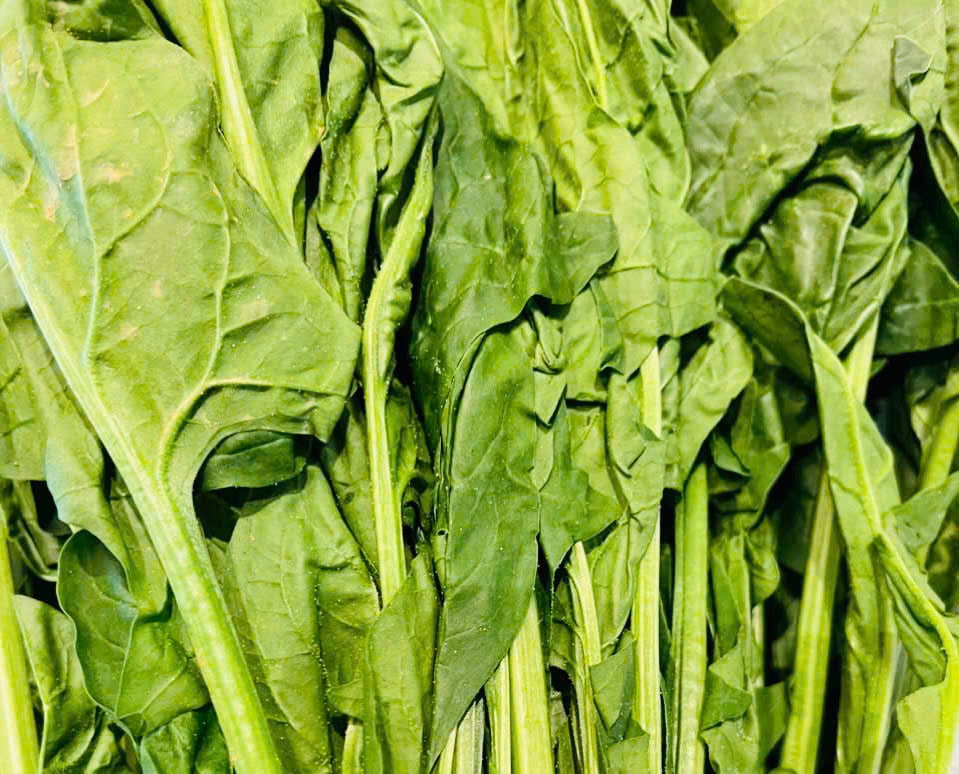
Spinach is rich in iron.
Seafood . Clams, mussels, and oysters are among the top choices for iron content. Clams alone can provide up to 28 mg of iron per 100 g, ten times higher than beef (approximately 2.7-3.1 mg of iron per 100 g). This is an animal-derived iron source, which is more easily absorbed by the body than plant-based iron. Additionally, fish like tuna and mackerel provide 1-2 mg of iron per 100 g and are rich in omega-3s, which improve cardiovascular and brain health.
Green leafy vegetables . Not only are they a source of vitamins, but vegetables also contain significant amounts of iron. Spinach contains approximately 3.6 mg of iron per 100g, surpassing even beef. Other vegetables like kale and broccoli not only provide 1 mg of iron per 100g but also contain vitamin C, which aids in more efficient iron absorption. Further content on this article will be available on the health page on January 1, 2025.
Warning signs that you are overdoing yoga
Yoga is an excellent exercise for improving flexibility, health, and stress relief. However, overdoing it or practicing incorrectly can lead to pain, exhaustion, and even potential injuries.
Experts say that practicing yoga helps improve health and manage stress. Some yoga poses require not only dexterity but also strength.

Yoga offers many health benefits, but overdoing it can be harmful.
However, if you overexert yourself, yoga may not only fail to provide benefits but may even increase the risk of injury. Warning signs that you are overexerting yourself while practicing yoga include:
Aches and pains. Persistent muscle soreness is a common warning sign that you are overexerting yourself while practicing yoga. In addition, the body may also experience fatigue.
No rest days. All sports , especially those requiring high-intensity exercise, need at least one rest day per week. However, many yoga enthusiasts may practice continuously seven days a week. This can easily overload the body without proper rest. Not only muscles but also joints will experience pain. The rest of this article will be available on the health page on January 1, 2025.
Pain in the hand can be a warning sign of nerve damage.
Arm injuries are a common problem. Common arm injuries include muscle strains, fractures, dislocations, or soft tissue damage. However, one serious injury is damage to the nerve plexus.
The brachial plexus is a network of nerves originating from the spinal cord in the neck, which controls the shoulder, elbow, wrist, and hand. Brachial plexus injuries can range in severity from mild to severe.

Damage to the brachial plexus can cause pain, muscle weakness, and even loss of motor function in the arm.
People with brachial plexus damage may experience symptoms immediately afterward, or they may develop over time.
Warning signs of brachial plexus injury include:
Pain. People with brachial plexus injuries will experience a burning, aching sensation. The pain radiates from the neck to the shoulder and arm. The pain can come on suddenly and intensely, but it can also be persistent and uncomfortable for a long time.
Numbness and tingling. People with injuries may experience mild to severe numbness or tingling in the arm or hand. Numbness can affect the fingers or a specific area of the arm, depending on the location of the damaged nerve. Start your day with health news to read more in this article!
Source: https://thanhnien.vn/ngay-moi-voi-tin-tuc-suc-khoe-thuc-pham-nao-giau-sat-hon-thit-bo-185241231234902209.htm



![[Image] Hanoi's urban life under the challenge of a "scorching hot" environment](https://vphoto.vietnam.vn/thumb/1200x675/vietnam/resource/IMAGE/2026/05/25/1779706979265_nang-nong-t5-2026-minh-duy-7-4636-jpg.webp)

![[Image] Close-up view of the interchange connecting the two expressways and Long Thanh Airport.](https://vphoto.vietnam.vn/thumb/1200x675/vietnam/resource/IMAGE/2026/05/25/1779703378210_ndo_br_z7863716673926-224453a31600126cce10622af6290afd-4549-jpg.webp)









![[Video] Preventing and avoiding sunstroke and heat exhaustion during hot weather](https://vphoto.vietnam.vn/thumb/402x226/vietnam/resource/IMAGE/2026/05/26/1779753818307_hinh00-01-19-09still001-png.webp)






















































































Comment (0)