

According to a report from the Dien Bien Provincial Center for Disease Control, from May 5th to 30th, three outbreaks of cutaneous anthrax were recorded in Tua Chua District (Dien Bien province), with 13 cases in Muong Bang commune (1 outbreak) and Xa Nha commune (2 outbreaks). No deaths have been reported so far. All cases had a history of epidemiological exposure related to slaughtering and consuming buffalo and cattle meat.
According to the Ministry of Health , anthrax is classified as a Group B disease under the Law on Prevention and Control of Infectious Diseases. It is an acute infectious disease that typically affects the skin, rarely causing damage to the mouth, throat, lower respiratory tract, mediastinum, or digestive system.
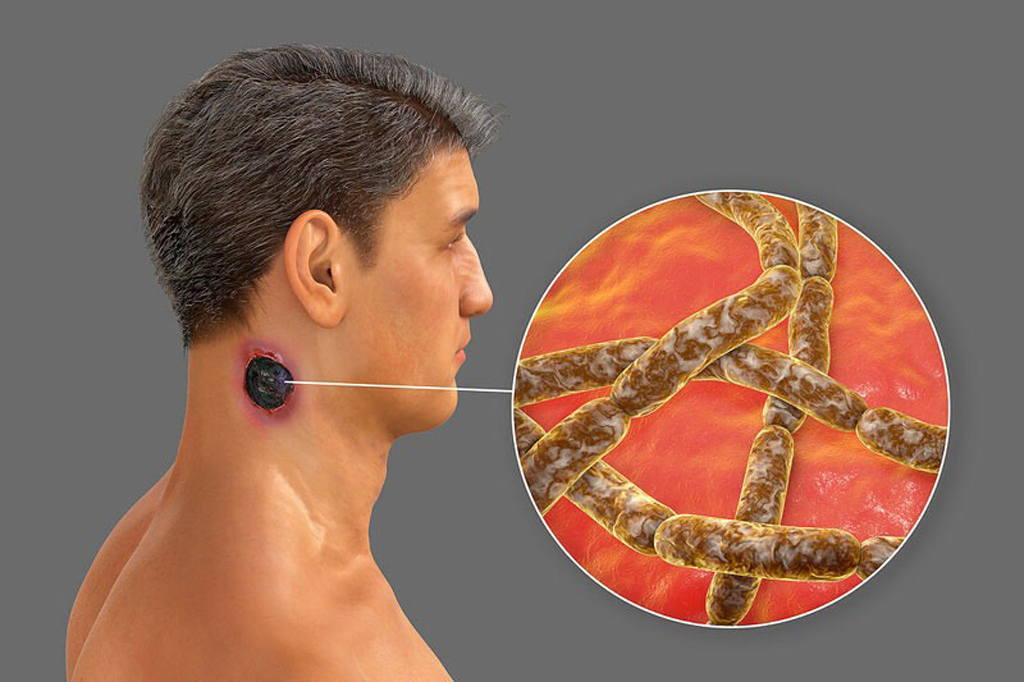
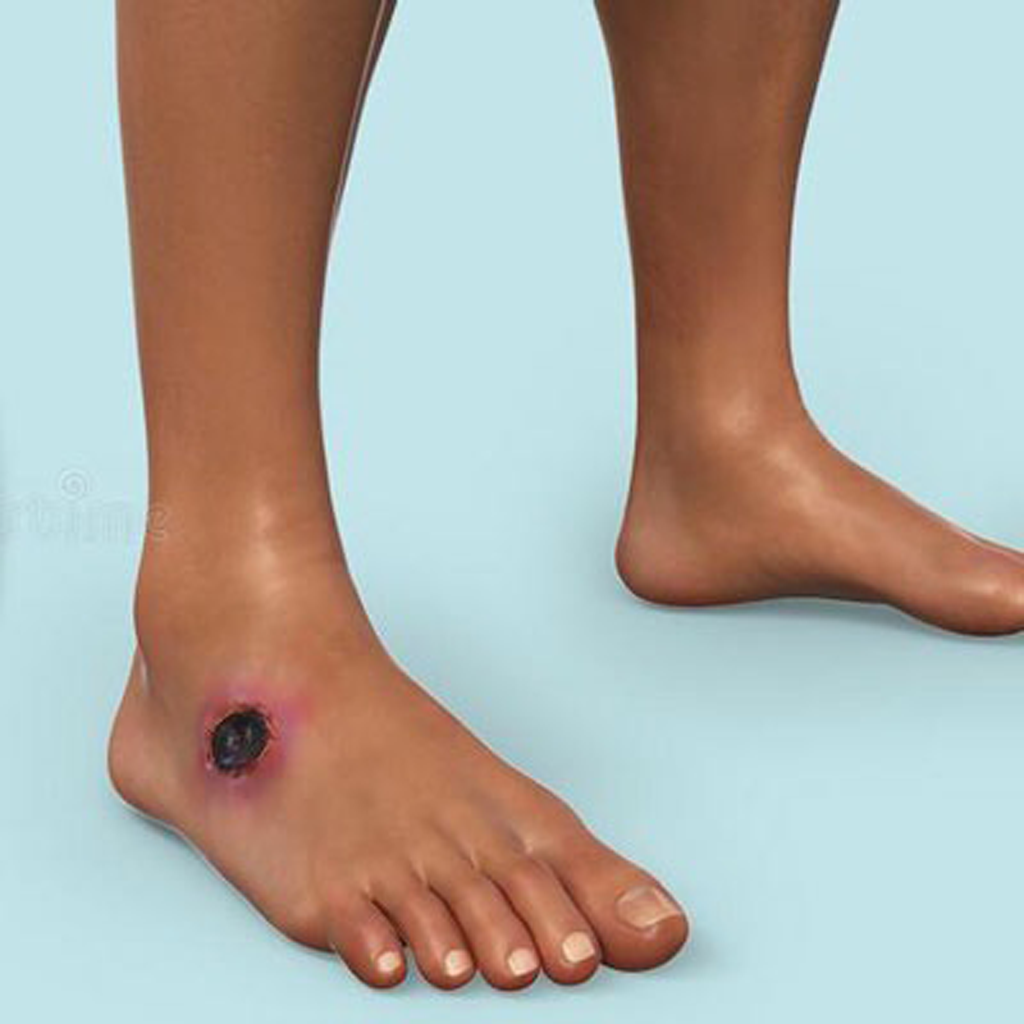
One of the symptoms of anthrax is the appearance of black lesions on the skin.
In the cutaneous form, the infected skin area first appears itchy, then develops into lesions, papules, blisters, and after 2-4 days, develops into black ulcers. Around the ulcer, there is usually mild to severe swelling that spreads widely, sometimes with secondary small blisters. The ulcers are usually painless; if pain occurs, it is due to swelling or secondary infection. The head, arms, and hands are the most commonly affected areas.
The ulcer can be mistaken for dermatitis. If left untreated, the infection can spread to the regional lymph nodes and then into the bloodstream, causing sepsis and brain damage.
The mortality rate for untreated cutaneous anthrax ranges from 5 to 20%. If antibiotic treatment is effective, death is rare.
Anthrax is transmitted through skin contact with the tissues of animals (cattle, sheep, goats, horses, pigs, and other livestock) that have died from anthrax; infection can also occur through fur, skin, bones, or products made from these materials such as drums, brushes, etc. Anthrax is also transmitted through soil contaminated with bacteria from infected animals.
Pulmonary anthrax is caused by inhaling bacterial spores in the leather, wool, and bone processing industries. Intestinal and oral-pharyngeal anthrax are caused by eating contaminated meat. There is no evidence of anthrax transmission from contaminated animal milk.
To proactively prevent the transmission of anthrax from animals to humans, the Department of Preventive Medicine (Ministry of Health) on June 2nd sent Official Letter No. 616/DP-DT requesting the Director of the Dien Bien Provincial Department of Health to direct units in the area to closely monitor the health of those involved in slaughtering and consuming the same source of buffalo and beef as the aforementioned cases, as well as those in close contact with the patients, in order to provide timely prevention and treatment; strengthen surveillance and early detection of suspected anthrax cases; and treat the environment in the outbreak area according to regulations.
The Ministry of Health advises people not to slaughter or consume food from sick or dead buffaloes, cows, or horses of unknown origin.
Source link





![[Photo] “Red Journey” 2026: Vietnamese Youth Continue Building the Bridge of Friendship Between Vietnam and China](https://vphoto.vietnam.vn/thumb/1200x675/vietnam/resource/IMAGE/2026/04/20/1776629730866_4055880775670638308-9618-4200-jpg.webp)






















































































Comment (0)