


Is it true that cancer patients who drink milk will "feed" their tumors, causing them to grow faster? (Thanh Vinh, Ho Chi Minh City)
Reply:
Cancer is a disease characterized by the abnormal growth of cells. These cells divide uncontrollably and have the ability to invade and destroy normal tissues and cells in the body.
Cancer cells can appear in one area, then spread to the lymph nodes, causing the cancer cells to grow and divide rapidly to other areas, a process called metastasis.
Cancer patients often experience loss of appetite due to impaired taste and smell perception. The taste and smell of iron can linger in the mouth for hours, days, or even months after treatment, leading to a loss of appetite. This negatively impacts recovery, causing malnutrition and debilitation. Poor physical condition affects the prognosis and quality of life of the patient.
The goal of a nutritional regimen for cancer patients is to improve organ function and quality of life. Specifically, providing adequate nutrition helps patients become healthier, respond better to treatment, reduce the risk of infection, and recover more quickly.
The notion that cancer patients should avoid drinking milk is incorrect.
Milk is rich in nutrients and easily absorbed, helping to improve physical condition and prevent malnutrition in cancer patients. It is also a popular beverage with many varieties to choose from.
Some types of milk specifically formulated for cancer patients have added EPA (an unsaturated fatty acid) which can help with weight gain. Patients should consult a nutritionist to choose the right milk and adjust the dosage accordingly.
According to the U.S. Centers for Disease Control and Prevention, milk contains the protein lactoferrin, which may help reduce unpleasant sensations of smell and taste caused by chemotherapy in cancer patients.
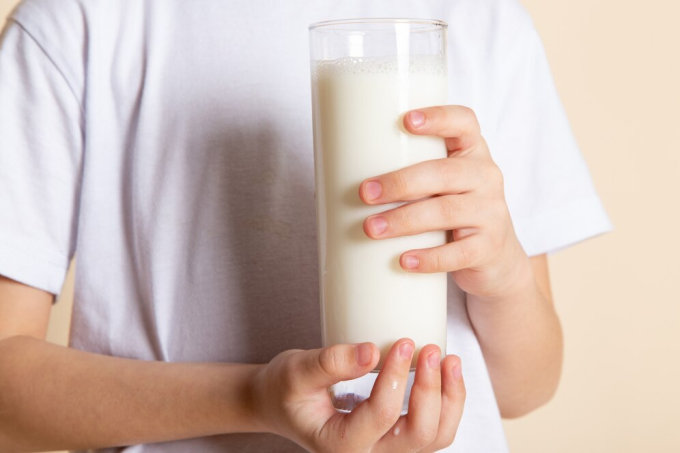
Lactoferrin, found in milk, helps improve the sense of taste for cancer patients. (Image: Freepik)
Essential nutrients such as calcium, protein, and vitamin D found in dairy products help limit osteoporosis in people undergoing chemotherapy and radiation therapy.
The U.S. Department of Agriculture (USDA) recommends consuming skim or low-fat milk, with a daily intake of three glasses. These types of milk help maintain a stable weight and reduce the risk of developing cancer associated with being overweight or obese.
Doctor Tran Thi Tra Phuong
Nutrihome Nutrition Clinic System
| Readers can ask questions about cancer here for doctors to answer. |
Source link





























![[Photo] National Assembly Chairman Tran Thanh Man working with the Hai Phong City Election Committee](https://vphoto.vietnam.vn/thumb/1200x675/vietnam/resource/IMAGE/2026/02/26/1772103806795_ndo_br_bnd-8224-jpg.webp)




































































Comment (0)