

Start your day with health news; you can also check out these articles: Weight gain can harm the liver; What to do when blood sugar drops to dangerously low levels?; Why can influenza A infection cause the lungs to turn white?...
Risk of cardiac arrest in the bathroom
Cardiac arrest can happen anywhere, but people with underlying heart conditions are at a higher risk of cardiac arrest when in the bathroom.
The following is an explanation from the UK-based medical news website Medical News Today about why cardiac arrest can occur in the bathroom.

Avoid bathing in water that is too cold or too hot.
Going to the toilet . While using the toilet, people unconsciously hold their breath to "strain." This can cause a sudden increase in blood pressure, putting stress on the heart, and potentially leading to cardiac arrest in people with acute coronary syndrome or other cardiovascular diseases.
Bowel movements can also trigger a vagal response, slowing the heart rate. A vagal response can put additional strain on the heart and lead to cardiac arrest.
Taking a bath . Bathing in water that is too hot or soaking in a hot tub up to your shoulders can increase stress levels in the body. In people with heart disease or high blood pressure, this can increase the risk of cardiovascular events.
Showering . Taking a shower with water that is too cold or too hot can quickly affect heart rate, putting stress on capillaries and arteries. This can cause cardiac arrest in people with underlying heart conditions.
Physical activity . Excessive exercise can cause cardiac arrest, even hours after exercise, while resting and showering, especially in people with underlying heart conditions. Readers can find more information on this topic in the health section of January 12th .
Does weight gain harm the liver?
When it comes to weight gain, many people often think of the accumulation of excess fat and an increased risk of cardiovascular disease. But in reality, weight gain can also significantly impact liver health, making the liver more susceptible to damage and disease.
Excessive weight gain increases the risk of developing non-alcoholic fatty liver disease (NAFLD). This is a condition where excess fat accumulates in the liver, leading to inflammation and liver damage.
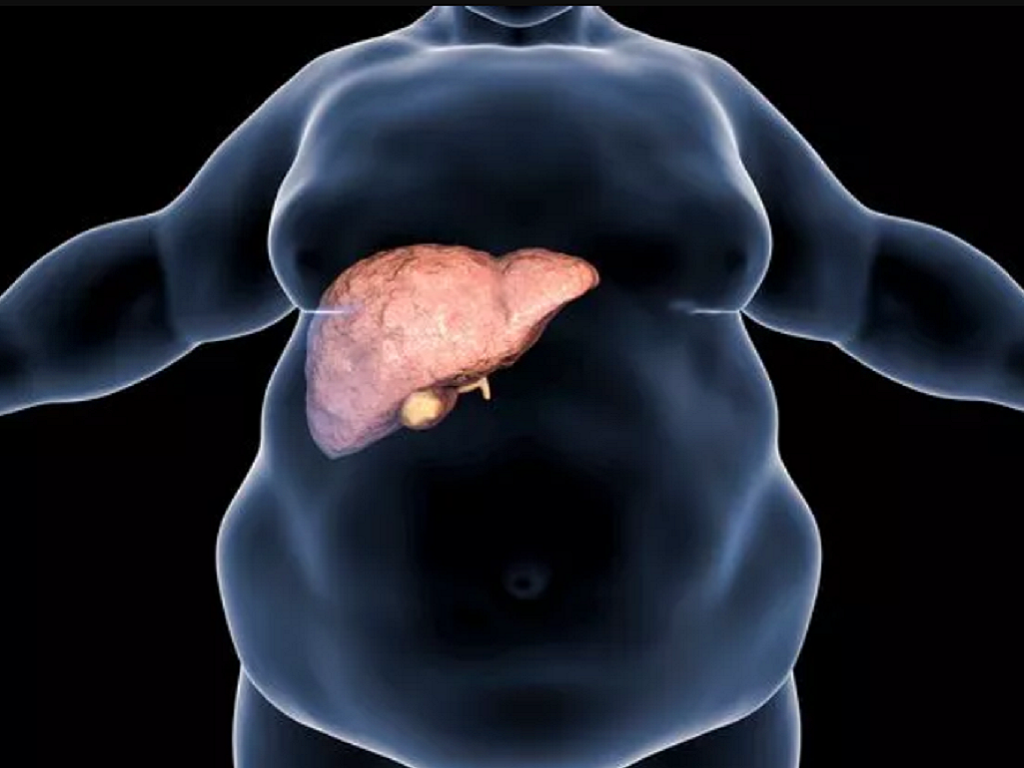
Obesity can easily lead to non-alcoholic fatty liver disease, causing excess fat to accumulate in the liver, resulting in inflammation and liver damage.
Obesity is a major risk factor for non-alcoholic fatty liver disease. The risk is particularly high in individuals with a large waist circumference, which is often indicative of visceral fat accumulation.
Therefore, maintaining a healthy weight is crucial for liver health. Good weight management can help prevent non-alcoholic fatty liver disease.
Furthermore, weight gain can also lead to insulin resistance. Insulin resistance occurs when the body's cells become less responsive to insulin, leading to hyperglycemia. This prolonged condition can damage not only blood vessels, nerves, and the liver, but also many other organs. Further details of this article will be available on the health page on January 12th.
What should I do if my blood sugar drops to dangerously low levels?
Hypoglycemia occurs when blood sugar levels drop to levels that are harmful to health. This condition can occur in people with diabetes, especially type 1 diabetes.
Hypoglycemia occurs when blood sugar levels fall below 70 mg/dl or 3.9 mmol/L. Common symptoms of hypoglycemia include tremors, weakness, excessive sweating, intense hunger, rapid heartbeat, dizziness, lightheadedness, anxiety, blurred vision, disorientation, and other symptoms.

Hypoglycemia can cause weakness, excessive sweating, rapid heartbeat, dizziness, and even fainting.
Most cases of hypoglycemia occur in people with diabetes. However, a small number of people without diabetes can also experience hypoglycemia.
Hypoglycemia can occur if the pancreas produces too much insulin. Another cause is excessive alcohol consumption, which interferes with the liver's ability to store glucose. Additionally, kidney problems, liver disease, hepatitis, anorexia, sepsis, or adrenal gland disorders can also cause hypoglycemia.
For people with diabetes, hypoglycemia occurs due to a combination of factors such as excessive physical activity, skipping meals, or using too much insulin. Start your day with health news to read more in this article!
Source link









![[Infographic] 9 things you should do to prevent high blood pressure](https://vphoto.vietnam.vn/thumb/402x226/vietnam/resource/IMAGE/2026/05/17/1778988797312_info-tang-huyet-ap-17789877742881371082927-0-16-615-1000-crop-1778988339180651236221.png)



















![[Photo] Reception to welcome General Secretary and President To Lam and his wife on their State visit to the Philippines](https://vphoto.vietnam.vn/thumb/1200x675/vietnam/resource/IMAGE/2026/06/01/1780295488620_vna-potal-chieu-dai-chao-mung-tong-bi-thu-chu-tich-nuoc-to-lam-va-phu-nhan-tham-cap-nha-nuoc-toi-philippines-8798060-7855-jpg.webp)









































































Comment (0)