

On September 15, a Houthi ballistic missile landed in central Israel for the first time, prompting Israeli Prime Minister Benjamin Netanyahu to vow to make the Houthis pay a heavy price.
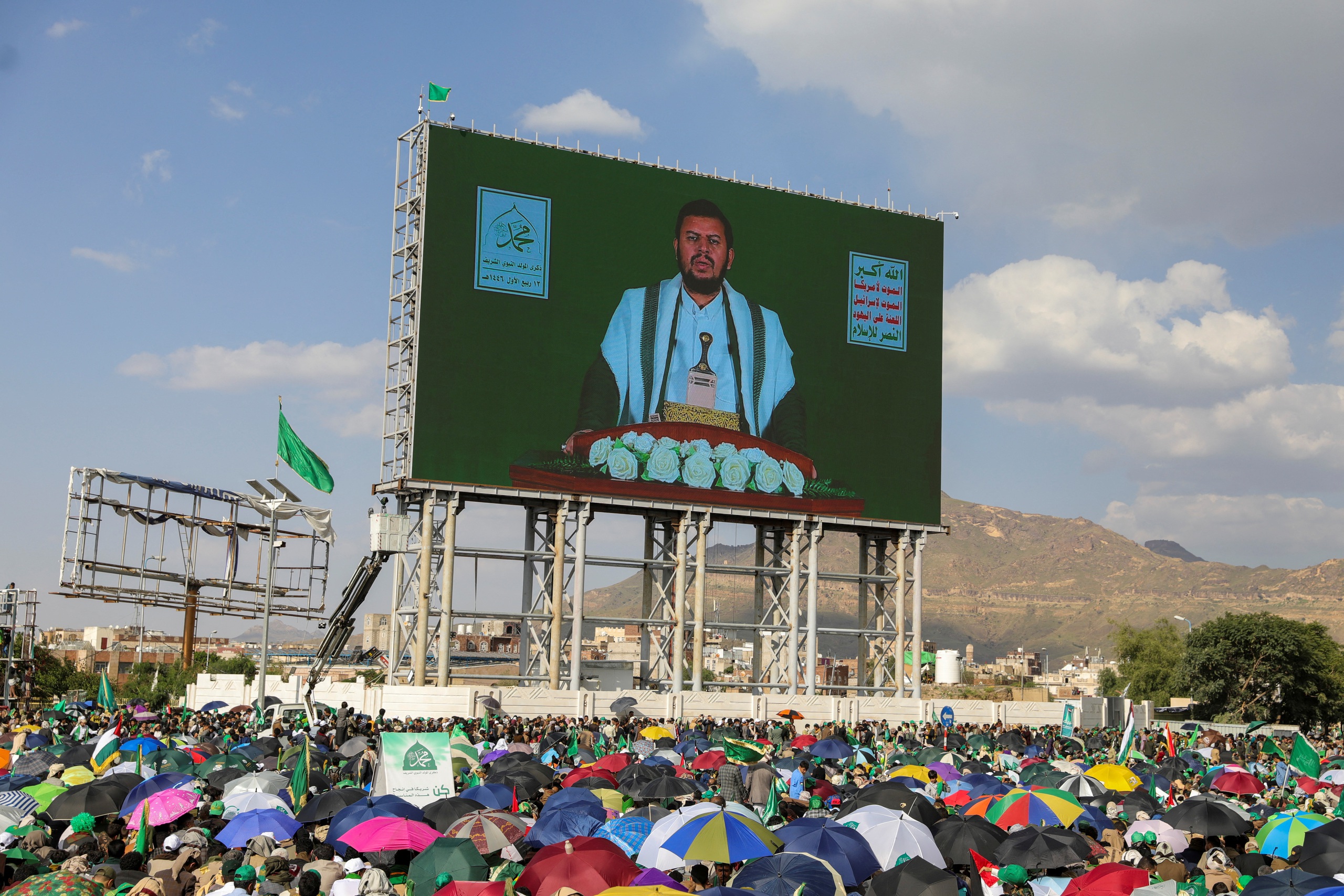
Yemenis gathered in Sanaa to watch Houthi leader Abdul-Malik al-Houthi's speech on September 15.
Speaking on television on September 16, Houthi political leader Mohammed al-Bukhaiti said the US had offered to recognize the group's government in Yemen to prevent attacks, according to Reuters.
"There is always contact after each of our operations. These calls are based on threats or offer some kind of temptation, but they have given up on that path," al-Bukhaiti said.
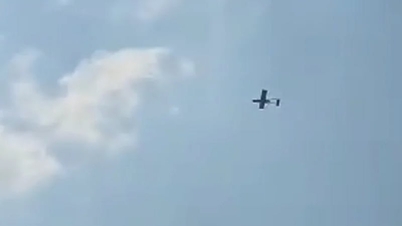
Houthi supersonic missiles defeat Israeli air defenses.
In response, an unnamed U.S. official stated that the Houthi claims were entirely fabricated. Another U.S. State Department official said: "Houthi propaganda is rarely accurate or credible. Presenting such information creates a veneer of credibility for their misinformation."
Mr. al-Bukhaiti said that the US and Britain had contacted the Houthi through negotiators after the attack. He also said that the threats included direct US military intervention against countries that intervene militarily in support of Gaza.
Yemen has been mired in a protracted civil war for many years. In 2014, the Houthi rebels seized control of the capital, Sanaa, and overthrew the internationally recognized government. In January, the US designated the Houthi rebels as a terrorist organization.
Since the Hamas-Israel conflict erupted nearly a year ago, the Houthi rebels have repeatedly attacked ships believed to be linked to Israel that pass through the area in support of the Palestinians.
According to Reuters, since November 2023, the Houthi have damaged more than 80 ships, sunk two, captured one, and killed at least three people in missile and drone attacks.
Source: https://thanhnien.vn/my-muon-cong-nhan-chinh-quyen-houthi-185240917105744796.htm


![[Image] A brilliant symphony and explosive power in the skies of Da Nang.](https://vphoto.vietnam.vn/thumb/1200x675/vietnam/resource/IMAGE/2026/05/31/1780196945787_anh-man-hinh-2026-05-31-luc-10-08-51.png)






















![[Video] Sunset at Lap An Lagoon – Where the sun sets over the fishing nets](https://vphoto.vietnam.vn/thumb/340x192/vietnam/resource/IMAGE/2026/05/31/1780192137701_beach-landscape-sea-water-nature-grass-745871-pxhere-com.jpeg)





































































Comment (0)