

According to the October forecast bulletin from the Southern Irrigation Planning Institute (SIWRP), the flood season in the Mekong Delta provinces could peak between October 1st and 3rd, with water levels at Tan Chau reaching approximately 3.1-3.3m, 0.6-0.8m lower than the multi-year average for the same period. In reality, data updated at 7:00 AM on October 1st showed water levels at only 2.8m, lower than predicted and significantly lower than the flood warning level 1 (3.5m) at Tan Chau. Earlier in the season, experts predicted low flood levels this year, but the peak could reach approximately level 1.
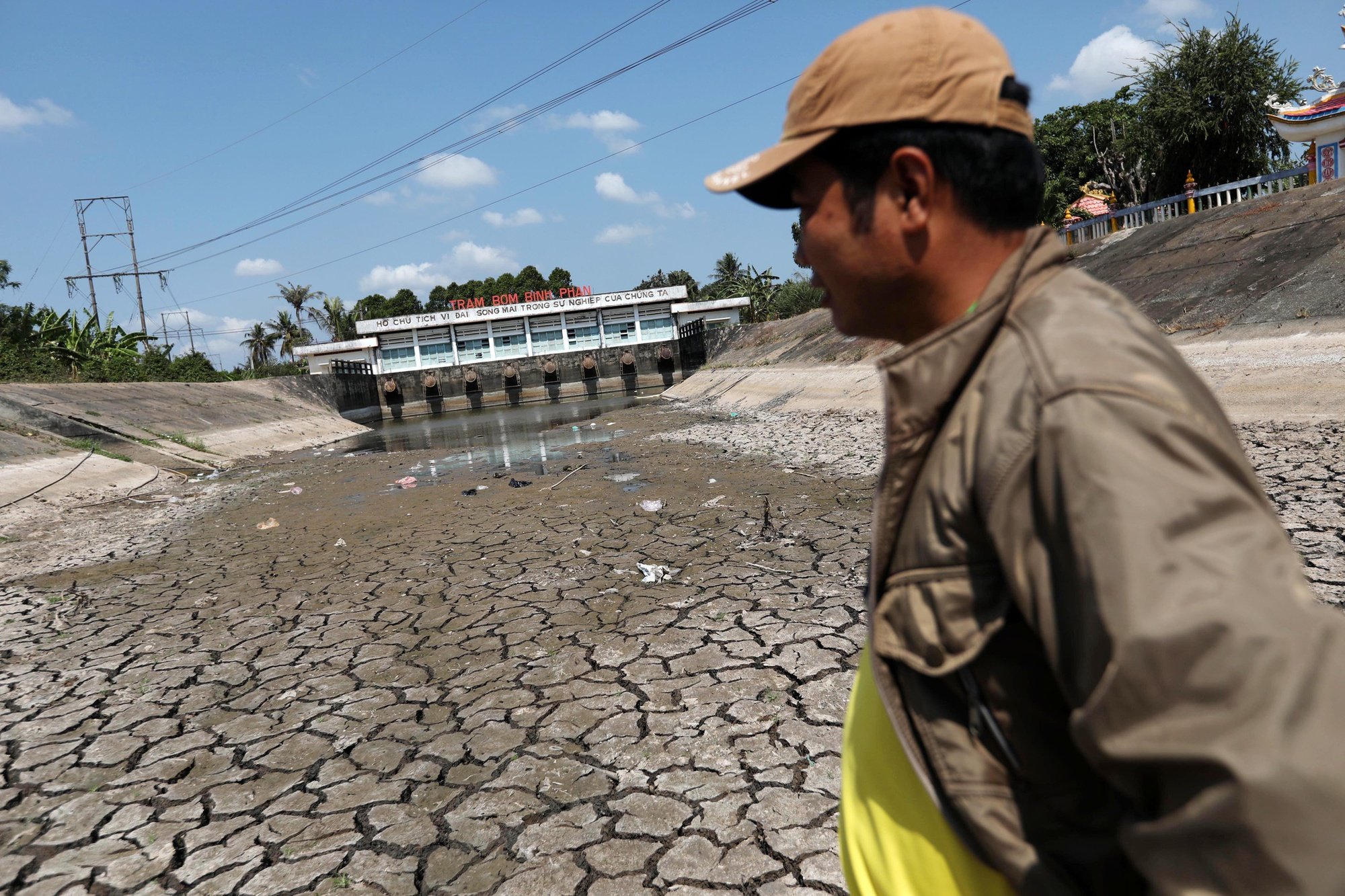
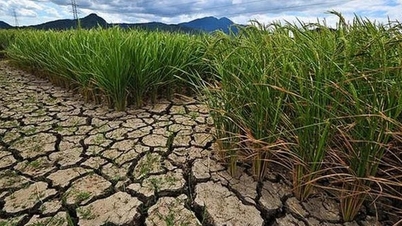
The Mekong Delta is facing a "famine-stricken" region, and the risk of early and severe drought and saltwater intrusion threatens the rice granary.
Similarly, in Chau Doc, the predicted flood peak was around 2.8 - 3m, 0.5 - 0.7m lower than the multi-year average. The update on the morning of October 1st showed only 2.55m. This is significantly lower than the flood level at alarm level 1 in Chau Doc, which is 3m.
The Mekong Delta is officially facing a 'flood shortage' this year.
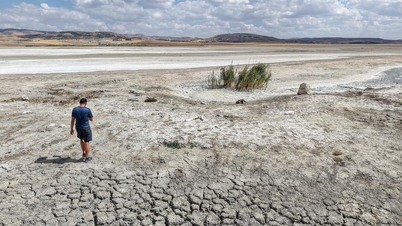
The cause is a severe shortage of water from upstream. Data from the International Mekong River Commission shows that, upstream in Cambodia, as of September 29th, the water level at Kratie reached 18.08m, 0.08m higher than the multi-year average for the same period. However, the water level at Tonle Sap Lake reached 4.91m, 3.05m lower than the multi-year average for the same period. The volume of Tonle Sap Lake reached 32.15 billion cubic meters of water, 17.75 billion cubic meters less than the multi-year average for the same period.
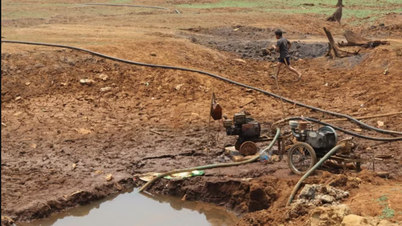
Thus, at this point, it can be said that the Mekong Delta is experiencing a "flood shortage" this year. This may initially be favorable for rice production during the autumn-winter season in upstream provinces. However, the absence of floods means a decline in aquatic resources and a lack of alluvial deposits for the fields… More importantly, this year's drought and saltwater intrusion will arrive earlier and be more severe.
Meanwhile, in October, due to high tides, river levels in the central and coastal areas may reach alarm levels 2-3, causing flooding in many low-lying areas.
According to the MDM Project (Mekong Hydropower Dam Monitoring Project), the cause is due to the frequent droughts in many areas of the middle and upper Mekong River basins this year, influenced by the El Niño weather phenomenon. In addition, upstream hydropower dams, especially on the main Mekong River, are accumulating a very large amount of water, seriously affecting the natural flow of the river. In recent weeks, several billion cubic meters of water have been retained by these dams each week.
Source link































































































Comment (0)