

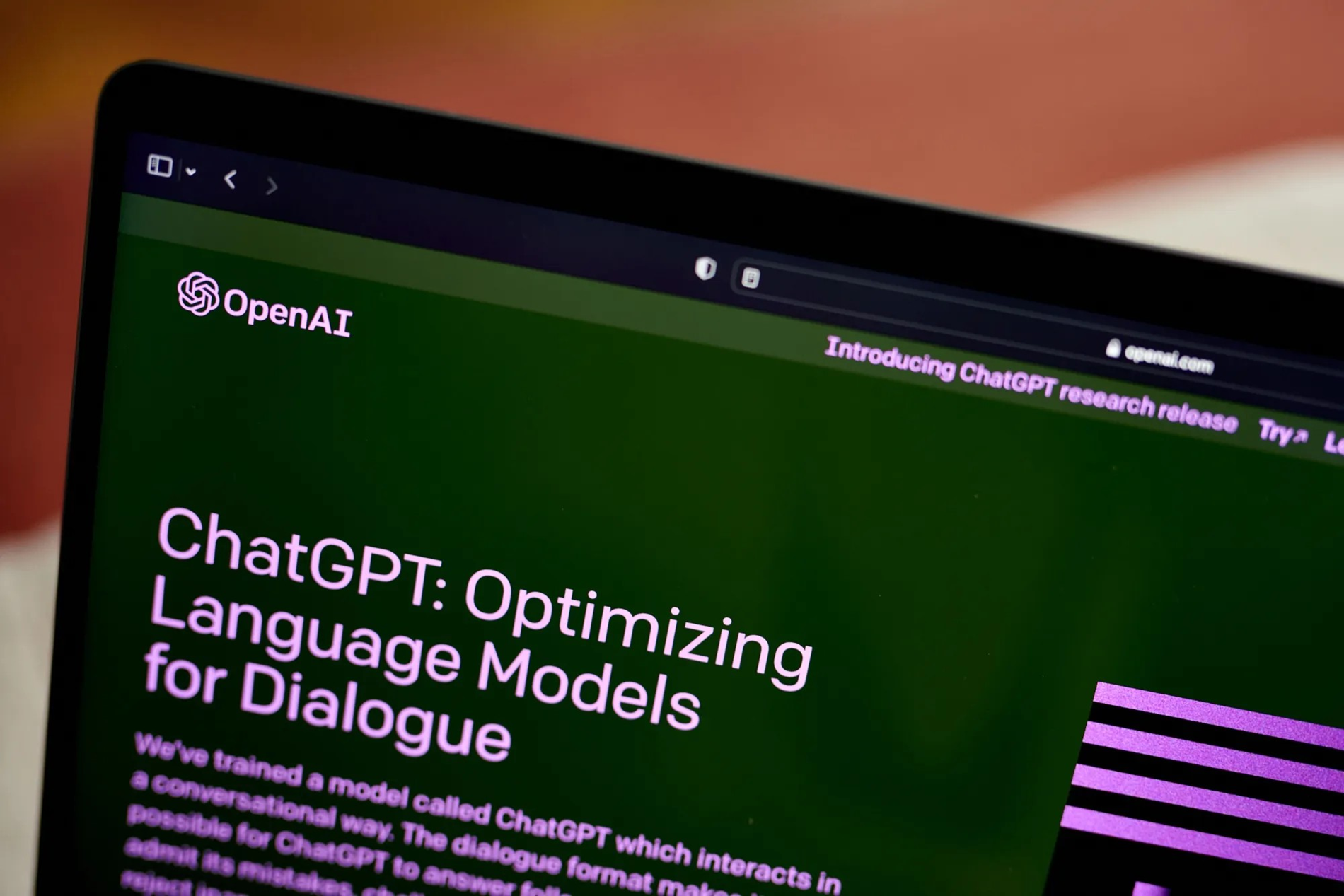
Following the emergence in the United States of the ChatGPT scam impersonating Open AI to steal user information, the Information Security Department ( Ministry of Information and Communications ) recommends that domestic users be vigilant when receiving emails requesting personal information.
In a warning issued on November 4th, the Information Security Department stated that the cybersecurity company Barracuda Networks (USA) recently issued a warning about a scam impersonating the technology corporation Open AI, stealing personal information from users of the ChatGPT artificial intelligence software.
Specifically, the perpetrators proactively contact victims via email, informing them that the renewal process for the 'Chat GPT Plus' subscription cannot be completed due to an invalid payment method, and requesting them to access an attached link for further information.
When users click on the links provided by these entities, they are redirected to a fake website that looks similar to the Open AI website.
On the fake website, users will be asked to provide information such as their national identity card number, phone number, home address, bank card information, etc.
After the user follows the instructions, the website will redirect to a waiting screen for the subscription renewal transaction. This is when the scammer will use the victim's bank information to carry out illegal transactions.
The Department of Information Security advises people to be vigilant when receiving messages or emails requesting personal information. It also reminds domestic users to carefully check the sender's email address, verify the website's domain name, and verify the content of the information. Users should not provide personal information or make money transfers until they have verified the authenticity of the notification.
If any suspicious activity is detected, users should promptly report it via email so that the Google technical team (if using Gmail) can take timely action to prevent the scam.
Source: https://vietnamnet.vn/mao-danh-open-ai-gui-email-de-lua-danh-cap-thong-tin-nguoi-dung-chatgpt-2338562.html






























































































Comment (0)