

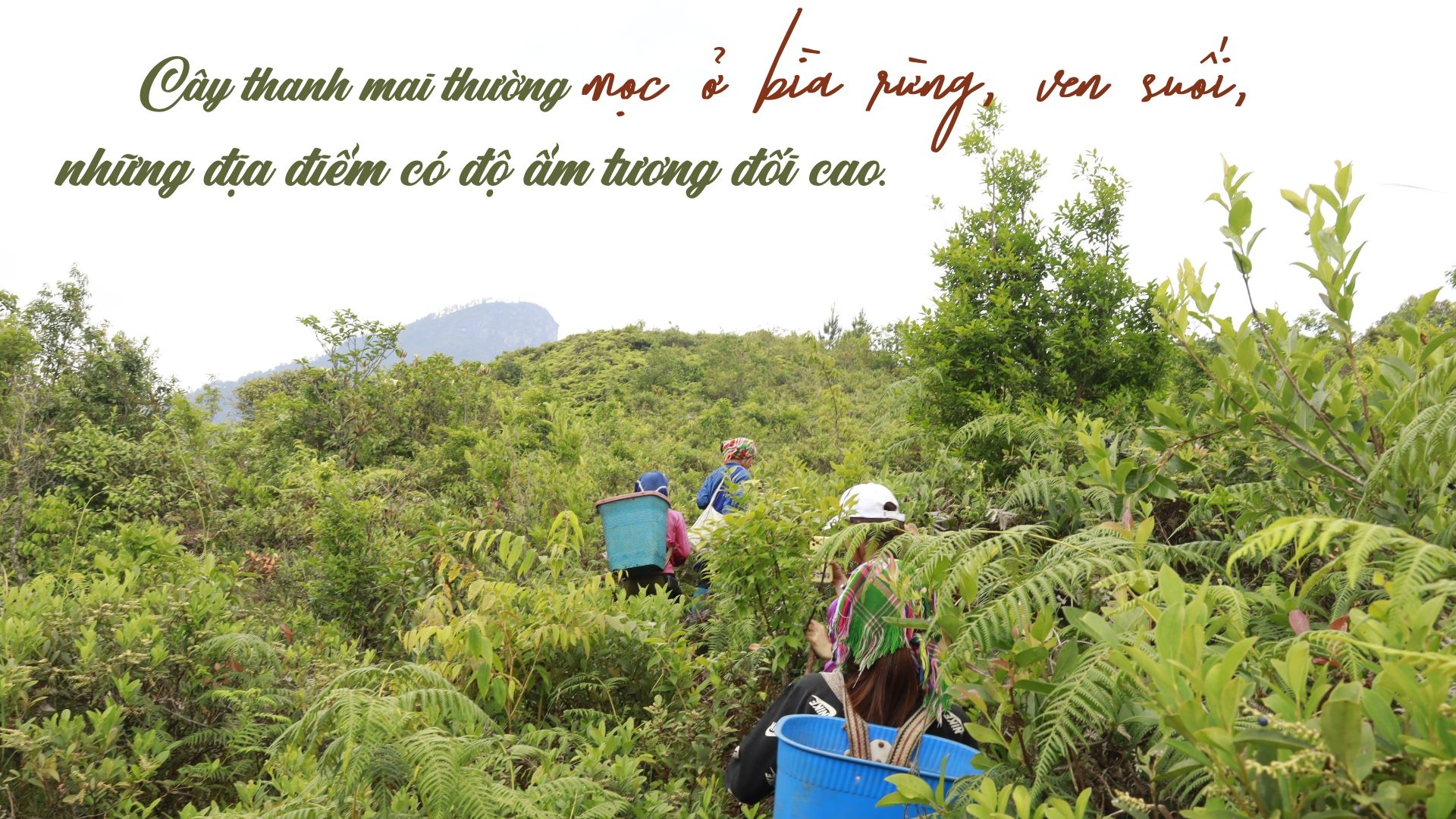
Even in the middle of summer, the highlands of Y Tý remain pleasantly cool, much like autumn in the lowlands, requiring travelers to wear light jackets on their exploration journey. Y Tý's weather is capricious and unpredictable, like a young girl's mood; the sun can suddenly turn scorching hot one moment and rain the next. That's why our trek through the forest to hunt for the "specialty" plum blossoms with a group of Hà Nhì ethnic girls was repeatedly postponed by unexpected rain showers.
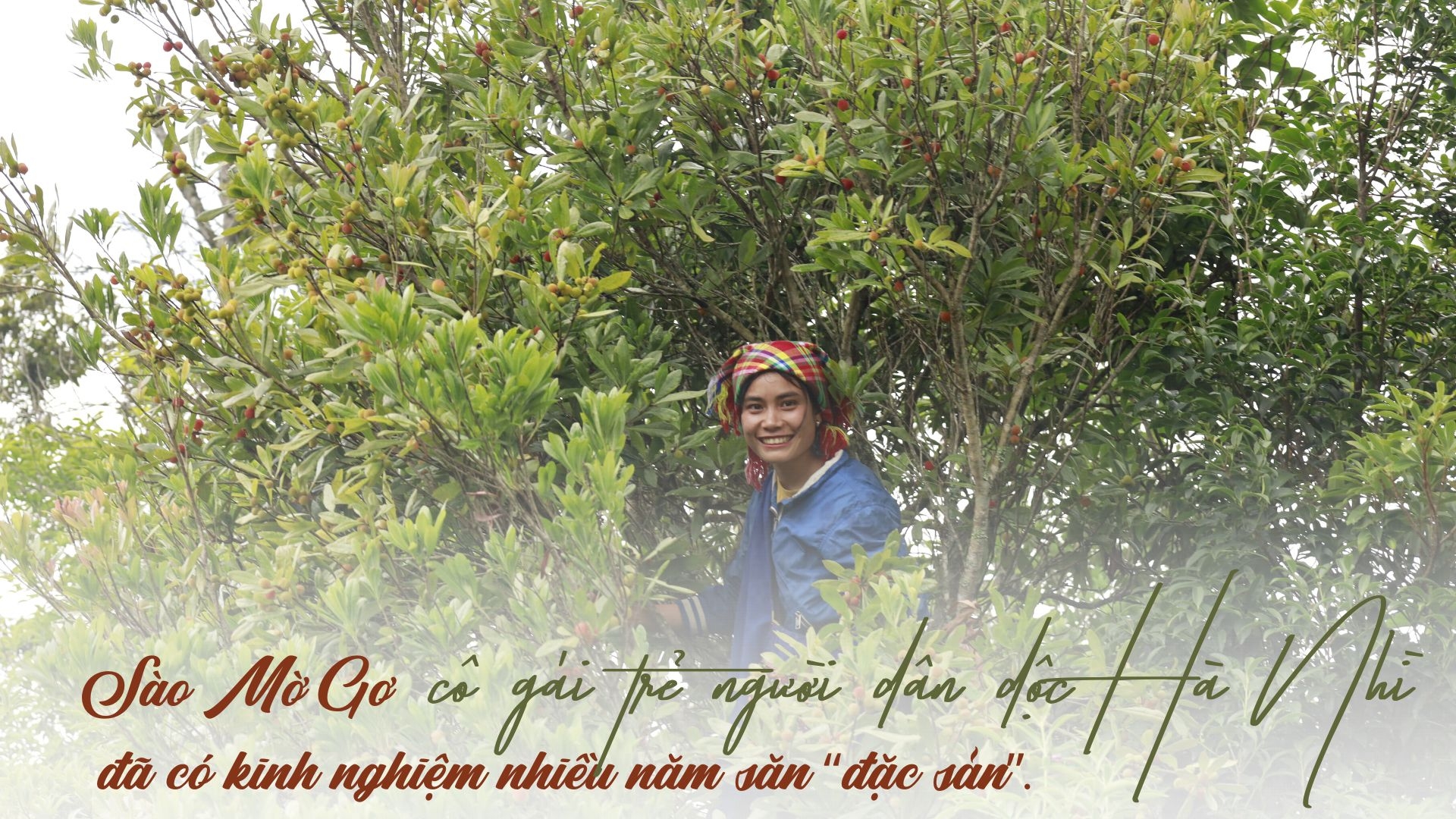
Sao Mo Go, a young woman of the Ha Nhi ethnic group who has just turned 20, already has many years of experience hunting for this "specialty." Go says: Few people know that in the forests of the Y Ty highlands, there are many wild bayberry trees. This species usually grows at the edge of the forest, along the stream banks, and the fruit begins to ripen around mid-June. This is also the time when farmers have free time, having just finished planting, so they go into the forest together to hunt for fruit to sell. Many people don't believe that bayberry trees grow in the Y Ty forest, so every time we go picking, we have to film it to prove it to customers. If we're lucky enough to find a large bayberry tree with abundant fruit, forest dwellers can earn millions of dong.
Around midday, as the rain subsided and the sun came out, Sao Mo Go, along with two friends and us, began our trek through the forest to hunt for the "specialty" of plum blossoms. From Mo Phu Chai village, we traveled by motorbike for more than 2 km to reach the edge of the forest in Phin Ho village. Turning onto a trail for about half a kilometer, we "parked" our motorbikes in the bushes at the edge of the forest and walked. The route was quite familiar to us because it was the path used by athletes participating in the Lao Than Peak Climbing Competition organized by Bat Xat district. The first part of the trail was relatively easy to follow, but the further we went, the more difficult it became as we had to push aside reeds, rushes, and weeds to move forward. Not to mention the rainwater that had accumulated after the morning's rain had soaked everyone's clothes.
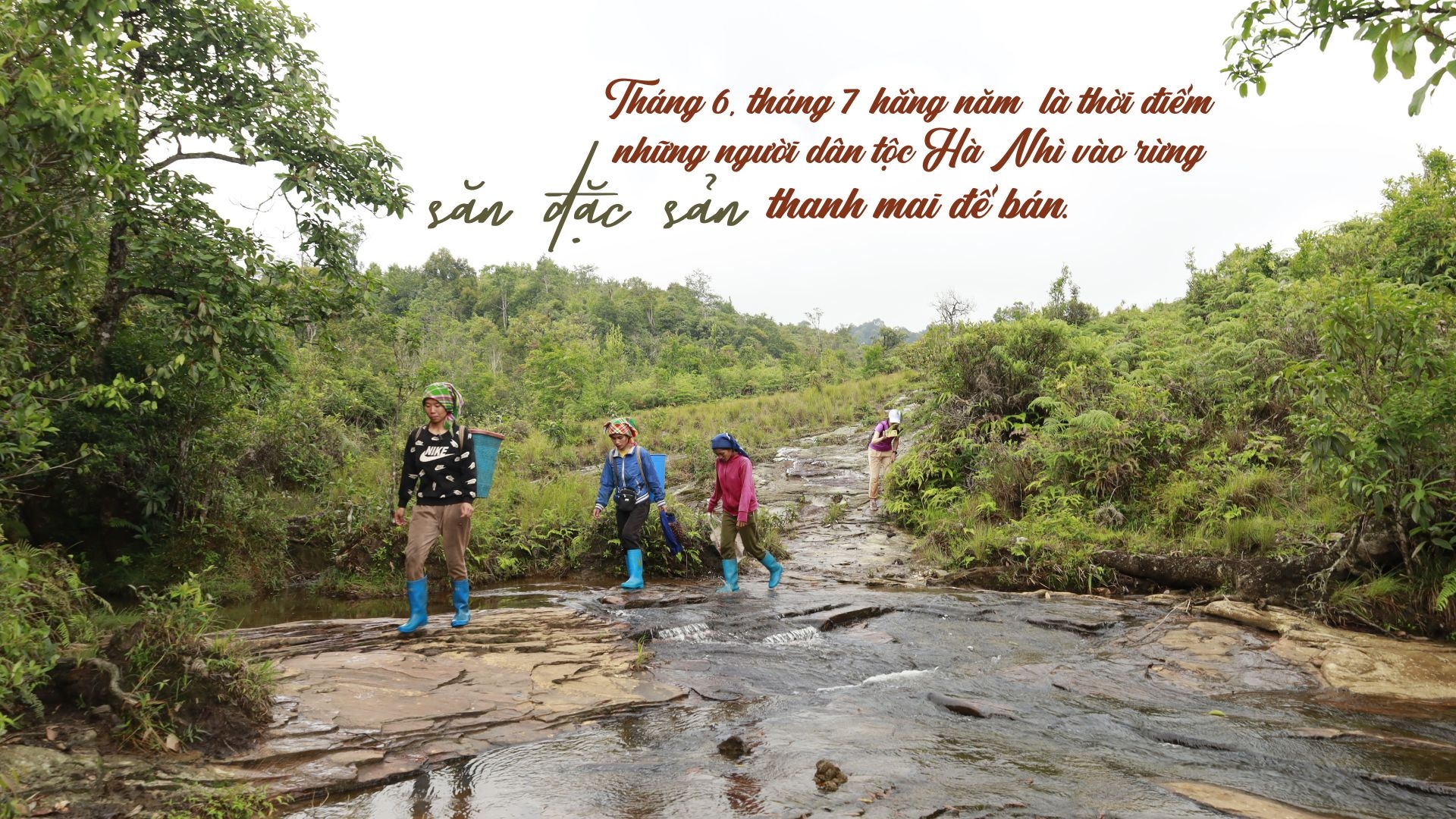
According to Gơ and his friends' experience, bayberry trees usually grow at the edge of forests, along streams, and in places with relatively high humidity. As they walked, Gơ and the group had to look carefully to spot ripe, juicy bayberries peeking out from the green foliage. Once they found a tree with ripe fruit, they would push aside the grass and find their way to the base of the bayberry tree.
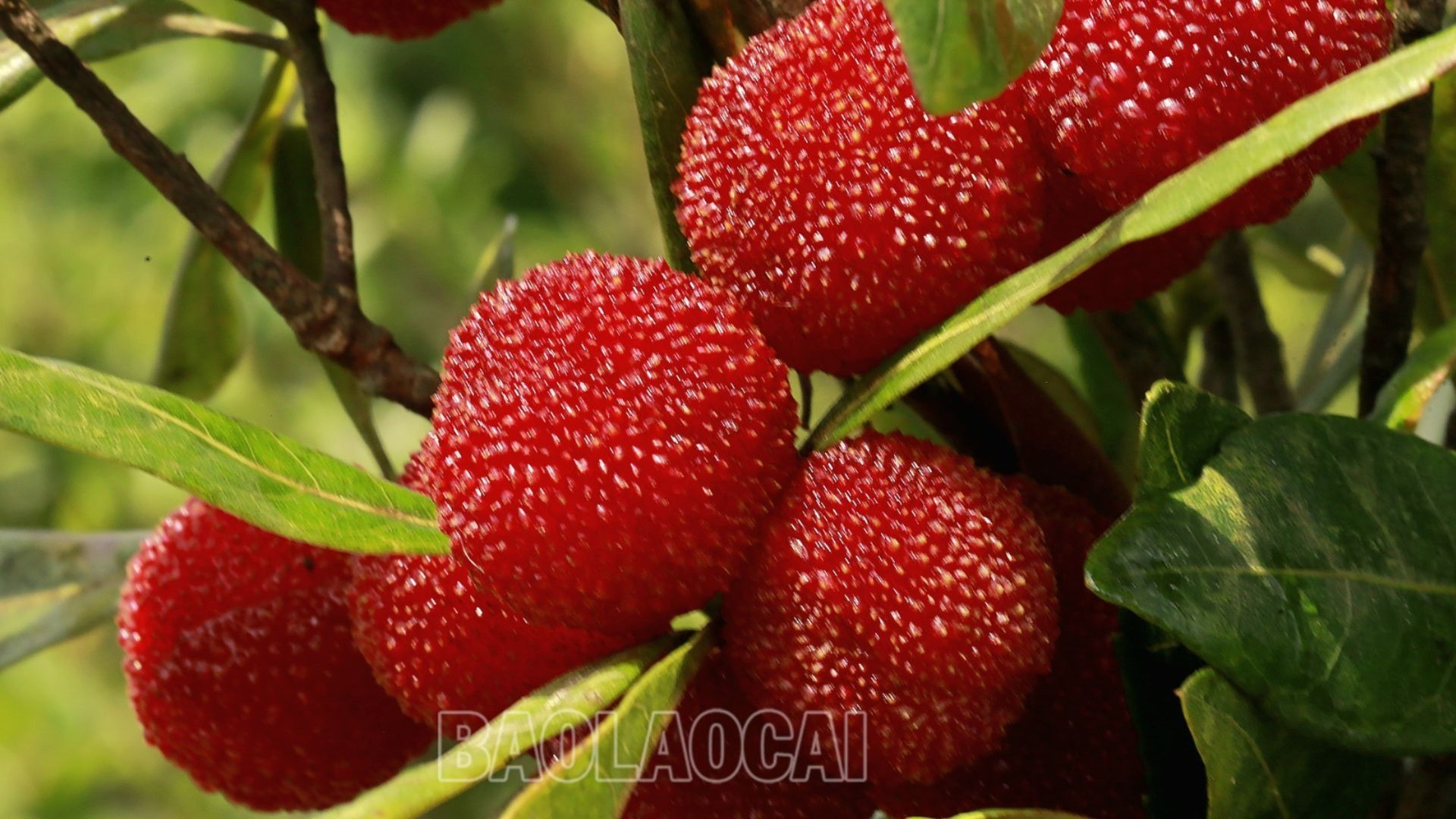
Phu Gio Mo, a member of the same group as Go, said: "The forest is full of bayberry trees, but not all of them bear fruit. Many trees have fruit, but those who came before have already harvested it, leaving unharvested green fruit. Therefore, finding trees with abundant, ripe fruit is not easy. Sometimes we have to walk for an hour, weaving through thick bushes, climbing over rocks, muddy puddles, and streams to find a bayberry tree with ripe fruit to pick."
Just as Mơ had said, on the way into the forest, we encountered many bayberry trees, but most of them were fruitless, and many had relatively green fruit because the bayberry season had just begun.
Trekking through the forest to "hunt for local delicacies"
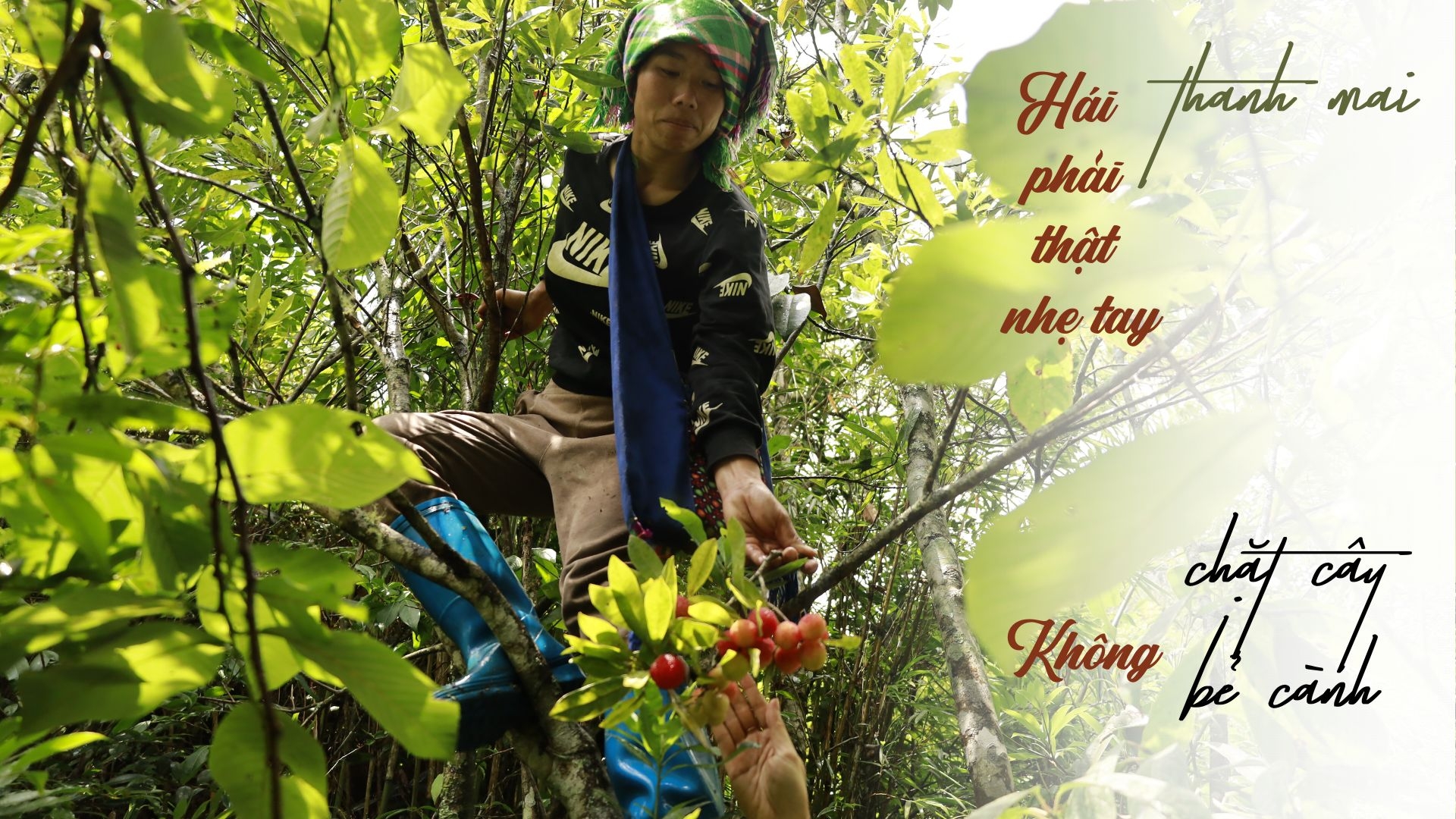
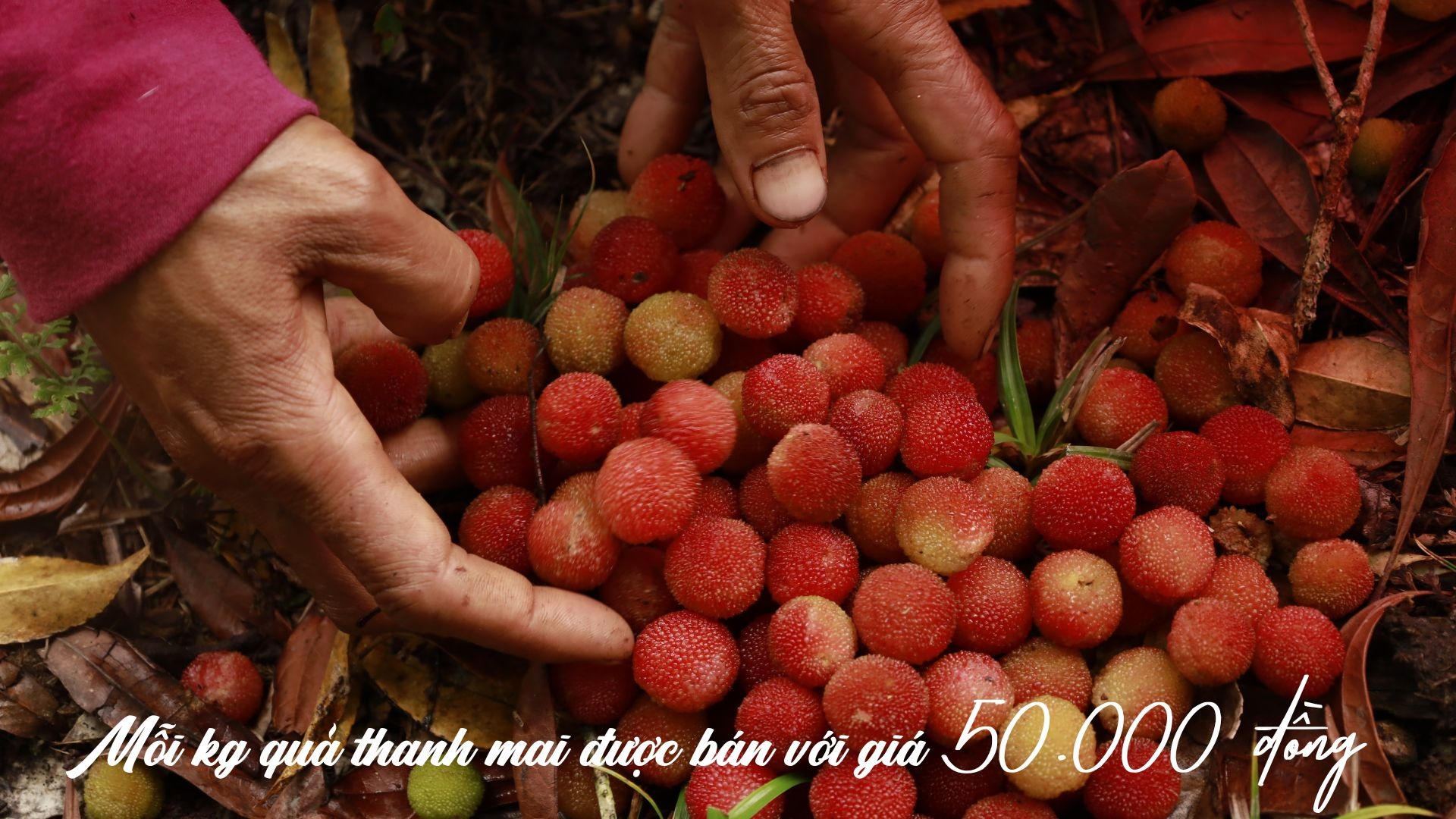
After more than 30 minutes of venturing deep into the forest, we found the first plum tree. It was quite small, hidden among the vines, so it hadn't been discovered by previous foresters. Immediately, without a word, the Ha Nhi girls dropped their baskets to the ground and began picking the fruit. Plums are very juicy, so they must be picked gently, otherwise the fruit will be crushed and difficult to sell. In less than 5 minutes, the ripe, red plums were neatly arranged in the baskets of Gơ and Mơ.
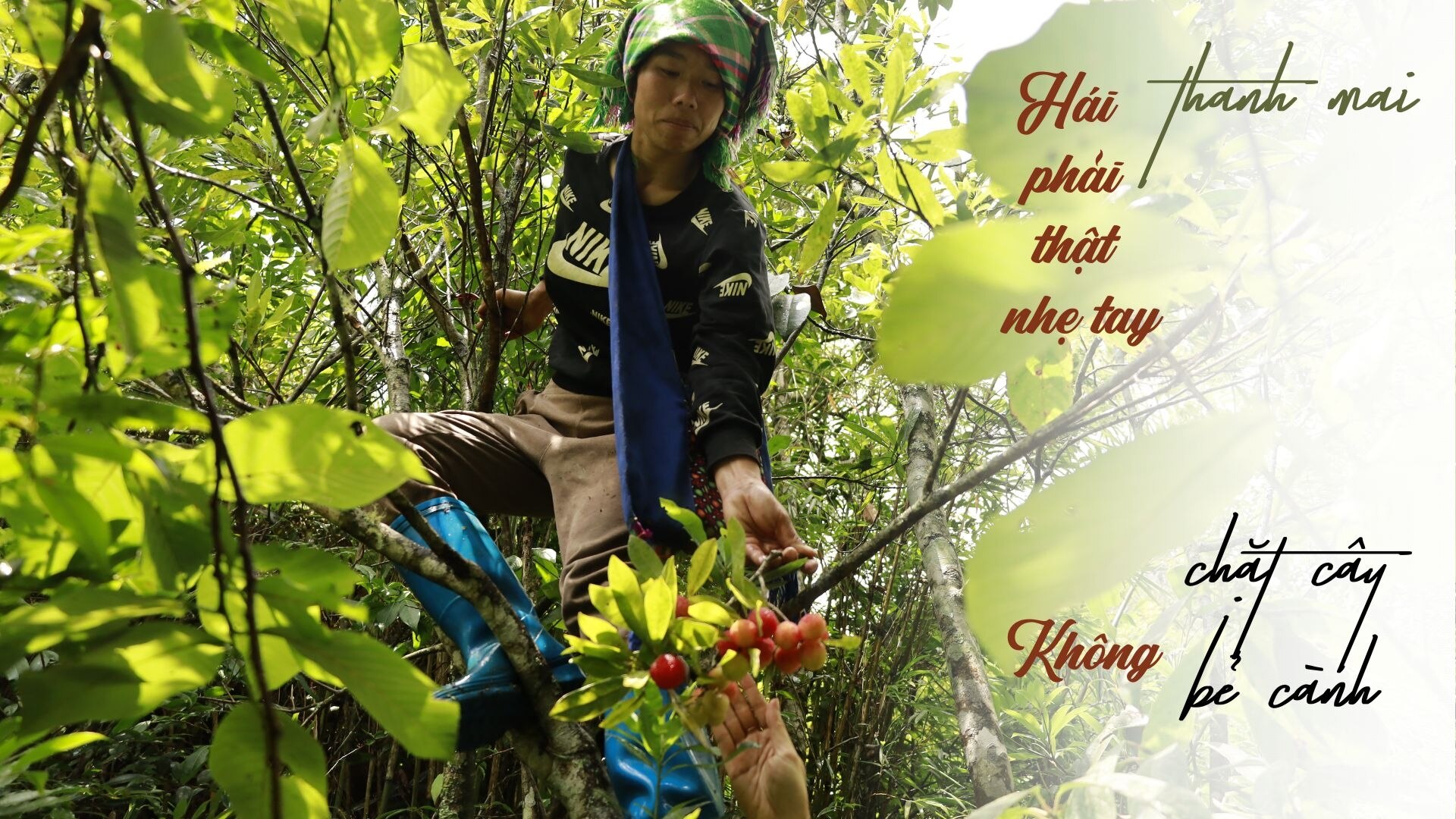
Picking fruit to quickly fill the baskets is the job of the Ha Nhi girls, but we were very excited to be picking ripe wild plums in the Y Ty forest for the first time. The taste of wild plums is quite sour with a hint of sweetness, and a light aroma. The aftertaste makes anyone who tries it once salivate whenever they remember it. This wild fruit is more suitable for soaking with sugar to make a refreshing summer drink than for eating directly.
"This tree is too small, we won't get much," Mo said regretfully. Then, they all slung their baskets over their shoulders and fanned out in different directions, continuing their search for plum trees with fruit to pick. The group made a pact: whoever found a plum tree with lots of fruit had to shout loudly so they could all pick together!
About 10 minutes later, we heard Gơ calling from a distance: "Everyone! Come here and pick some fruit!" Following the call, a few minutes later, the whole group gathered under a plum tree about 4 meters tall and 20 centimeters in diameter. According to Gơ's group's estimation, this plum tree was decades old.
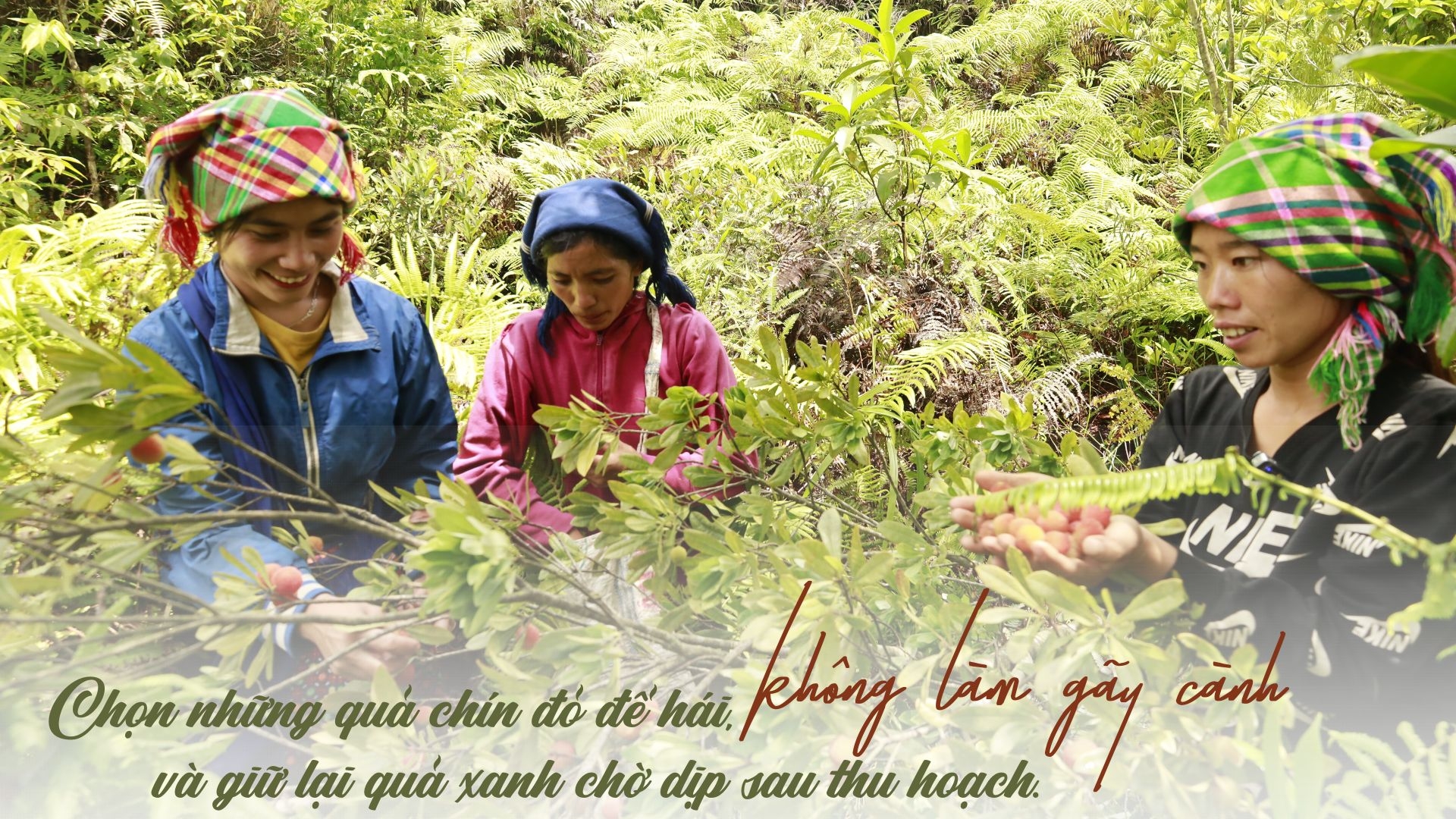
Reaching the base of the tree, the petite Hani girls nimbly climbed up to pick the fruit. Because the bayberries grow and develop at the tips of the branches, they had to stretch far out and hold onto the branches to pick them. Despite climbing high up the tree, Gơ's group only selected ripe red berries, carefully avoiding breaking the branches and leaving the green ones for later harvest. Bayberry pickers like Gơ's group believe that if they break the branches, the bayberry tree will not bear fruit the following year. Although the bayberry tree was quite large, after a while of picking, Gơ's group only managed to pick about 3 kg of ripe fruit. After wandering in the forest for more than two hours, Gơ's group had collected about 6 kg of ripe bayberries, and they decided to head back early. Gơ confided: "Picking mulberries in the forest also requires luck. The forest belongs to everyone, so sometimes you pick a lot, sometimes you pick a little. On the best days, each person can pick 20 kg of mulberries, earning over a million dong."

Upon returning home, Gơ and his group pour the plums into a basin to sort them, discarding any damaged or bruised ones, before taking them to the Y Tý market to sell to tourists. For regular customers, Gơ's group carefully packages the plums and sends them by truck to the city, according to the address the customer has provided. According to Gơ, most customers buy plums out of curiosity about the taste of this "specialty" from the forest. They buy them to soak in sugar, creating a red, slightly sour drink suitable for quenching thirst in the summer. Sometimes, people buy them to make wine. Gơ and the locals sell each kilogram of plums for 50,000 dong.
The vast, verdant forests of Y Tý still offer many resources for the local people to exploit. With such lush forests, if protected and sustainably managed, not only the bayberry fruit but also other "specialties" like raspberries, wood ear mushrooms, and shiitake mushrooms will be a gift from nature in return for the people's efforts in protecting the forest, providing additional income during the agricultural off-season.
Source link




![[Photo] General Secretary and President To Lam receives Amazon's Senior Vice President David Zapolsky](https://vphoto.vietnam.vn/thumb/1200x675/vietnam/resource/IMAGE/2026/05/22/1779466547770_a1-bnd-3513-6601-jpg.webp)
























































































Comment (0)