

To reduce environmental pollution, starting in 2025, Hanoi will select Ba Dinh and Hoan Kiem districts as pilot areas to restrict gasoline and diesel-powered cars and motorbikes. This raises concerns about how people will get around in the future.
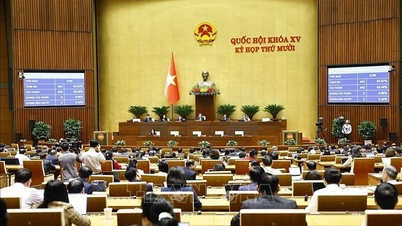
The Hanoi City People's Council has voted to approve a Resolution stipulating the implementation of low-emission zones in the capital city.
The resolution outlines a roadmap for implementing low-emission zones in two phases. Phase 1, from 2025-2030, will pilot the establishment of low-emission zones in one area within Hoan Kiem and Ba Dinh districts; and encourage localities to establish low-emission zones.
From 2031 onwards, areas within the city that meet one of the criteria for low-emission zones must comply with the provisions of the resolution.
How will people living and working in low-emission zones be supported in transitioning from fossil fuel-powered vehicles to clean, zero-emission vehicles?
We look forward to receiving feedback from our readers, managers, researchers, and experts regarding practical experiences, lessons learned, and proposed solutions to this pressing issue.
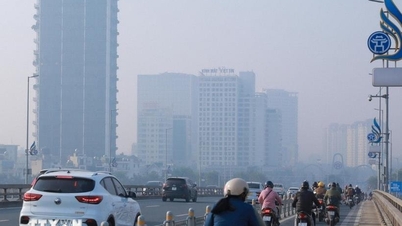
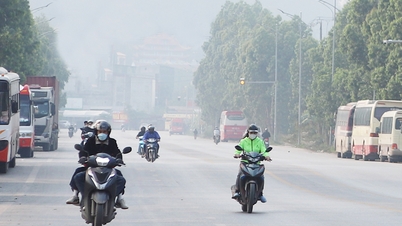
According to the Ministry of Natural Resources and Environment , air pollution levels have increased to alarming levels in the last 10 years, concentrated in major cities such as Hanoi. The main air pollution parameter currently is fine particulate matter smaller than 2.5 micrometers (PM 2.5).
According to Le Thanh Nam, Director of the Hanoi Department of Natural Resources and Environment, the main sources of local air pollution in Hanoi are road dust and road traffic, accounting for approximately 58-74% depending on the time of day. Among the emissions from vehicles, motorbikes account for the largest share, followed by taxis.
Mr. Nam stated that as of August 2024, the city had over 8 million road vehicles (nearly 1.13 million cars and over 6.9 million motorbikes). "Motorbikes that have been in use for over 10 years account for 72.58%, increasing the level of harmful emissions into the air," he said.
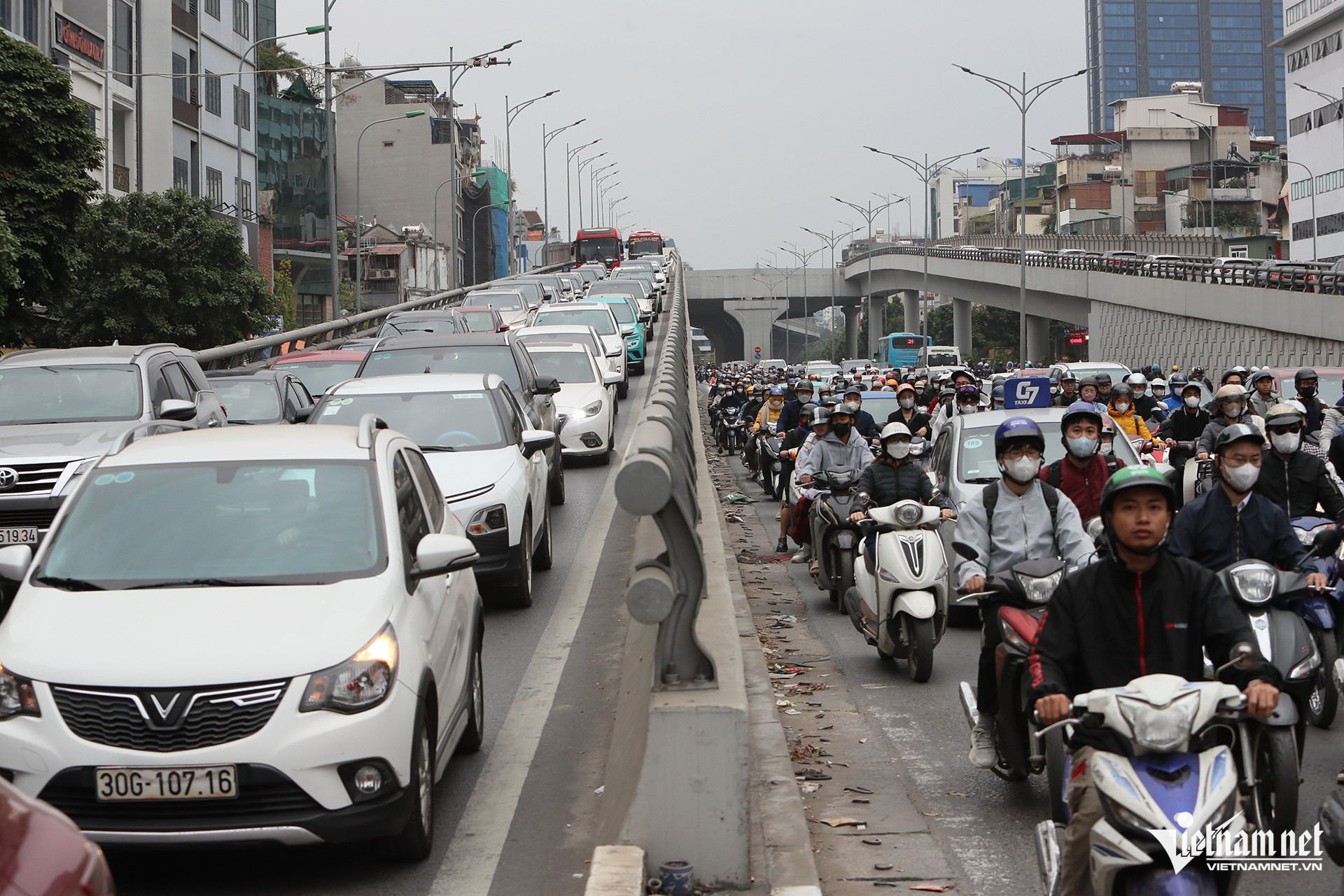
In response to this issue, on December 12th, the Hanoi People's Council passed a resolution establishing "low-emission zones". Accordingly, starting in 2025, Hanoi will begin piloting the establishment of "low-emission zones" in an area within Hoan Kiem and Ba Dinh districts.
Accordingly, this area only allows vehicles that do not produce emissions, and vehicles using clean energy, to circulate within the low-emission zone. The resolution restricts or prohibits cars and motorcycles that do not meet emission standards from circulating in the low-emission zone during certain hours.
A roadmap is needed to minimize public shock.
Mr. Nguyen Quoc Minh (working in Hoan Kiem district) believes that the inner districts of Hanoi are becoming increasingly polluted, therefore, measures to restrict the operation of gasoline and diesel-powered cars and motorbikes in certain areas of Hoan Kiem and Ba Dinh districts are necessary.
However, according to Mr. Minh, in order for people living and working in Hoan Kiem and Ba Dinh districts not to be shocked by the establishment of "low-emission zones," Hanoi needs to provide a specific roadmap for people to find suitable transportation solutions. "If the city immediately restricts polluting cars and motorbikes, how will people get around?" Mr. Minh wondered.
Concerned about environmental pollution affecting health, Mr. Tran Van Thanh (a resident of Dong Da district) believes that Hanoi should ban gasoline and diesel vehicles from operating in the inner city districts as soon as possible. In the initial phase, according to Mr. Thanh, Hanoi should immediately replace thousands of gasoline and diesel buses with electric vehicles. After that, the city should develop a roadmap to reduce polluting private vehicles.
Every day, Ms. Tran Thi Hanh commutes from Ha Dong to Ba Dinh by metro, finding it very convenient as she avoids traffic jams. Therefore, she supports Hanoi's solution of establishing "low-emission zones." However, she believes that to achieve this, public transportation needs to be adequate and convenient for residents.
At the Hanoi City People's Council's questioning session on the afternoon of December 11, Chairman Tran Sy Thanh stated that the establishment of "low-emission zones" in the city aims to limit polluting vehicles and improve air quality.
According to Mr. Tran Sy Thanh, in the coming time, the city will implement many specific programs to encourage people in 'low-emission' areas to switch to using green vehicles.
Specifically, Hanoi will coordinate with manufacturing businesses to develop plans to minimize the use of gasoline-powered vehicles in low-emission zones; research options for price reductions, trade-in programs for old vehicles, support for trade-ins of old vehicles, and loans for purchasing new vehicles so that people in 'low-emission zones' can essentially switch from polluting old motorbikes to electric vehicles.
Readers who wish to share their opinions and assessments on this issue can send them to the email address: banthoisu@vietnamnet.vn. Articles published on VietNamNet will receive payment according to the editorial office's regulations. Thank you!
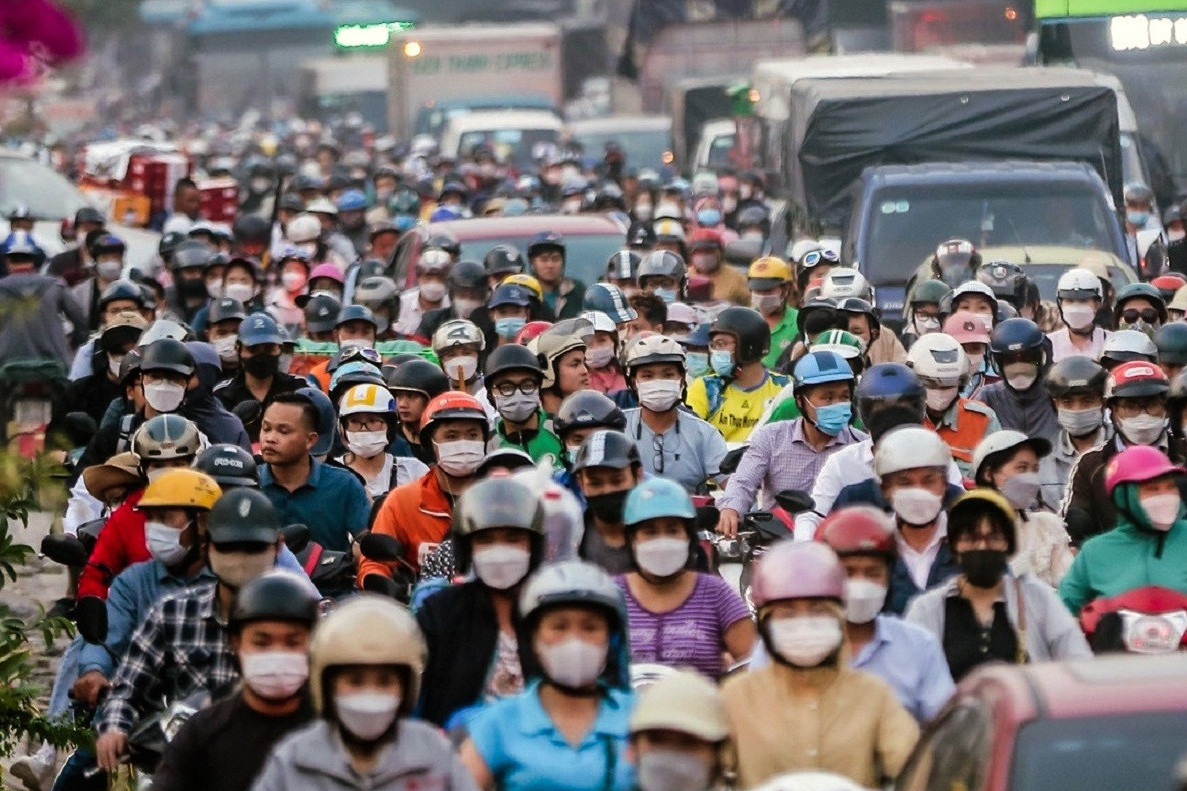
Hanoi restricts polluting cars and motorbikes in Ba Dinh and Hoan Kiem districts.
Source: https://vietnamnet.vn/han-che-phuong-tien-o-nhiem-o-ba-dinh-hoan-kiem-nguoi-dan-di-lai-nhu-the-nao-2352418.html


![[Photo] Closing Ceremony of the 10th Session of the 15th National Assembly](/_next/image?url=https%3A%2F%2Fvphoto.vietnam.vn%2Fthumb%2F1200x675%2Fvietnam%2Fresource%2FIMAGE%2F2025%2F12%2F11%2F1765448959967_image-1437-jpg.webp&w=3840&q=75)


![[Photo] Prime Minister Pham Minh Chinh holds a phone call with the CEO of Russia's Rosatom Corporation.](/_next/image?url=https%3A%2F%2Fvphoto.vietnam.vn%2Fthumb%2F1200x675%2Fvietnam%2Fresource%2FIMAGE%2F2025%2F12%2F11%2F1765464552365_dsc-5295-jpg.webp&w=3840&q=75)








































































Comment (0)