

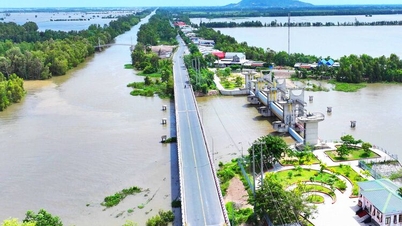
The Vam Co River is a river in Southern Vietnam, part of the Dong Nai River system. It is 280km long, originating in Cambodia, with over 190km of its length within Vietnamese territory. It has two direct tributaries: the Vam Co Dong River and the Vam Co Tay River.

According to French-language sources, this river is called "Vaïco," derived from the Khmer word "piăm vaïco," meaning "cattle herding channel," which the Vietnamese mispronounced as Vàm Cỏ. This suggests that the river was formerly a route used for herding cattle.
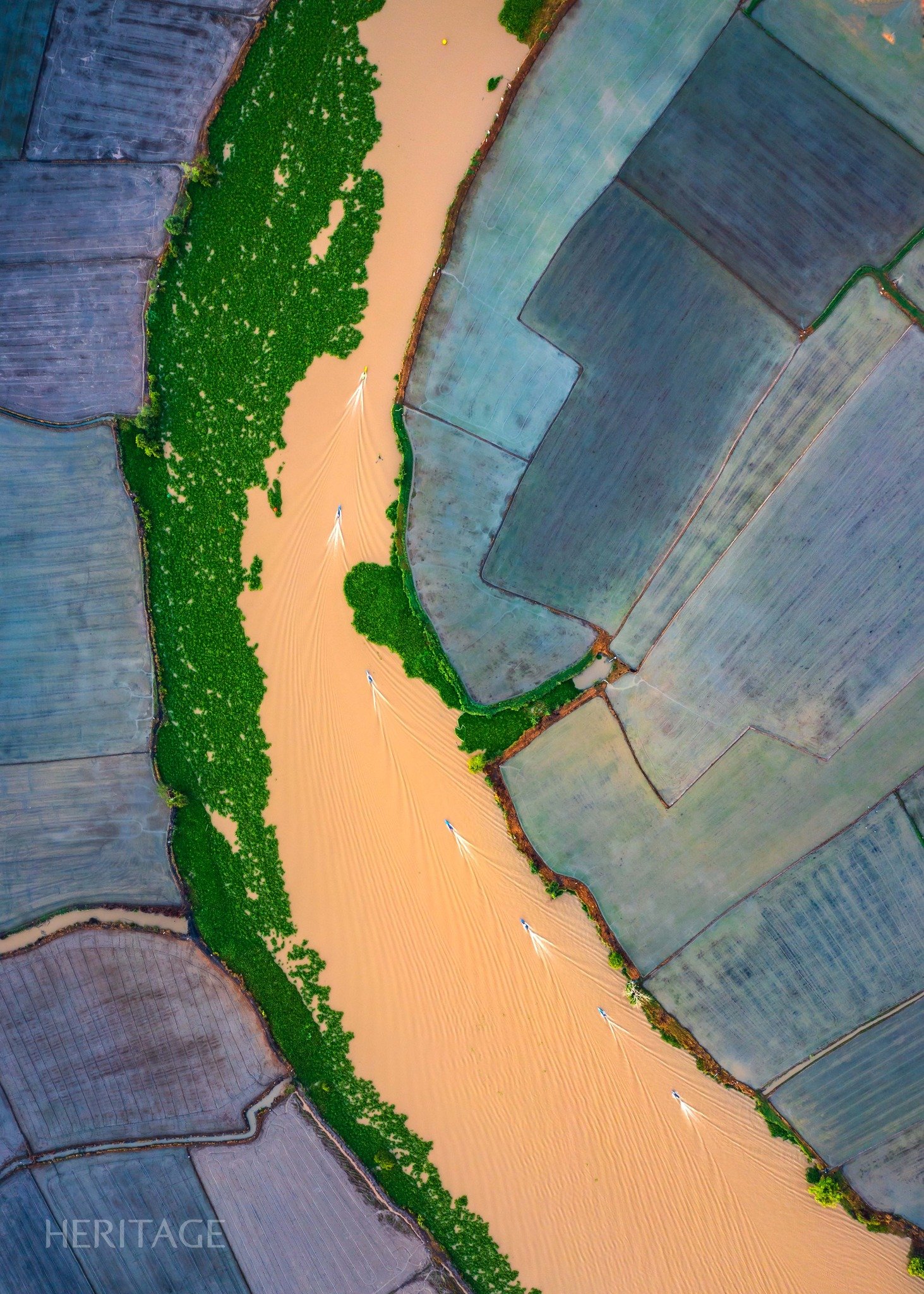
The Vàm Cỏ Đông River flows into Vietnam at Thành Long border commune, Châu Thành district, then through Bến Cầu, Hòa Thành, Gò Dầu, and Trảng Bàng districts ( Tây Ninh province ).
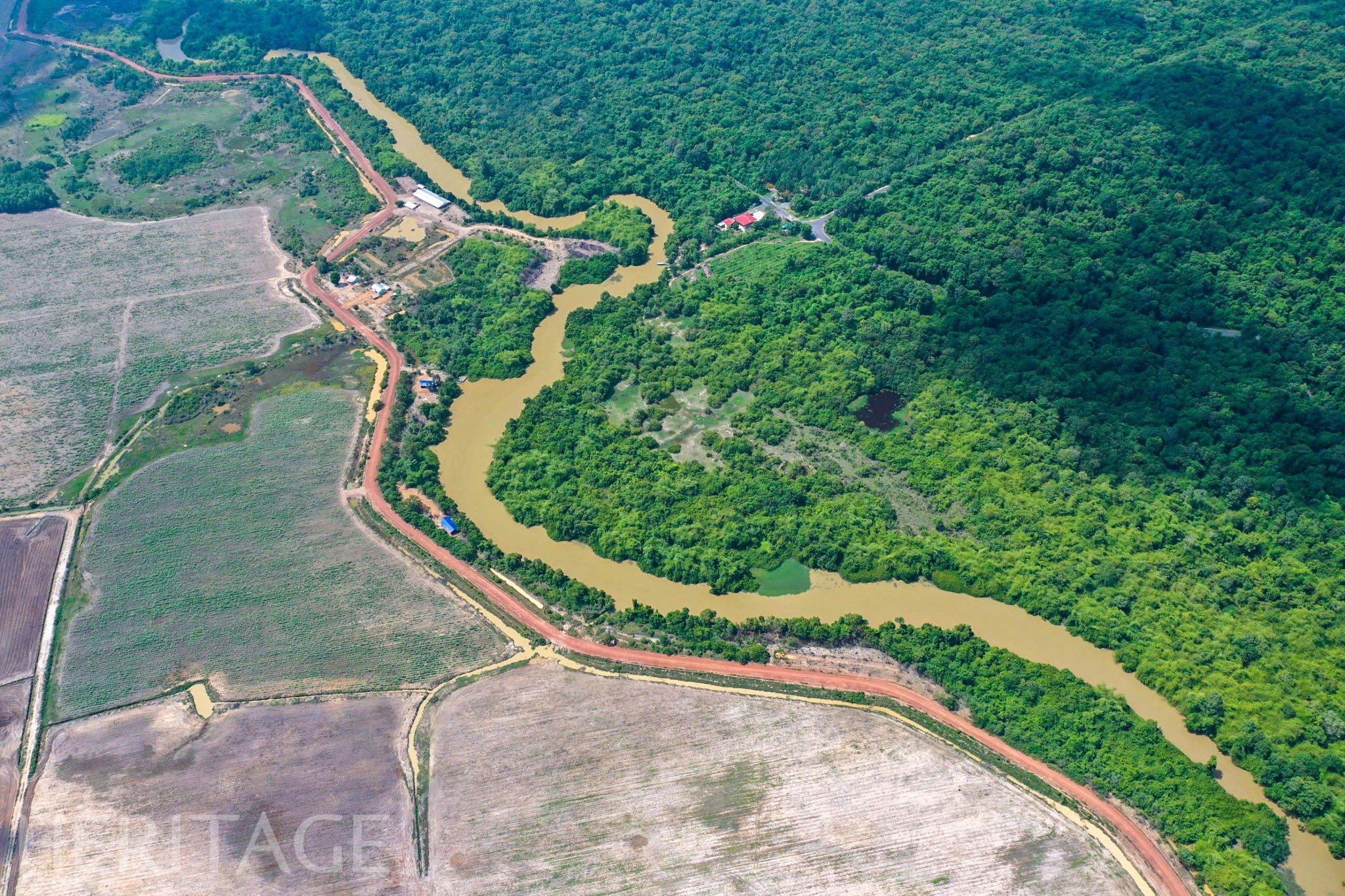
Flowing through the districts of Duc Hoa, Duc Hue, Ben Luc, and Can Duoc ( Long An province ), it merges with the Vam Co Tay River in Tan Tru district (Long An province) to form the Vam Co River.
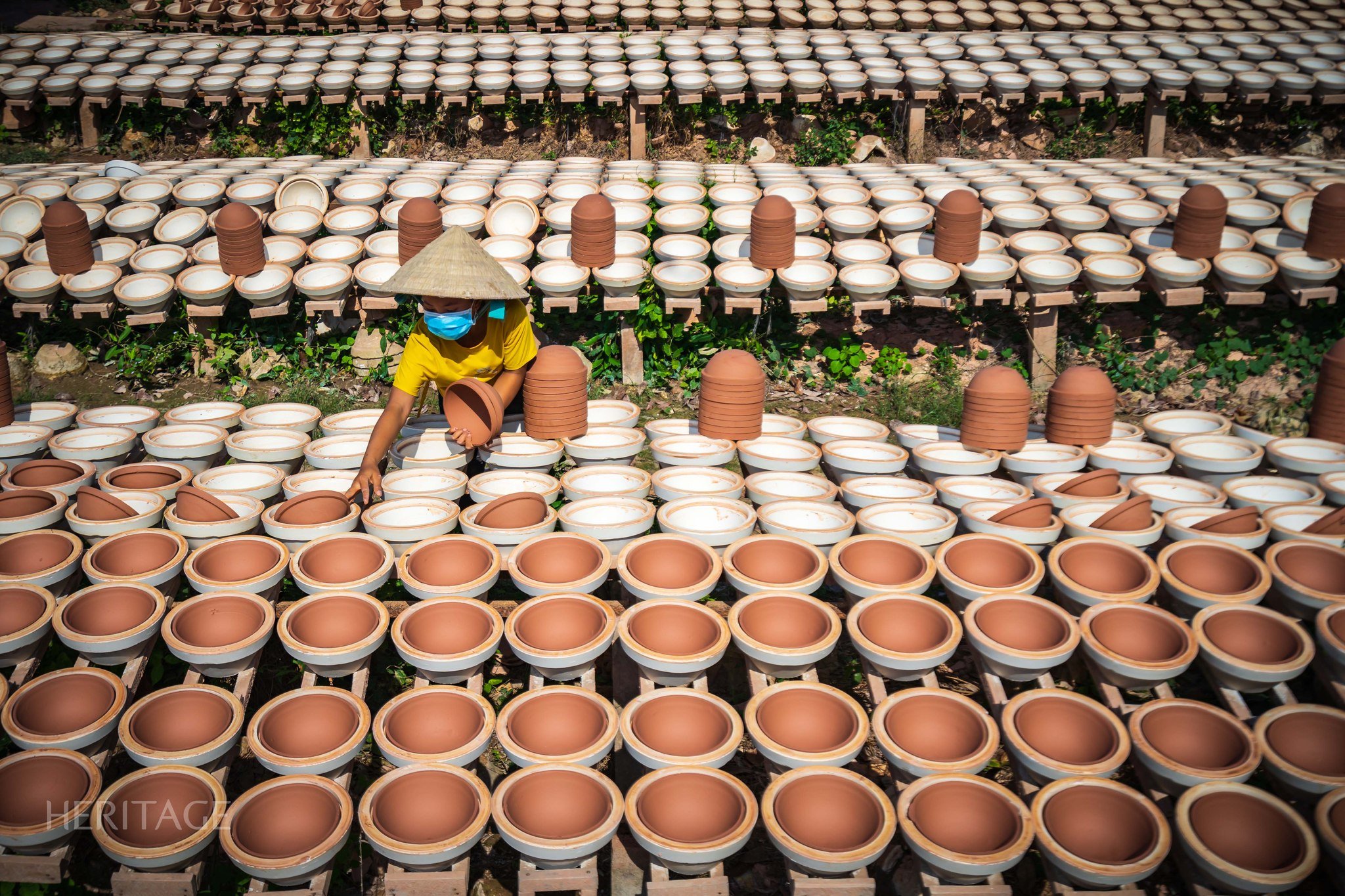
The section of the Vàm Cỏ River flowing through Long An forms a natural and administrative boundary between the two provinces of Long An (Cần Đước district on the left bank) and Tiền Giang (Gò Công town and Gò Công Đông district on the right bank), emptying into the Soài Rạp River and flowing into the East Sea.

In particular, the section near the confluence of the Vam Co River and the Soai Rap estuary has another striking name: "Vam Bao Nguoc" (Reverse Vam Bao). This is because the final section curves sharply, forming three consecutive arcs that seem to enclose something, which is also the origin of the word "Bao" in "Bao Nguoc".
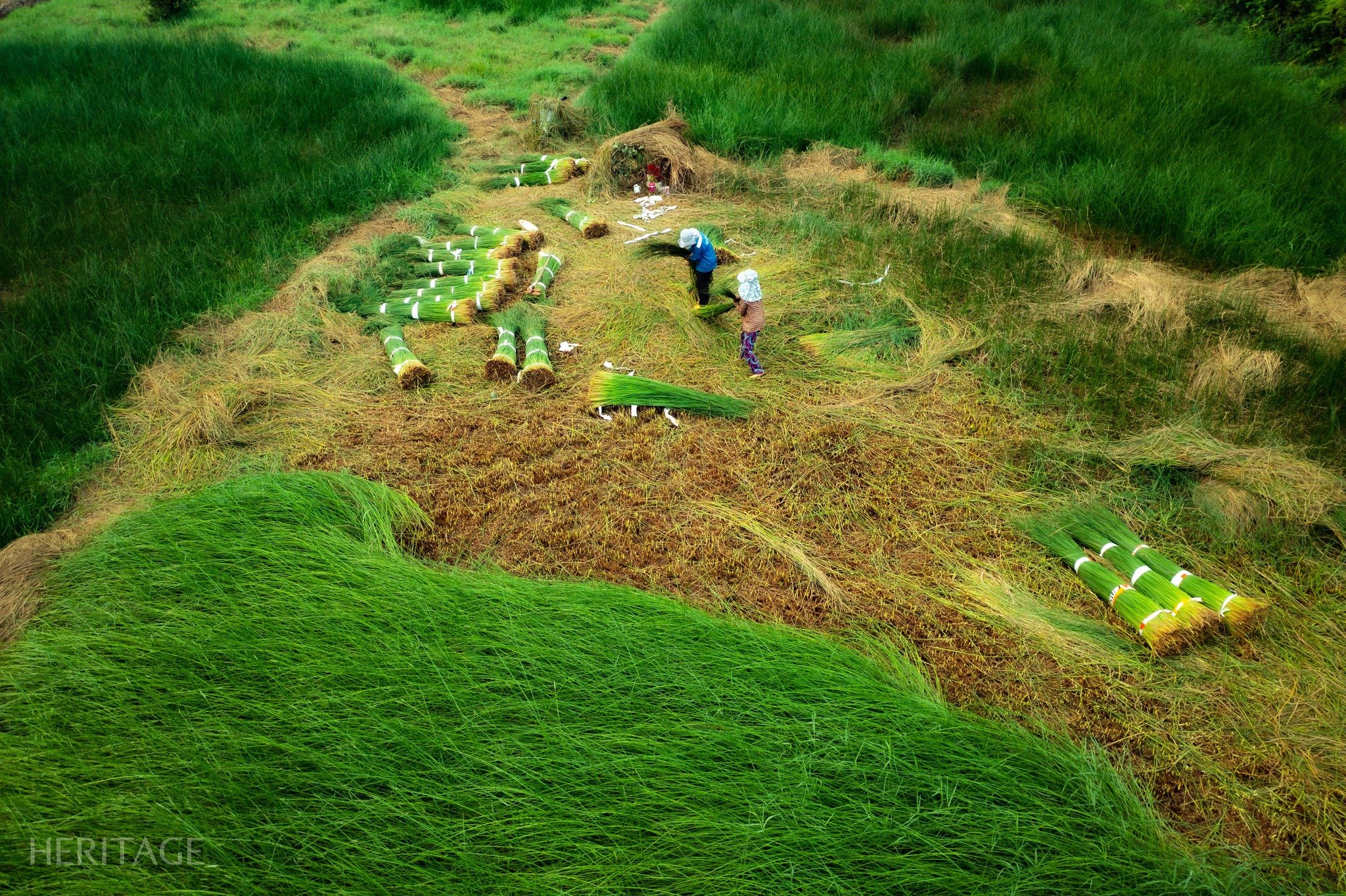
The legendary Vàm Cỏ Đông River has long been an endless source of inspiration in folk songs, poetry, modern music, and sweet, lyrical vọng cổ (traditional Vietnamese opera). This river possesses a graceful beauty, winding like the graceful figure of a young woman bowing to welcome guests.
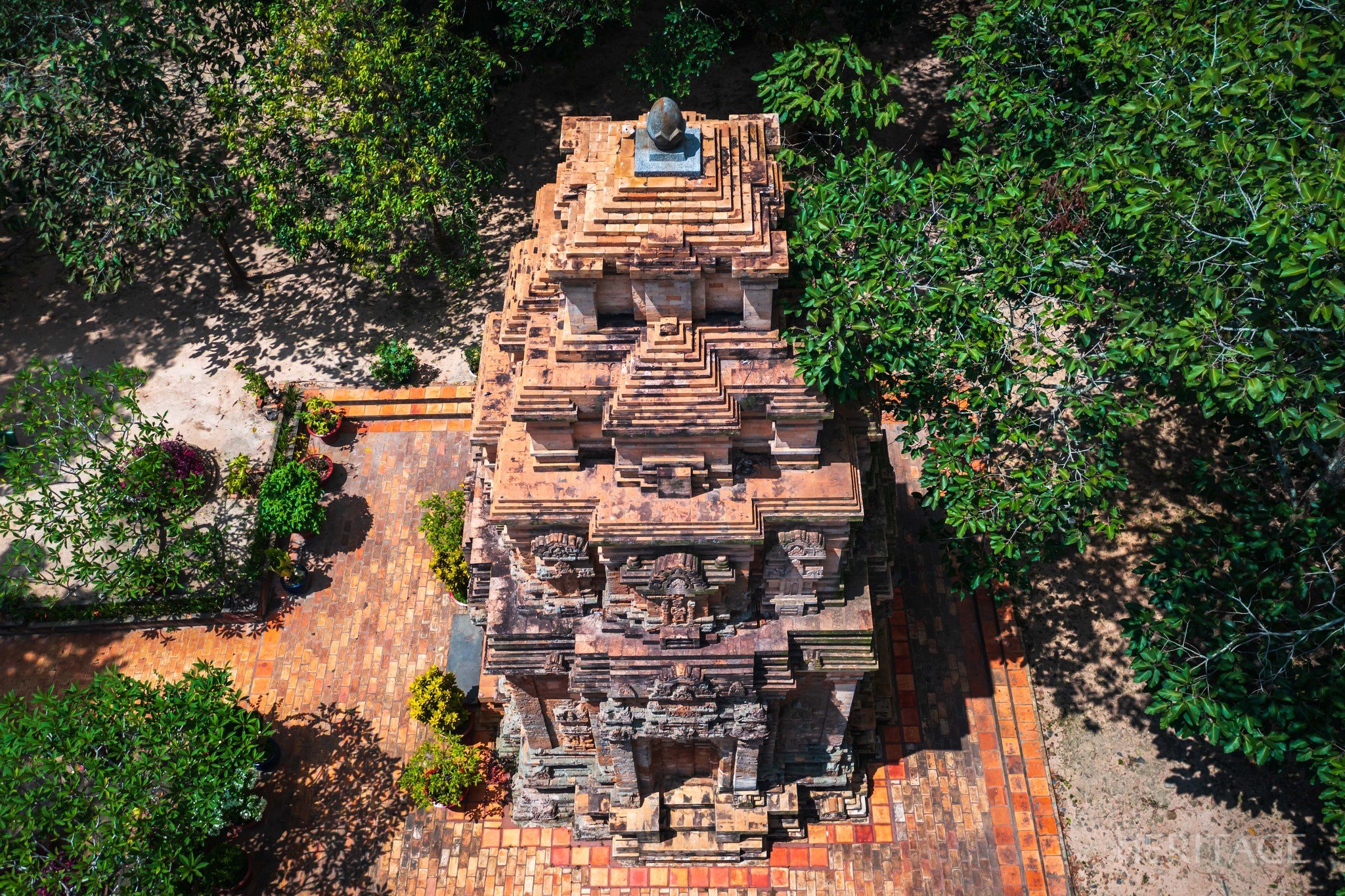
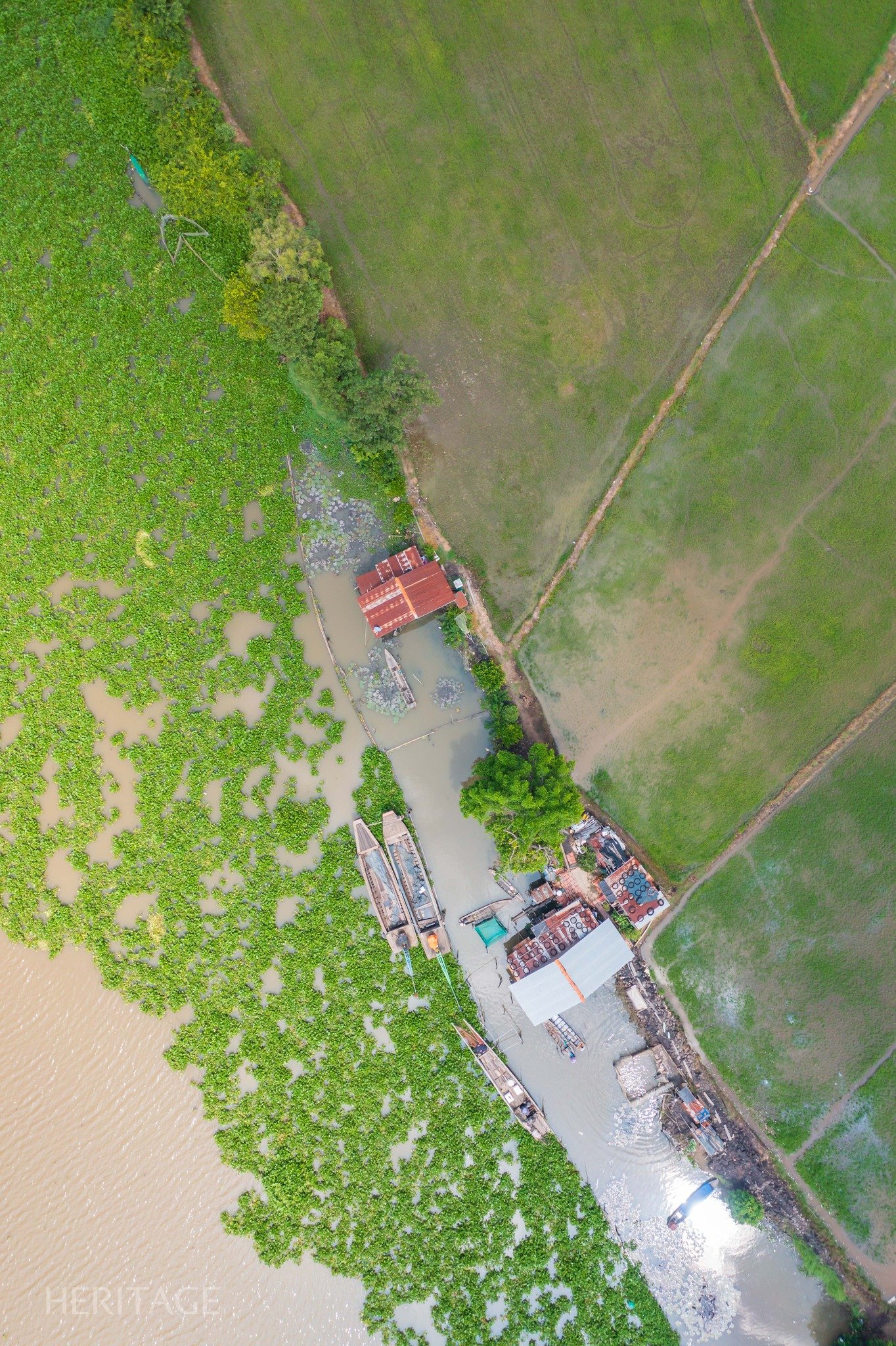
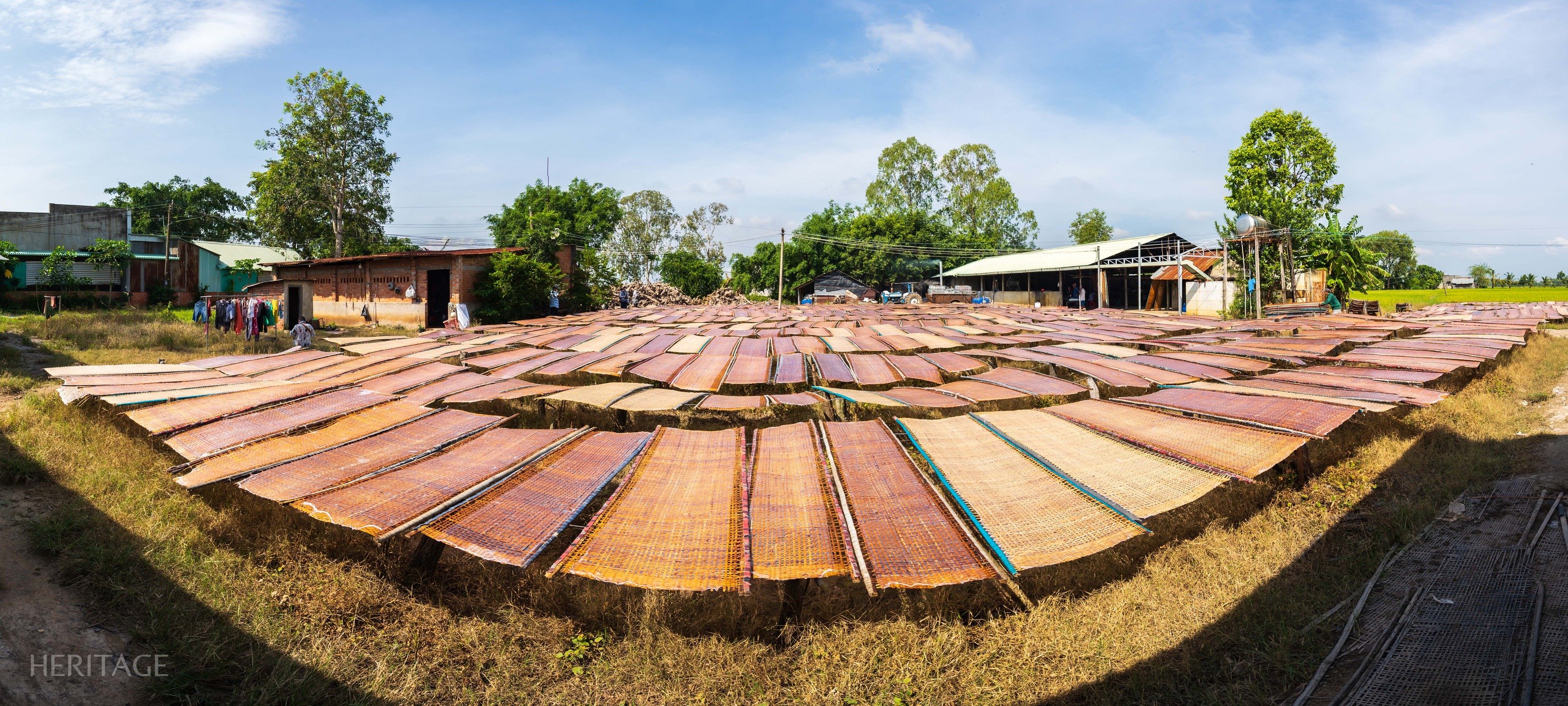
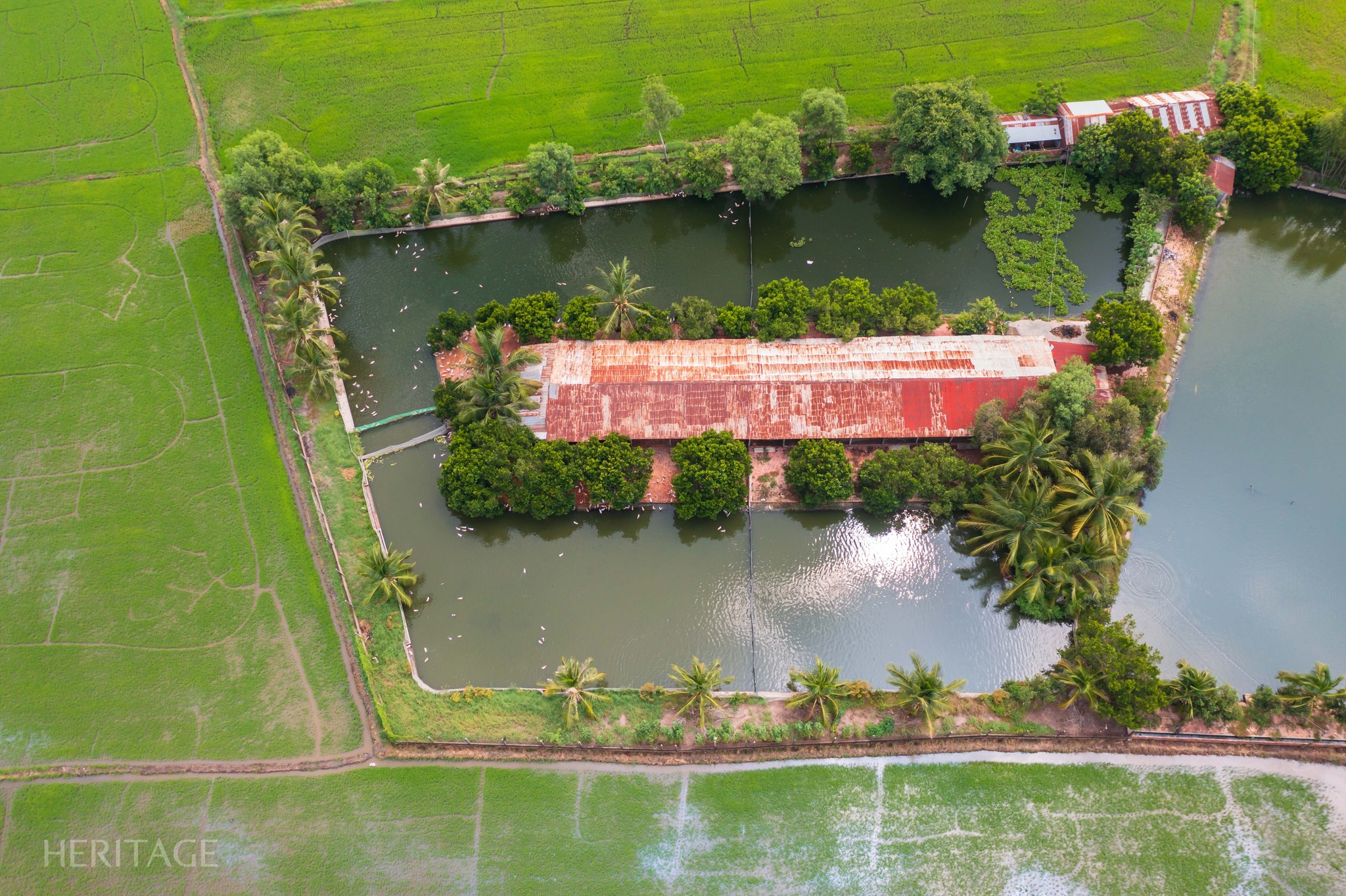
Heritage Magazine








![[Photo gallery] Spectacular lantern-releasing ceremony on the Dong Nai River](https://vphoto.vietnam.vn/thumb/402x226/vietnam/resource/IMAGE/2026/03/01/1772377780577_dsc04459_20260301203706_20260301214010.jpeg)









































































Comment (0)