


You should choose sunscreen with an SPF of 30 and PA3+ or higher, apply it 30 minutes before going outdoors, and reapply frequently to protect your skin.
According to Dr. Nguyen Thi Kim Dung, a specialist in Dermatology and Cosmetic Skin Care at Tam Anh General Hospital in Ho Chi Minh City, of the 90% of exogenous causes of skin aging, up to 70% are due to sunlight. Specifically, UVB ultraviolet rays account for 5% and UVA rays account for 95%.
UV rays not only affect skin tissues but also cause DNA breakage, leading to uncontrolled cell growth. These abnormal cells rapidly divide, forming a mass of cancerous cells. Therefore, using sunscreen to protect against the effects of sunlight on the skin is crucial.
There are two common types of sunscreen:
Chemical sunscreens: These help absorb sunlight, reducing the harmful effects of UV rays on the skin. This type of sunscreen tends to be easily absorbed and leaves less white residue on the skin.
Physical sunscreens: create a protective barrier, increasing the reflection of sunlight, and are recommended for sensitive skin.
According to Doctor Kim Dung, sunscreen should be used to protect the skin not only in summer but in any season of the year. A good sunscreen is one that can protect against both UVA and UVB ultraviolet rays.
Sunscreen packaging usually displays the SPF and PA ratings. SPF 30, 50, or 70 corresponds to 96-98% protection against UVB rays. For effective sun protection, choose a broad-spectrum sunscreen with an SPF of 30 or higher.
Meanwhile, PA is an index that helps assess the level of protection the skin provides against UVA rays. Typically, the PA index is expressed with plus signs, indicating the level of protection in order. PA 4+ provides up to 90% protection, 3+ is 70%, 2+ is average protection, and 1+ is the lowest level of protection.
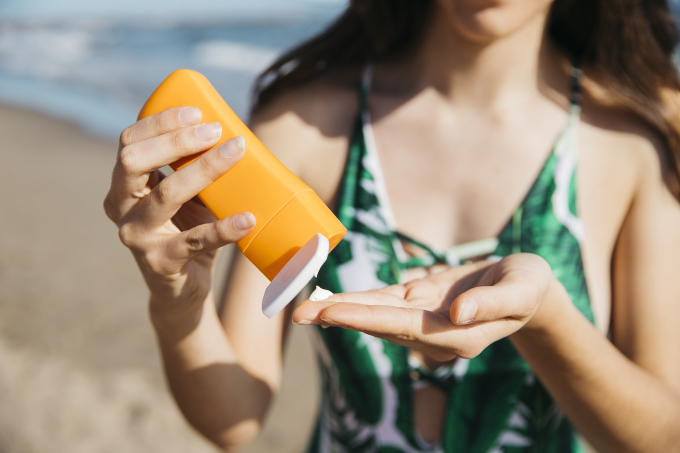
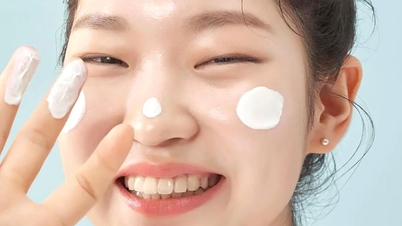
Sunscreen acts like a protective barrier for the skin against harmful radiation. Photo: Freepik
Applying sunscreen not only protects the skin from external factors such as sunburn, but also prevents aging and skin cancer. To use sunscreen effectively, users should note that not all ingredients are beneficial. Therefore, it's essential to carefully read the instructions and check the ingredients to choose the most suitable product for your skin. Do not use expired sunscreen as it may cause skin allergies.
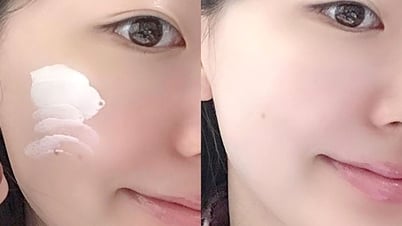
Use sunscreen in the correct amount: apply about 1-2g for the entire face and about 30g for the entire body each time. Apply sunscreen to all areas not covered by clothing, including ears, neck, chest, arms, and hands. Apply sunscreen at least 30 minutes before going outside and reapply every two hours for all-day protection.
Dr. Nguyen Thi Kim Dung noted that applying sunscreen to protect the skin is a very good habit, but it's still not enough without other protective measures such as combining it with a cloth face mask, a wide-brimmed hat, and sunglasses. At the same time, exposure to sunlight between 10 am and 4 pm should be limited.
Nguyen Van
Source link


![[Image] Fifth meeting of the Steering Committee for National Projects in the Railway Sector](/_next/image?url=https%3A%2F%2Fvphoto.vietnam.vn%2Fthumb%2F1200x675%2Fvietnam%2Fresource%2FIMAGE%2F2026%2F01%2F06%2F1767712857541_ndo_br_dsc-0581-jpg.webp&w=3840&q=75)






























































































Comment (0)