

Eating foods high in salt can cause skin problems such as peeling, acne, puffy eyes, and premature aging.
Sodium is an important nutrient in the diet. However, consuming too much sodium can affect health, leading to problems such as high blood pressure, edema, bloating, dehydration, dry skin, and premature aging. Below are the risks to the skin from eating too much salt (sodium chloride).
Dry, flaky skin
Consuming large amounts of sodium reduces the amount of water that internal organs can absorb. This prompts the body to draw water from cells and the skin, leading to dehydration. The skin becomes dry and flaky over time.
Increased oil secretion
Salty foods not only cause dehydration but also cause the skin to produce more oil to moisturize. Increased oil production increases the risk of clogged pores, leading to inflammation and resulting in blackheads, whiteheads, and pimples.
Itchy skin
Foods high in salt often stimulate the peripheral nervous system, causing skin damage, itching, and discomfort. Therefore, people with eczema should limit their salt intake. According to a 2019 study published by the University of Munich, Germany, the sodium content in salt may promote an immune response associated with atopic dermatitis.
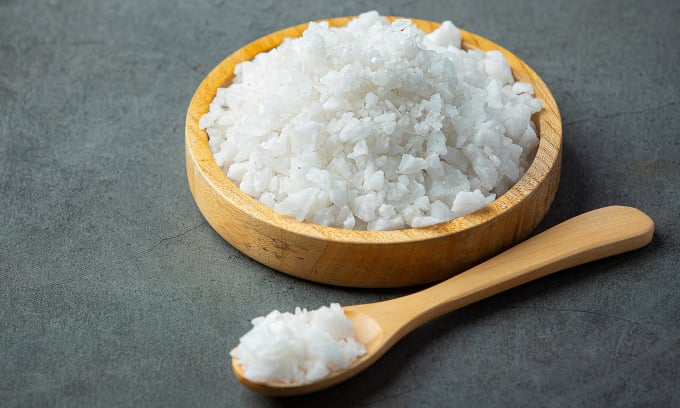
Consuming foods high in salt can cause skin problems. Photo: Freepik
Premature aging
A diet high in salt can accelerate the aging process. Consuming foods fried in oil at high temperatures also releases free radicals, which can damage DNA and speed up aging.
A 2023 study published by the U.S. National Heart, Lung, and Blood Institute showed that blood sodium levels exceeding certain thresholds accelerate aging, increase the risk of chronic diseases, and lead to premature death. The data analyzed over 15,000 people, aged 45-66, over a 25-year period.
Swollen eyes
Salt causes the body to retain water, leading to the formation of puffiness around the eyes because the area around the eyes is very thin and sensitive. When consuming salty foods, the body retains extra water to balance the excess salt, causing swelling.
To protect your skin, limit your salt intake when seasoning food and use herbal spices instead. Avoid processed foods as they are often high in sodium.
Huyen My (According to Livestrong )
| Readers can submit their dermatological questions here for the doctor to answer. |
Source link


![[Photo] Prime Minister Pham Minh Chinh attends the Conference on the Implementation of Tasks for 2026 of Vietnam Television.](/_next/image?url=https%3A%2F%2Fvphoto.vietnam.vn%2Fthumb%2F1200x675%2Fvietnam%2Fresource%2FIMAGE%2F2026%2F01%2F10%2F1768047311329_ndo_br_dsc-3214-jpg.webp&w=3840&q=75)













































![[Infographics] Resolution No. 79-NQ/TW of the Politburo on the development of the state-owned economy](https://vphoto.vietnam.vn/thumb/402x226/vietnam/resource/IMAGE/2026/01/10/1768038914679_chp_3-11-23.jpeg)
















































Comment (0)