

Limiting alcohol consumption, avoiding fast food, maintaining a healthy weight, exercising daily, and getting screened for hepatitis B and C will help protect your liver and keep it healthy.
The liver is the largest organ in the body, performing over 500 functions such as metabolizing nutrients, neutralizing and eliminating harmful substances.
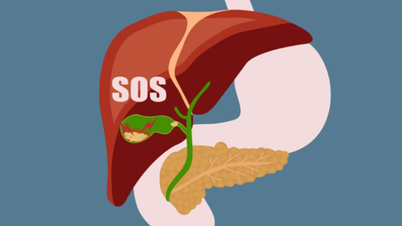
Currently, several liver diseases are on the rise in the community, including viral hepatitis, alcoholic fatty liver disease, and non-alcoholic fatty liver disease. Symptoms include fatigue, loss of appetite, unexplained weight loss, pain or discomfort in the right side of the abdomen, dark yellow urine, jaundice (yellowing of the skin and sclera), nosebleeds, bleeding gums, and leg edema.
Lifestyle changes can help keep your liver healthy without the need for drug detoxification therapies, such as the following:
Limit your alcohol consumption.
The liver can only process a certain amount of beer and alcohol at a time. If you drink too much over a long period, the liver will have to work harder, eventually leading to cirrhosis or cancer. Therefore, limiting alcohol consumption is the best way to protect your liver.
Establish a balanced diet.
Eat plenty of fruits along with fiber from vegetables, nuts, seeds, and whole grains. Ensure you're getting enough protein to support the enzymes that help your body detoxify naturally.
Avoid fast food.
Fast food is often high in fat and carbohydrates, easily leading to overweight, obesity, and metabolic diseases such as diabetes.
Maintain a healthy weight.
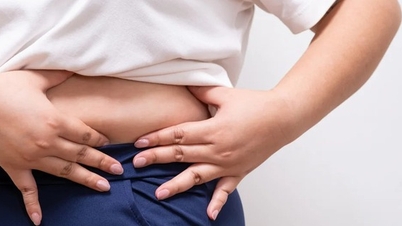
Lose weight, maintain a healthy body mass index, with a waist circumference below 90 cm for men and below 80 cm for women.
Exercise daily
Exercise regularly, at least 30 minutes a day, 5 days a week. If you have cardiovascular or respiratory conditions, you should follow a specialist's exercise regimen to ensure safety. Avoid overexertion, which can worsen your condition.
Reduce the risk factors that can lead to viral hepatitis.
Get vaccinated against hepatitis, avoid unprotected sex with people you don't know, don't share personal hygiene items like toothbrushes and razors, and don't share syringes. Avoid eating undercooked food to prevent viral hepatitis from being transmitted through the digestive tract.
Get regular checkups if you have chronic liver disease.
Patients with chronic hepatitis B and C, alcoholic liver disease, and cirrhosis should have regular check-ups to screen for liver cancer. Early detection and treatment of liver cancer offer better outcomes.
In particular, metabolic syndrome is currently on the rise in developing countries. This is one of the causes of chronic liver disease, known as non-alcoholic fatty liver disease. This condition is common in people with diabetes, hypertension, obesity, overweight, abdominal fat, lipid metabolism disorders, and gout.
Therefore, as a precaution, it is necessary to properly manage underlying cardiovascular conditions and diabetes according to the specialist's prescription.
In addition, follow a diet tailored to each specific condition (reduce salt intake for those with hypertension, limit sugar intake and eat smaller meals for diabetics, limit consumption of animal protein and offal for gout patients).
Adopting a reasonable lifestyle and exercise regimen tailored to each specific medical condition aims to maintain a healthy weight and reduce abdominal fat.
When should you see a doctor?
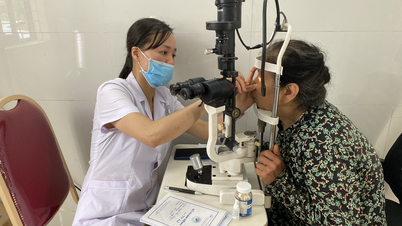
Everyone should see a doctor if they have symptoms of liver disease or suspect they have hepatitis viruses such as B or C. Most people don't show symptoms in the early stages of liver disease. During routine health checkups, doctors can detect early signs of liver damage for prevention and treatment.
Especially in individuals with a family history of chronic liver disease or high risk factors such as alcohol abuse or exposure to liver-damaging chemicals, it is crucial to seek medical attention for timely consultation and treatment.
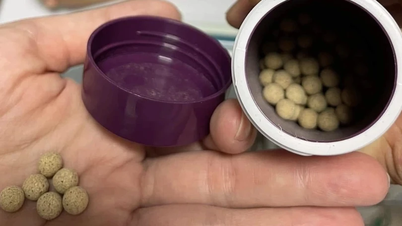
When experiencing symptoms such as jaundice, yellowing of the eyes, dark yellow urine, and fatigue, it is necessary to seek immediate medical attention and proper treatment. Do not self-medicate with unknown or unverified drugs such as traditional medicine, herbal remedies, unapproved herbal products, or dietary supplements without the guidance of a doctor.
Doctor Nguyen Anh Tuan
Department of Hepatobiliary and Pancreatic Treatment, Central Military Hospital 108
Source link





































































































Comment (0)