

Besides genetic factors, some bad habits such as unhealthy eating, drinking alcohol, and lack of exercise increase the risk of developing cancer by 30-50%.
Dr. Tran Vuong Thao Nghi - Head of the Oncology Department, Tam Anh General Hospital, Ho Chi Minh City - points out the following 10 habits that may increase the risk of cancer.
Eating a lot of fast food and canned food.
Dr. Thao Nghi cited research showing that consuming 50g of processed meat daily increases the risk of colorectal cancer by 18%. The higher the amount consumed over time and the longer the duration, the greater the risk. Therefore, people should limit processed foods and fast food; and supplement their diet with green vegetables and fresh fruits...
Consuming too much sugar and artificial sweeteners.
A diet high in sugar or carbohydrates does not directly increase the risk of cancer. However, a diet with excess carbohydrates can lead to overweight, obesity, high blood sugar, high blood pressure, high cholesterol, diabetes, etc. Overweight and obesity are among the factors that increase the risk of cancer.
According to the National Cancer Institute (NIH), some animal studies suggest that the sweeteners saccharin, aspartame, sucralose, and cyclamate may increase the risk of cancer. However, no studies have yet been able to directly prove this.
Drinking too much alcohol
Drinking large amounts of alcohol over a long period can increase the risk of developing cancers such as esophageal, stomach, breast, and liver cancer. Dr. Thao Nghi cited research statistics showing that drinking 14 grams or more of alcohol per day increases the risk of breast cancer by 23%, colon cancer by 17%, and esophageal cancer by 17%.
Smoking
Nicotine and many other chemicals in cigarettes increase the risk of developing various cancers, including lung, pancreatic, esophageal, and bladder cancer.
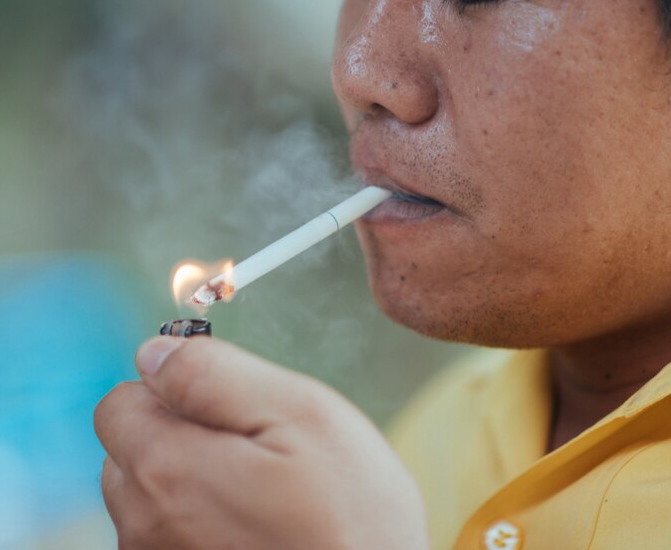
Smoking is one of the risk factors for cancer. Photo: Freepik
Not drinking enough water
Drinking water helps dilute harmful substances in urine and flush them out of the bladder more quickly, limiting the accumulation of toxins that can cause mutations in body cells. Adequate water intake also ensures the body's organs function normally. While there is no clear evidence that drinking enough water reduces the risk of bladder cancer, drinking 2-2.5 liters of water per day may reduce the risk of bladder infections.
Poor oral hygiene
A study by Tufts University (USA) and several other organizations, published in the Journal of the National Cancer Institute in 2018 with over 7,400 participants, showed that people with periodontal disease have a higher risk of lung and colorectal cancer than those without periodontal disease. However, scientists believe more in-depth research is needed to definitively determine this.
Sitting in one place for a long time
The University of Regensburg (Germany) analyzed statistics from 43 observational studies (on 4 million people and more than 68,900 cancer cases) published in the Journal of the National Cancer Institute in 2014. The results showed that for every additional two hours of sitting per day, the risk of colon, endometrial, and lung cancer increased by 8%, 10%, and 6%, respectively. Prolonged sitting may not be a risk factor alone; it could be related to other factors such as consuming sugary foods, canned foods, processed foods, and alcoholic beverages while watching television. More in-depth research is needed to definitively determine this conclusion.
Dr. Thao Nghi advises that office workers should try to stand up, stretch, and move around their desks every two hours to improve blood circulation. They can also combine walking, climbing stairs, using a suitable chair with a backrest, and using a standing desk to limit prolonged sitting.
Prolonged stress
Prolonged stress doesn't directly cause cancer, but it contributes to a range of unhealthy habits such as smoking, poor dietary control, lack of exercise, and alcohol consumption. The combination of prolonged stress and these unhealthy habits can lead to a decline in both physical and mental health. It can also disrupt the body's self-defense mechanisms, impairing its ability to repair cellular damage.

Stress triggers a series of unhealthy habits that increase the risk of cancer. (Image: Freepik)
Stay up late
Staying up late can negatively impact health and disrupt the body's self-regulating mechanisms. A disrupted self-regulatory system can impair the body's ability to repair cellular damage, paving the way for precancerous lesions. Building and maintaining healthy habits for physical and mental well-being, including proper nutrition and daily exercise, contributes to reducing risk factors for cancer.
Lack of exercise, playing sports
Regular exercise can help the body fight against breast, colon, bladder, kidney, lung, and stomach cancers. Doctor Thao Nghi cited statistics from numerous studies showing that the risk of colon cancer is reduced by 27% in people who exercise regularly.
You should aim for at least 3 hours of exercise per week, adjusting the intensity according to your fitness level. For those who frequently work at computers and sit for long periods, exercise is crucial.
Dr. Thao Nghi noted that people with risk factors for cancer should have regular health checkups and cancer screenings for early detection and timely treatment.
Tue Tram
Source link






























































































Comment (0)