

| Increasing the excise tax on tobacco: A look at international experience. Increasing the excise tax on tobacco: A reasonable roadmap is needed to avoid 'stimulating smuggling'. |
Increasing excise taxes, including on tobacco products, must be done according to a roadmap, especially by increasing public awareness campaigns to minimize the negative impacts of the tax increase, thereby ensuring sustainable budget revenue.
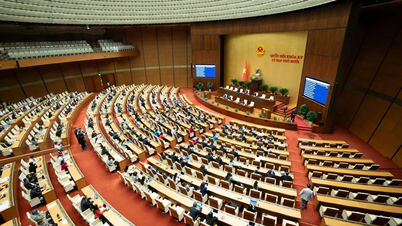
This opinion was expressed by Mr. Hoang Van Cuong, a member of the National Assembly 's Finance and Budget Committee, at a recent seminar on "Considering the roadmap when amending the special consumption tax" broadcast on National Assembly Television.
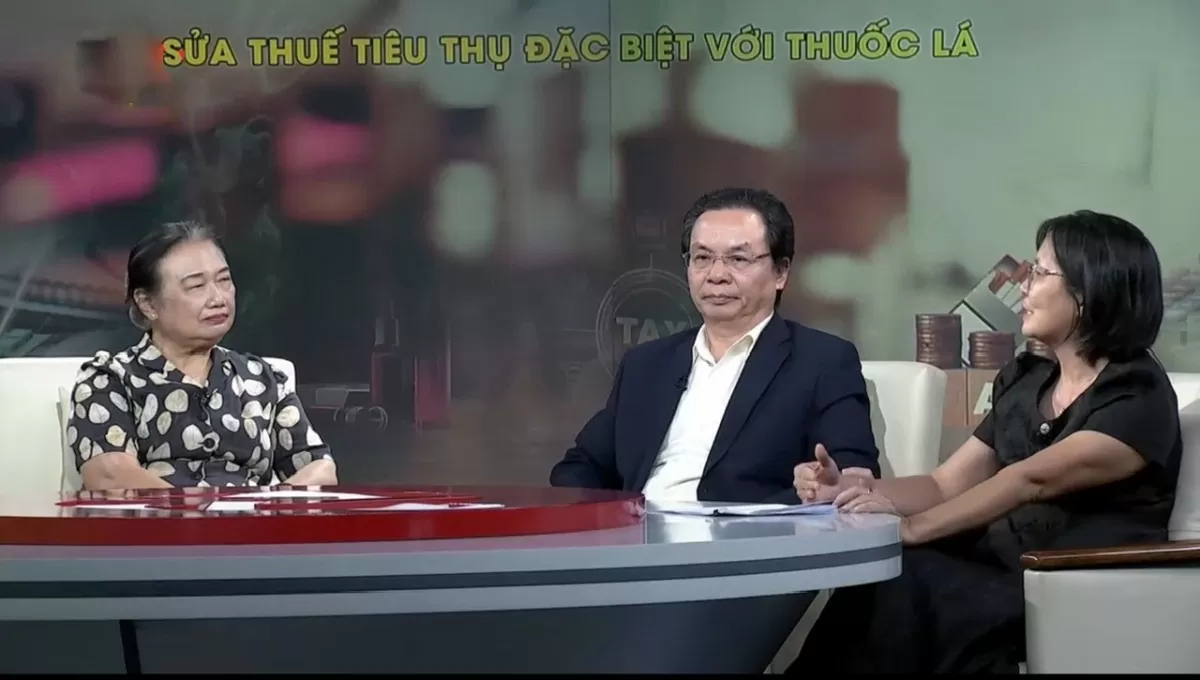 |
| The participants at the seminar all agreed that taxes should not be increased too abruptly to avoid negatively impacting consumers, businesses, and government revenue. |
According to Mr. Cuong, firstly, Vietnam needs to strictly manage tobacco sales channels. If we strictly manage tobacco channels, we cannot easily sell smuggled cigarettes. If consumers cannot easily access smuggled cigarettes, then tobacco consumption behavior will be limited.
"I believe we must use a combination of measures, in which unfavorable access to tobacco will change consumer behavior. I think implementing a series of comprehensive measures to have a holistic impact, thereby achieving the goal of limiting tobacco use, is necessary, rather than focusing on a single tool like increasing taxes," Mr. Cuong emphasized.
Mr. Cuong's opinions, to some extent, are similar to those of other experts. Accordingly, some agree that amending the Special Consumption Tax Law needs to ensure a balance of factors: public health, state budget revenue, business production, social welfare for workers and farmers, and control of smuggled products. Therefore, a suitable increase in the special consumption tax on cigarettes is necessary, with a moderate increase schedule to avoid shocking and negative consequences.
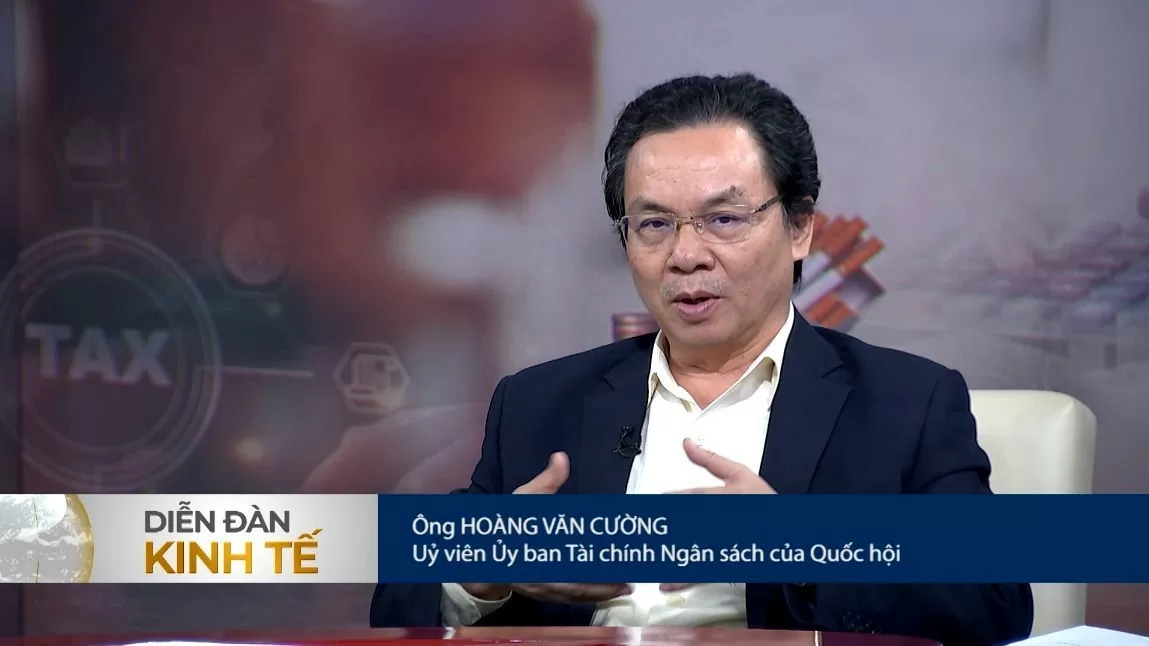 |
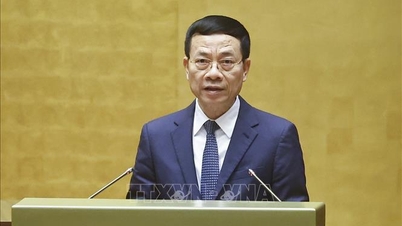
| Mr. Hoang Van Cuong - Member of the Finance and Budget Committee of the National Assembly |
Currently, the draft Law on Special Consumption Tax (amended) proposes two options: maintaining the current tax rate of 75% and adding an absolute tax aimed at increasing the tax by 10,000 VND per pack of cigarettes by 2030.
Consider choosing the most suitable option to create a reasonable roadmap.
Sharing her views on the proposed options at the seminar, Ms. Nguyen Thi Cuc, President of the Vietnam Tax Consulting Association, stated that both options are similar in that the tax will increase to 10,000 VND by 2030 when applying the mixed tax calculation method. “The issue is that such an increase is relatively high compared to the previous roadmap when we adjusted taxes from 2019.” Ms. Cuc also emphasized that when increasing taxes, the impact on raw material sources and production in the tobacco industry must be considered, especially in the post-Covid-19 period, when businesses are still facing many difficulties in ensuring employment for their workers.
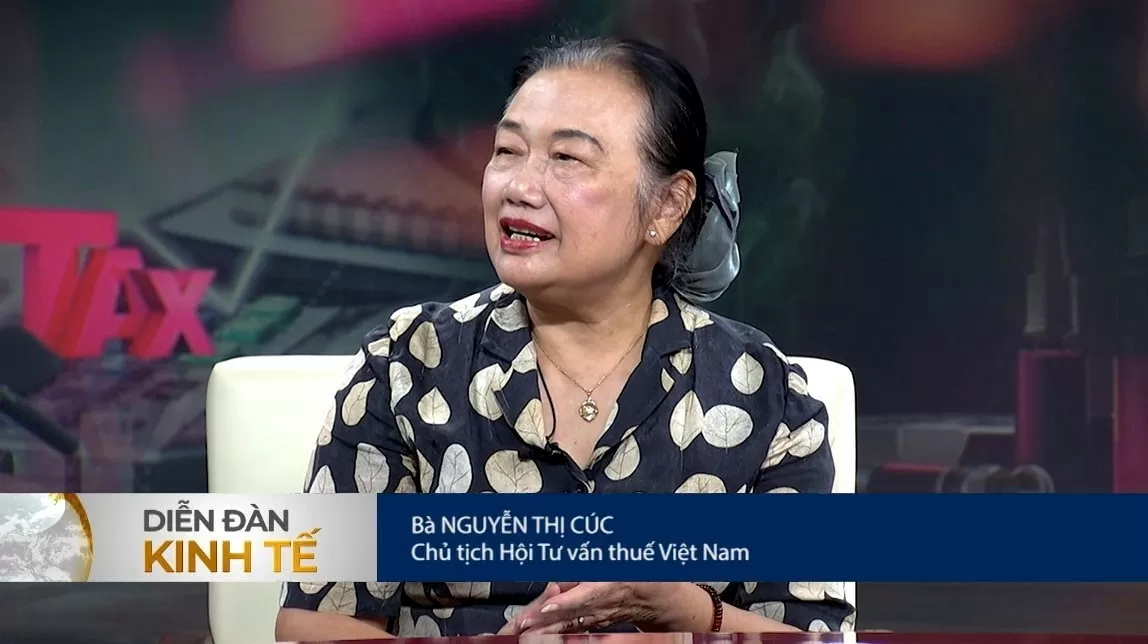 |
| Ms. Nguyen Thi Cuc, President of the Vietnam Tax Consulting Association, emphasized that when increasing taxes, the impact on raw material sources and production in the tobacco industry must be carefully considered. |
When analyzing the two options in the Draft Law on Special Consumption Tax (amended), Ms. Cúc argued that Option 1 is more reasonable than Option 2 because Option 1 (75% + 2,000 VND/bag) has the advantage of increasing steadily every year instead of increasing suddenly like in Option 2 (75% + 5,000 VND/bag). However, both options have an "absolute tax plus 75% relative tax, so the total mixed tax is still high."
Meanwhile, citing the Ministry of Finance 's impact assessment report, Mr. Cuong stated that the tax increase proposed in the two options could lead to an increase in the tax share of the cigarette price. For example, the current tax share of approximately 36% could rise to 59.4% by 2030, an increase of about 23%. Consumers, however, could see their tax share decrease from the current 42.7% to 38% by 2030 (a 4% reduction). Thus, while taxes increase by 23%, consumption only decreases by 4%. Furthermore, forecasts suggest that by 2030, the budget will collect 39,000 billion VND in excise tax, compared to the current 23,000 billion VND. Achieving this figure would represent a significant success for the budget. "Of course, I haven't verified this figure yet. I think it might not be reliable because if consumption decreases by 4%, and the tax share in the price only increases by 23%, how could the total tax increase by more than 1.5 times?" Mr. Cuong stated.
Mr. Cuong added that when considering tax options, it is necessary to always take into account options for shifting production activities so that people can still have a good livelihood and it does not negatively affect the overall stability of socio-economic life. "Only then will our tax reform achieve its goals," he said.
"Farmers who grow tobacco leaves have had contracts with tobacco factories, securing stable output for many years. Now, suddenly switching to a new product without a stable market would be a huge challenge," Ms. Cúc stated.
Therefore, according to Ms. Cúc, it is clear that a long-term plan is needed to stabilize the lives of people in disadvantaged areas, where the entire family's income largely depends on tobacco cultivation, while switching crops is not easy.
Regarding the impact of tobacco tax on budget revenue, Mr. Cuong further shared that excise tax is a tax to regulate consumer behavior, but in principle, tax adjustments must aim to increase revenue. “Of course, increasing budget revenue is not the main goal, but when increasing taxes, that principle must be achieved.” Mr. Cuong emphasized that if tax adjustments lead to a decrease in budget revenue because the tax increase causes a sharp decline in legal consumption, then this issue must be reconsidered, because the goal of increasing budget revenue will not be achieved while the situation of smuggled cigarettes will not be controlled.
Based on the above analysis, the guests at the seminar stated that the Government needs to carefully consider an appropriate increase in excise tax on tobacco, with a moderate increase schedule to avoid causing shocks that could lead to negative consequences for budget revenue, business operations, social welfare of workers and farmers in raw material growing areas…
Therefore, Mr. Cuong and the guests suggested that the tax increase should not be as abrupt as currently proposed, and that there should be a suitable roadmap to allow consumers and businesses time to adapt, avoiding a negative impact on long-term budget revenue.
Source: https://congthuong.vn/dieu-chinh-thue-tieu-thu-dac-biet-thuoc-la-phai-huong-den-tang-thu-ngan-sach-ben-vung-351751.html

























































































Comment (0)