


Combating waste is a difficult "battle" that requires the involvement of the entire political system and society as a whole.
Throughout all stages of the revolution, the Party and State of Vietnam have always paid special attention to the prevention and control of waste, issuing numerous resolutions, directives, and conclusions on this issue and leading the entire political system and the whole population in organizing its implementation, achieving many results. Facing the need to strengthen resources, unleash the people's strength, and lead the country into a new era under the Party's leadership, the prevention and control of waste is now facing new, urgent, and pressing demands and tasks.
Since the start of the reform process, the Central Committee, the Politburo , and the Secretariat of various terms have issued numerous directives, resolutions, and conclusions on preventing and combating waste. On August 21, 2006, the Third Plenum of the Central Committee (10th term) issued Resolution No. 04-NQ/TW on strengthening the Party's leadership in the fight against corruption and waste; on May 25, 2012, the Central Committee (11th term) issued Conclusion No. 21-KL/TW on continuing to implement the Resolution of the Third Plenum of the Central Committee (10th term); and on December 21, 2012, the Secretariat issued Directive No. 21-CT/TW on promoting thrift and combating waste. On December 25, 2023, the Politburo issued Directive 27-CT/TW on strengthening the Party's leadership over the work of practicing thrift and combating waste.
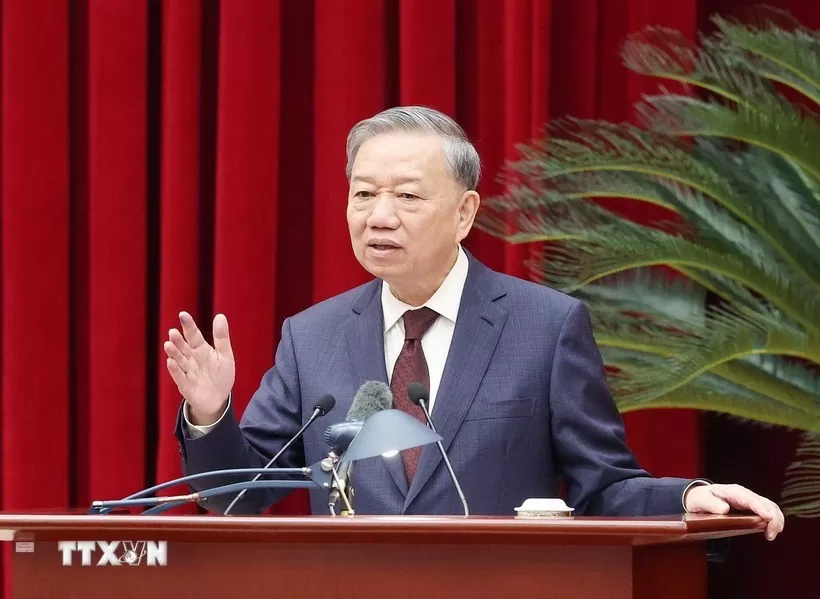 |
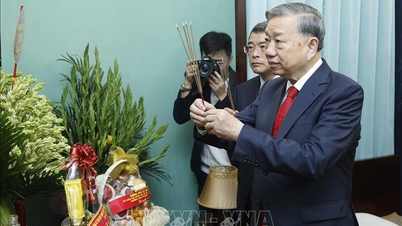
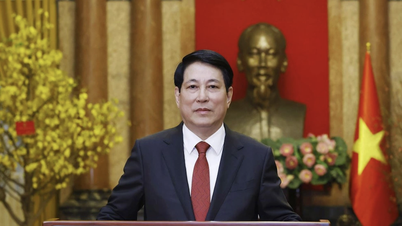
| General Secretary To Lam . Photo: Thong Nhat/TTXVN |
Furthermore, to institutionalize the Party's policies, the Standing Committee of the 10th National Assembly issued the Ordinance on Practicing Thrift and Combating Waste in 1998; the National Assembly passed the Law on Practicing Thrift and Combating Waste in 2005 and 2013; and the 2013 Constitution stipulates that "Agencies, organizations, and individuals must practice thrift, combat waste, and prevent and combat corruption in socio-economic activities and state management."
With the decisive and responsible involvement of the entire political system, the work of practicing thrift and combating waste has achieved positive results, contributing to creating resources for the socio-economic development of the country. However, according to the Government's assessment, the implementation of policies and laws on practicing thrift and combating waste still has shortcomings and limitations: the situation of outstanding debts and delays in issuing detailed regulations has not been thoroughly resolved; the disbursement of public investment capital, the progress of equitization and divestment, and the approval of the State-owned enterprise restructuring plan for the period 2021-2025 are still slow; violations in the management and use of land resources, minerals, and the environment still occur; compliance with the law is not yet strict; in some cases, losses and waste are very large and serious... The above shortcomings and limitations are due to many causes. Besides the fact that some legal regulations, standards, norms, and unit prices are still inadequate and have not kept pace with the requirements of economic and social development, the main reason is the organization and implementation of policies and laws on practicing thrift and combating waste...
The new task is very urgent and pressing.
In his recent article "Combating Waste," General Secretary To Lam stated that throughout all stages of the revolution, the Party and State have always paid special attention to the prevention and combating of waste, issuing numerous resolutions, directives, and conclusions on this issue, and leading the entire political system and the whole population in organizing its implementation, achieving many positive results.
In response to the need to strengthen resources and unleash the people's potential to usher the country into a new era under the leadership of the Party, the fight against waste is facing new, urgent, and pressing demands and tasks.
General Secretary To Lam also clearly outlined the tasks and solutions that need to be implemented in the current new situation regarding the fight against waste in institutional and legal development. Accordingly, the General Secretary stated: “… Transforming the mindset of lawmaking towards ensuring both state management requirements and encouraging creativity, unleashing the full potential of production, and unlocking all resources for development; adopting a flexible management mindset, resolutely abandoning the mindset of prohibiting what cannot be managed… building organizations for law implementation, closely adhering to reality, and standing on the practical ground of Vietnam to develop appropriate legal regulations; learning from experience as we go, avoiding haste but also not striving for perfection to avoid missing opportunities; placing the people and businesses at the center and as the main subjects. Regularly evaluating the effectiveness and quality of policies after promulgation to promptly adjust inadequacies and contradictions, reducing losses and waste of resources, and proactively identifying and resolving bottlenecks stemming from legal regulations as quickly as possible .”
Furthermore, General Secretary To Lam also quoted President Ho Chi Minh's advice during his lifetime: Corruption, waste, and bureaucracy are a kind of "enemy within." If soldiers and the people strive to fight foreign invaders but forget to fight internal enemies, they have not fulfilled their duty. Therefore, soldiers and the people must enthusiastically participate in that movement.
During a group discussion at the 8th session of the 15th National Assembly on October 26th, regarding the issue of wastefulness, General Secretary To Lam emphasized: "The problem of wastefulness is visible, but when people ask, it cannot be answered. People ask, 'This land is so valuable, how much is it worth, but why is it left idle like that, with grass growing on it for decades?' Who is responsible?! The State, the enterprises, or whoever was granted the land must be responsible. Why isn't it being used, and if it's not being used, it must be reclaimed. If there are obstacles in the process, then those obstacles must be removed; it cannot be left like this..."
" For example, there are two hospitals in Ha Nam province. People don't have access to hospitals for medical treatment. The State spent money to build them, but they haven't been put into use for decades. If they were privately owned, they would have recovered their investment and been reimbursed. But the State still leaves them unused, and no one takes responsibility? That's a waste! How can we allow that to happen? " - General Secretary To Lam stated.
At the same time, referring to the flood control project in Ho Chi Minh City with a total investment of 10,000 billion VND, General Secretary To Lam said that after two terms, local people are still suffering from flooding, while state money is being spent. According to General Secretary To Lam, if these projects were privately funded, they would have already been put into operation and completed the capital recovery. Many projects in localities assigned to businesses for implementation are stalled due to obstacles. Therefore, the General Secretary requested coordination among all levels and sectors to resolve these issues and implement them immediately.
Government ministries and local authorities are resolutely fighting against waste.
Imbued with the teachings of President Ho Chi Minh, under the leadership of the Party, and especially the clear messages of General Secretary To Lam on combating waste, which serve as a "call to arms," the fight against waste is facing new, urgent demands and tasks. Each sector and locality, within its scope of management, must uphold a proactive and decisive spirit. More than ever, this message needs to be implemented decisively to create a strong ripple effect throughout society.
Recently, Prime Minister Pham Minh Chinh signed Official Dispatch No. 125/CĐ-TTg dated December 1, 2024, requesting ministries, sectors, and localities to strengthen the practice of saving and combating waste.
The official dispatch stated: In 2024, despite facing many difficulties and challenges, the Government, ministries, sectors, and localities have resolutely and effectively implemented the provisions of the Law on Practicing Thrift and Combating Waste, the Resolutions of the National Assembly and the Government, and the tasks and solutions set out in the Government's overall program on practicing thrift and combating waste; the work of practicing thrift and combating waste has seen many changes and achieved important and positive results in various fields, contributing to the successful achievement of socio-economic development goals and targets, finance, budget, mobilization, management and effective use of human resources, material resources, financial resources, ensuring national defense, security, foreign affairs, social security, and social welfare of the country; the awareness and responsibility of ministries, sectors, and localities regarding practicing thrift and combating waste have been raised.
For the Ministry of Industry and Trade, Directive 11/CT-BCT, signed by Minister Nguyen Hong Dien on November 8, 2024, emphasizes directing Deputy Ministers, according to their assigned areas of responsibility, to seriously and effectively implement General Secretary To Lam's directives on combating waste; to effectively implement Government resolutions and Prime Minister's directives on the efficient use of resources, to quickly implement projects, and to prevent losses and waste, especially for stalled or suspended projects, the headquarters of agencies and units under the Ministry, investment projects in production and business at state-owned corporations and enterprises under the Ministry; and student dormitories of universities, colleges, and training institutions under the Ministry.
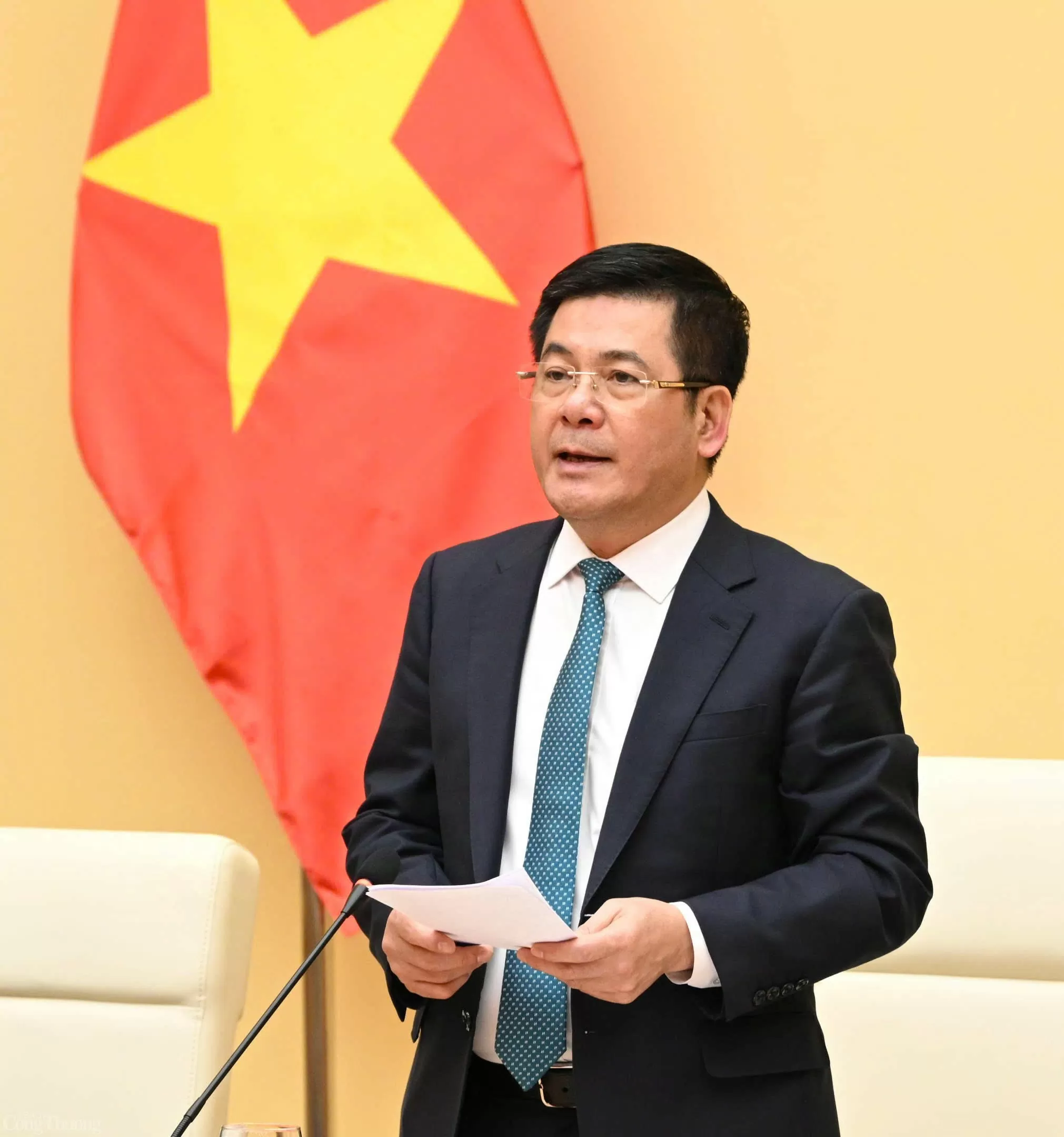 |
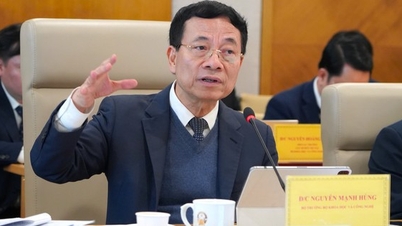
| Minister of Industry and Trade Nguyen Hong Dien. Photo: Can Dung |
At the same time, regularly monitor and direct the assigned functional units in charge of implementation; closely follow the grassroots level, strengthen cooperation with ministries, sectors, localities, businesses, and relevant units to focus on resolving outstanding issues and promptly completing and putting into use projects and works that are stalled or have been suspended for a long time, as well as the headquarters and offices of agencies and units under the Ministry. Ensure the comprehensive completion of all assigned tasks; be fully responsible to the Minister for the results of implementation.
Furthermore, to encourage a spirit of "dare to think, dare to act," in the aforementioned directive, Minister Nguyen Hong Dien also noted in detail the need to clearly define responsibilities, work content, progress, completion time, and implementing agencies to serve as a basis for urging, inspecting, monitoring, and evaluating.
For matters within their authority, they must proactively find solutions to immediately and definitively resolve any obstacles and issues. For matters exceeding their authority, they must promptly review and report clearly on the problematic issues and regulations, propose solutions, and assign the responsible agency to resolve them and the competent authority to make a decision.
At the same time, timely action is needed, or reporting to competent authorities, regarding matters exceeding their authority concerning the handling of individual and organizational responsibilities for prolonged delays in projects and construction works; replacing or transferring to other jobs those officials and civil servants who are incompetent, hesitant, evasive, shirk responsibility, work half-heartedly, are afraid of responsibility, cause delays, and fail to meet the requirements of their assigned tasks in resolving issues related to project and construction delays, resulting in wasted resources.
Furthermore, implementing the guiding principles outlined in the Party's Resolutions and the directives of General Secretary To Lam on combating waste and removing bottlenecks in institutional and legal development – the bottleneck of bottlenecks – during the period from January 1, 2021 to September 1, 2024, the Ministry of Industry and Trade spearheaded the development, submission to competent authorities, and promulgation within its authority of 156 documents, including 5 Laws (the Oil and Gas Law, the Law on Consumer Rights Protection, the Electricity Law, the Chemical Law, and a proposal to develop a Law on Economical and Efficient Energy Use), 20 Government Decrees, 4 Prime Minister's Decisions, and 128 Circulars. Particularly in 2024, the work of building and perfecting institutions in the industry and trade sector was implemented with unprecedented intensity, with a series of major, breakthrough mechanisms and policies reflecting the strategic, long-term vision of the Party, State, and Government.
Thus, it is clear that combating waste is an important task requiring the collective efforts of the entire society. Successfully implementing this policy not only brings economic benefits but also contributes to building a civilized and sustainably developed society. We need to have a correct understanding and take practical actions to save from the smallest things in daily life, thereby creating immense strength for the country's development.
Following the directives of General Secretary To Lam on immediately implementing key and breakthrough tasks in preventing and combating waste, creating a widespread impact throughout society; focusing on extensive propaganda to raise awareness and responsibility among cadres, Party members, and workers regarding the fight against waste; and the Central Propaganda Department's Official Letter No. 168-HD/BTGTW dated September 23, 2024, aimed at strengthening propaganda and spreading positive information about the decisive direction and implementation of waste prevention and control, and removing bottlenecks in mechanisms and policies; and following the direction of the Minister of Industry and Trade, on December 23, 2024, the Ministry of Industry and Trade will organize the Forum "Ministry of Industry and Trade: Combating Waste, Unlocking Development Resources". The forum will have two sessions. Session 1: "Marxism-Leninism, Ho Chi Minh Thought, and the General Secretary's Message on Combating Waste." Session 2: "The Industry and Trade Sector Combating Waste and Removing Bottlenecks for Breakthroughs in the New Era," focusing on exchanging and discussing the identification of waste, sharing practical experiences, both domestic and international, on waste prevention and control; and proposing solutions to combat waste and unlock resources. |
Source: https://congthuong.vn/chong-lang-phi-yeu-cau-cap-bach-de-phat-trien-kinh-te-365609.html
















































































Comment (0)