


At 3 PM, the bus traveling from Ho Chi Minh City to Phnom Penh, Cambodia, announced in a few minutes that it would stop to drop off passengers at the "Saigon Bridge" area. More than half of the passengers immediately prepared their belongings to disembark.
Vietnamese spirit in Cambodia
Anh Tú, a bus driver, said that the bridge is called Chba Om Pau, but Cambodians and people of Vietnamese origin commonly refer to it as the "Saigon Bridge." It's believed that to get to Vietnam, one must cross this bridge, and furthermore, it's home to a large Vietnamese community. According to Anh Tú, almost everyone within a 5km radius of the bridge is of Vietnamese descent.
If a tourist were to film this place without notifying that they are in Cambodia, many people would surely mistake it for a market in Vietnam. Turning left from Monivong Avenue, both sides of the road are lined with dozens of eateries displaying signs like "Northern-style pho," "crab noodle soup," "Western-style fish sauce noodle soup," etc. Further inside, you'll find many cafes and karaoke bars playing lively spring-themed songs.
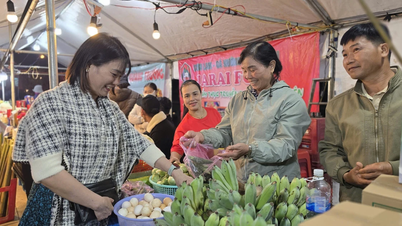
The people here are mainly engaged in trading. Therefore, the Cambodian government cleared an area of over 8 hectares to open a market and a night food street. On weekends, many Cambodians take tuk-tuks to enjoy Vietnamese food.
Ms. Tran Thi Hong's (32 years old) Cambodian snack shop is said to be the most famous in this food area. Dishes like mixed rice paper salad, grilled bread with chili and salt, fried squid with fish sauce... once caused Cambodian youths to line up to buy them.
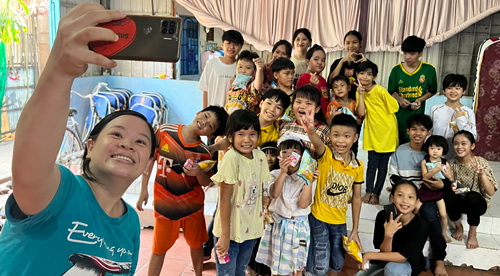
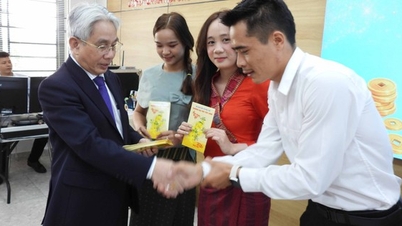
Ms. Ly Thi Thao with Vietnamese-American students at Anh Sang School
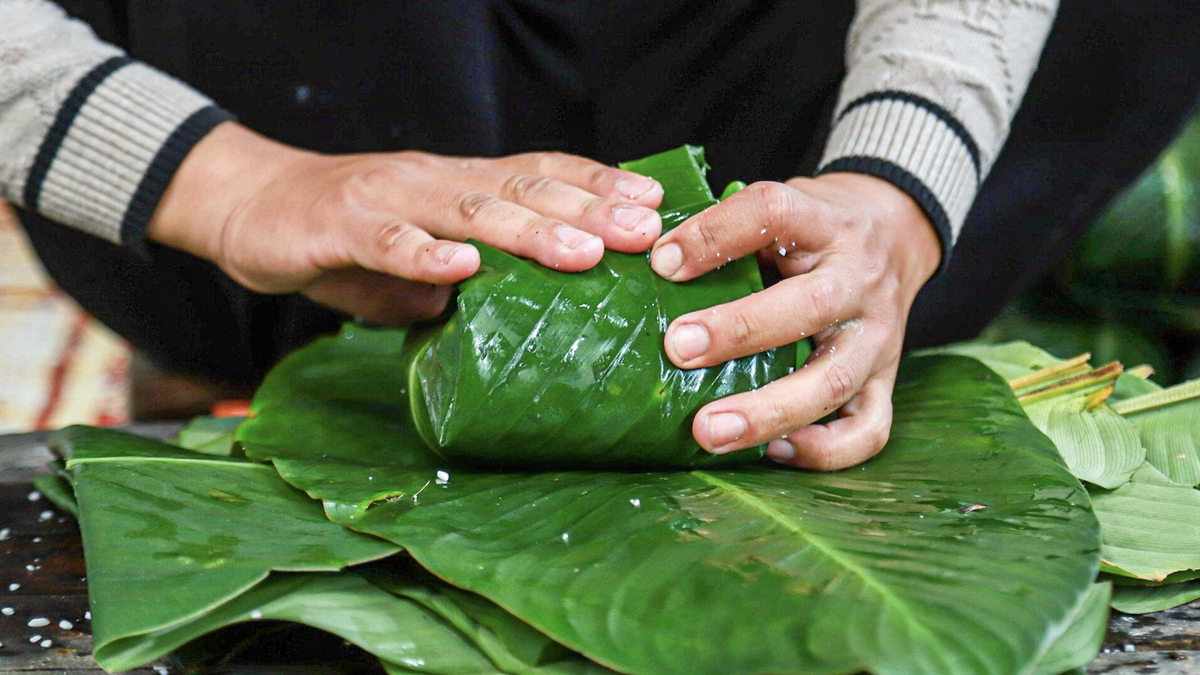
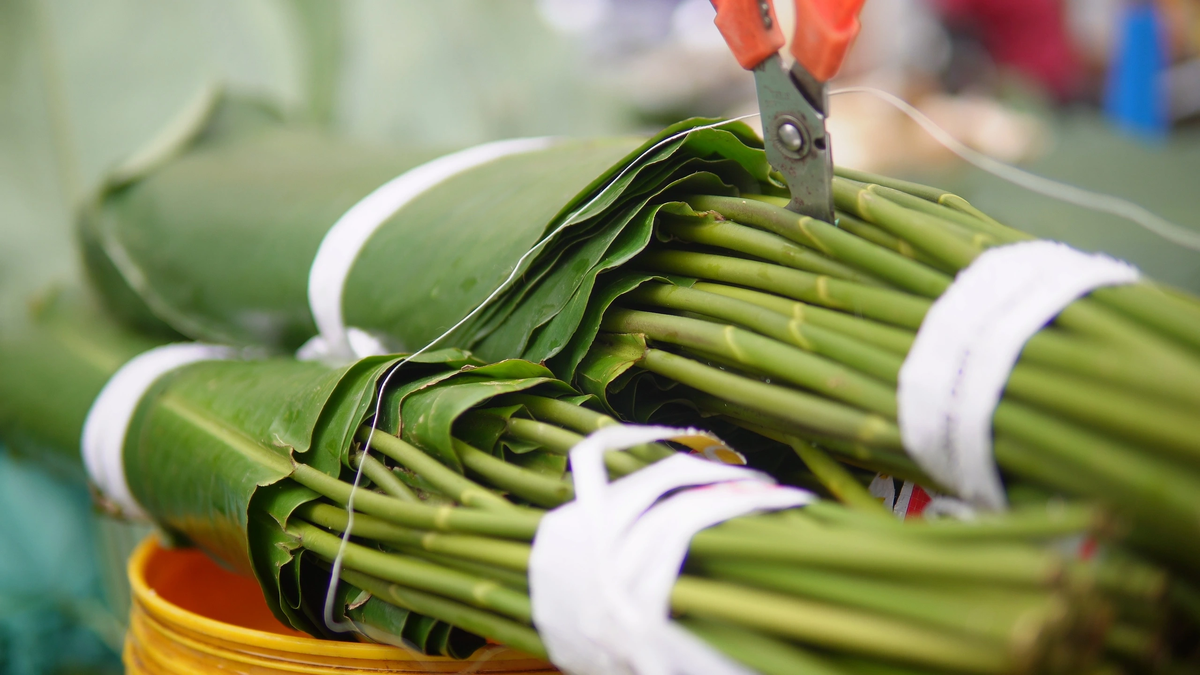
Ms. Hong recounted: "My parents are Vietnamese, and I was born in Cambodia. Having lived with Vietnamese people since childhood, I speak pure Vietnamese. Now, if you ask me where I'm from, I can only answer somewhere in District 10, Ho Chi Minh City." Despite living in Cambodia for many years, Ms. Hong still cherishes Vietnamese customs and traditions, from daily life to everyday meals. For example, rice must be served with fish sauce, and ancestral commemoration ceremonies must include sticky rice wrapped in thorny leaves.
According to Ms. Hong, two different worlds exist in the "Saigon Bridge" neighborhood. People of Vietnamese origin with average incomes rent storefronts to do business. These are people who lived here before 2000; when their economic situation stabilized, they moved to the center of Phnom Penh.
The rest are poor families who used to live on the river, later moved inland to start a new life, but were illiterate or lacked capital, so they had to settle deep inland.
My life has changed.
From the main road, there are more than a dozen small alleys branching off in all directions, leading to houses made of plywood and old corrugated iron walls. We stopped at the house of Ms. Ly Thi Kieu (39 years old).
Previously, her entire family lived on the Mekong River, making a living by fishing. Due to dwindling fish stocks, they moved inland, renting land here for 180,000 riel per year (approximately 1 million VND) and making a living by selling scrap metal.
"Collecting scrap metal is tough, but it's manageable. I heard people come and go constantly in this neighborhood. Initially, when they lack capital, they rent land to build temporary houses, sell goods for a few years, then move to the front of the 'Saigon Bridge,' and when they become more prosperous, they move to the city to live," Ms. Kieu said hopefully.
Many first-generation and second-generation Vietnamese immigrants (those aged 30 and above) here are still illiterate. However, the children of the third generation receive a full education. In this small area alone, there are eight schools for Vietnamese children.

Many people of Vietnamese origin live around the Chba Om Pau bridge, so many call it the "Saigon bridge".
Most notably, there's the School of Light, opened by two Vietnamese teachers. Ms. Ly Thi Thao shared that the purpose of opening the school is to help children aged 4-12 learn to read and write. Most of them come from poor families, and each child brings 1,000 riel (over 5,500 VND) to pay tuition fees, paying daily upon attending school.
This money is only enough to help the two teachers pay for electricity and water; their teaching is almost free. "We must send these children to school at all costs to change their lives. The previous generation had difficult lives because of a lack of literacy," Ms. Thao confided.
Ms. Tran Thi Hong herself has two children, both of whom attend a Vietnamese school located more than 2 km from her home. There, the teachers and students are Vietnamese, and the curriculum follows Cambodian textbooks. The children are fluent in both languages simultaneously.
From the "Saigon Bridge" neighborhood, there are quite a few successful children of Vietnamese descent. Cambodian people whisper among themselves that there are several very skilled Vietnamese doctors in this neighborhood. If there's a difficult birth, they rush to Dr. Thanh's maternity clinic located right to the right of the bridge; if someone has a stomach ache or a cold, they seek out Dr. Minh in the market hall...
Local authorities facilitated the process.
Mr. Sim Chy, President of the Khmer-Vietnamese Association in Cambodia, said that the Chba Om Pau bridge area is home to thousands of people of Vietnamese origin, whose lives were previously difficult because they lacked citizenship and identification documents.
Over the years, the Cambodian government has encouraged people of Vietnamese origin living on the river to relocate and settle on land. The association, in collaboration with the Cambodian authorities, has assisted with naturalization, as well as issuing alien registration certificates and permanent residency cards for foreigners who have immigrated. Mr. Sim Chy shared: "Every year, we award scholarships to academically gifted children of Vietnamese origin. During major holidays in Vietnam and Cambodia, we often organize gift-giving events. Now, the quality of life has improved significantly."
Residents of the "Saigon Bridge" neighborhood recount that occasionally, trucks carrying rice and spices would park right in their poor neighborhood on the riverbank. People would flock there to receive their share. They implicitly understood that the person bringing the gifts was someone of Vietnamese origin who had once lived there.
Source






















































Comment (0)