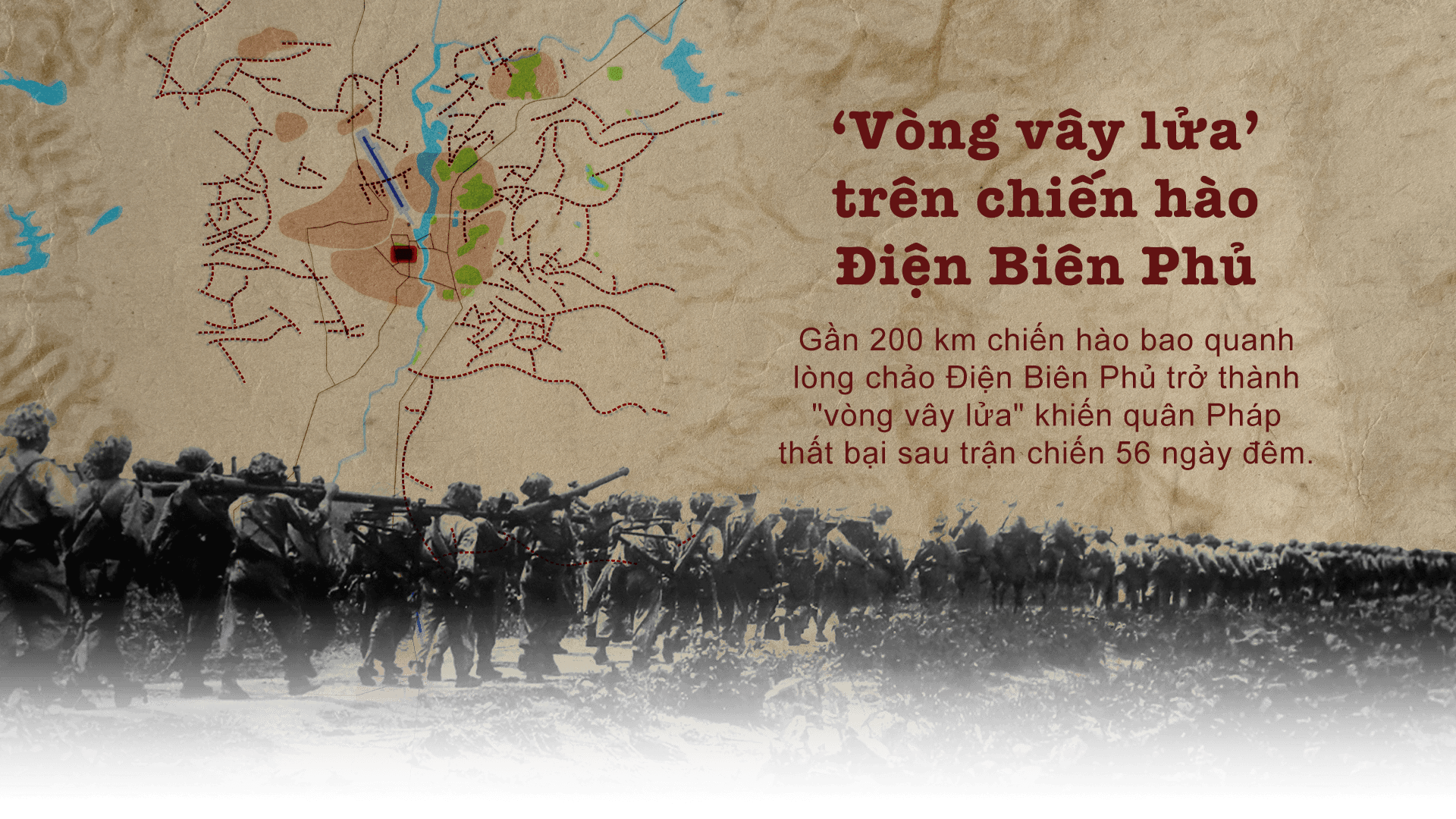
 " Dien Bien Phu is an impregnable complex of strongholds; don't listen to General Giap and attack it. If you attack, you won't be able to return to your parents."
 The loudspeakers from the French expeditionary army's Him Lam stronghold echoed day and night through the Muong Thanh mountains, repeating themselves over and over. But the soldiers of the 312th Division surrounding the French base remained unshaken. "We didn't pay attention because our fighting spirit was high; everyone was waiting for the signal to fire," said veteran Nguyen Huu Chap, of the 209th Regiment, 312th Division, recounting the days of "digging tunnels in the mountains, sleeping in bunkers, enduring torrential rain, and eating dried rice" in the trenches of Dien Bien Phu. Marching from midnight to dawn, holding out all day long in trenches deeper than their heads and only as wide as an arm, no one wavered; they patiently awaited the order to attack. All the soldiers were ready for a long battle, "fighting surely, advancing surely." "This is a battle that cannot be lost," General Vo Nguyen Giap recounted in his memoir
, Dien Bien Phu - A Historical Rendezvous . At that time, the French invasion of Indochina (Laos, Cambodia, and Vietnam) had entered its ninth year. Both sides were locked in a stalemate, with neither side gaining the upper hand. France was increasingly exhausted both in terms of personnel and resources – suffering over 320,000 casualties and spending 3 trillion francs. The ruling class sought an "honorable way out" to end the war. The responsibility of creating this turning point was entrusted to Henri Navarre (Nava), Commander-in-Chief of the 7th Indochina Expeditionary Army. A battle plan bearing his name was drawn up by the new commander, with aid from the American allies. Nava aimed to build a mobile force superior to the enemy within 18 months, turning the tide and securing victory. Simultaneously, the 1953-1954 Winter-Spring Battle Plan was approved by the Vietnamese
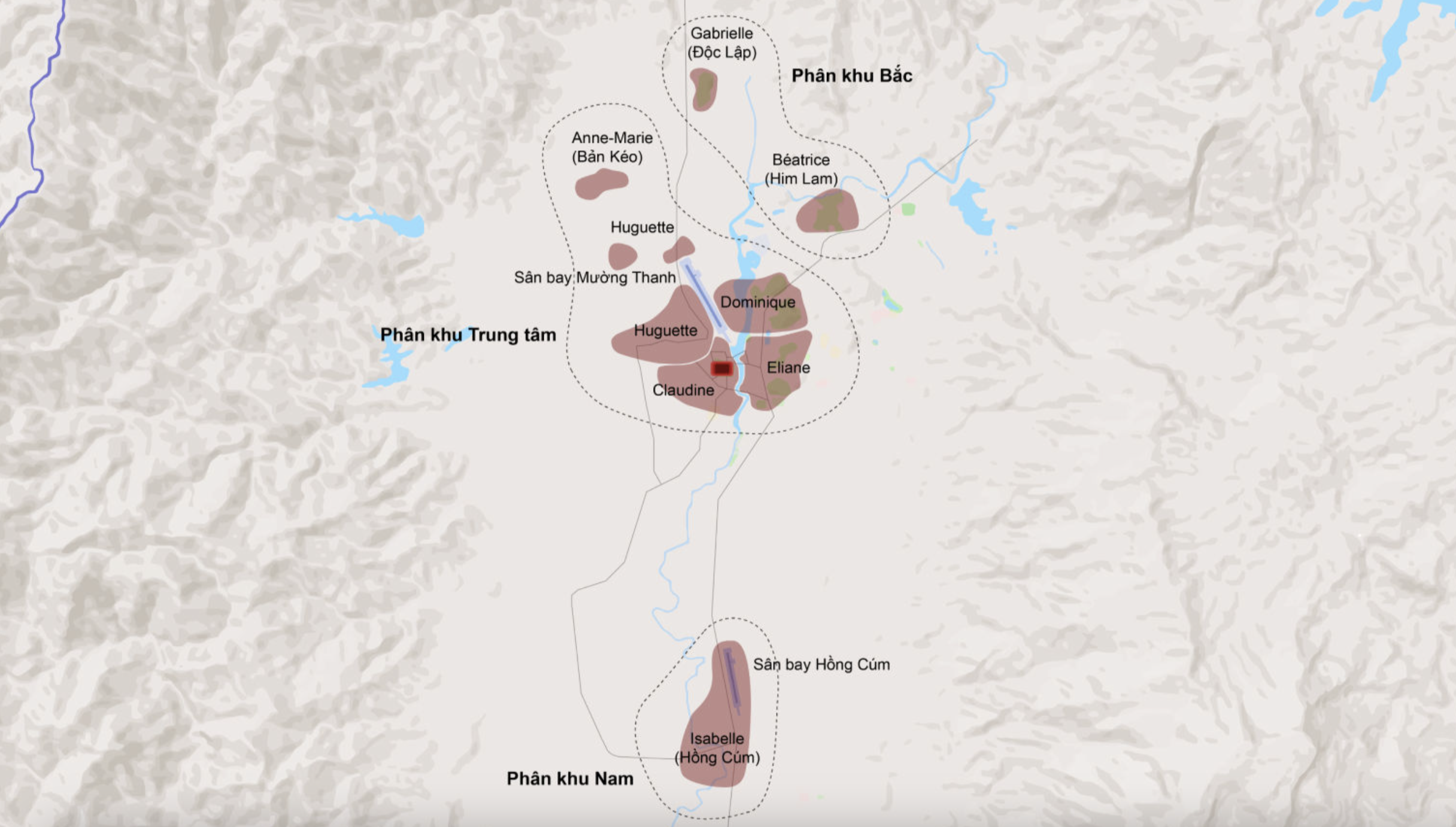
Politburo , identifying the Northwest as the main operational direction. In mid-November 1953, the main force set out for the front. The Vietnamese army's military maneuvers made it impossible for the enemy to remain inactive. Nava decided to mobilize a large force and establish the strongest fortified complex in Indochina. Dien Bien Phu, located in the western mountainous region of Northwest Vietnam, near the Vietnam-Laos border, was chosen. Nava assessed that this base would be a "hedgehog" blocking the main Viet Minh forces, helping France maintain its position in Northwest Vietnam, and simultaneously serving as the "key to protecting Upper Laos." France believed that Dien Bien Phu was a "gamble" that would decide the fate of the war.

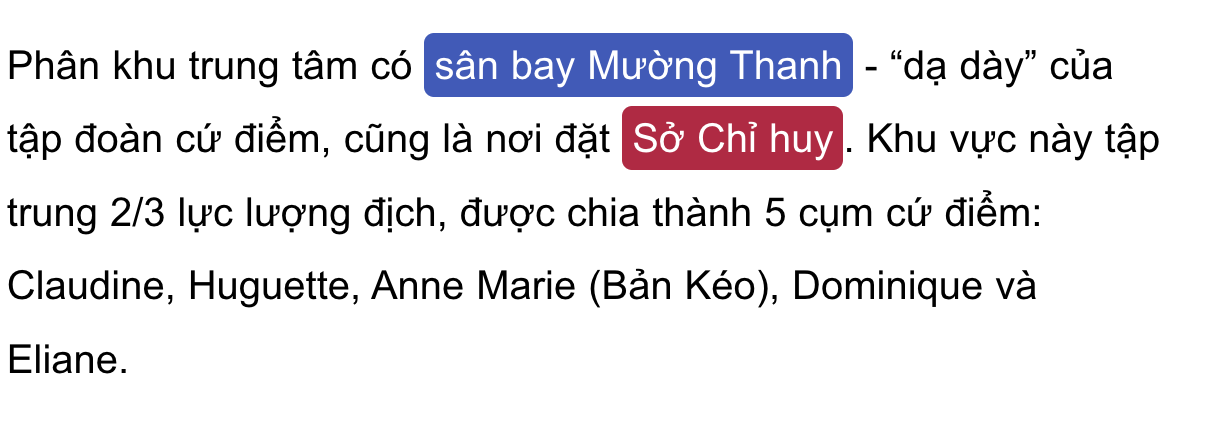
On November 20, 1953, the French paratroopers recaptured Dien Bien Phu. Colonel De Castries was assigned to command the Northwest Operational Group, under General Navarre. This marked the beginning of a large-scale French offensive, transforming the Dien Bien Phu air and infantry base into an "impregnable fortified complex." Dien Bien Phu was a valley 18 km long and 6-8 km wide, surrounded by hills, mountains, and dense forests. French generals assessed that its remoteness from the plains would hinder the Viet Minh's supply lines, making it impossible to transport large quantities of heavy weapons up the high, rugged mountains. Meanwhile, the French expeditionary forces could easily provide air support from nearby airfields such as Muong Thanh and Hong Cum, or from further afield like Gia Lam and Cat Bi... "The
military conditions for victory were all met," the Commander-in-Chief of Indochina confidently declared to his soldiers when the fortified complex was first established.
Map of the French impregnable fortified complex.
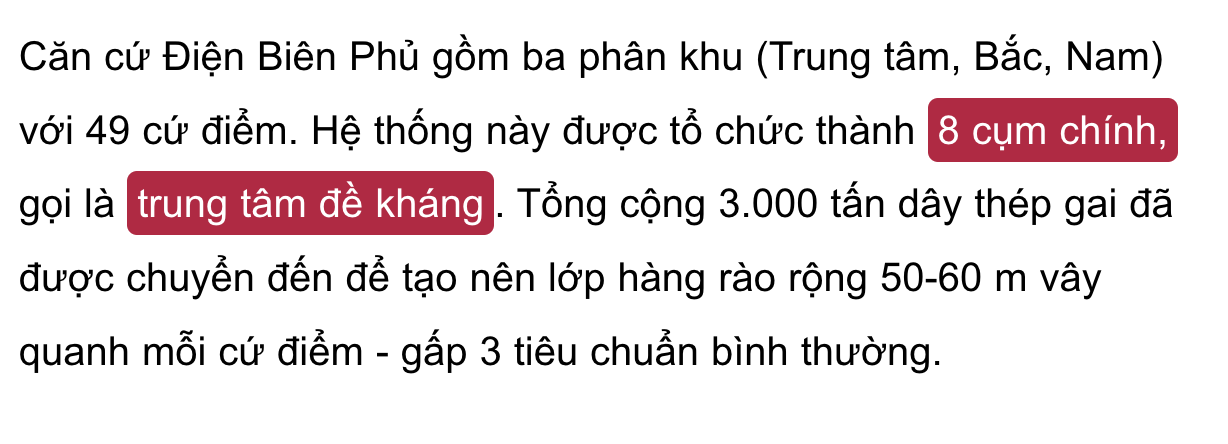
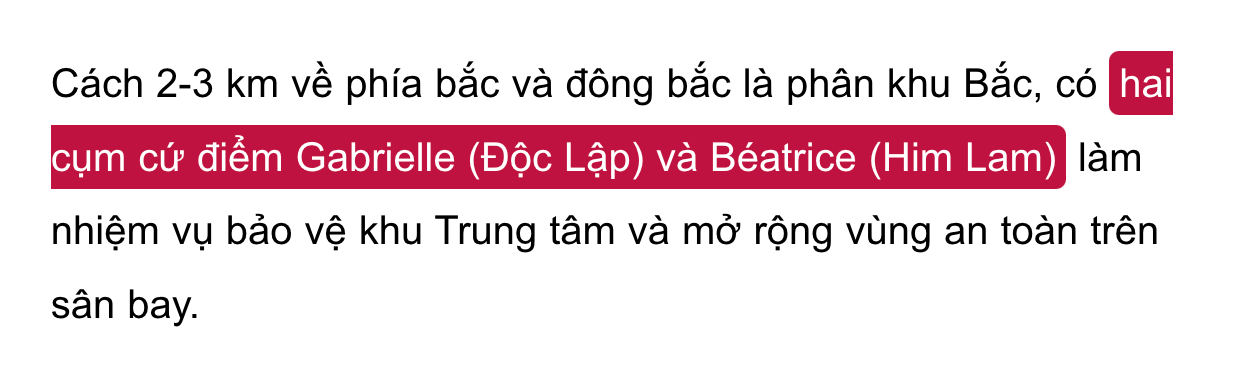
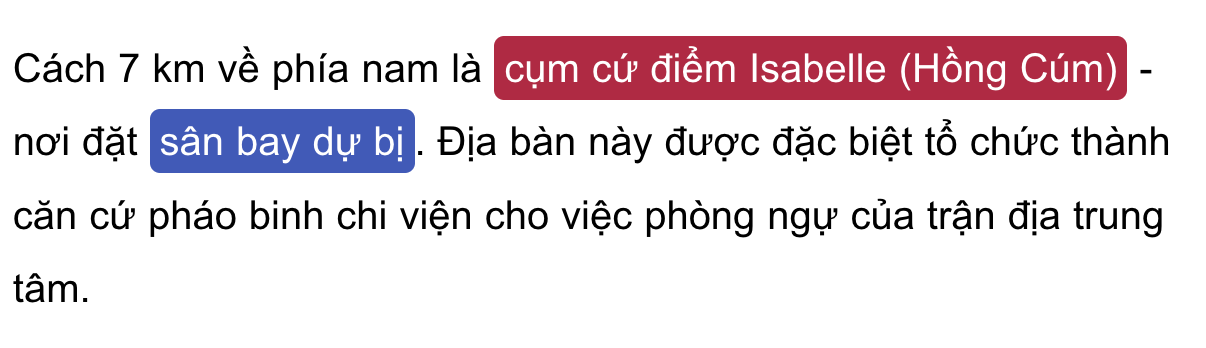
In response to the French attack, in December 1953, the Politburo decided to choose Dien Bien Phu as the strategic battleground in the 1953-1954 Winter-Spring Plan. The commander of the campaign was General Vo Nguyen Giap. The initial plan was for the Viet Minh army to "attack quickly, win quickly" in two days and three nights, taking advantage of the fact that the French had not yet completed their fortifications. However, after analyzing the balance of forces and the capabilities of the Viet Minh army at that time, General Vo Nguyen Giap assessed that victory was not guaranteed – a task assigned by President
Ho Chi Minh before the battle. At the Party Committee meeting on January 26, 1954, General Giap made "the most difficult decision of his commanding career": to postpone the attack. The battle plan was changed to "attack surely, advance surely." The troops withdrew to their assembly points, pulled out the artillery, and prepared again according to the new fighting method.
Balance of power
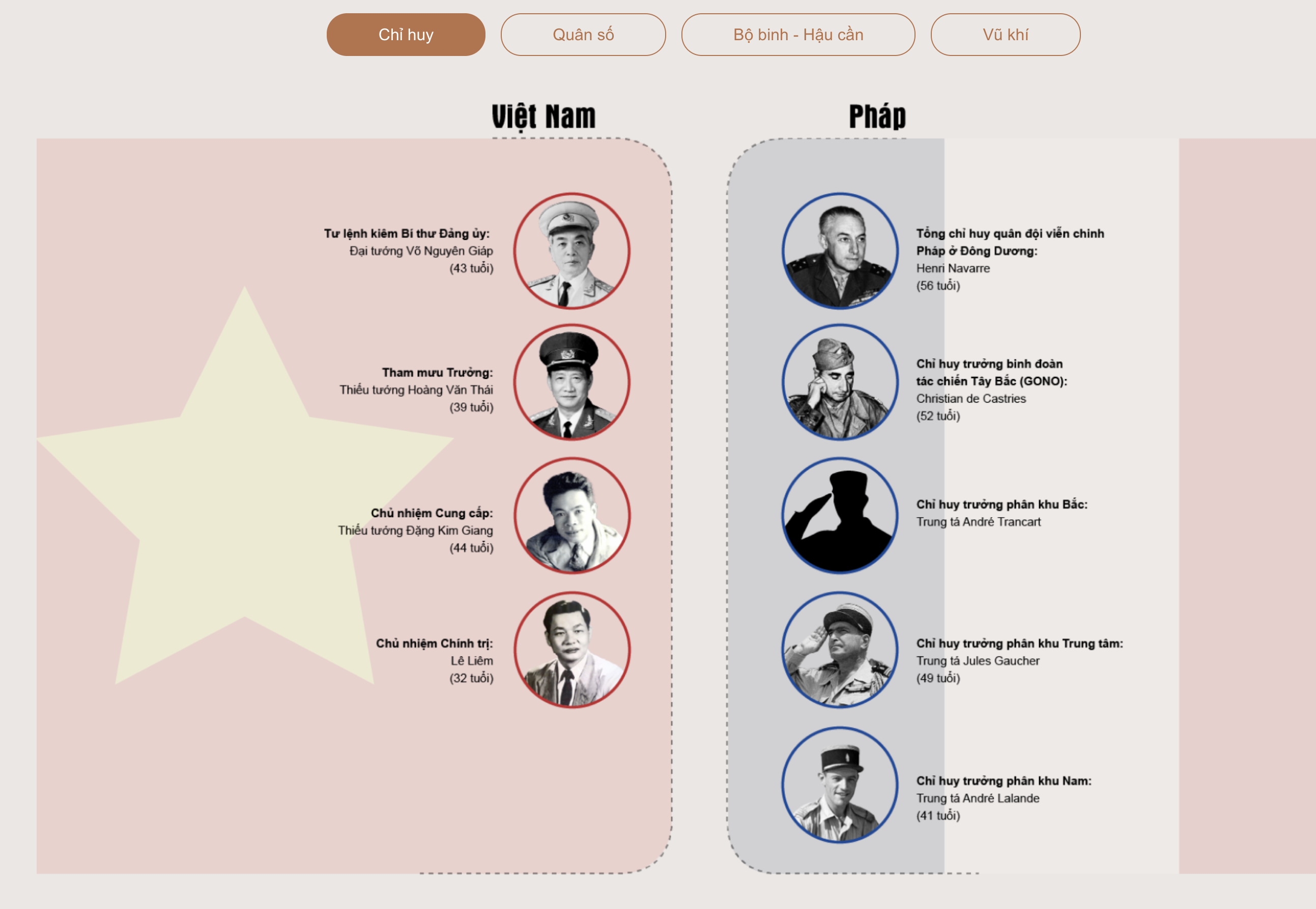
"We were still in a weak position fighting against a strong one," General Vo Nguyen Giap assessed the balance of forces before the offensive. Normally, the attacking infantry force should be five times larger than the defensive force, but the Viet Minh had not yet achieved this ratio. Regarding artillery, Vietnam had more gun emplacements than France, but its ammunition reserves were very limited. Furthermore, Vietnam had absolutely no tanks or aircraft. The secret weapon in this battle was the 37 mm anti-aircraft gun – supplied by China and the Soviet Union – appearing for the first time, but only one regiment was used to counter the entire French air force. Following the motto "attack surely, advance surely," the Viet Minh's tactics were to attack from the outside, encircling and approaching the enemy. General Giap outlined three steps: first, bring the artillery into position; then, build a system of trenches to gradually strangle the French expeditionary forces, "cutting off" their supply lines from the airfields; finally, a general offensive to annihilate the enemy. In this new battle plan, the trench system was decisive. On the one hand, the network of trenches helped limit casualties from French artillery and air power; on the other hand, it was the most effective way to approach enemy strongholds. It served as both a battle line and a shield for the Viet Minh to hide and defend. The campaign was divided into three phases: phase 1, attacking the northern strongholds and opening a path into the heart of the French army; phase 2, striking at the central command; and phase 3, completely destroying the Dien Bien Phu stronghold. March 13, 1954, was chosen as the day of the offensive. At that very moment, the four major powers—the Soviet Union, the United States, Great Britain, and France—agreed to hold an international conference in Geneva to discuss restoring peace in Indochina, scheduled for the end of April 1954. A major victory would be advantageous in the negotiations. France did not want to sit at the negotiating table empty-handed. For Vietnam, this was a battle they "could not afford to lose."

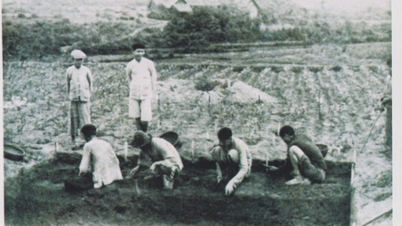
Vietnam's first objective was to destroy the northern strongholds of Him Lam, Doc Lap, and Ban Keo to break through the French defenses and open an attack on the Dien Bien Phu "hedgehog" position. Him Lam was the first target. The Him Lam fortress, situated on three hills, was defended by 750 French soldiers. Besides the "fire net" of modern weapons, the trenches there were constructed by the enemy in a ring-shaped structure, with multiple layers of interspersed bunkers. The outer ring had 4-6 rows of barbed wire fences, combined with a minefield 100-200 meters wide. To approach and break through the French encirclement, the Viet Minh's first task was to construct a system of fortifications. Initially, this task was carried out at night, camouflaging each section as it went. As soon as darkness fell, the soldiers advanced from their encampments to the fields, shovels and picks in hand, diligently digging fortifications. There were two types of trenches, both about 1.7 meters deep: main trenches for artillery maneuvers, transporting wounded soldiers, and deploying large forces – 1.2 meters wide; and infantry trenches for approaching the enemy – 0.5 meters wide. When the trenches stretched for tens of kilometers into the fields, the Viet Minh could no longer conceal themselves from the enemy. The French frantically bombarded the area day and night with artillery and air power, while simultaneously deploying troops to nearby positions to fill in the trenches and lay mines to prevent further digging. Both sides began a fierce struggle for every meter of trench, each inch of land being paid for with blood. Along with establishing trench positions, the two crucial tasks were bringing artillery into the battlefield and logistical support. Human and material resources in the rear were mobilized to the maximum, with the spirit of "All for the front." Hundreds of kilometers of mountain roads were repaired and newly constructed using only shovels, hoes, and a small amount of explosives. The Tuan Giao - Dien Bien Phu road, over 80 km long and originally used for pack horses, was rapidly widened in 20 days to allow artillery to be towed to its assembly point. Throughout that time, French planes relentlessly bombed the roads and shelled the civilian laborers, but they could not cut off the Viet Minh's supply lines. After nearly two months of preparation, ammunition and rice in the warehouses were sufficient for the first phase. The artillery was positioned for the assault. The trenches were thrust directly into the French stronghold. Everything was ready for the decisive battle. At 5:05 PM on March 13, 1954, General Vo Nguyen Giap contacted the Artillery Command. The order to attack was given. 40 cannons simultaneously opened fire. The Dien Bien Phu campaign officially began.
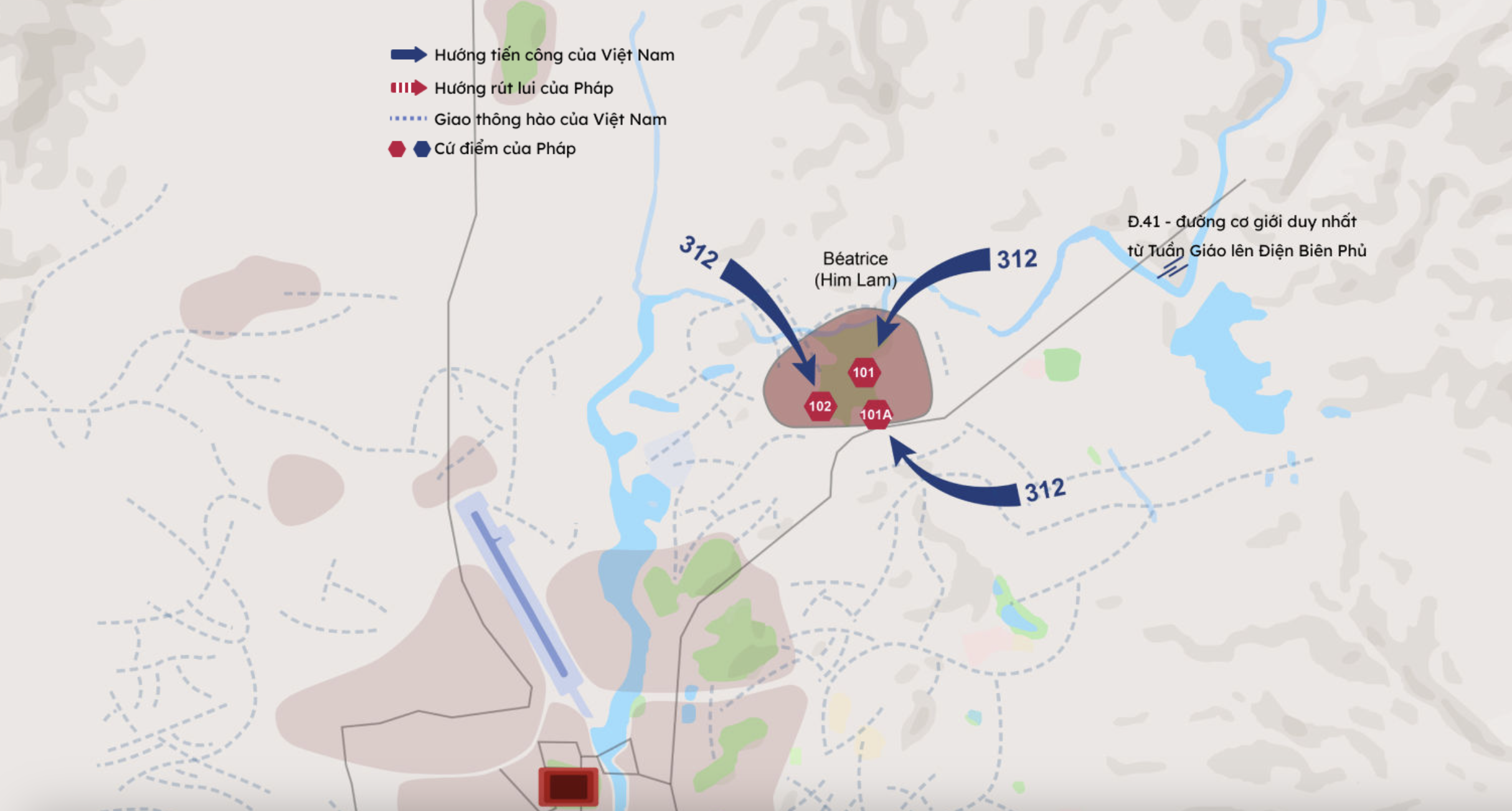
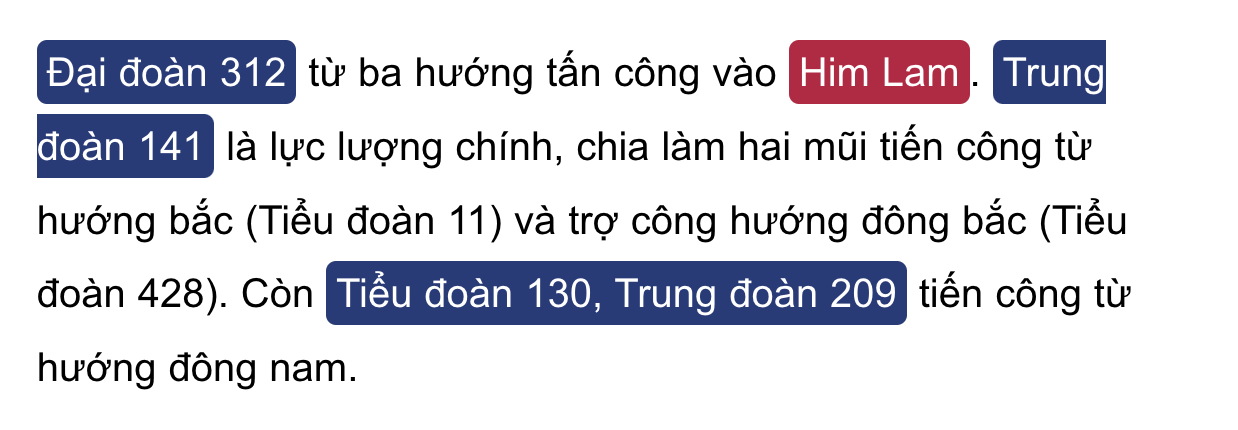
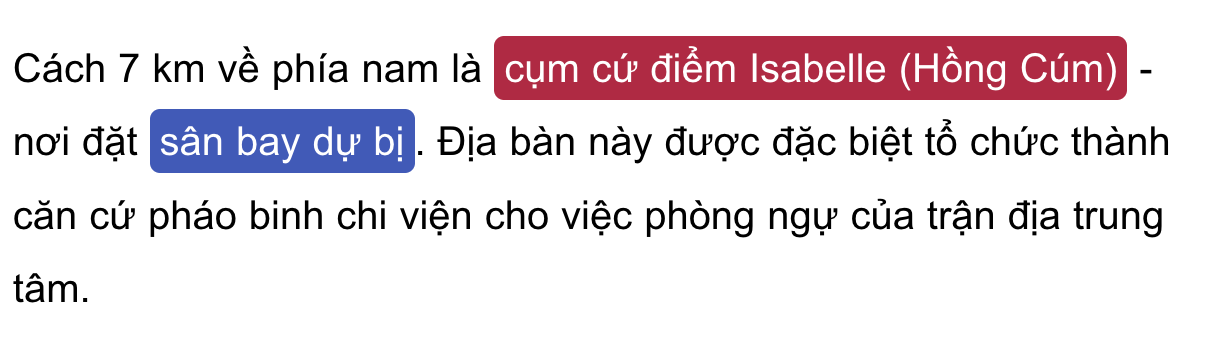
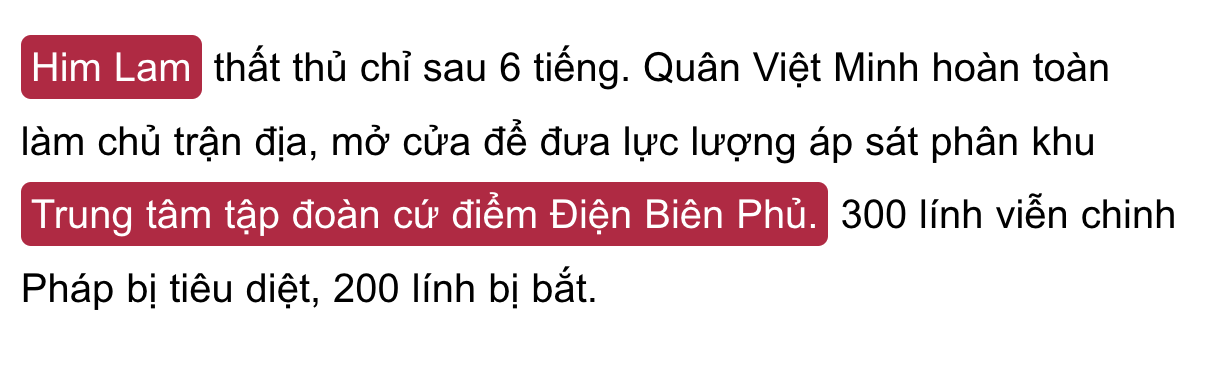
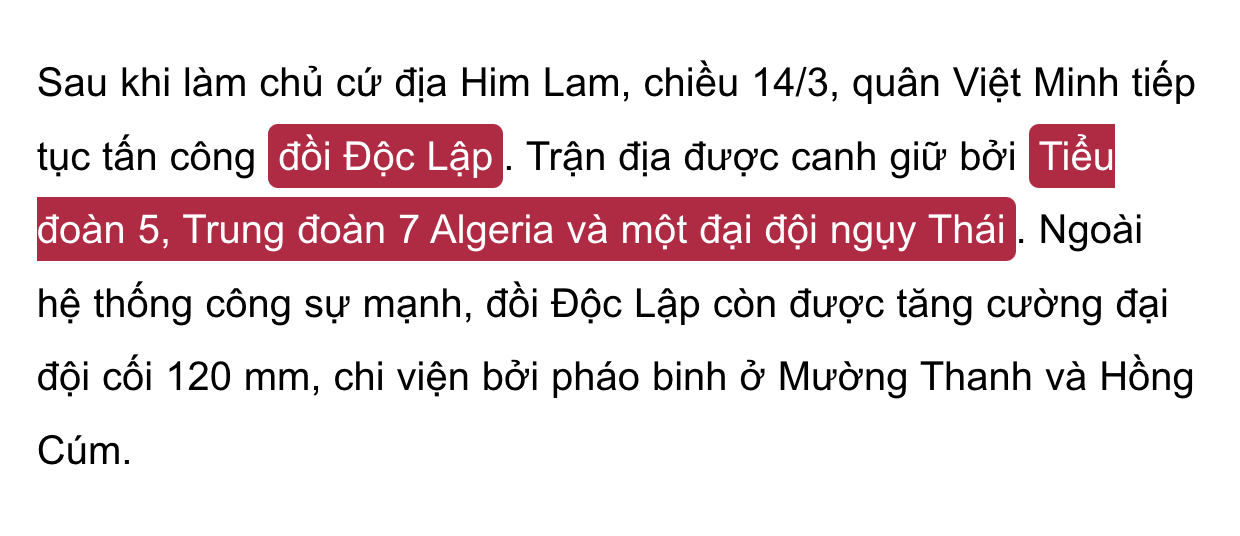
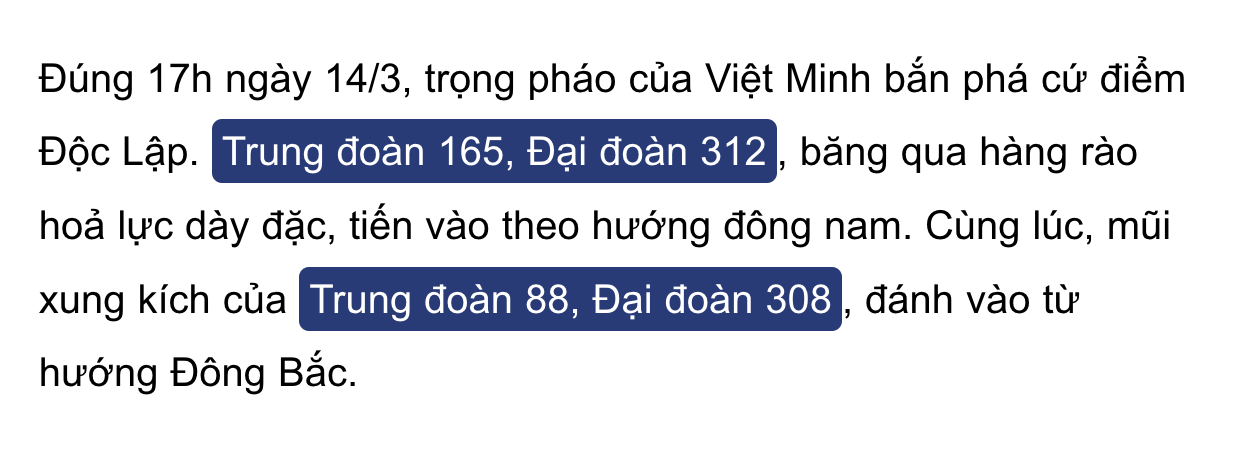

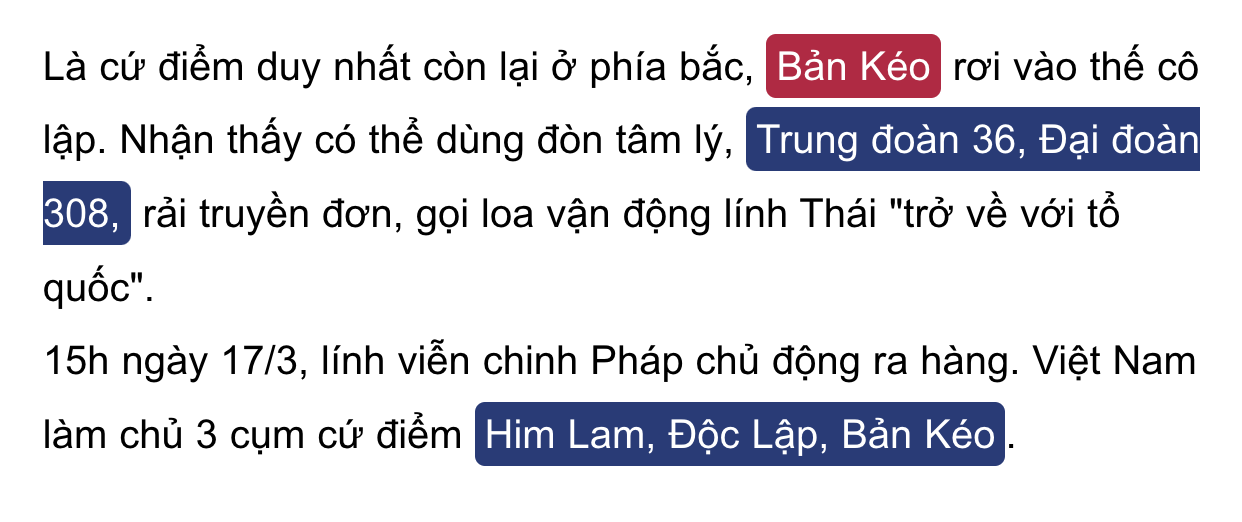
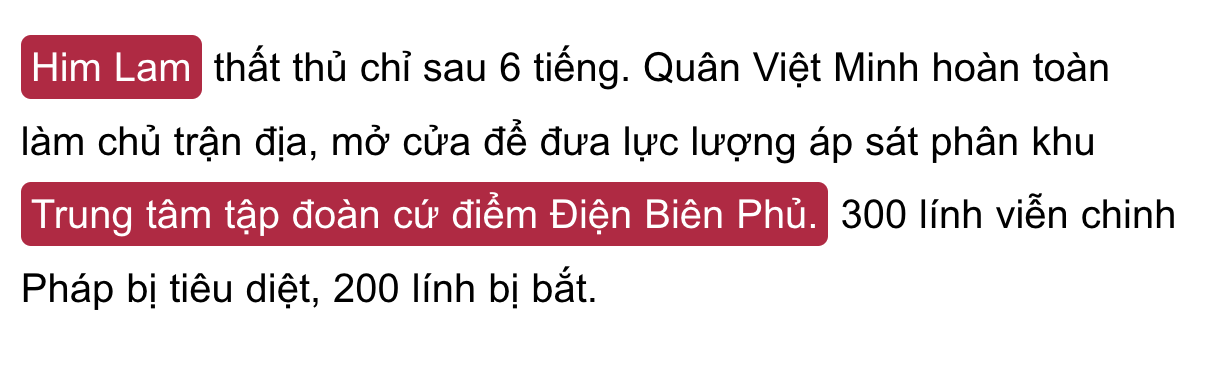
After five days, Vietnam successfully captured the strongest resistance centers, Him Lam and Doc Lap, and forced the surrender of Ban Keo. The Viet Minh completely annihilated two elite battalions, dispersed one battalion and three companies of the Thai puppet army, eliminated 2,000 French soldiers, and shot down 12 aircraft. "Previously, we thought we could win the Battle of Dien Bien Phu, but after those disastrous days, all chance of success was gone," Nava wrote in his memoir , *The Moment of Truth*.

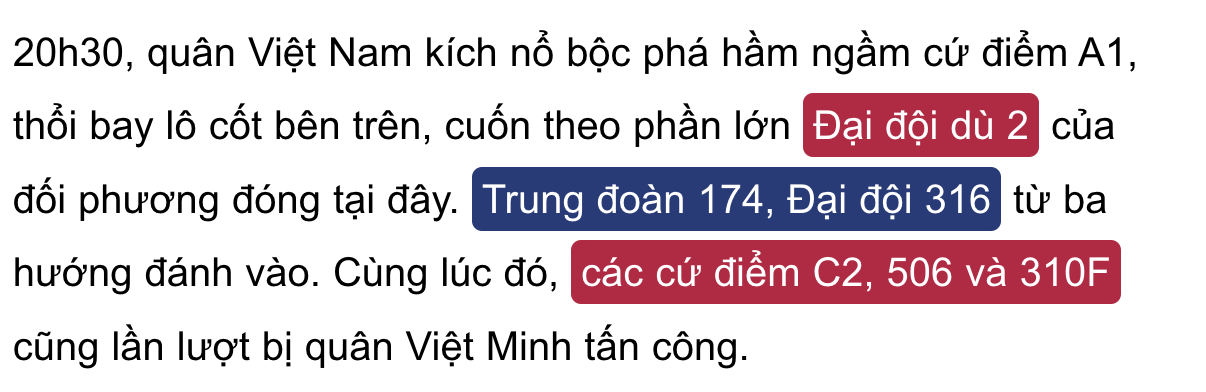
After destroying 6 out of 49 French strongholds, the Viet Minh set their second objective: to advance into the Central sector, capturing the eastern highlands and the Muong Thanh airfield. From there, Vietnam tightened the encirclement, minimizing the possibility of resupply and reinforcements to the Dien Bien Phu complex. This was the longest, most fierce, and decisive phase. The Central sector, located on the hills east of the Muong Thanh plain, comprised 5 clusters of strongholds with 10,000 troops. Following the initial defeat, General Nava hastily reinforced Dien Bien Phu with two paratrooper battalions. The defensive organization was also strengthened. Within an area of approximately 2.5 square kilometers, the French army deployed 12 105mm cannons, 4 155mm cannons, 24 120mm and 81mm mortars, and stockpiled about 100,000 rounds of ammunition. To fight against the superior French forces, the immediate priority was to develop a siege and offensive strategy. This time, the trench system was expanded. The main trench surrounded the entire French position in the Central sector. Infantry trenches ran from the units' positions in the forest to the fields, cutting across the main trench and advancing towards the targets we intended to destroy. "The time we spent digging trenches was also the time we fought. When the French came to fill in our positions, we dug again, and at the same time, positioned troops to fight back. Many of my comrades died with hoes and shovels still in their hands," recounted veteran Pham Ba Mieu, 174th Regiment, 316th Division. To protect the position, infantry units also moved into the newly dug trenches. The Viet Minh's offensive and encirclement trench system gradually advanced, weaving through barbed wire, creating "rings of fire," tightening the Dien Bien Phu stronghold step by step. The French were aware of the Vietnamese trench digging progress through daily aerial photographs, but failed to stop it. By the end of March, 100 km of trenches had been formed by the Viet Minh in just 10 days, reaching the foot of the French stronghold. The southern Hong Cum sector was completely cut off from the center. Vietnam was ready for a second attack on the "impregnable" fortified complex.
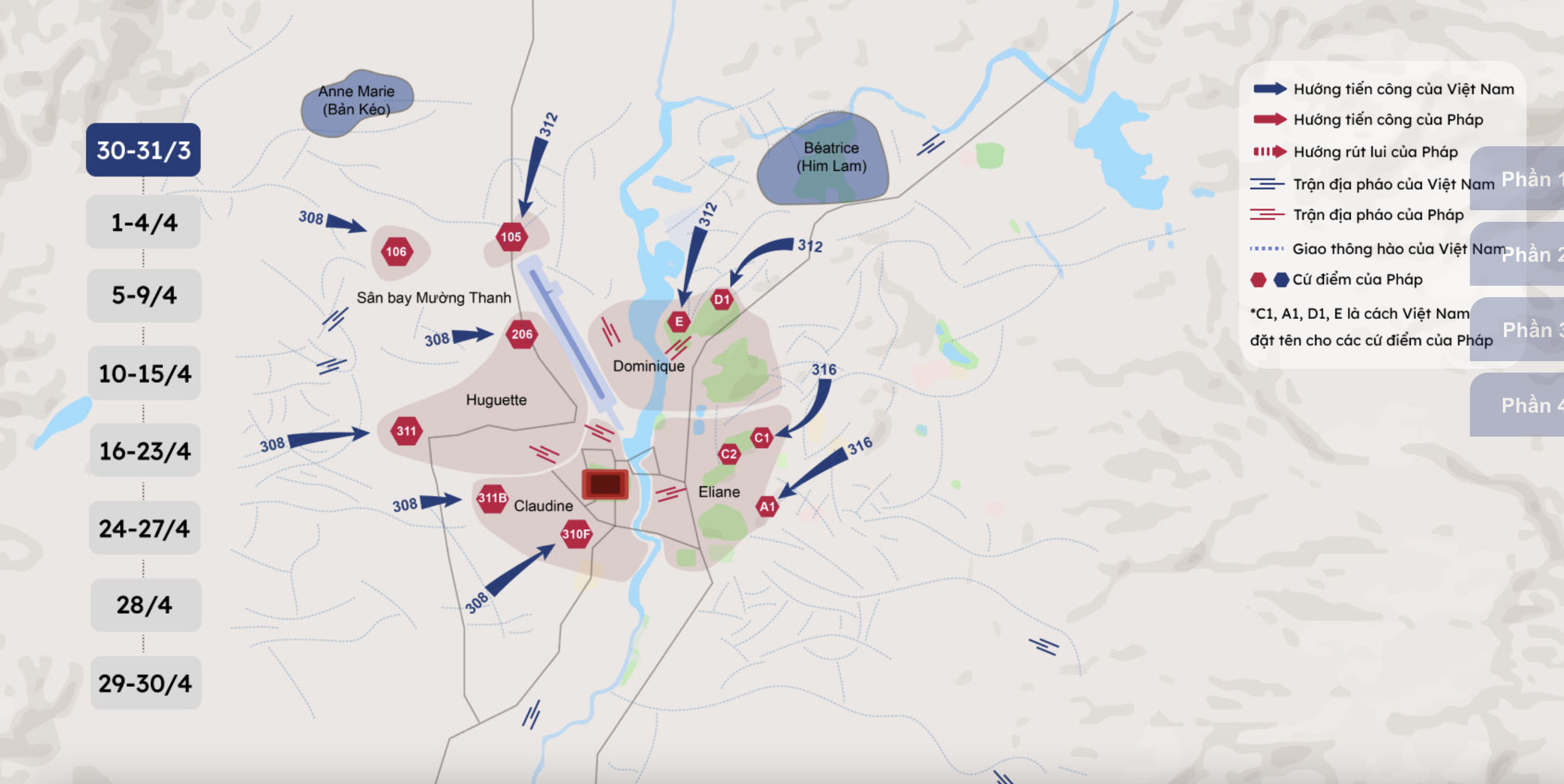

After two defeats, the French campaign command worked hard to reassure the troops on the front. Recognizing that the rainy season was approaching Dien Bien Phu, General De Castries advocated maintaining a stalemate until mid-May, hoping the weather would hinder the Viet Minh's trenches and supply lines. He believed the enemy would then increase air strikes around the base and cut off supplies. Meanwhile, Vietnam wanted to quickly end the battle before the rainy season. General Giap aimed to resolve the Dien Bien Phu "hedgehog" before the opening of the Geneva Conference to ensure the Vietnamese delegation appeared victorious. The final offensive was a race against time. The third phase's objective was a general offensive to annihilate all French expeditionary forces at Dien Bien Phu. This time, the target of the trenches was De Castries' command post. At 5 PM on May 1, 1954, all Vietnamese artillery pieces opened fire on the fortified complex. The third offensive began.
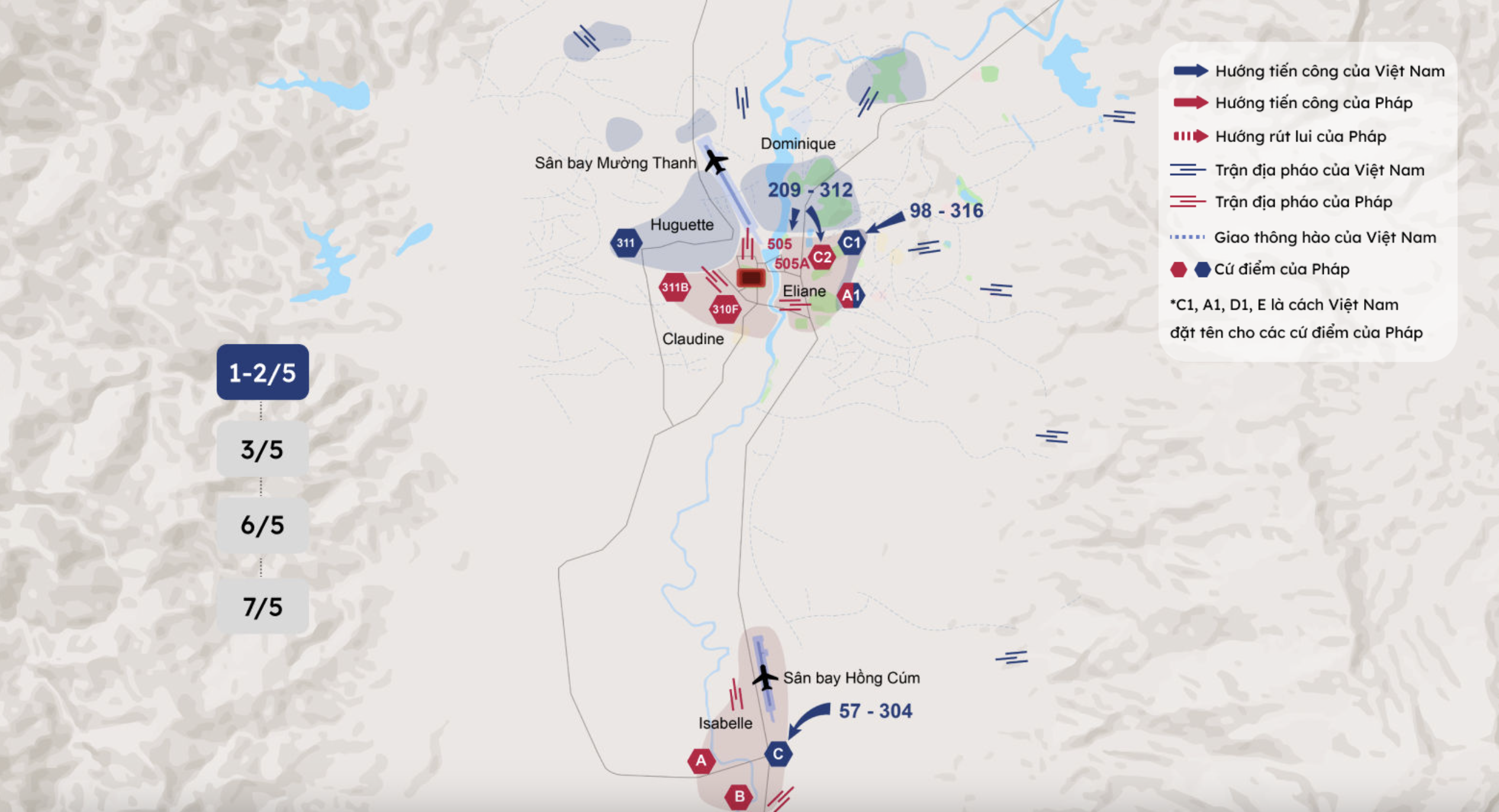
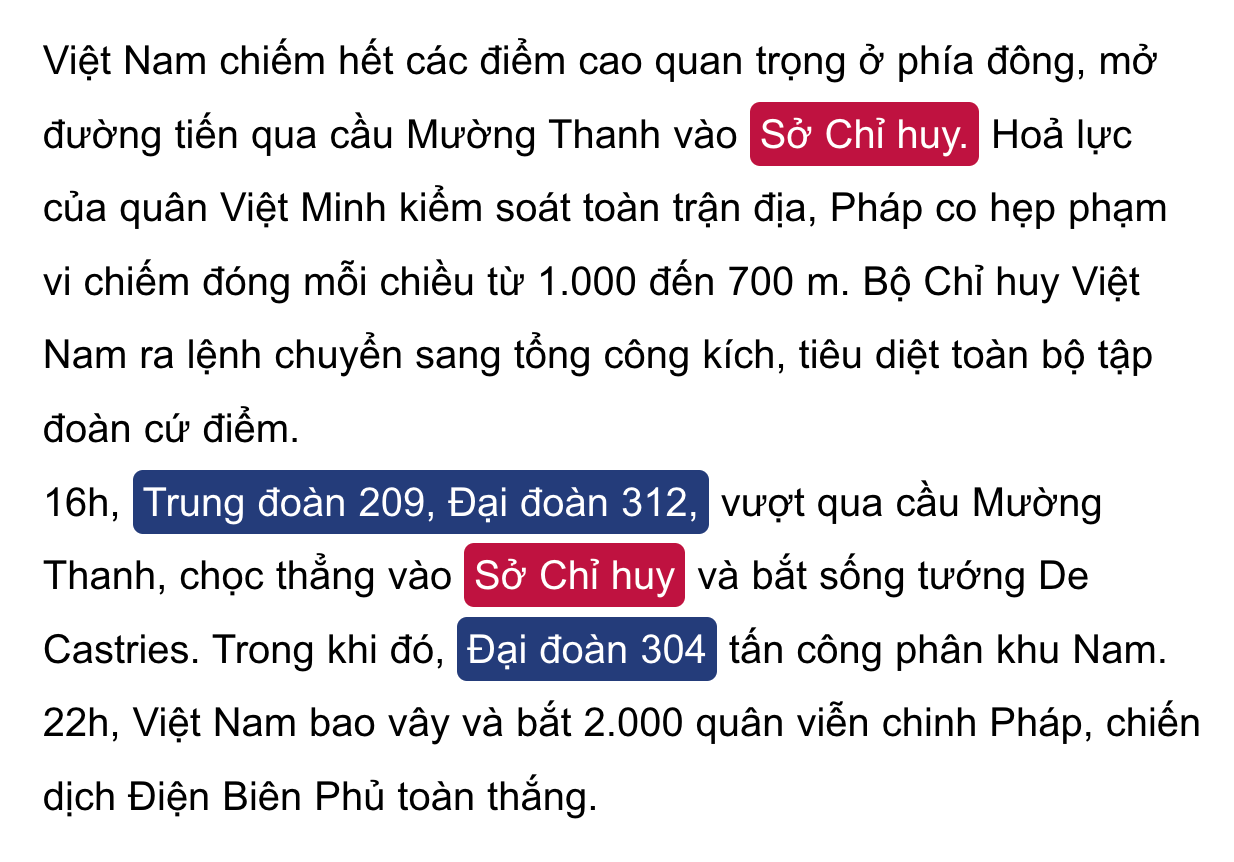
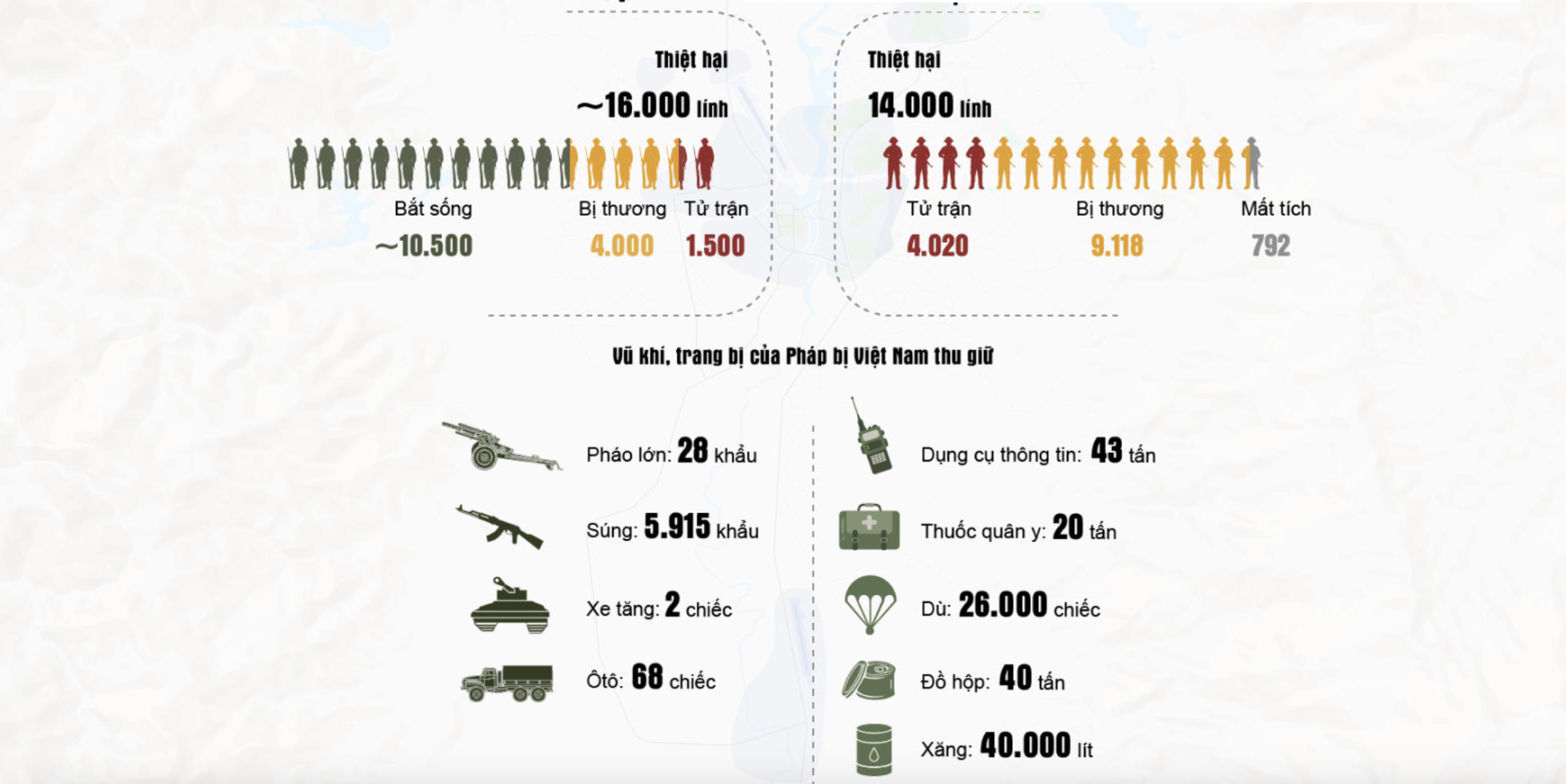
The fortified complex was breached, officially foiling the Nava Plan and stunning French officials. Over 10,000 French soldiers were captured, including approximately 1,000 severely wounded who lay piled up in hospital bunkers for two months during the fighting. When the fighting ended, Viet Minh medical personnel brought them to the surface, treated them, and handed them over to the French. The day after the French defeat, May 8, 1954, the Geneva Conference opened. There, France was forced to recognize the freedom, unity, sovereignty, and territorial integrity of Vietnam, Laos, and Cambodia, ending nearly a century of domination. For the first time in history, a small, poorly equipped colonial power defeated a powerful imperialist power.
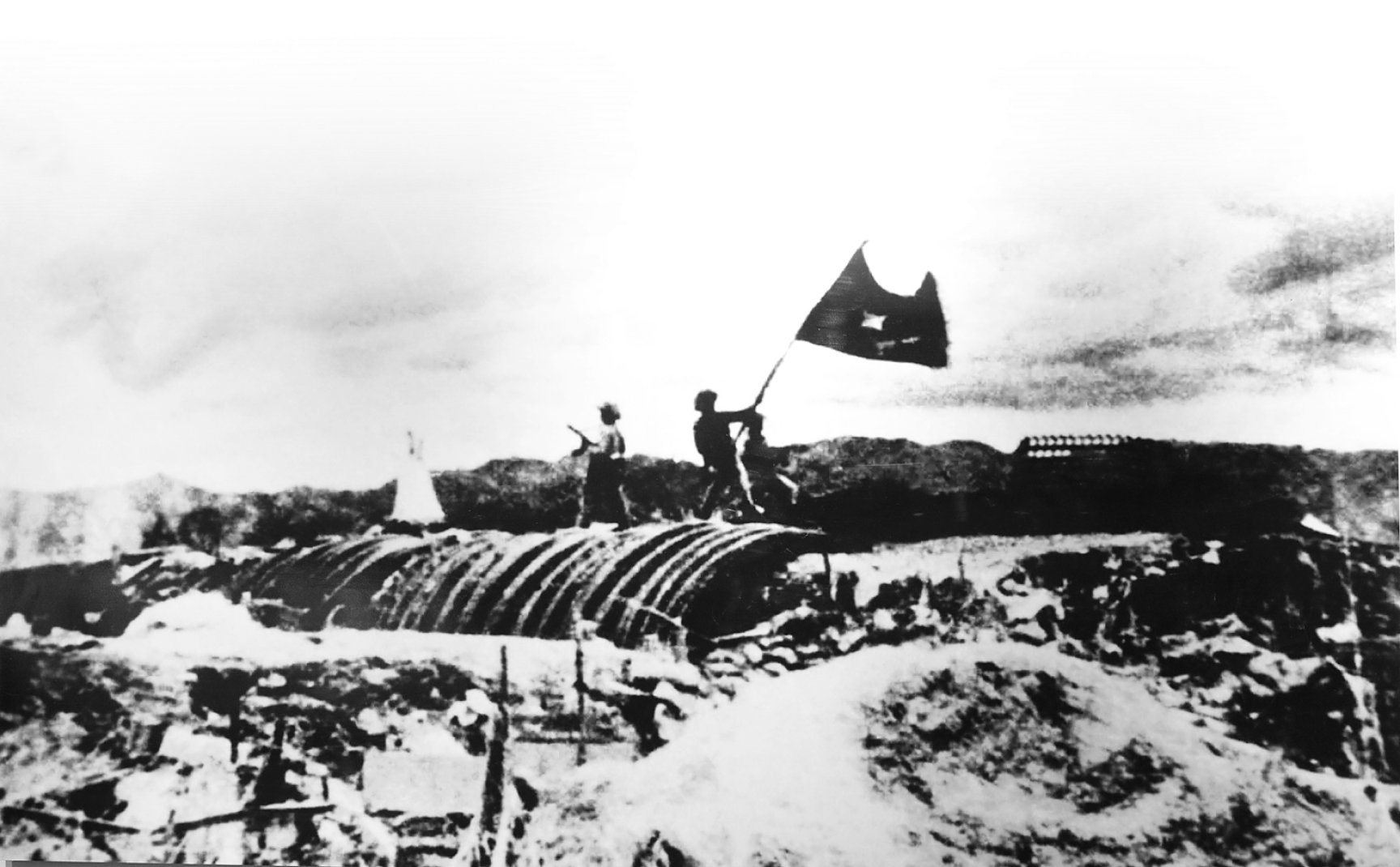
The Vietnam People's Army celebrates on top of General De Castries' bunker after the complete victory of the Dien Bien Phu campaign, afternoon of May 7, 1954. Source: Vietnam News Agency
Content: May Trinh - Phung Tien
Graphics: Khanh Hoang - Thanh Ha
You may also like

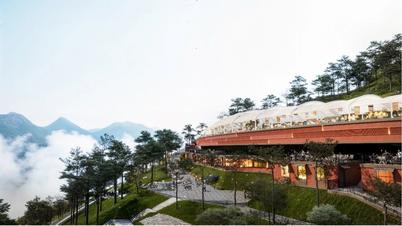
Sun Group is building a cable car to the 'General's Mountain' in Dien Bien Phu.On the afternoon of May 10th, in Muong Phang commune, the People's Committee of Dien Bien province, together with Sun Group, held a groundbreaking ceremony for the Dien Bien Phu cable car and cultural-historical tourism complex. This event is part of a series of activities commemorating the 72nd anniversary of the Dien Bien Phu Victory and marks a strategic turning point for the Northwest tourism center: transforming from a land preserving heroic memories into a "vibrant historical experience space." This article uses materials from: - Dien Bien Phu - A Historical Rendezvous (Memoirs of General Vo Nguyen Giap) - Vo Nguyen Giap - A Famous General of the Ho Chi Minh Era - The Moment of Truth (Memoirs of Henri Navarre) - The Battles of Dien Bien Phu (Jules Roy) - The Road to Dien Bien Phu (Christopher Goscha) - Hell in a Very Small Place; the Siege of Dien Bien Phu (Bernard B. Fall) - The Last Valley: Dien Bien Phu and the French Defeat in Vietnam (Martin Windrow) Regarding the photos in the article: - Photos of French and Vietnamese commanders: Ministry of National Defense's electronic portal (General Vo Nguyen Giap, Hoang Van Thai); Family-provided documents (Major General Dang Kim Giang and Head of Political Affairs Le Liem); National Archives Center I (Henri Navarre); French media outlets (Officer Jean Pouget and author Jules Roy) - Images of weapons and military aircraft are compiled from sources: Dien Bien Phu Historical Victory Museum, Vietnam Military History Museum, and French and American military information websites - The course of the battle in this article is outlined based on maps in the books Traitez à tout (Jean Julien Fonde); Dien Bien Phu - A Historical Rendezvous (Vo Nguyen Giap); and Dien Bien Phu - The Victory of the Century (multiple authors). Vnexpress.net
Source: https://vnexpress.net/vong-vay-lua-บน-chien-hao-dien-bien-phu-4738667.html

























































![[Video] Sunset at Lap An Lagoon – Where the sun sets over the fishing nets](https://vphoto.vietnam.vn/thumb/1200x675/vietnam/resource/IMAGE/2026/05/31/1780192137701_beach-landscape-sea-water-nature-grass-745871-pxhere-com.jpeg)
































Comment (0)