

 |
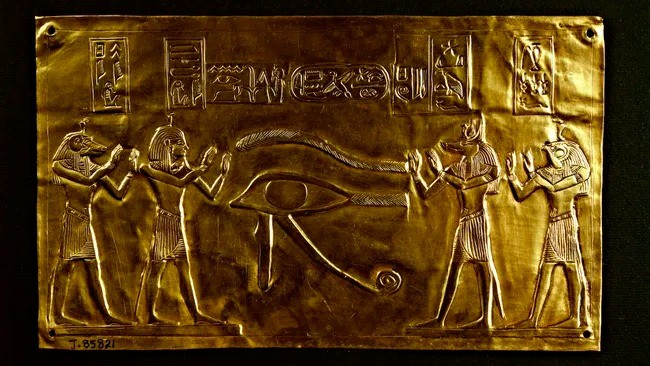
| The image of the " Eye of Horus " is often seen in many ancient Egyptian tombs thousands of years old. This symbol also appears on a type of amulet called a wedjat (or udjat). (Photo: DEA/S. VANNINI via Getty Images). |
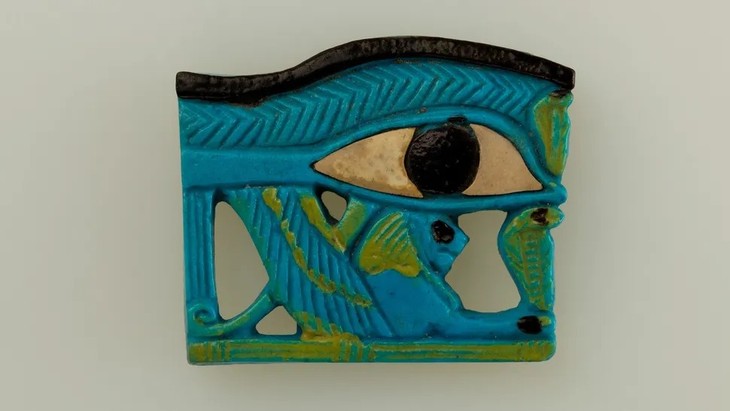 |
| Sometimes, the " Eye of Horus " was also carved on coffins and inside chapels in the tombs of ancient Egyptians. This has led many to wonder what the "Eye of Horus" meant to the Egyptians. (Image: Purchase, Edward S. Harkness Gift, 1926; The Met; CC0 1.0 Universa.) |
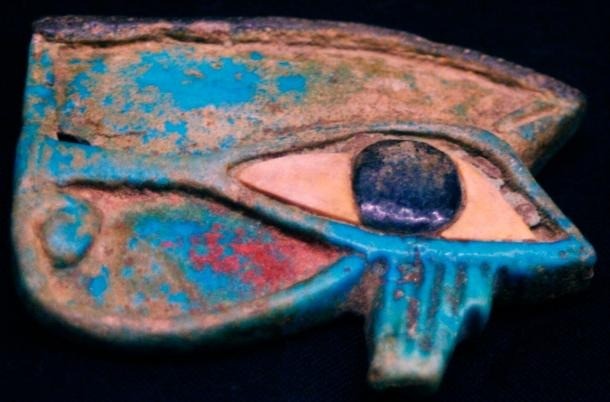 |
| According to Egyptian mythology, Horus was the son of Osiris, the god of the underworld . Horus fought his uncle Seth to determine who would rule Egypt. In the battle, Seth gouged out Horus's left eye. Despite this, Horus ultimately won, becoming the ruler of Egypt. He also regained his left eye, which was restored "by Thoth, the bird-headed god of wisdom, ibis." (Image: Travis / Adobe Stock) |
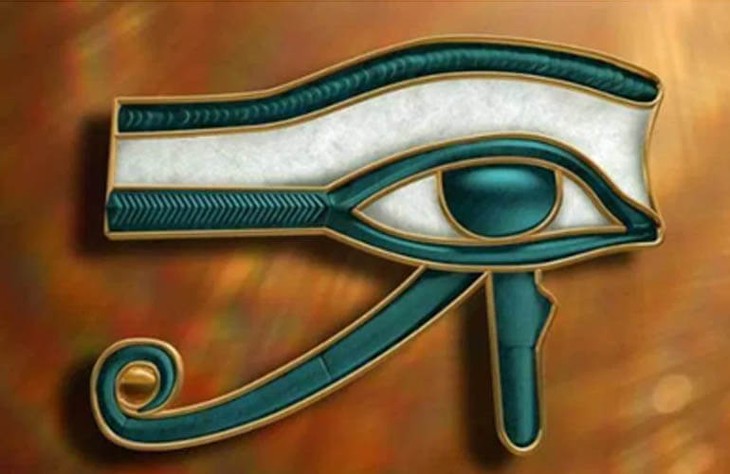 |
| This image depicting the left eye has become a symbol of the power of the "Eye of Horus". Photo: cleopatraegypttours. |
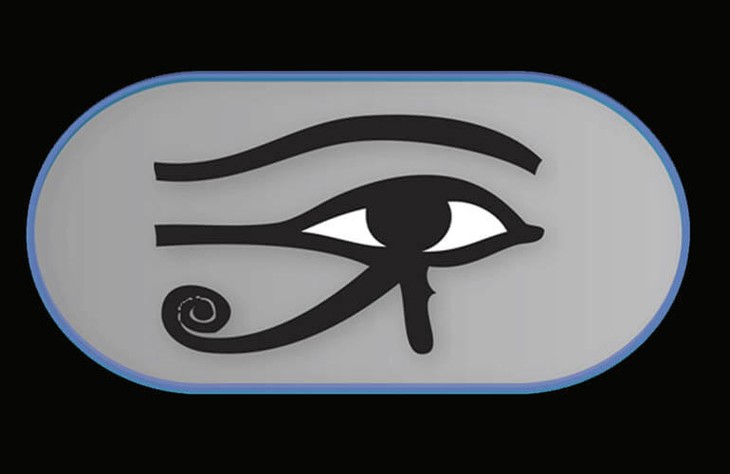 |
| "The wedjat is one of the most iconic amulets of ancient Egypt. Wedjat amulets are associated with healing and protection. That's probably why this type of amulet is found in many tombs, often within the layers of burial cloths," says Kei Yamamoto, an Egyptologist at the University of Toronto. Photo: cleopatraegypttours. |
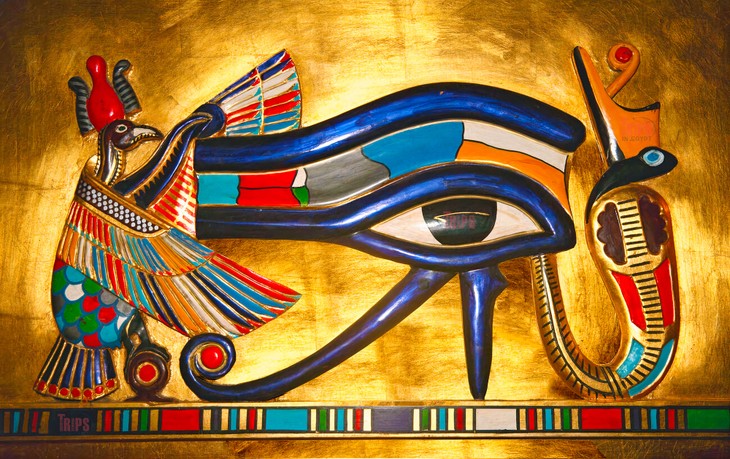 |
| Ancient Egyptian civilization existed for over 3,000 years, and customs related to the "Eye of Horus" have changed over time. Photo: tripsinegypt. |
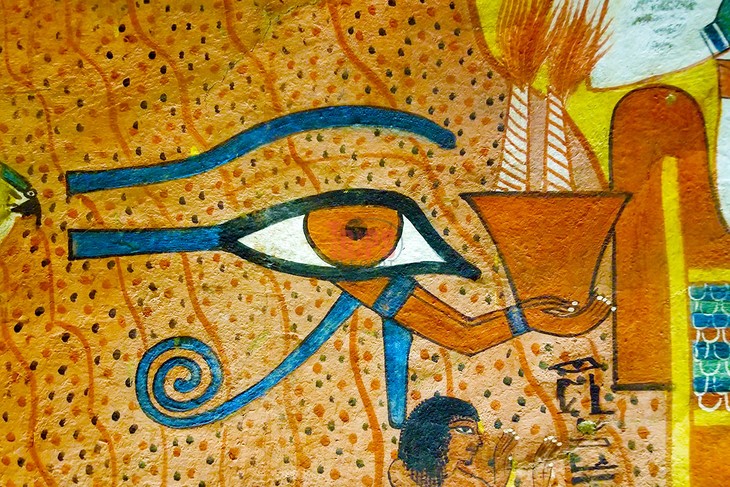 |
| "In later periods, large wax wedjat were placed on the left side of the abdomen, where embalmers made the incisions during the mummification process, to pray for healing and protection of the vulnerable area," expert Yamamoto said. This practice was carried out in the first millennium BC. Photo: tripsinegypt. |
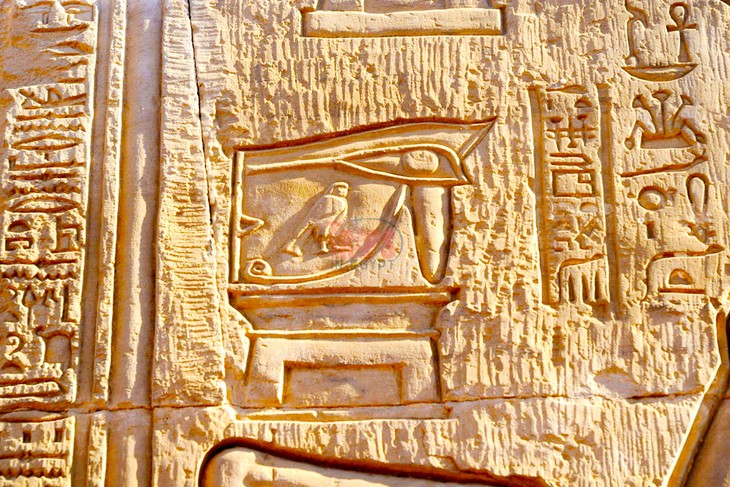 |
| Penny Wilson, associate professor of archaeology at Durham University in England, says the eyes are an instantly recognizable sign of protection and have become a metaphor for wholeness and happiness. She adds that the connection between the "Eye of Horus" and happiness can be applied to many other concepts related to the Nile River's water resources, Egypt in general, healing methods, and food offerings. (Image: tripsinegypt.com) |
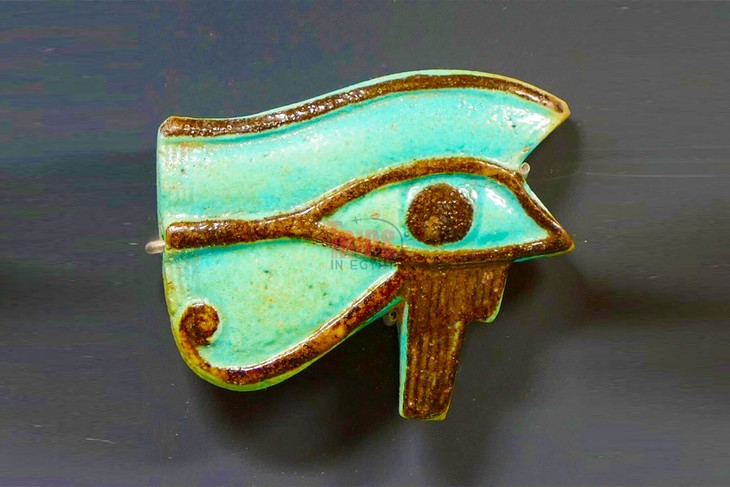 |
| The Wedjat amulet first appeared around 2200 BC, and the "Eye of Horus" was also depicted on sarcophagi and chapels in Egyptian tombs at that time. Photo: tripsinegypt. |
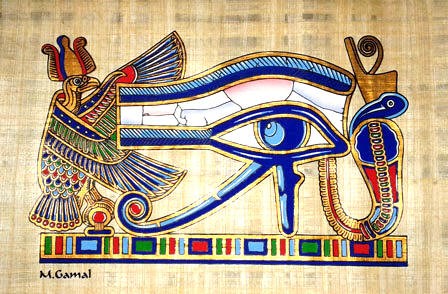 |
| Yamamoto said, "In those cases, scholars believe that the eyes not only provided magical protection for the deceased but also allowed them to see the world of the living." Photo: fromcairo. |
Readers are invited to watch the video : Shocking secrets inside ancient Egyptian embalming workshops.
Source: https://khoahocdoisong.vn/vi-sao-nhieu-mo-co-ai-cap-co-hinh-anh-mat-than-horus-post268902.html





























































































Comment (0)