

According to Tech Unwrapped , with each new version of Windows, Microsoft takes advantage of overhauling part or all of the graphical interface to retain most configuration options, with one example being the Control Panel, which has had the same design for over 20 years.
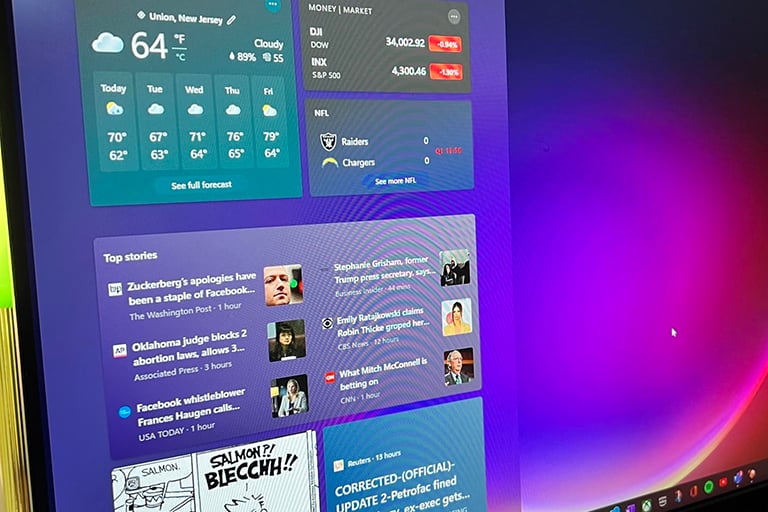
Is the absence of Windows 9 due to a leadership change at Microsoft?
With the launch of Windows 7, Microsoft introduced a completely new design, a far cry from Windows XP – a design that people had loved for many years. Along with Windows XP, it became one of the most popular operating systems Microsoft has ever released to the world .
When Windows 8 was released, Microsoft introduced a completely new design, different from what Windows had had since its early versions, with a tile design that completely changed how users interacted with the operating system. This led to much criticism from users and forced the company to release Windows 8.1 to reintroduce the classic Start button. This design focused on computers with touch screens, a technology that, 11 years after Windows 8's release, is still not the choice of many users.
When everything seemed to indicate the next version of Windows would be Windows 9, Microsoft released Windows 10. What happened to Windows 9? The reason for skipping this version of Windows is related to the arrival of Satya Nadella as head of Microsoft, replacing Steve Ballmer.
Microsoft wanted to create the impression that, after a change in top leadership, the company had been completely revamped, and that all of Steve Ballmer's decisions were a thing of the past and would not be repeated. This change was implemented a year before the next generation of Windows was released, and the company decided to jump straight to Windows 10. This was a fundamental shift from the previous two versions, Windows 8 and 8.1. As a result, the operating system quickly gained popularity before Windows 11 appeared and continued to receive high praise.
By transitioning from Windows 8.1 to Windows 10, Microsoft implied there was no continuity with a version of Windows that users didn't particularly enjoy. It was more of a marketing strategy than anything else, but enough to grab the attention of users who had considered not upgrading to Windows 8 and instead sticking with Windows 7 even if it wasn't supported for much longer. That was better than completely changing the user experience.
Source link





Comment (0)