

CHINA - A male patient often chose hot pot dishes for his business dinners. Recently, he experienced weight loss and fatigue, and upon examination, was diagnosed with stage 2 stomach cancer.
Winter is the peak season when people enjoy gathering together to eat hot pot. However, eating too much hot pot is not good for your health.
Gastroenterologist Wang Weidao recently shared a case he had. A 50-year-old Chinese man was diagnosed with gastroesophageal reflux disease (GERD) 10 years ago. Each time he went for a check-up, the patient refused endoscopy. Instead, he self-medicated for the past two years.
Recently, he felt tired, lost weight, and had black stools, so he decided to go to the hospital. At this time, the male patient had to undergo a gastroscopy, which revealed a tumor. The biopsy results confirmed it was stage 2 cancer. The patient will have to undergo surgery immediately and will be monitored for a period of time.
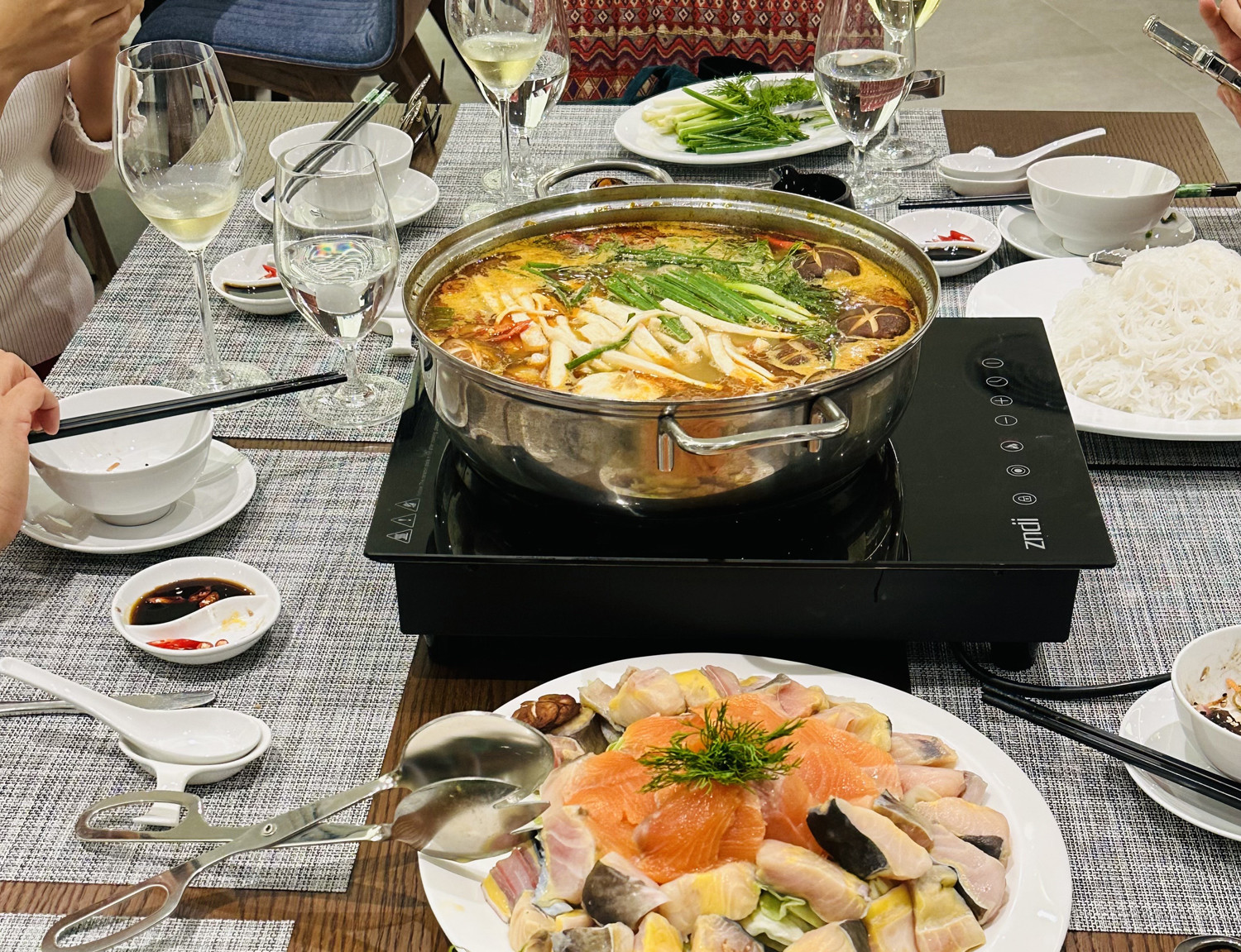
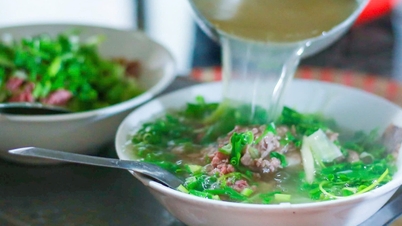
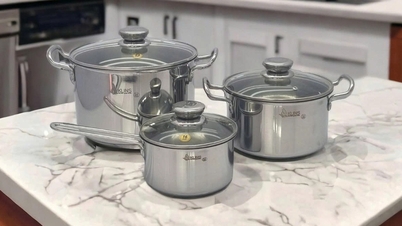
Hot pot is a popular choice for many people during the winter. (Illustrative photo: Ban Mai)
According to China Times , the patient was the head of a company and frequently ate out to entertain clients. He often chose hot pot restaurants.
Stomach cancer and diet are linked. Excessively salty foods, grilled foods, and sour foods are three major risk factors. Hot pot, in particular, is a dish high in fat and salt, especially harmful to those who enjoy slurping the broth.
The Aboluowang website also warns about some common habits when eating hot pot that are bad for health, especially the stomach, such as continuous boiling, eating undercooked food, and adding too much chili.
According to Doctor Vuong, stomach cancer doesn't show many signs in its early stages. Later, patients may experience symptoms such as gastroesophageal reflux, loss of appetite, indigestion, and swelling in the lower abdomen. However, most patients will not take these seriously and will consider them to be common symptoms of digestive disorders.
Late-stage symptoms of stomach cancer include vomiting, abdominal pain, bloody stools, ascites, jaundice, and weight loss. In cases of edema, patients may experience weight gain.
According to Dr. Vuong, to avoid stomach cancer, people need to eat less salty, grilled, and sour foods. If a Helicobacter pylori infection is detected, thorough treatment is necessary, especially for those with a family history of stomach cancer. The risk of gastrointestinal cancer is higher within the same family due to shared lifestyle and eating habits.
Source: https://giadinh.suckhoedoisong.vn/tu-ca-benh-mac-ung-thu-da-day-bac-si-canh-bao-thoi-quen-an-lau-172241222090015507.htm


![[Photo] Reception to welcome General Secretary and President To Lam and his wife on their State visit to the Philippines](https://vphoto.vietnam.vn/thumb/1200x675/vietnam/resource/IMAGE/2026/06/01/1780295488620_vna-potal-chieu-dai-chao-mung-tong-bi-thu-chu-tich-nuoc-to-lam-va-phu-nhan-tham-cap-nha-nuoc-toi-philippines-8798060-7855-jpg.webp)

![[Photo] General Secretary and President To Lam and the President of the Philippines hold talks.](https://vphoto.vietnam.vn/thumb/1200x675/vietnam/resource/IMAGE/2026/06/01/1780286997787_anh-man-hinh-2026-06-01-luc-11-09-43.png)


































































































Comment (0)